 USA
USAThe gap that used to justify a luxury badge has closed. In the American Customer Satisfaction Index’s 2026 automobile study, mass-market and luxury brands both scored 78 out of 100. Toyota topped the entire industry at 83, two points clear of Mercedes-Benz on 81, the highest-scoring luxury marque.
The luxury segment did the damage
Lexus fell 10% to 78. Tesla also landed on 78. Cadillac dropped 15% to 69, last place overall. The steepest fall among mass-market brands was Buick, down 16% to 68.
ACSI reads the shift as a change in what owners are grading. Reliability, running costs, service bills, and what the car is worth in three years now carry more weight in the score than the badge on the grille does.
Hybrids on top, EVs at the bottom
Split by powertrain, hybrids scored 80, petrol cars 78, and electric cars 72.
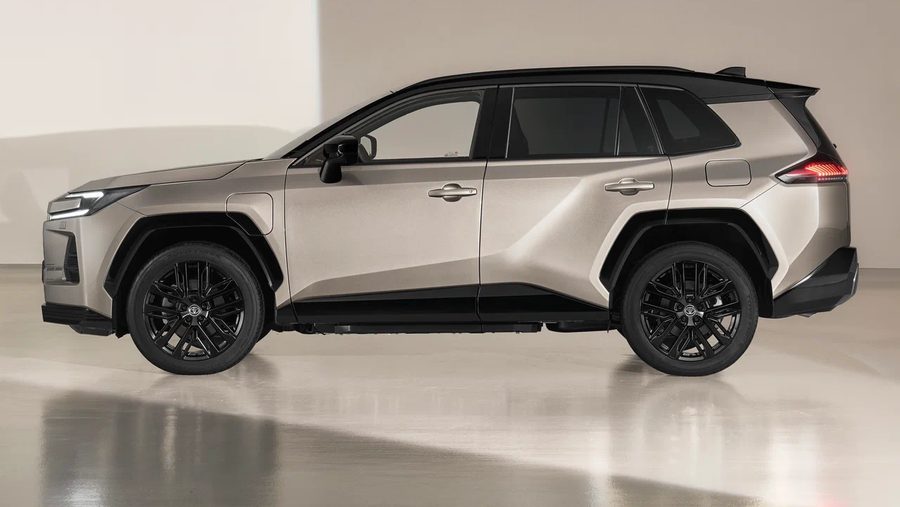
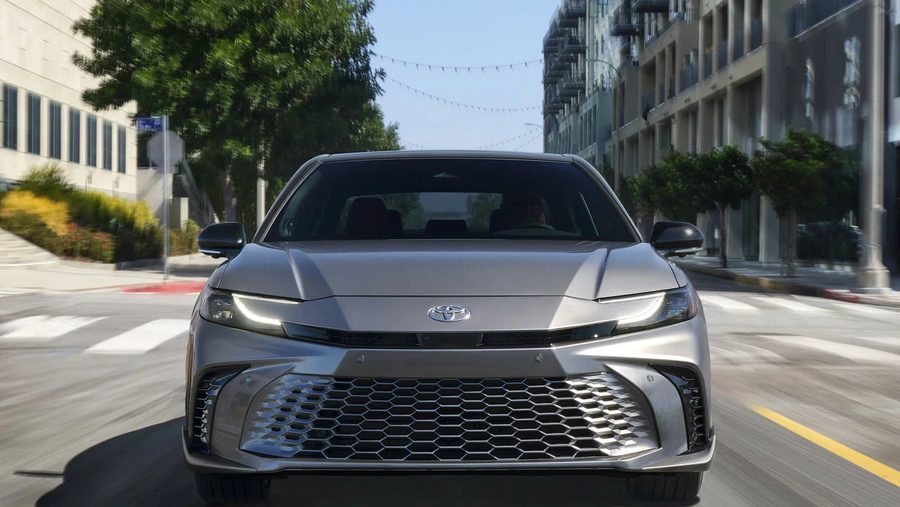
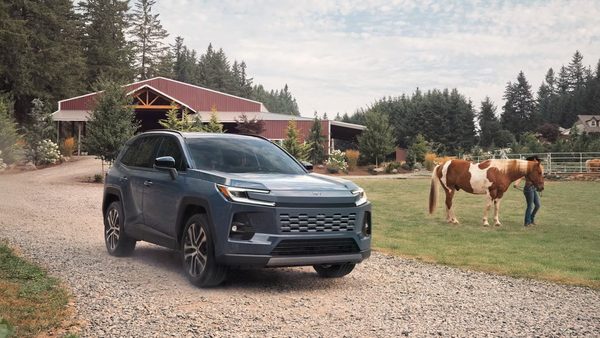
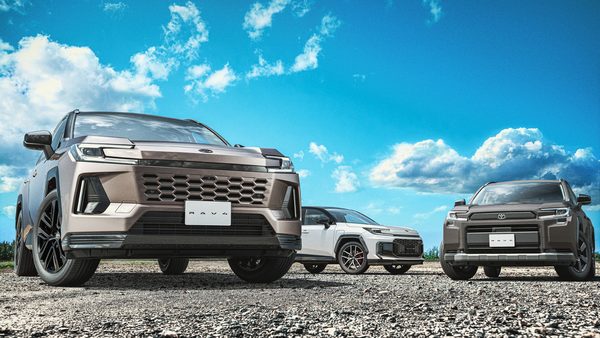
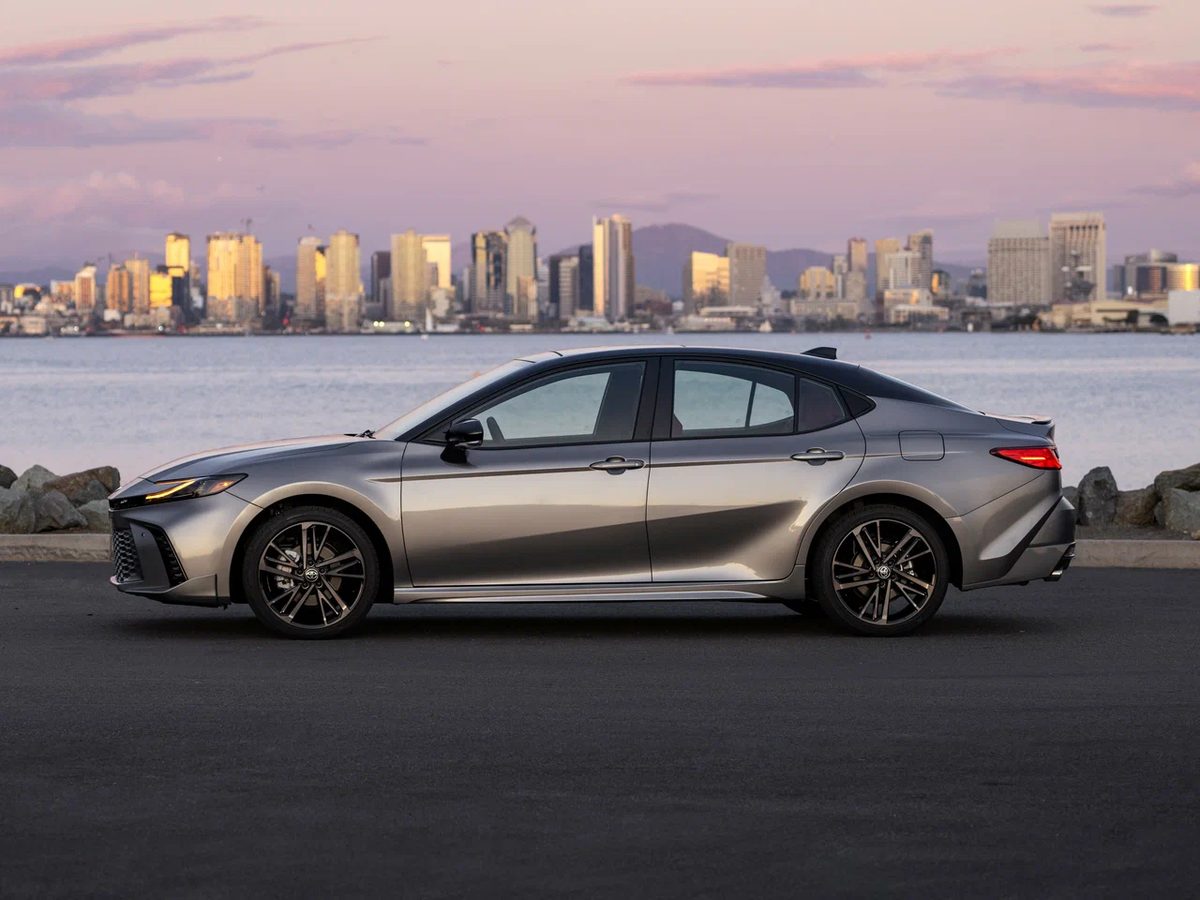
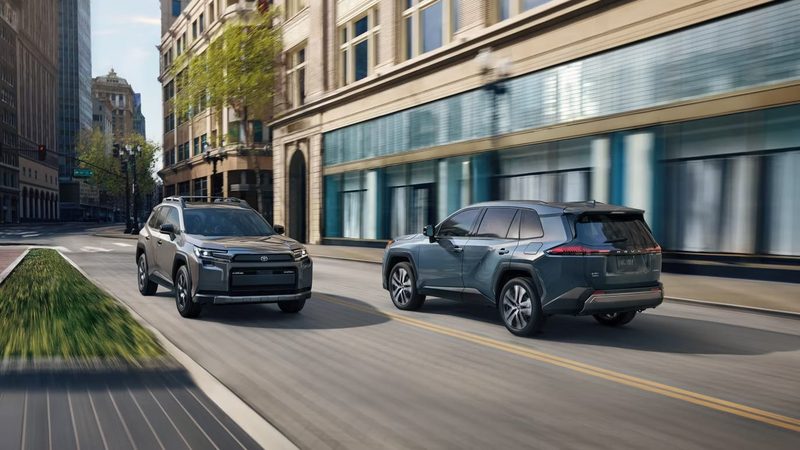
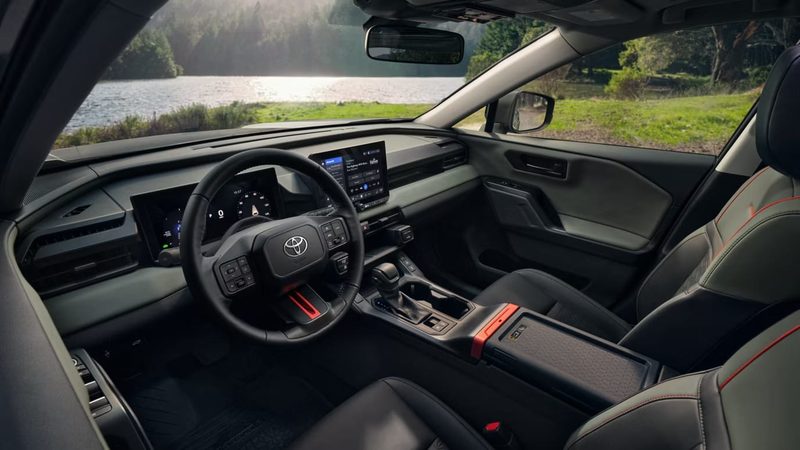
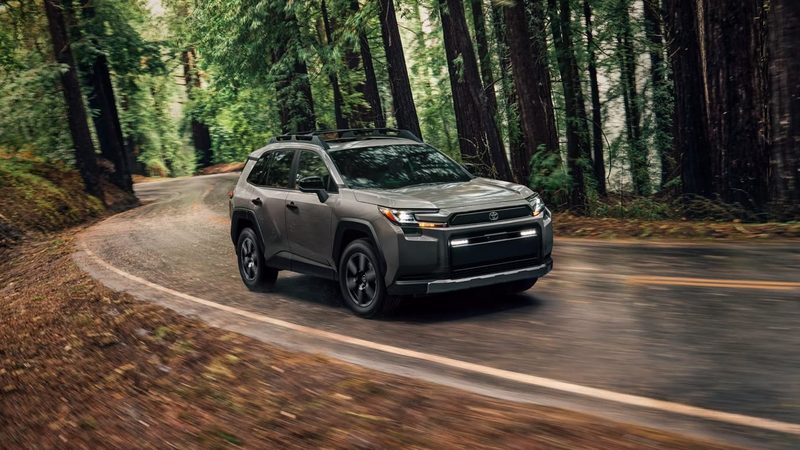
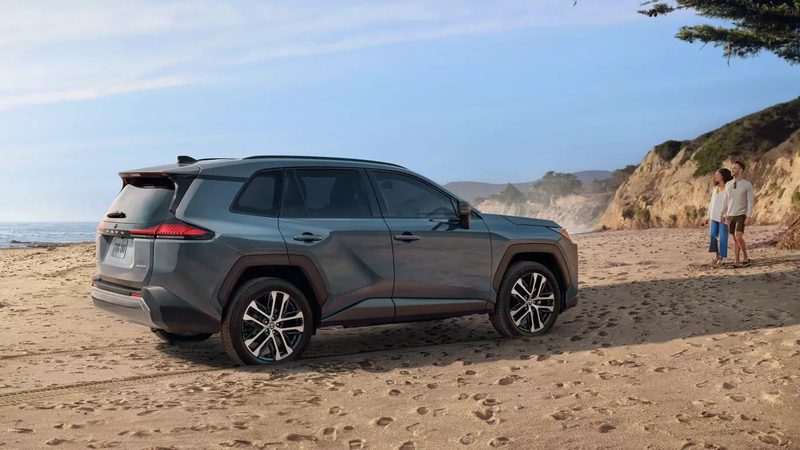
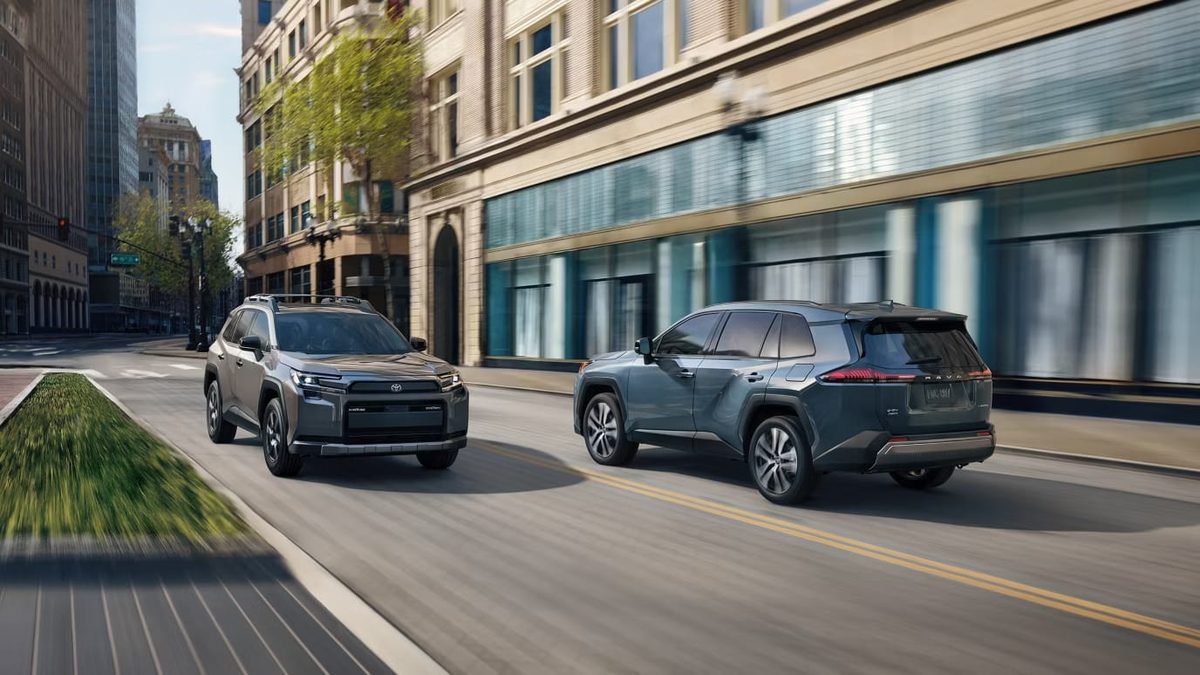
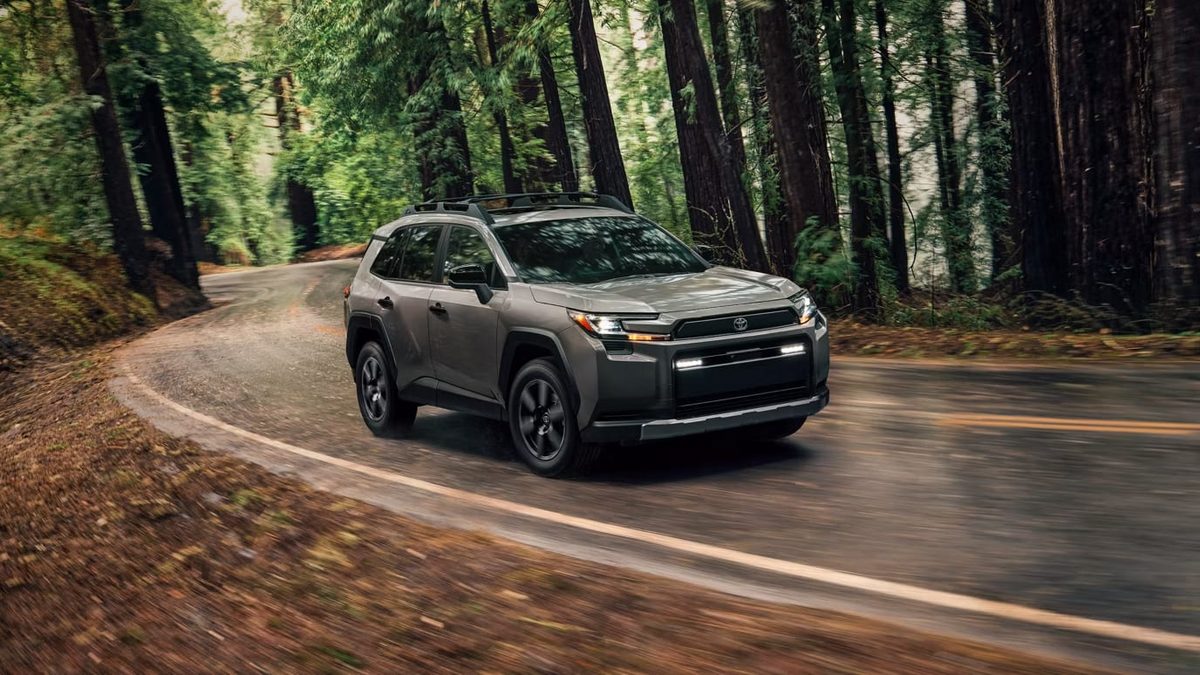
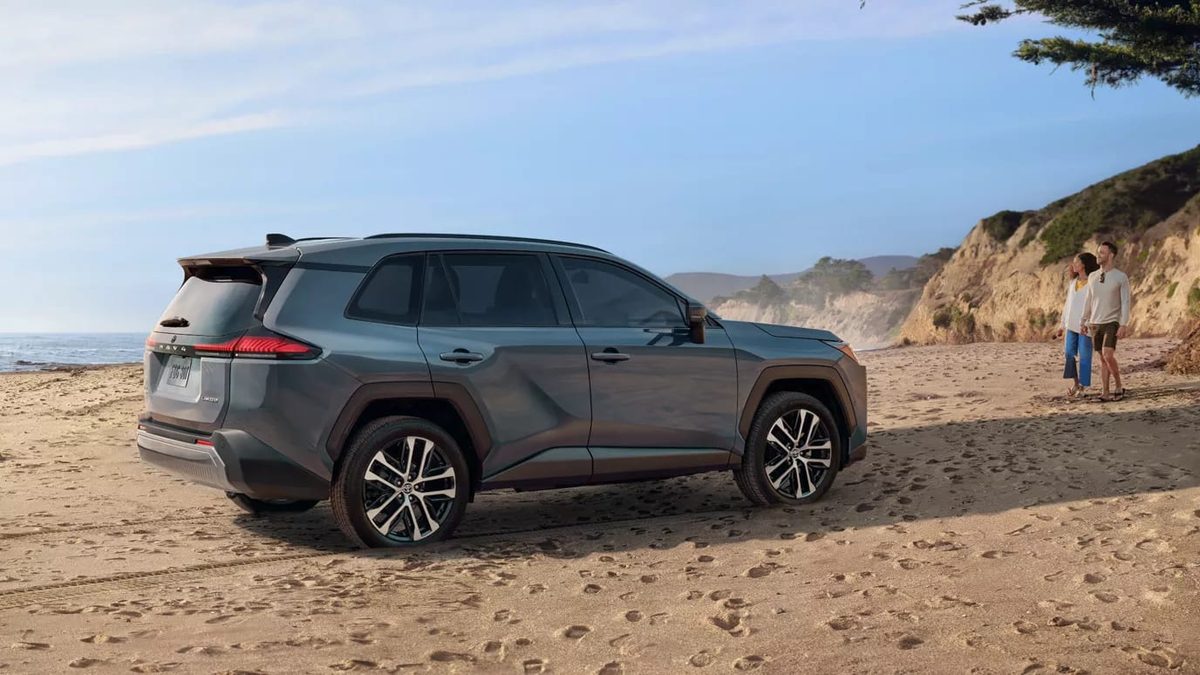
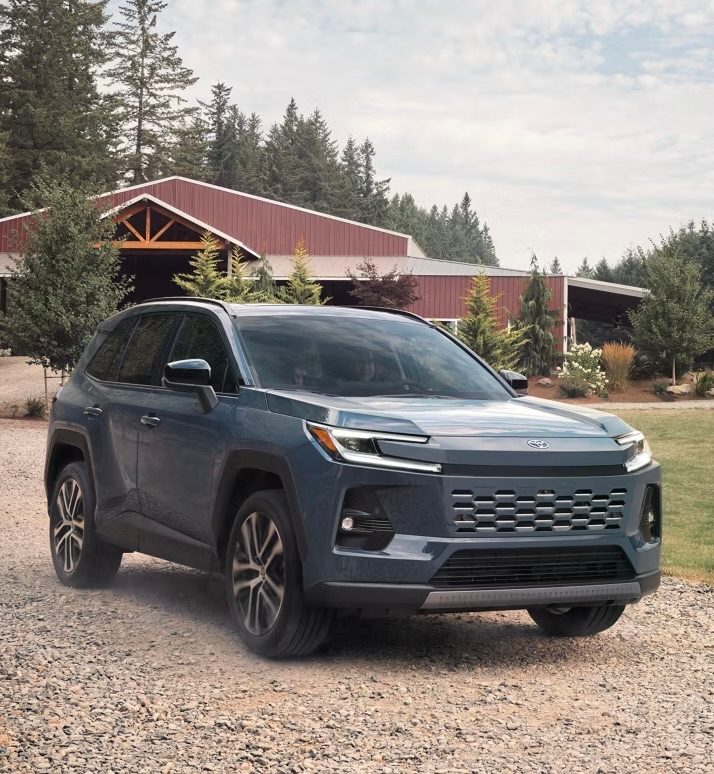
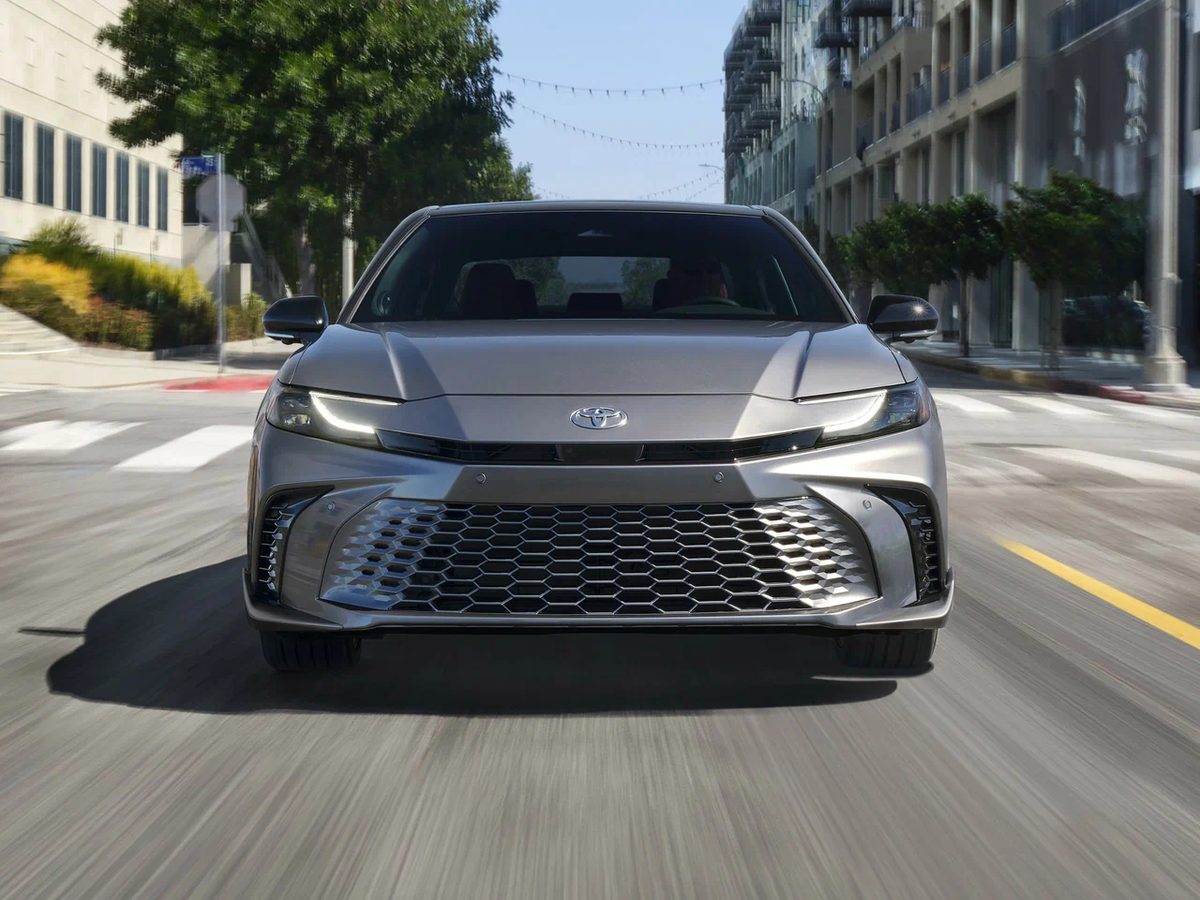
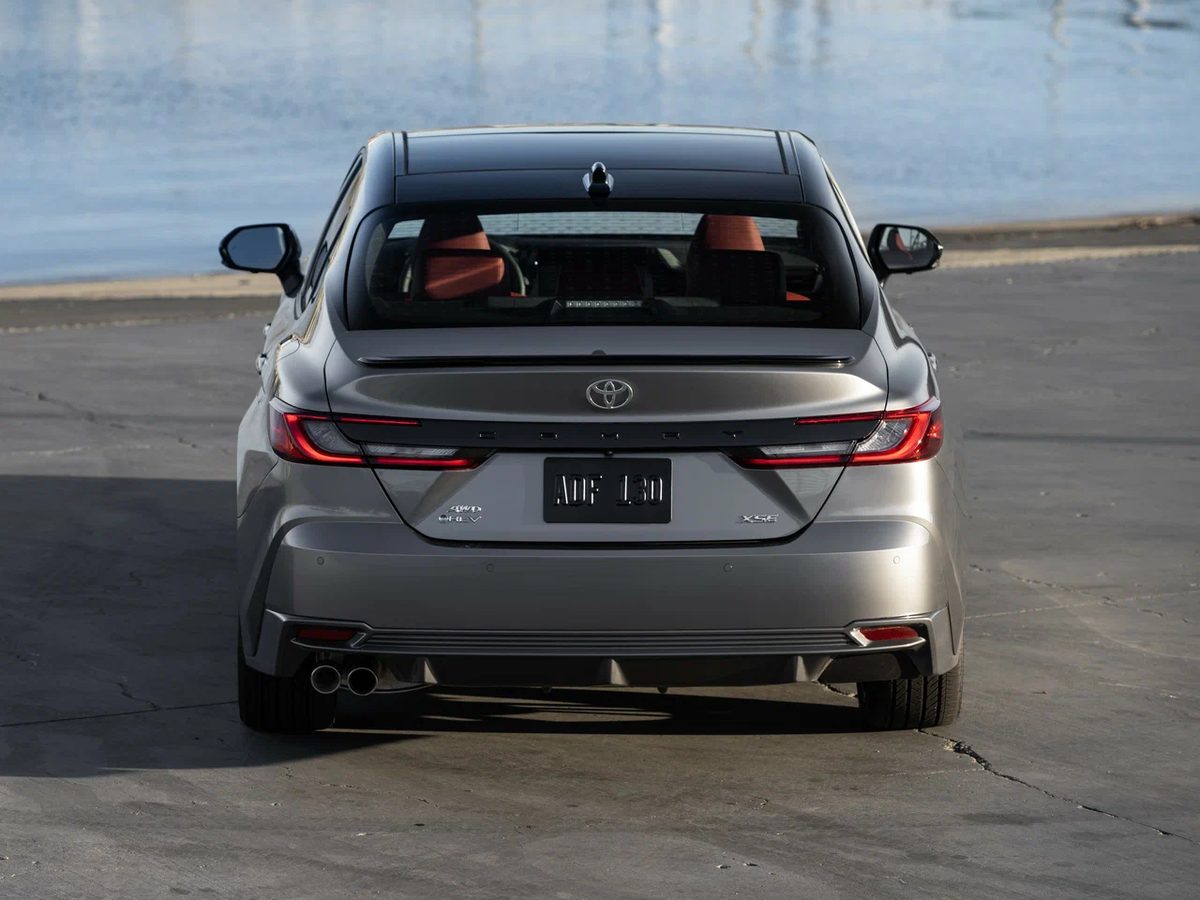
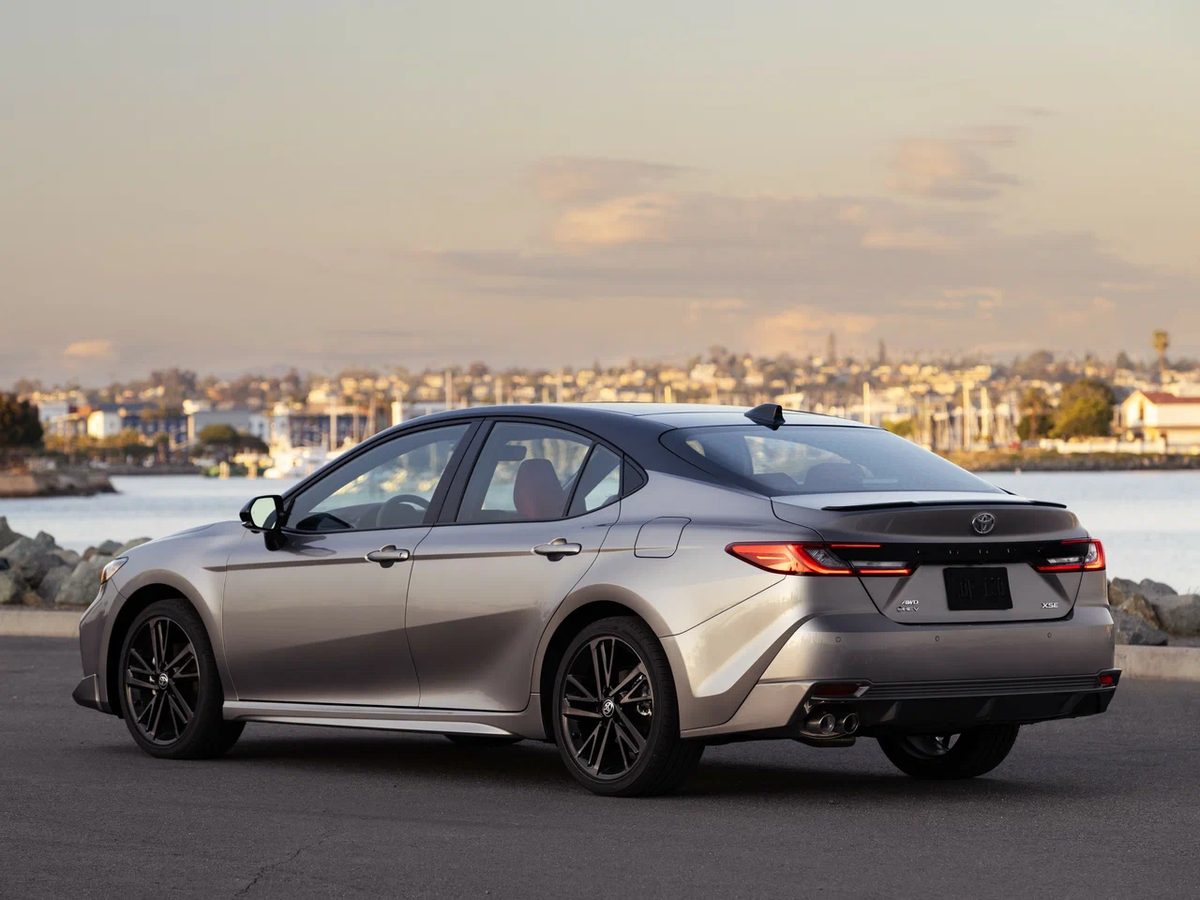
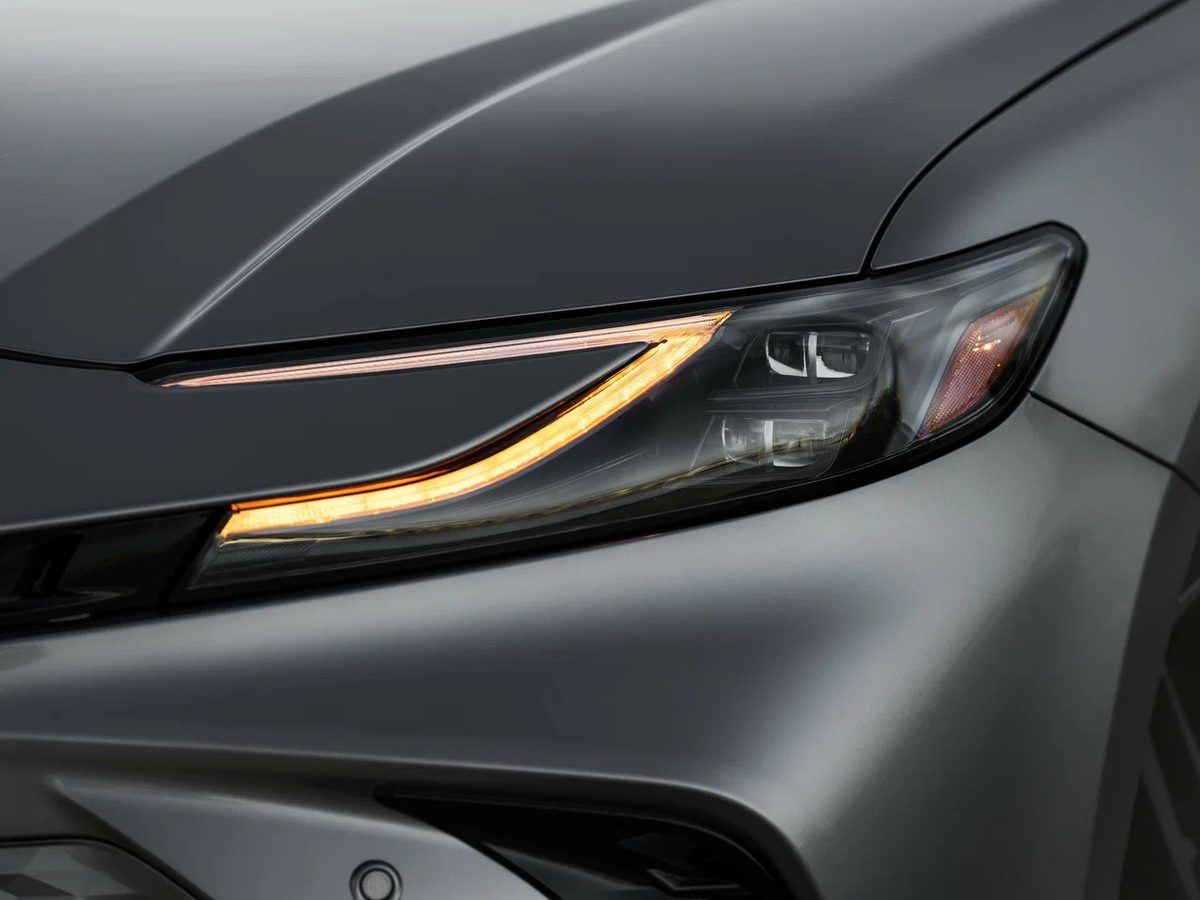
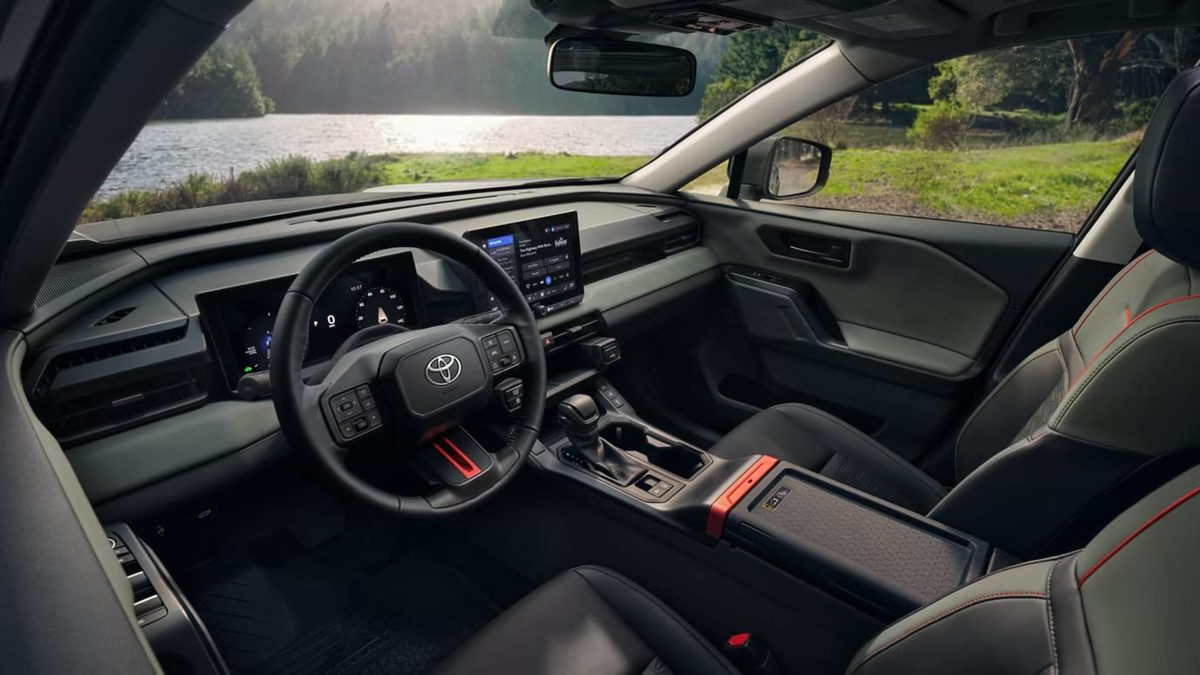
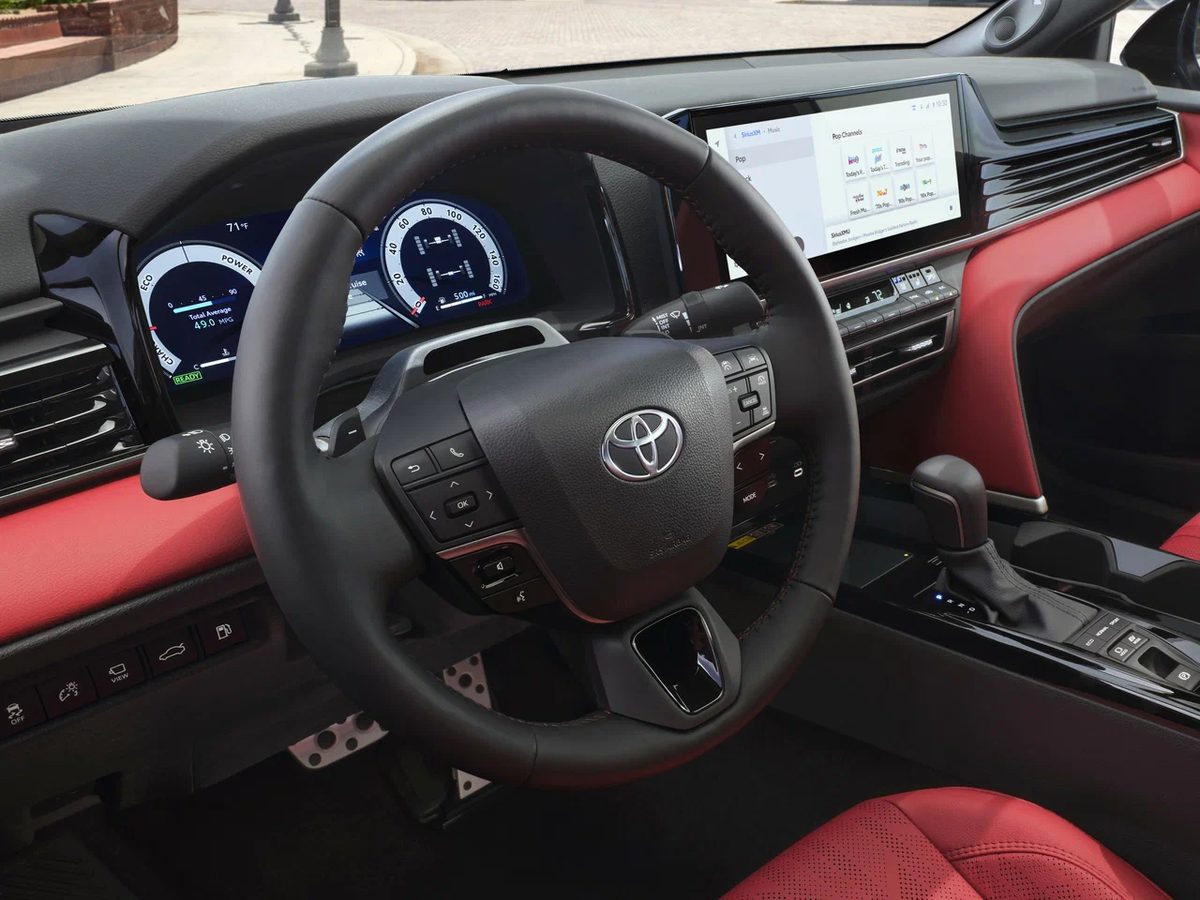
That split lines up with the brand result. Toyota’s US volume is heavily hybrid: the Camry is sold there as a hybrid only, and the RAV4 range leans the same way. The brand at the top of the table and the powertrain at the top of the table are largely the same cars.
One caveat on what the number means. ACSI measures what owners report about their own cars, not durability testing, so a score is a verdict on the ownership experience rather than a fault count.