 Sweden
Volvo Cars reported a third-quarter 2026 operating loss of SEK 5.6 billion, against a profit of SEK 6.4 billion in the same quarter of 2025. Revenue was SEK 66.9 billion, down from SEK 86.4 billion, a fall of about 23%. The company will cut roughly 2,500 jobs worldwide, 2,000 of them in Sweden, and aims to save a further SEK 5 billion.
The quarter in numbers
The EBIT margin was -8.4%, against 7.4% a year earlier. Volvo also reports a measure that excludes its share of joint-venture income and items affecting comparability: SEK -3.7 billion, a margin of -5.6%. The two are different measures, and the SEK 5.6 billion loss and the 5.6% margin are not the same figure. Free cash flow was SEK -8.9 billion. The headline loss also carries SEK 1.1 billion from a negative revaluation of US CAFE credits after legislation changes, and SEK 0.9 billion for Polestar’s Q2 losses.
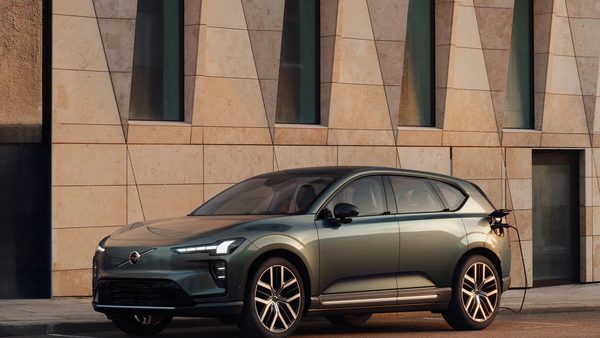
Volvo points to China and the US. Revenue in China fell by almost 50% year on year, which Volvo attributes to hypercompetition from new Chinese brands and severe pricing pressure. In the US, tariffs and the removal of consumer incentives for electrified cars pressured margins. Europe held up better: fully electric cars were 45% of Volvo’s European sales in the quarter, and 32% of global sales, up from 22% a year earlier. Volvo says the EX60 has over 50,000 European orders, though production is ramping up more slowly than planned because of new cell-to-body technology.
The cuts
The 2,500 jobs will go through ending consultant contracts, natural attrition and targeted exit packages. The additional SEK 5 billion comes from indirect spend and variable costs, on top of earlier programmes; Volvo says its indirect spend will be almost 25% below its 2024 level once the full effect arrives by the end of 2027. It also plans to concentrate production on five dedicated Volvo plants and is exploring multi-brand assembly with Geely at Chengdu and Ghent. Separately, Volvo says it is adapting its blue-collar workforce to current volumes through existing flexibility.
Products to follow
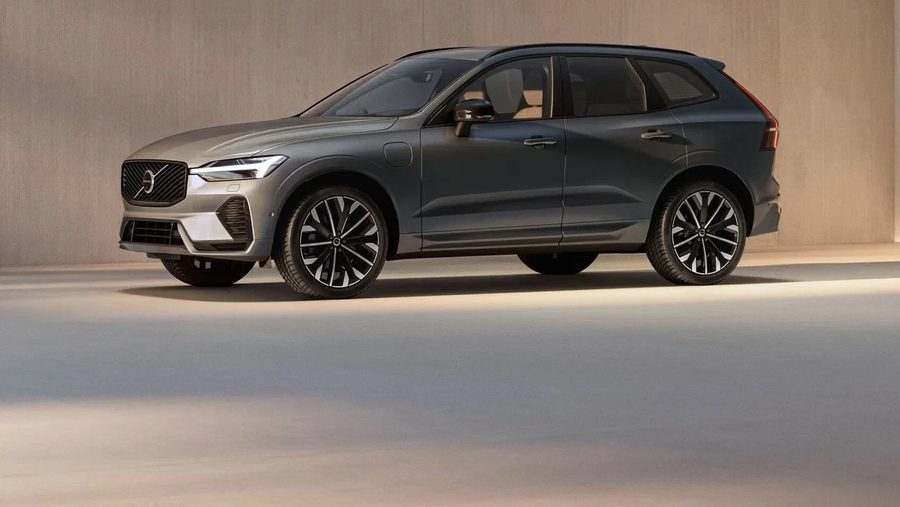
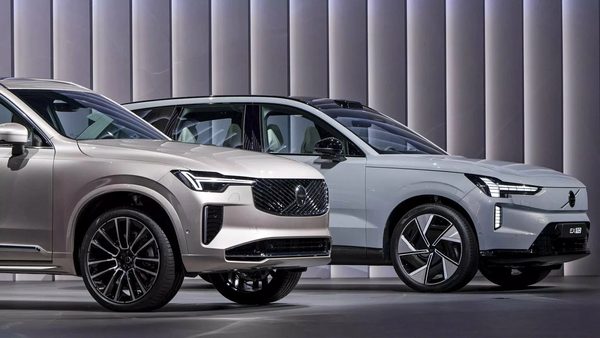
Volvo’s 13 new cars by 2030 remain the plan. Three will be revealed in 2027: one for Europe and two China-specific models developed with Geely, the first two of six China-tailored cars. Production of the XC60 is due to start in Charleston in the first quarter of 2027, and the long-range plug-in hybrid XC90 and XC60 are being fast-tracked, with European deliveries starting this year. Volvo had already withdrawn its 2026 outlook on 2 October.