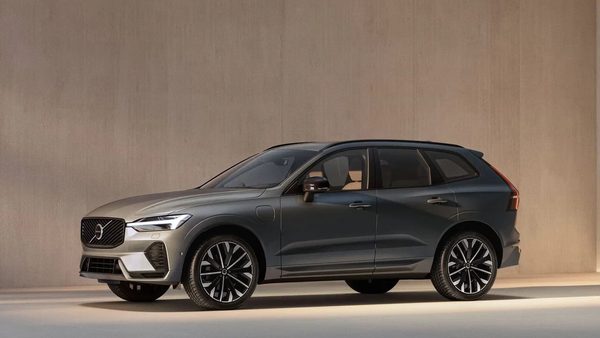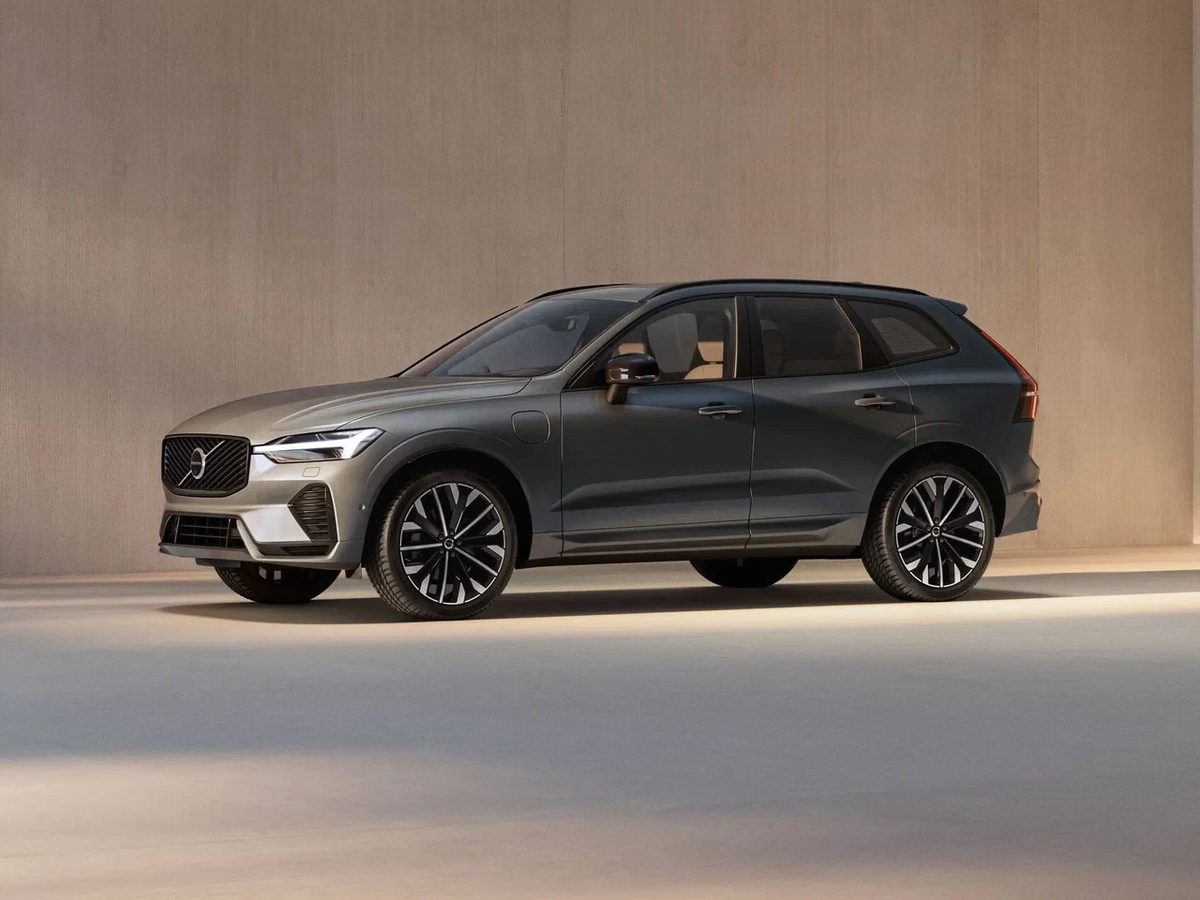
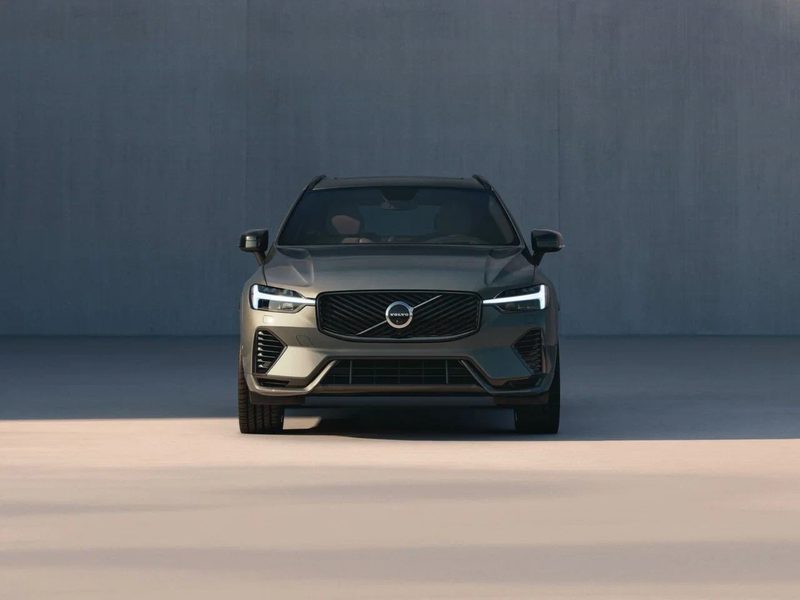
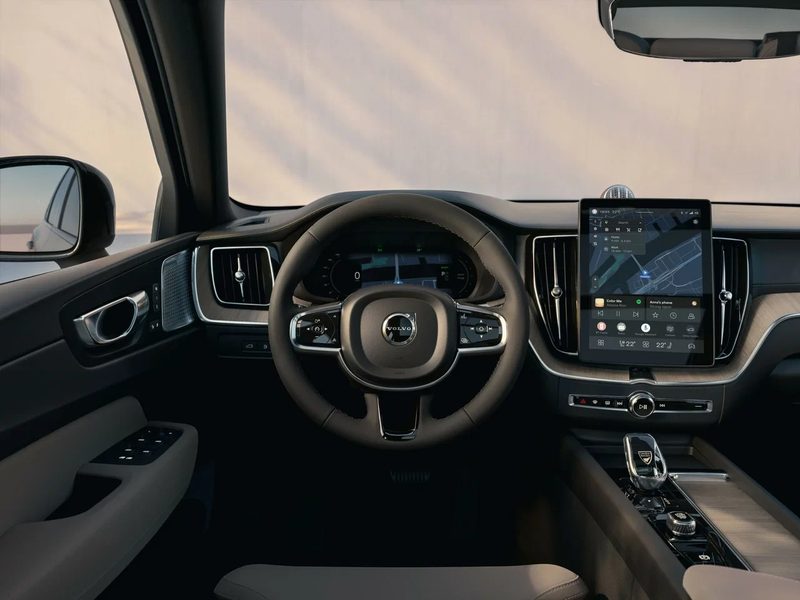
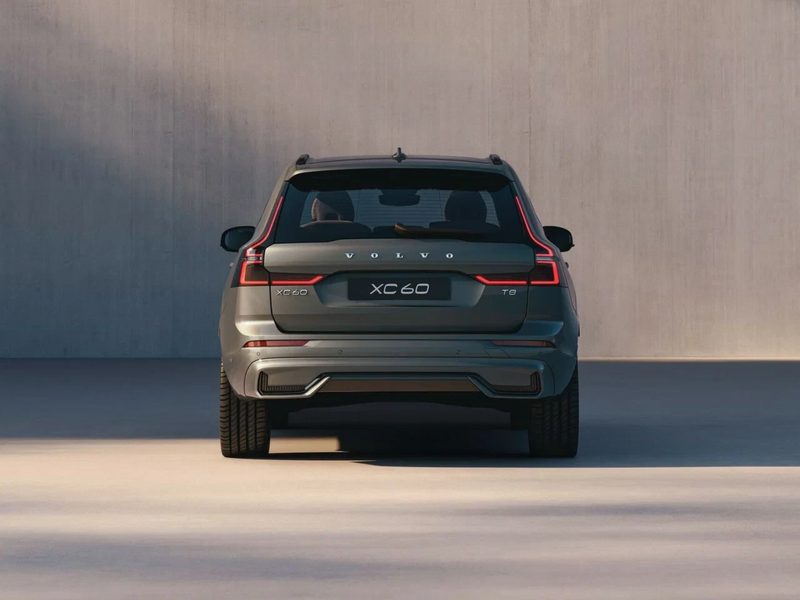
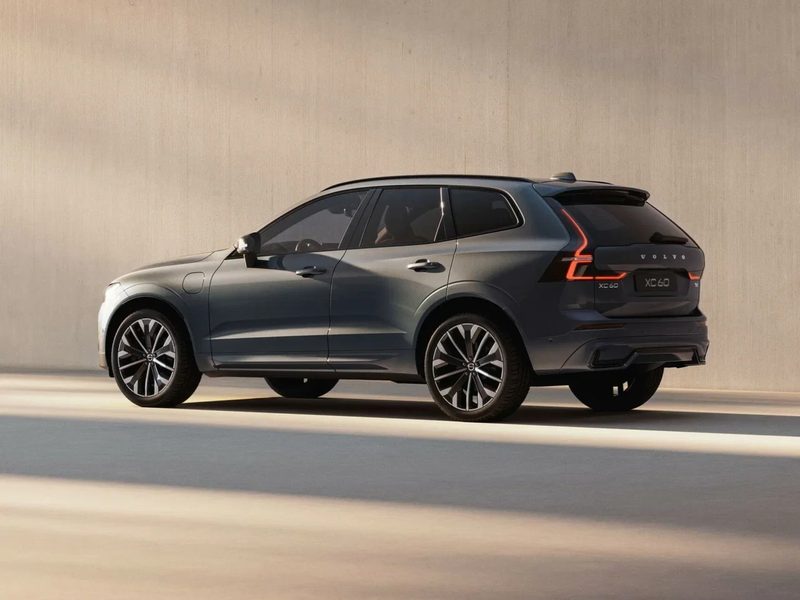
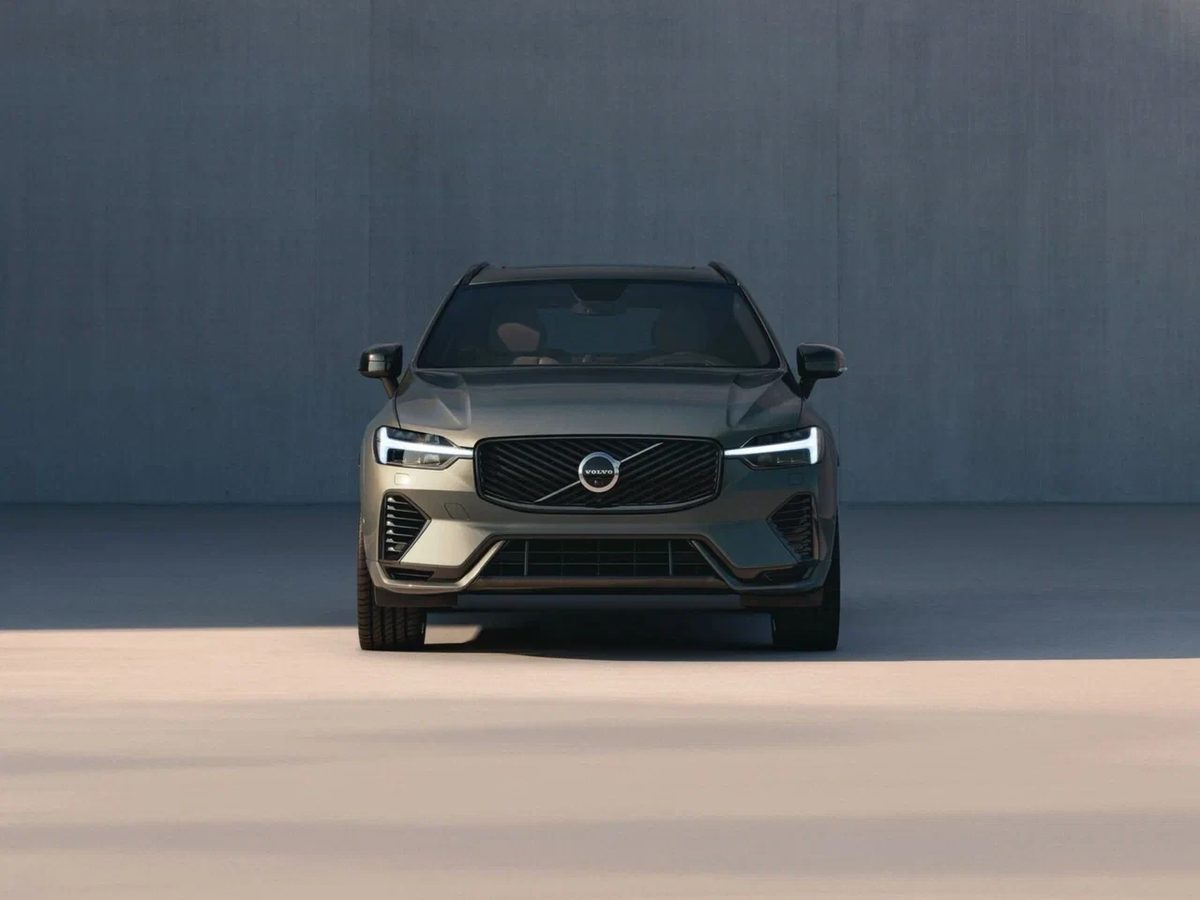
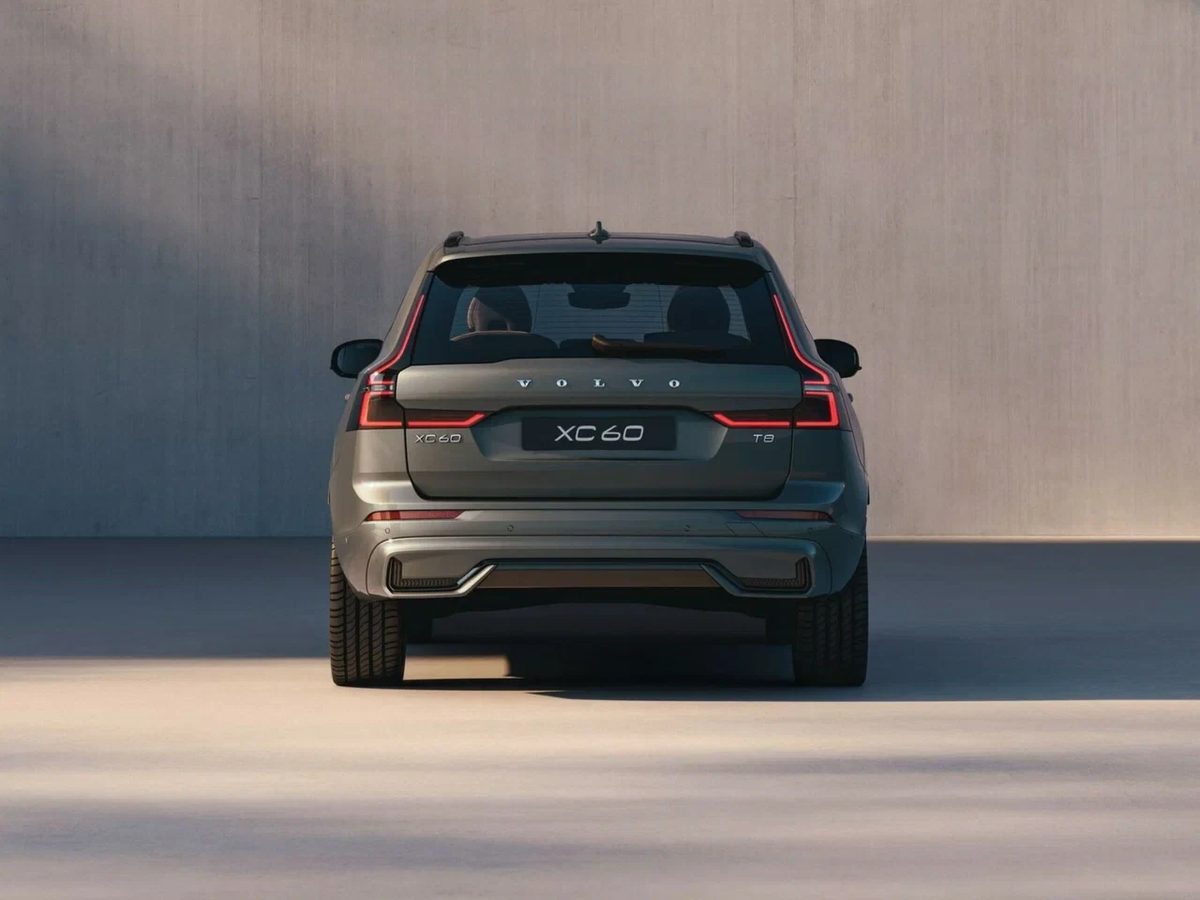
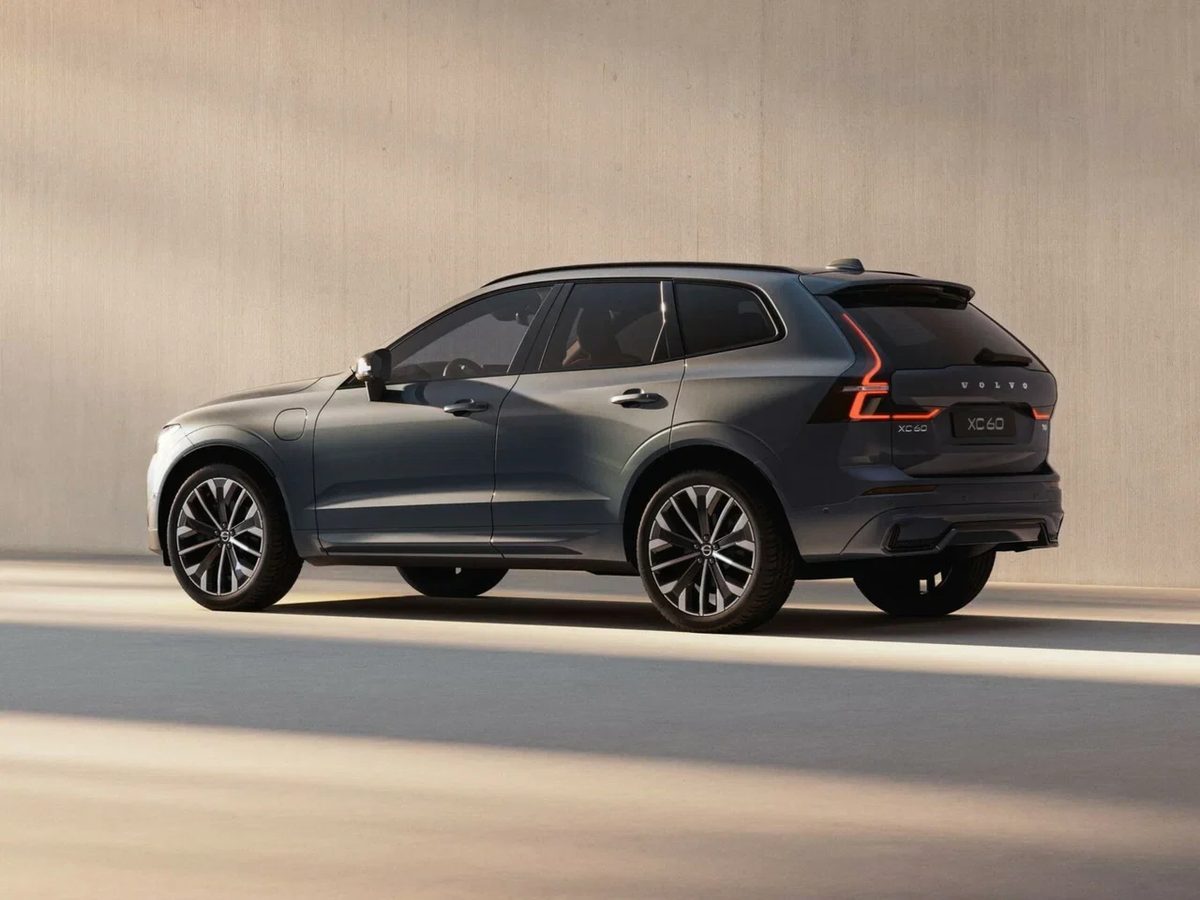
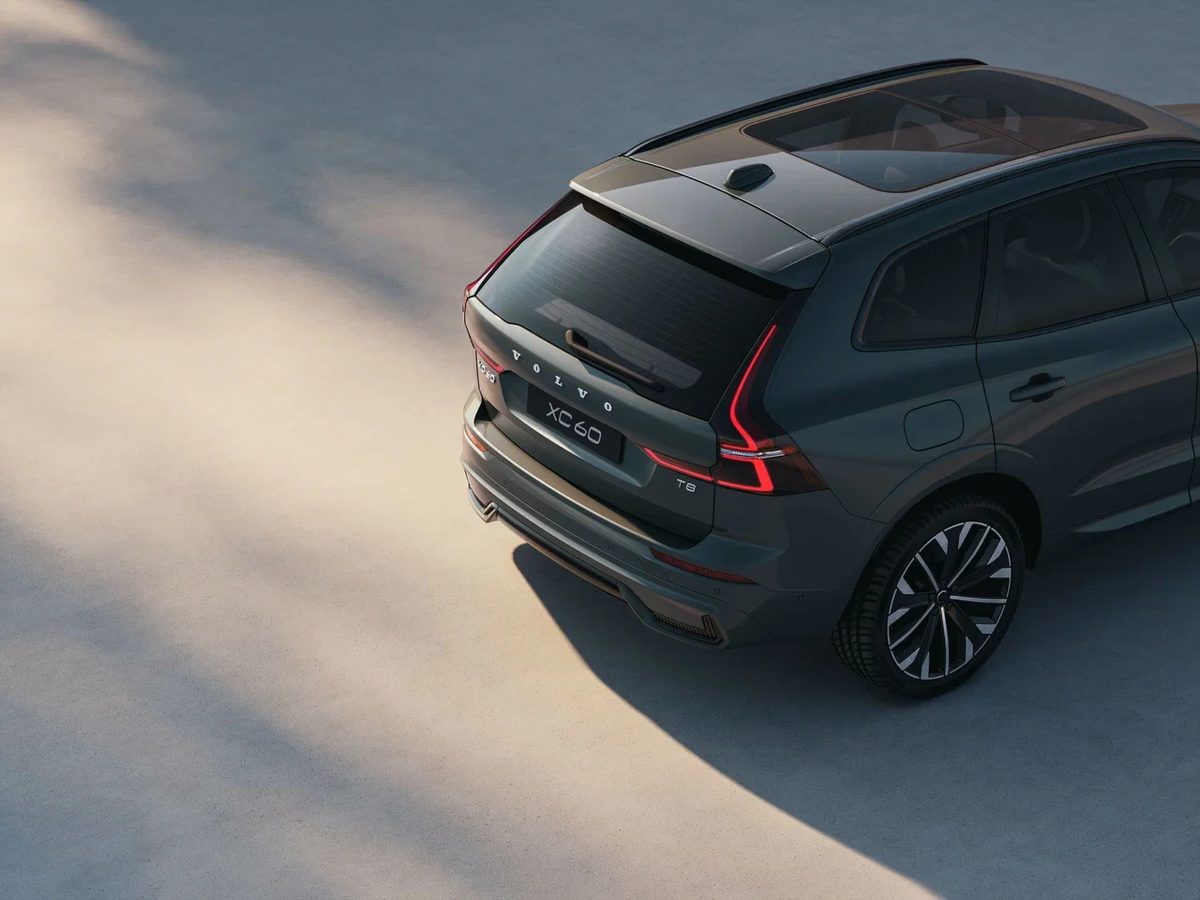
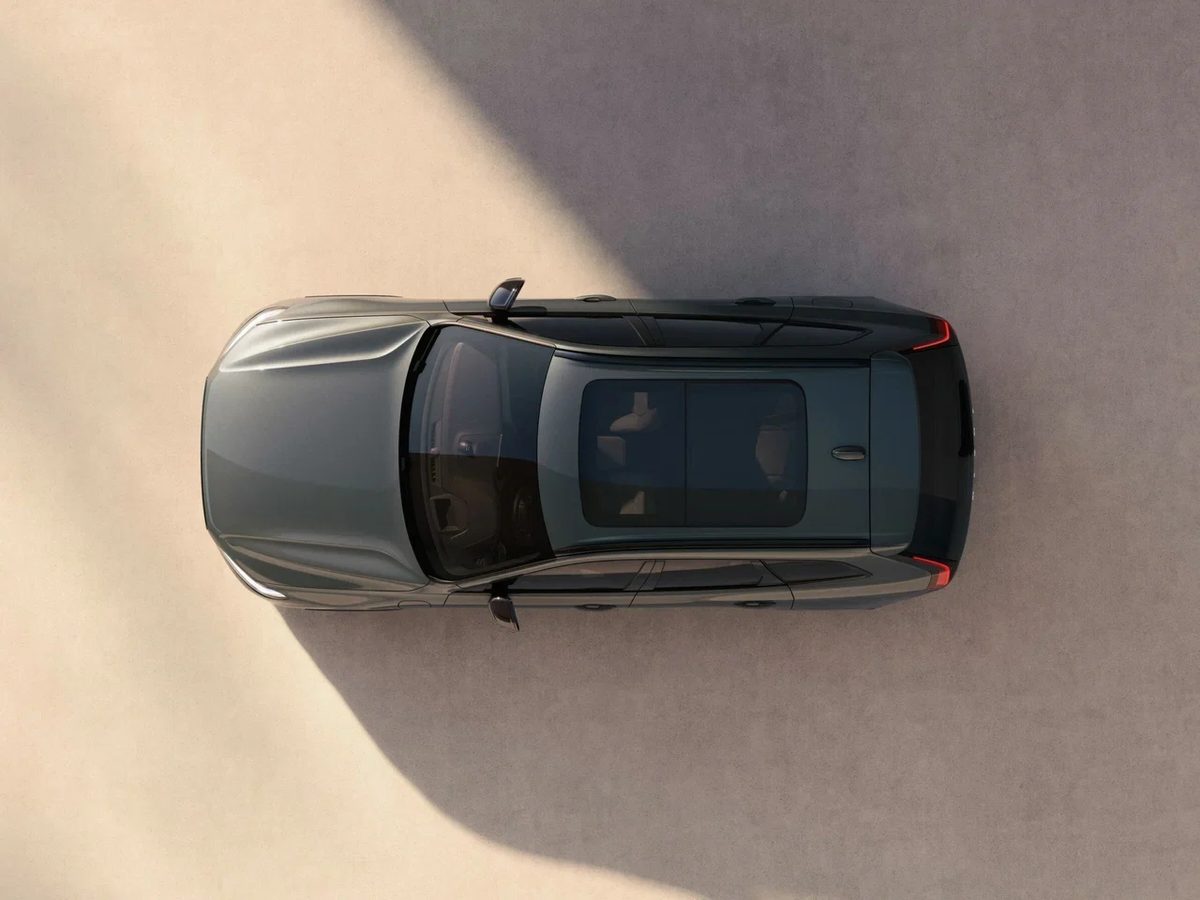
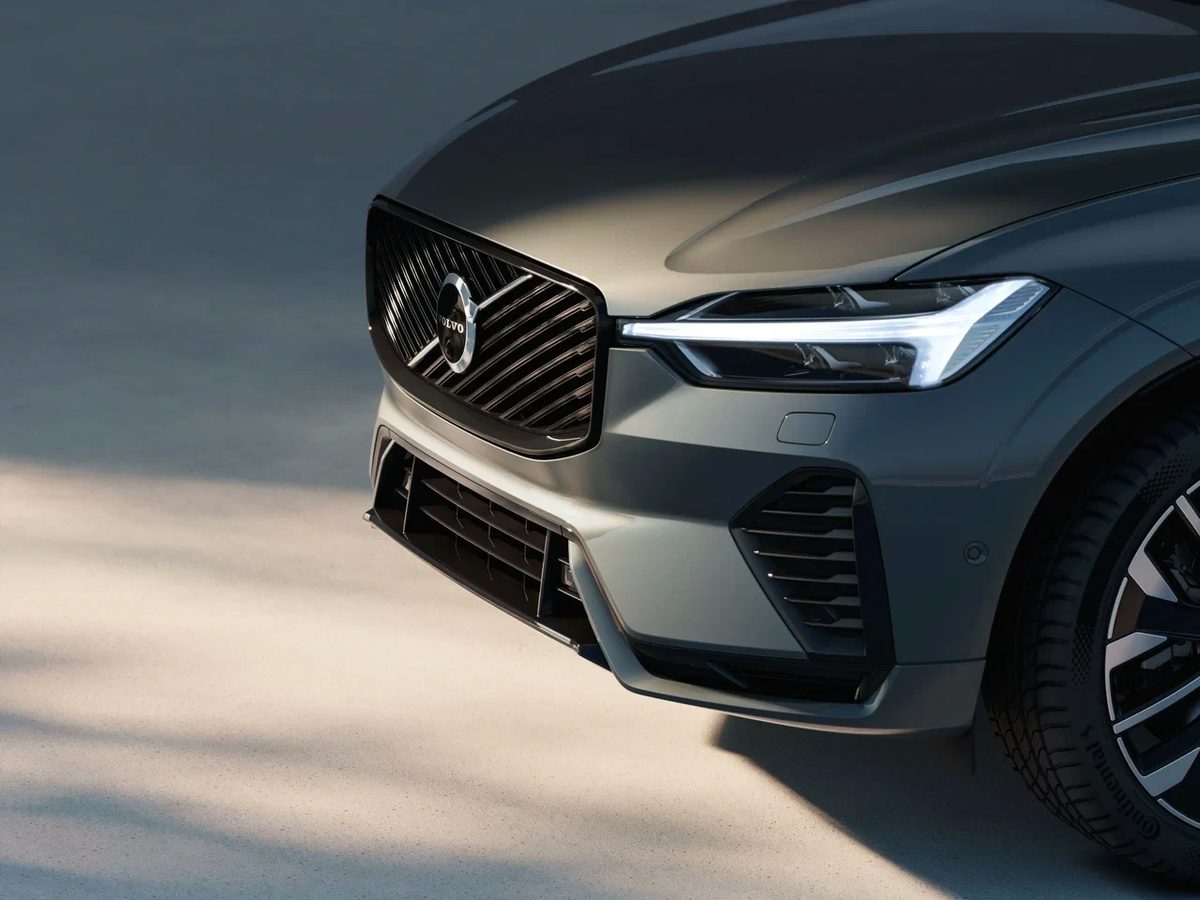
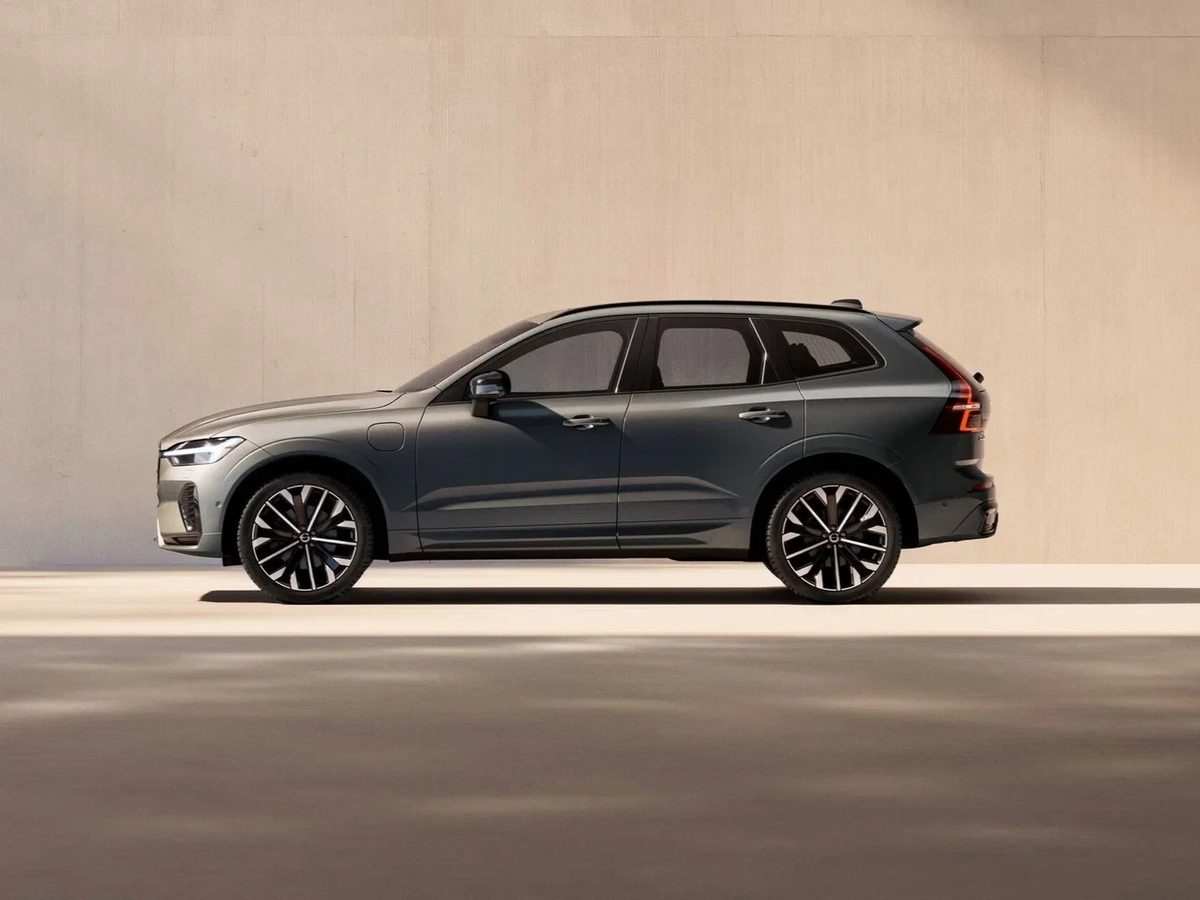
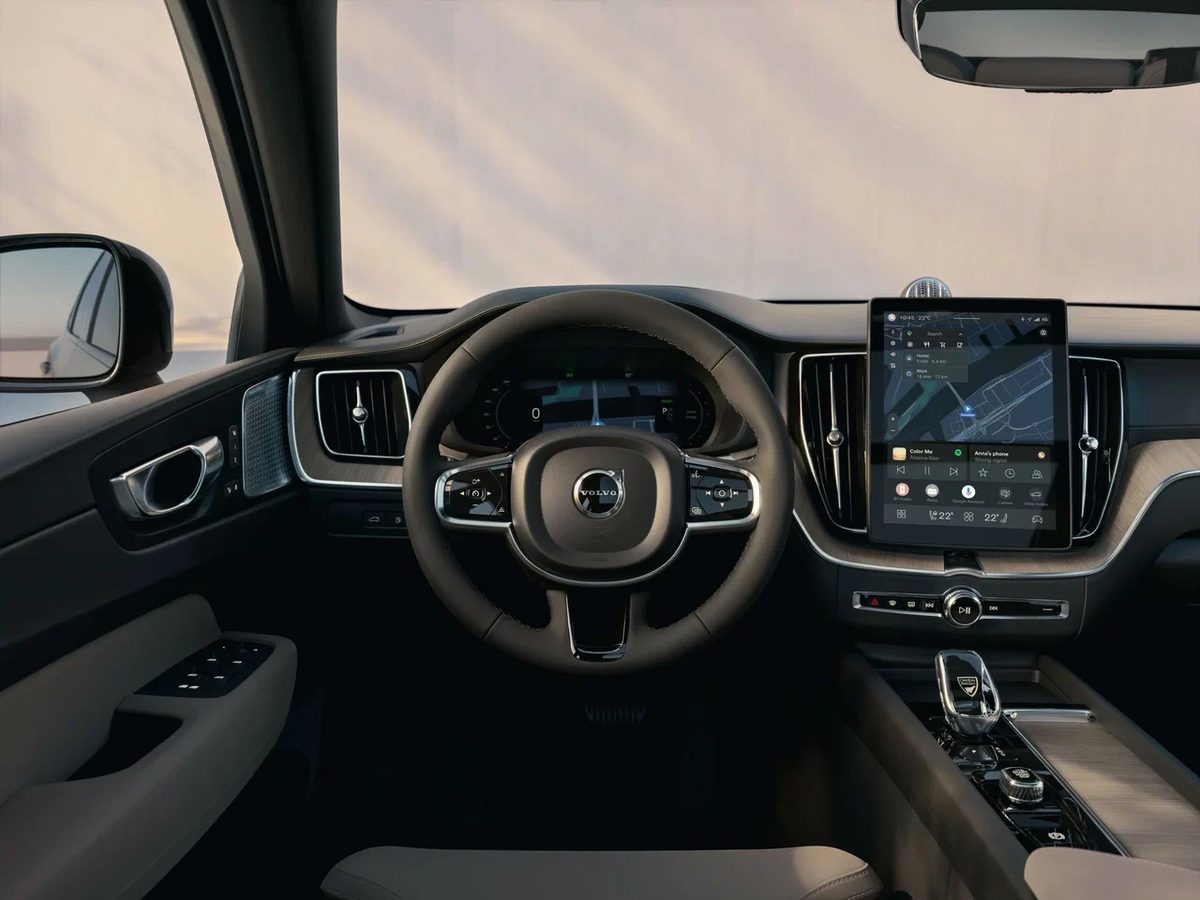
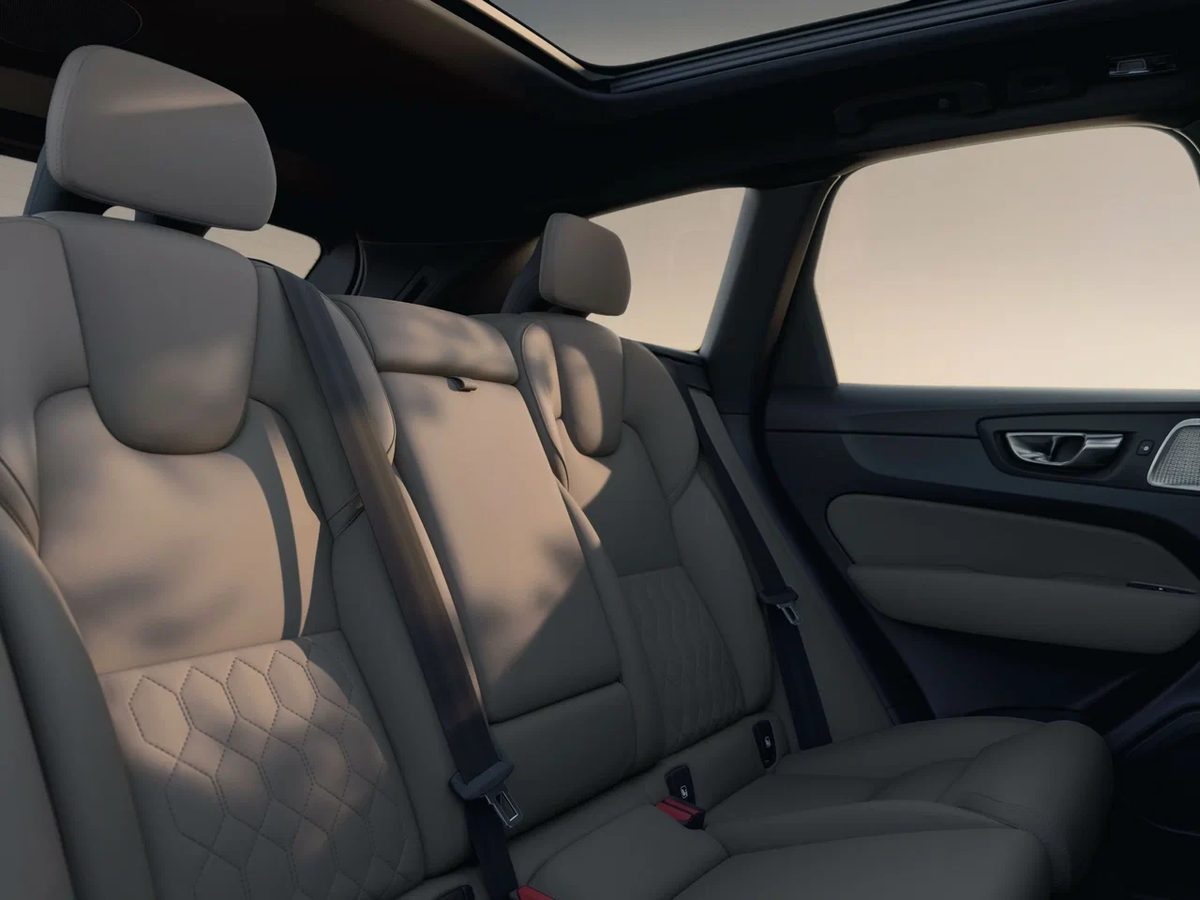
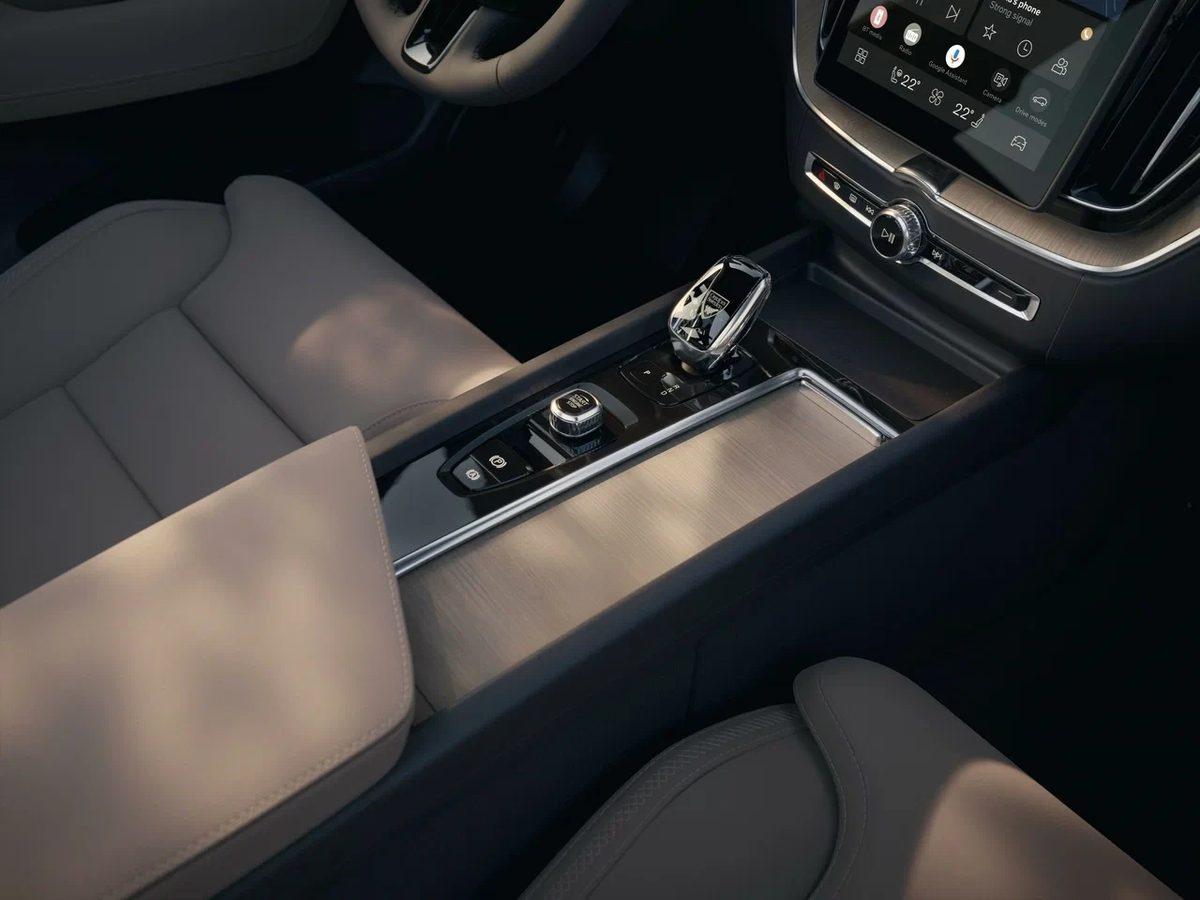
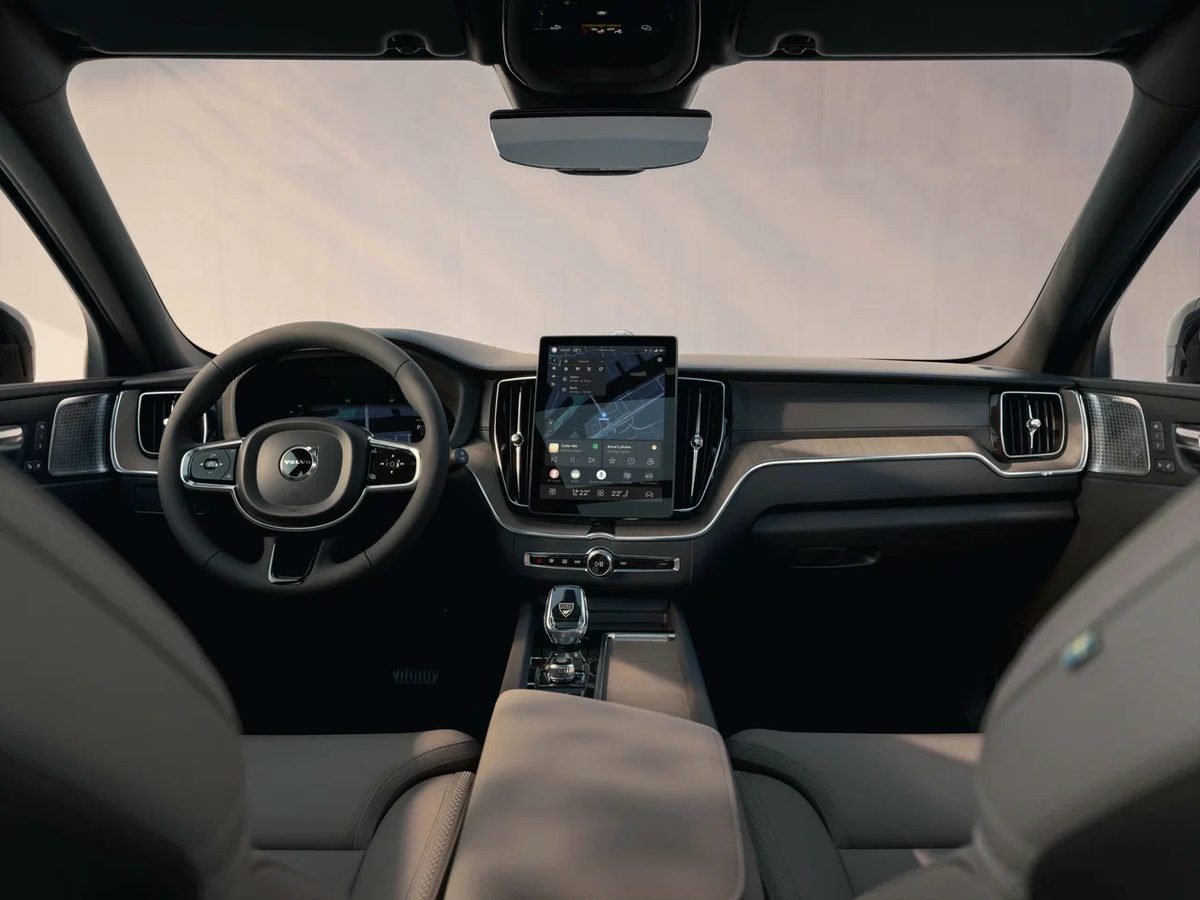
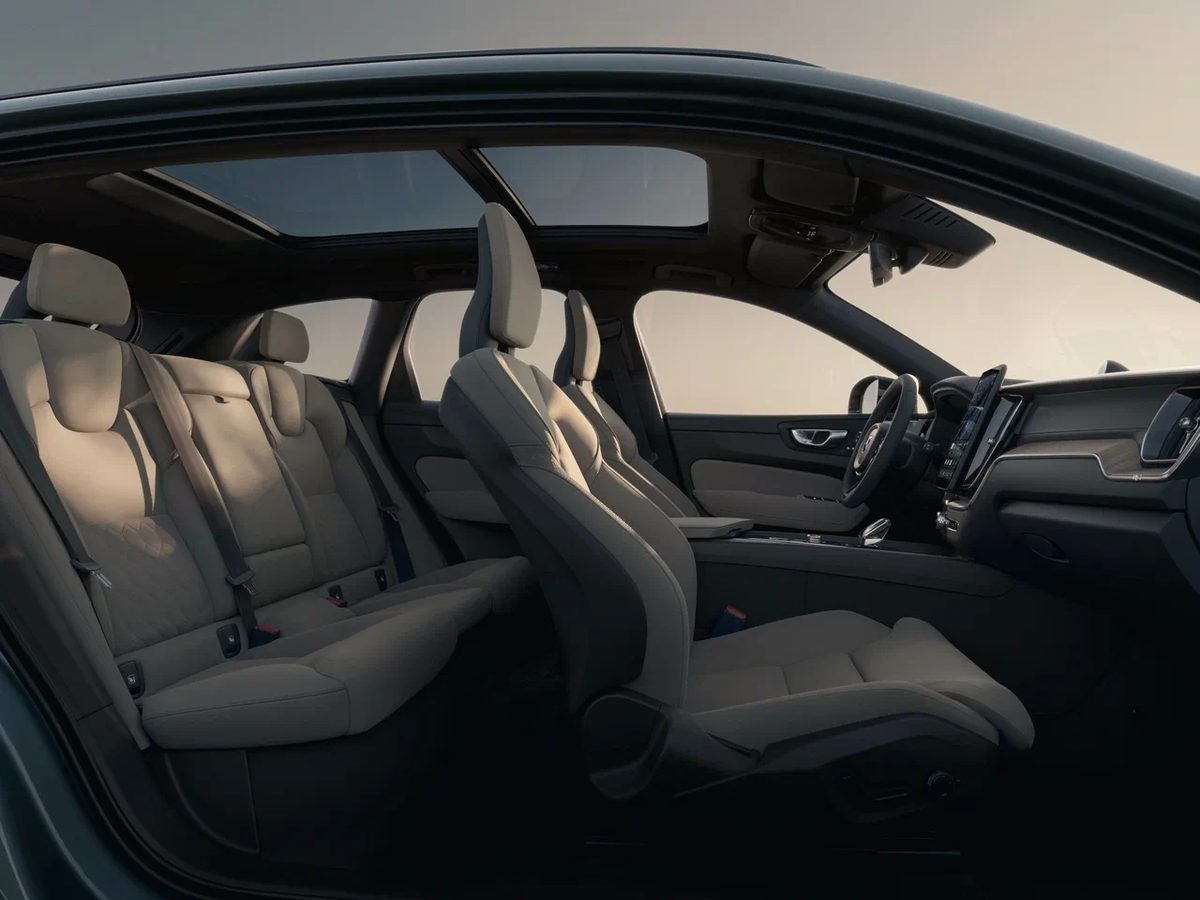
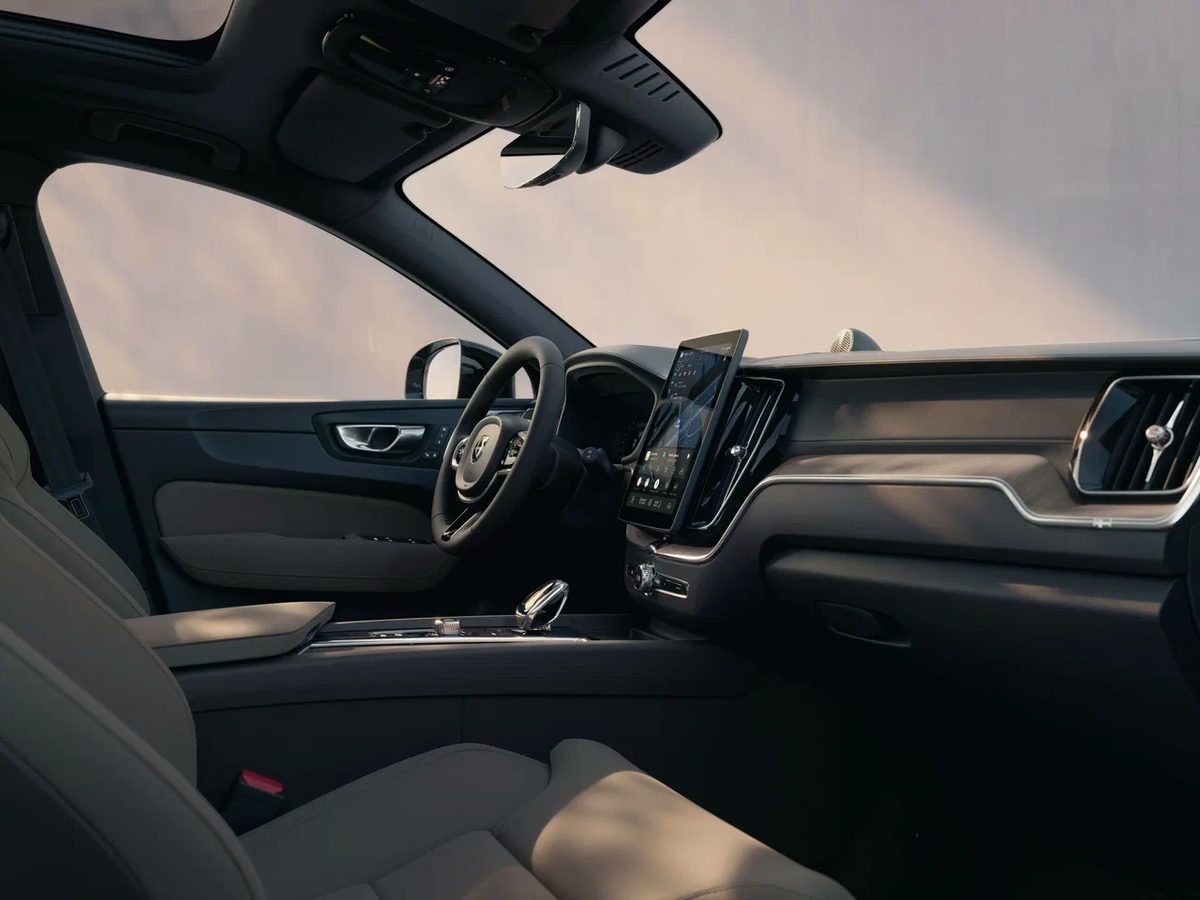
The Volvo XC60 is a midsize SUV and, for most of its life, Volvo’s best-selling model worldwide. The second generation arrived in 2017 on the SPA platform shared with the XC90 and the S90, and it was updated again for the 2026 model year. It measures 4,708 mm long on a 2,865 mm wheelbase, with all-wheel drive and an eight-speed automatic across the whole range.
Every version uses the same 2.0-litre four-cylinder petrol engine, differing in how much electrification is bolted to it. The B5 is a 48V mild hybrid making 247 hp and 360 Nm, reaching 100 km/h in 6.9 seconds; its electrical system smooths the stop-start and recovers braking energy but cannot move the car on its own. Above it sit two plug-in hybrids, the T6 at 345 hp and the T8 at 449 hp, quoted by Volvo in metric as 350 PS and 455 PS. Both add an electric motor on the rear axle and an 18.8 kWh battery, and both are quicker than the badge suggests: 5.7 seconds for the T6, 4.9 for the T8.
Because the two plug-in hybrids share a battery, they share an electric range: about 82 km (51 miles) on the WLTP cycle for the T6, and a little under that for the heavier, harder-driven T8. That is enough to cover a typical commute without the engine starting, which is the case for buying one; there is no rapid charging, so the pack refills from a wallbox overnight.
UK list prices, including VAT but before delivery and registration, open at 47,595 pounds for the B5, 55,795 pounds for the T6 and 69,895 pounds for the T8, which comes only in top Ultra trim. Volvo UK’s on-the-road price for the B5, with those costs added, starts at 49,860 pounds. European cars are built at Torslanda in Gothenburg, with additional production at Chengdu in China and US assembly announced for late 2026.
In September 2026 Volvo announced a long-range plug-in hybrid XC60 with a 41.2 kWh battery, 37.9 kWh of it usable, and a 130 kW electric motor. It is rated at up to 200 km on the WLTP cycle, about two and a half times the current T6 and T8. The battery moves into the floor of the car, and the refresh brings a restyled front and rear, new wheels and Google Gemini. Production starts in autumn 2026 with deliveries from early 2027; in the United States it is a 2028 model-year car, built at Charleston, South Carolina.