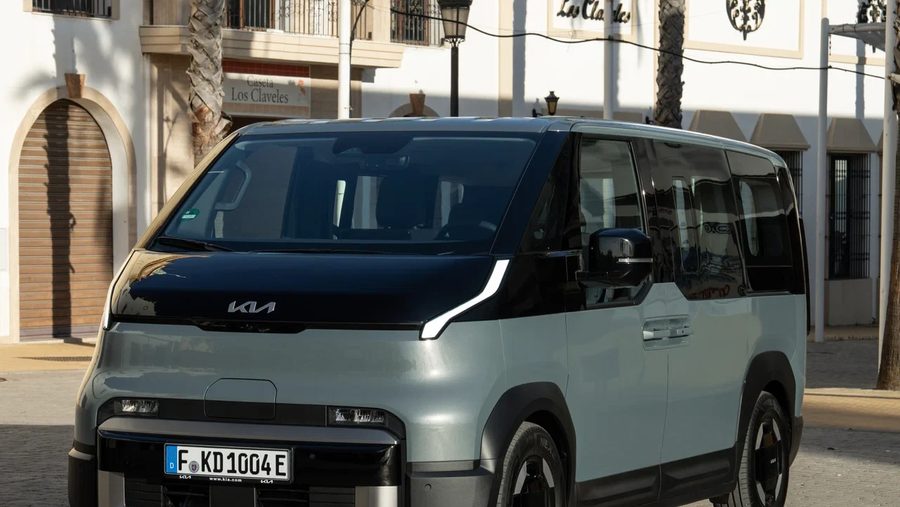
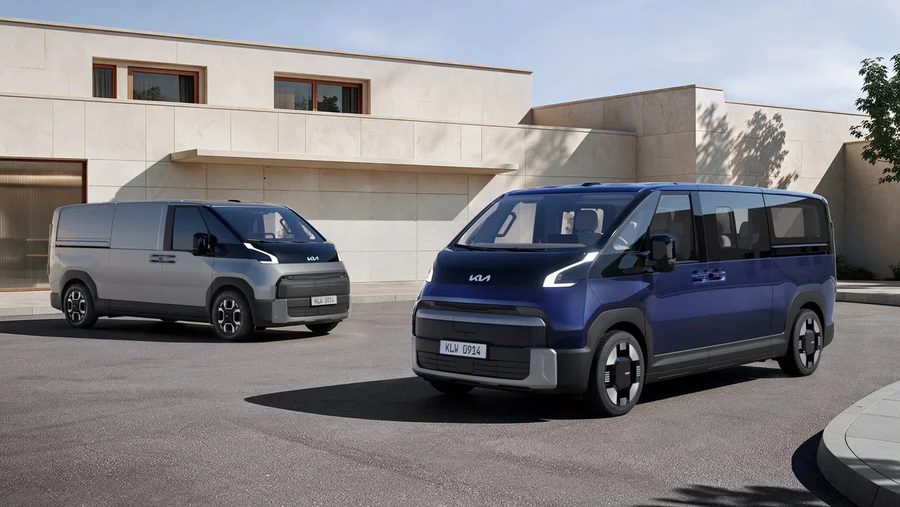
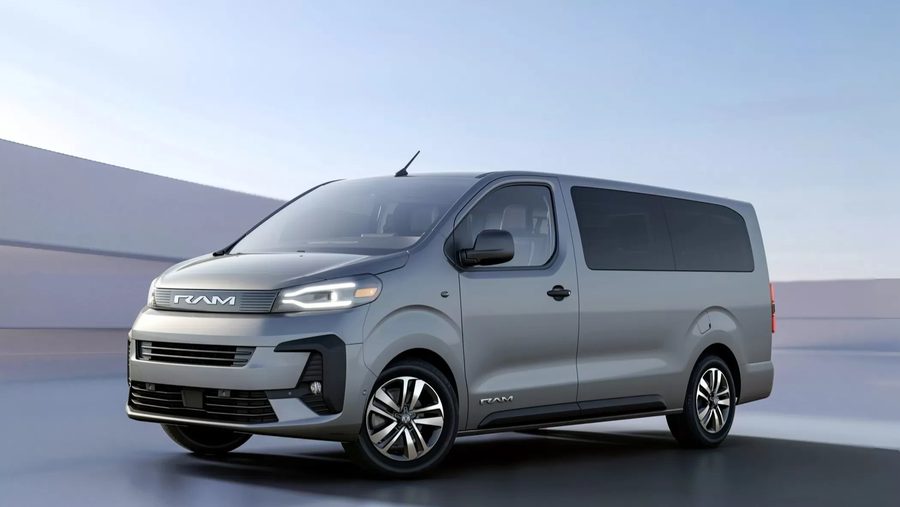
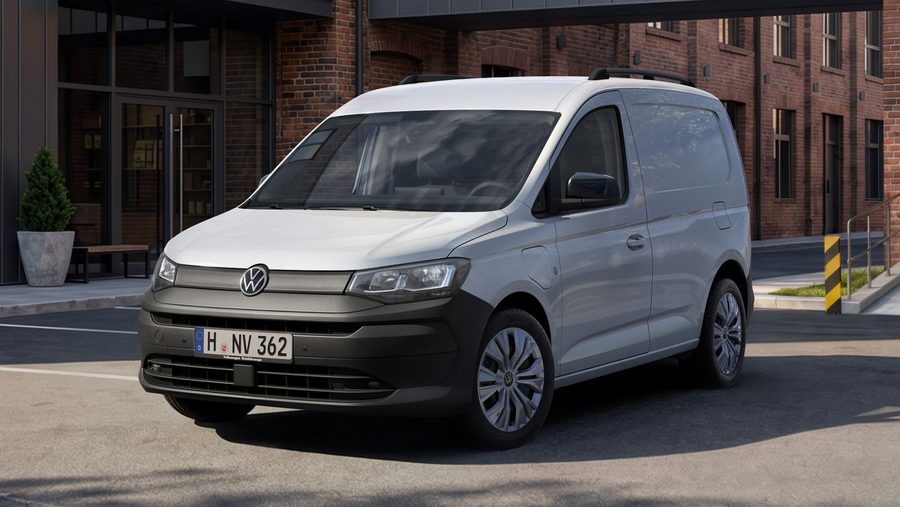
A van is drawn backwards from the box. Load floor as low as the driveline allows, walls vertical rather than tapered, a rear opening squared off to the corners, and a roof high enough that the operator does not have to kneel. Every other decision, including where the driver sits and how the suspension is rated, comes after that. Read a van’s spec sheet and the numbers that carry weight are cubic metres, payload in kilograms and the width between the wheel arches, which is what determines whether a standard pallet goes in.
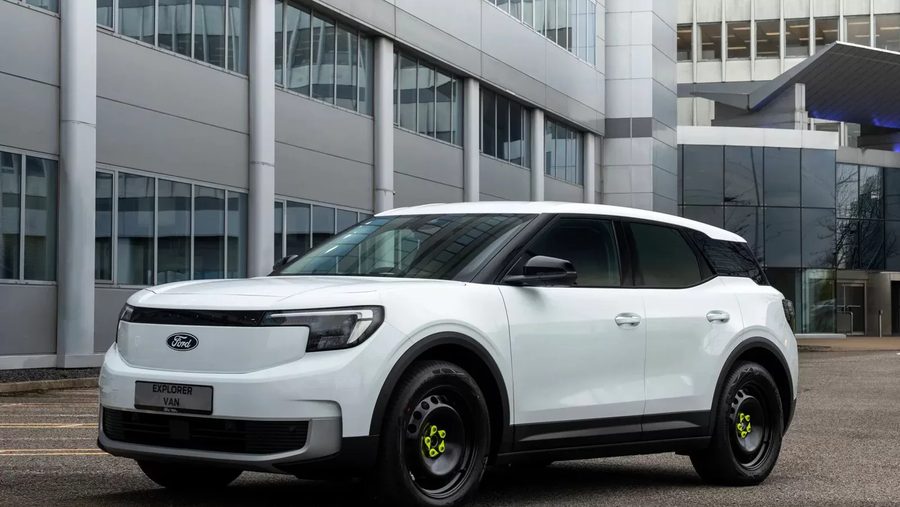
The class runs from car-sized to nearly seven metres, and most models are sold in several lengths and roof heights off one platform. The Volkswagen Caddy is the small end, sharing its underpinnings with the group’s passenger cars, and the Ford Explorer Van is the electric version of the same idea. Depot-charged urban delivery work suits a battery better than almost any private use case does, since the routes are fixed, the daily distance is known in advance and the vehicle sits still overnight where the charger is. Passenger versions of these bodies are also common, particularly as shuttles and taxis, and they are a different vehicle from the car-based minivan despite the resemblance.