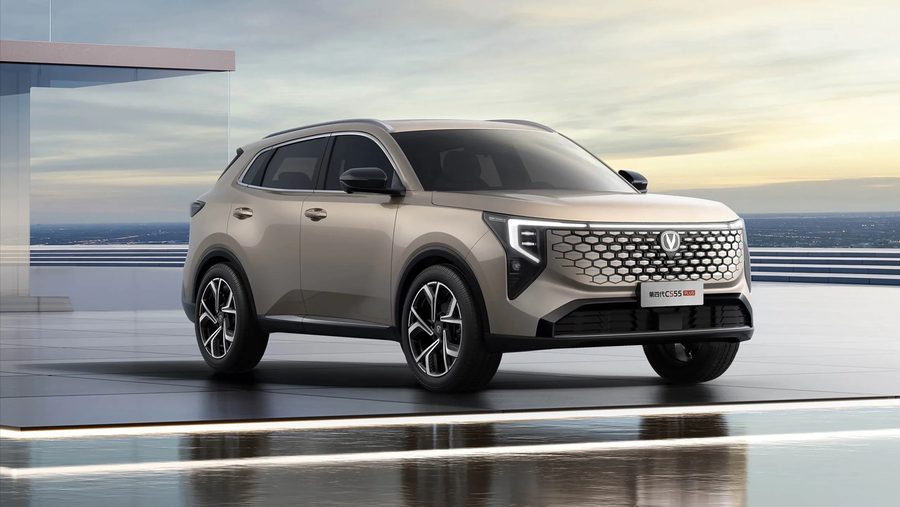
The Changan CS55 Plus is a compact SUV powered by a 1.5-litre turbocharged Blue Whale engine producing 141 kW (192 hp), paired with a 7-speed dual-clutch transmission. It is exported to over 50 countries, sold under local badges including the Changan UNI-S in the Middle East.
Changan
Central state-owned automaker headquartered in Chongqing, building vehicles since 1959. Sells combustion, hybrid, and electric models under its core Changan brand, with the Avatr and Deepal marques covering its premium and EV/EREV lineups.
Changan models
News about Changan
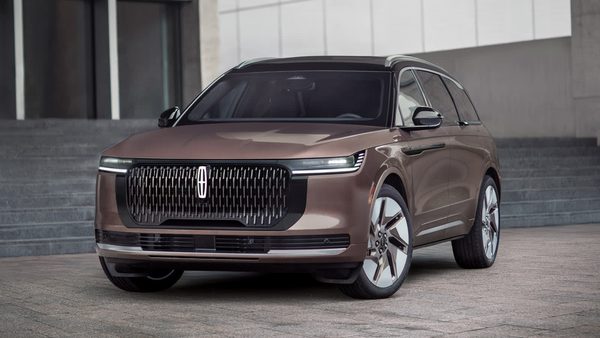
The 2027 Lincoln Nautilus gets a wider grille, a redesigned hood, slimmer tail lights and three new cabin themes, with the 250 hp 2.0T and the 285 hp hybrid carried over unchanged. It arrives at US dealers in early 2027, still built in China, and still under a 52.5% import duty Ford has said it will stop paying by 2030.
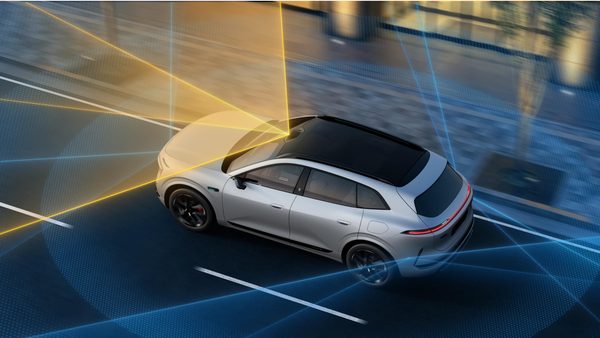
Avatr launched the 07L, a five-seat electric SUV, in China on 8 August at 229,900 yuan ($32,380). An 89.33 kWh CATL Shenxing pack claims up to 725 km CLTC, and Huawei's ADS 5 driver assistance is standard, fed by a roof-mounted 896-channel lidar Avatr says resolves a 14 cm object at 120 m.
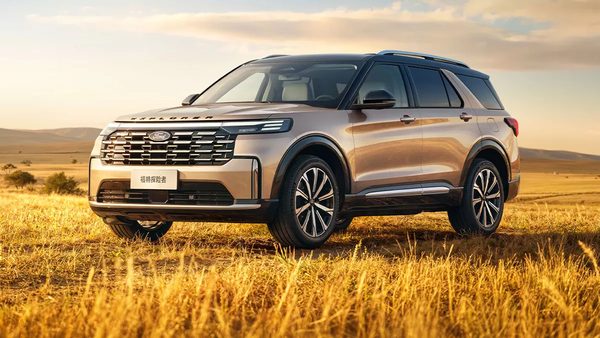
Ford started sales of the updated China-market Explorer, a gasoline SUV built by the Changan Ford joint venture, with a new front end, revised interior, and a starting price cut to ¥309,800 (about $45,650).
Explainers
The Volkswagens sold in China are built by two companies, and one of them is Chinese. That arrangement started in 1983 as a condition of entry, and it has since produced badges that exist nowhere else: Jetta, Wuling, and AUDI in block capitals with no rings. Who holds which half, which brands the ventures invented for themselves, and which of the old partnerships have quietly ended.
Aion is GAC, Jaecoo and Omoda are Chery, Deepal is Changan, Nammi is Dongfeng. Ten Chinese brands whose names do not carry the parent company, grouped by how each one relates to its owner: brands sold only outside China, recent badges on long-established state groups, brands two levels below the group, and one that Huawei supplies but does not own.
China's car market runs on a handful of giant groups, each fielding a stack of brands. Here is who owns what - the parent companies, the sub-brands, the Huawei alliance, and why the chart keeps changing.
Changan is a central government-owned automaker headquartered in Chongqing, with roots as a military supply factory that began building vehicles in 1959. It was reorganized as an independent, centrally administered state enterprise in 2025 and remains one of China’s largest carmakers by volume, alongside long-standing joint ventures with Ford and Mazda.
The core Changan brand spans combustion, hybrid, and electric SUVs, sedans, and MPVs, including the CS55 Plus compact SUV exported to more than 50 countries. Changan’s newer energy strategy runs through two sibling brands: Avatr, a premium EV line developed with CATL and Huawei, and Deepal, a mainstream EV and EREV brand that became independent in 2023.