 China
China
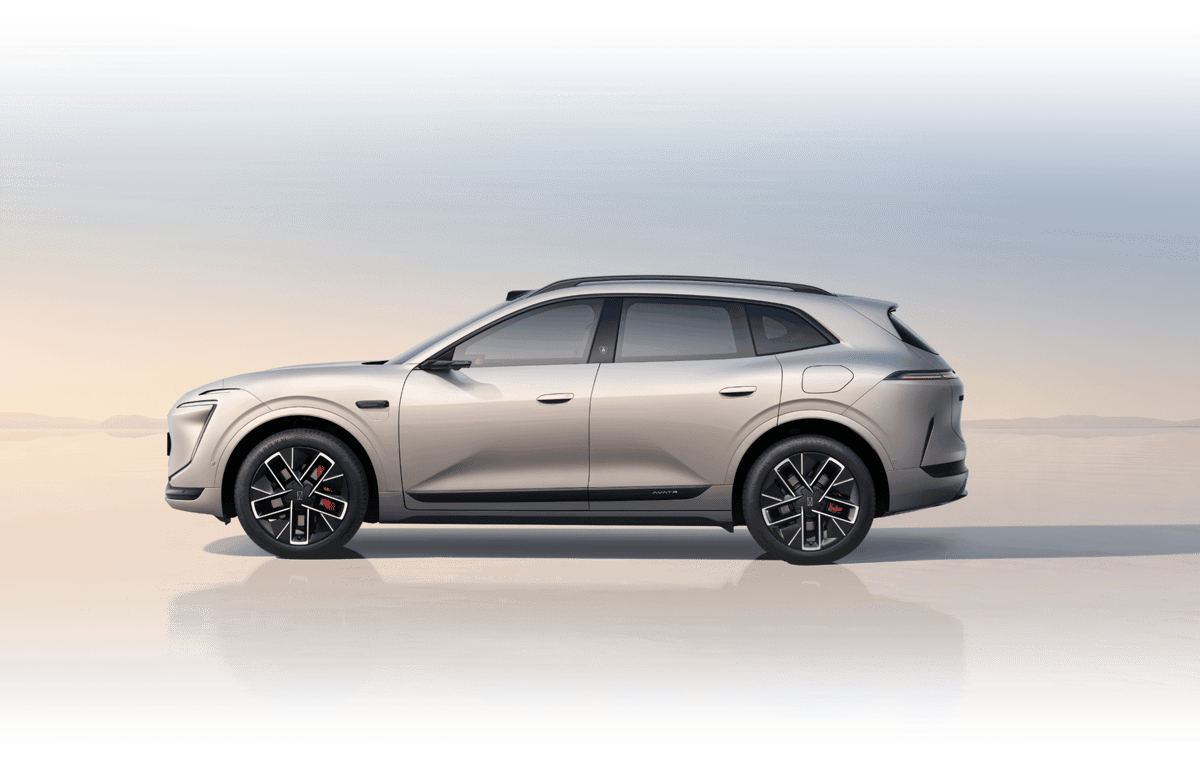
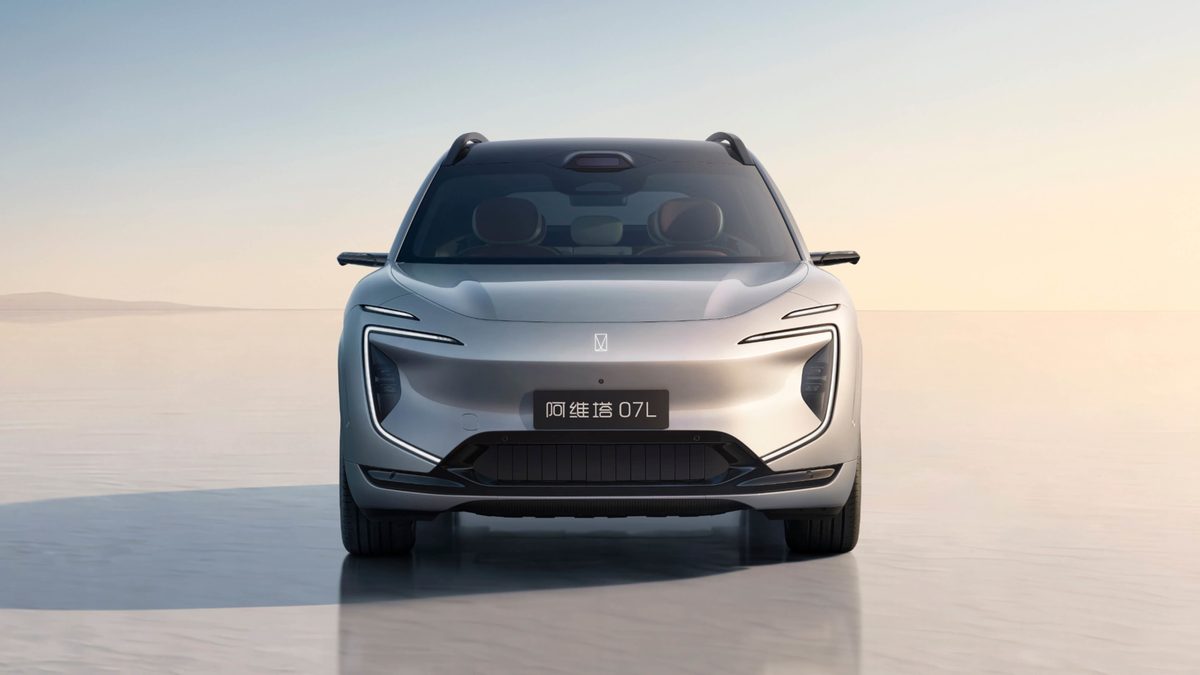
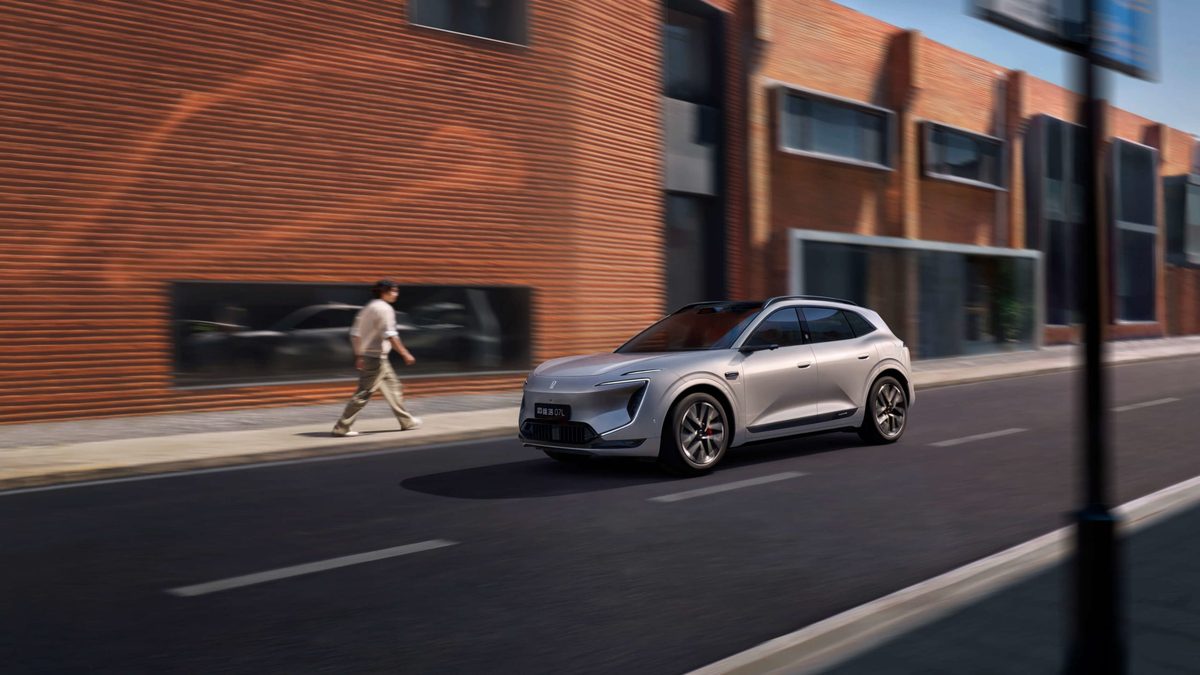
Avatr launched the 07L in China on 8 August, a five-seat electric SUV priced at ¥229,900, ¥249,900 or ¥279,900 across three trims - about $32,380 to $39,470. A limited-time launch price of ¥219,900, ¥239,900 and ¥269,900 is running alongside those figures as a promotion, not the standing price, and it is worth separating the two: most coverage has led with the discounted number.
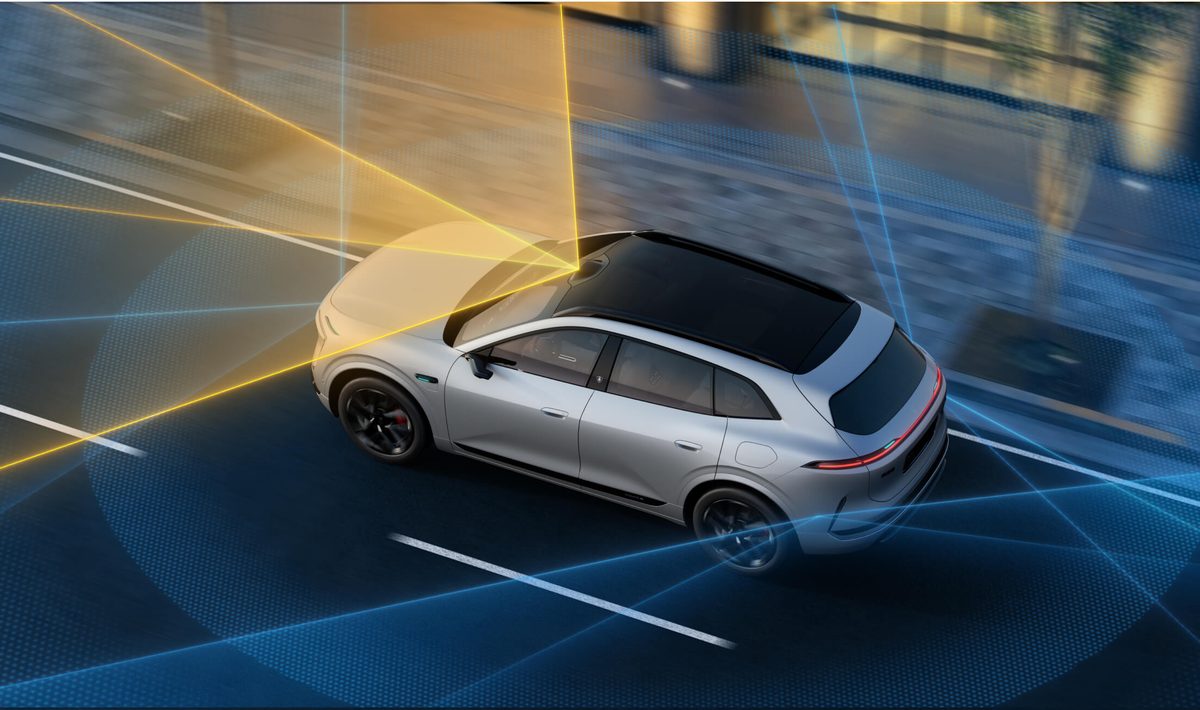
The spec sheet is dominated by one component nobody is fully explaining: a roof-mounted lidar with 896 channels, which Avatr says can resolve an object 14 cm across at a distance of 120 m. A lidar’s channel count is roughly its vertical resolution - more channels means more laser lines scanning the scene per rotation, producing a denser point cloud and finer detail on small or distant objects, which matters most for spotting debris, curbs or a child stepping into a lane. It feeds Huawei’s Qiankun ADS 5 driver-assistance suite, which comes standard on every 07L trim rather than gated to the top of the range, and is a generation ahead of the ADS 4 fitted to Avatr’s earlier cars.
Range comes from an 89.33 kWh CATL Shenxing pack, good for up to 725 km on China’s CLTC cycle. CLTC is measured at lower average speeds than WLTP or EPA testing and consistently returns higher numbers for the same car, so the figure should not be read as a like-for-like range claim outside China.
The 07L slots into the wave of five-seat family electric SUVs Chinese brands are pushing at buyers who might otherwise look at Xiaomi’s YU7, competing on sensor count and driver-assistance tier as much as on price or styling. Avatr is a joint venture between Changan, battery maker CATL and Huawei, with Changan holding the controlling stake and Huawei supplying the car’s software rather than equity.