Announced
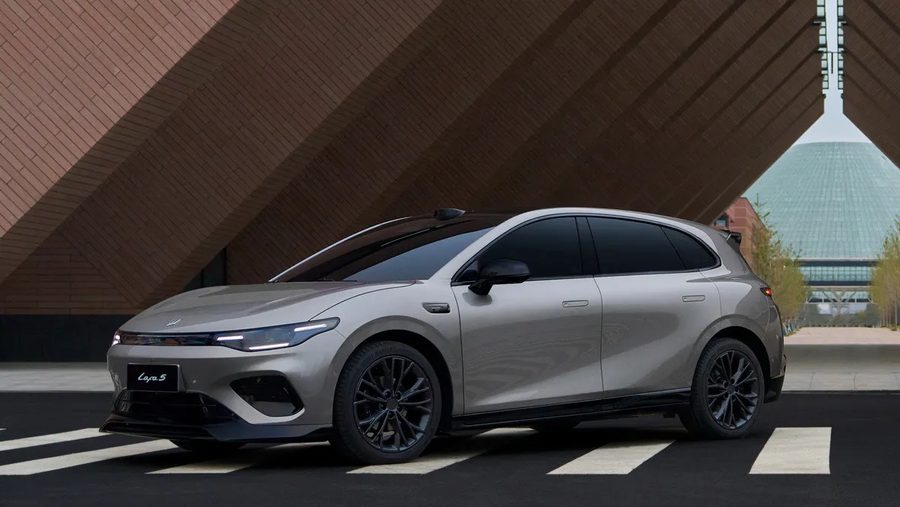
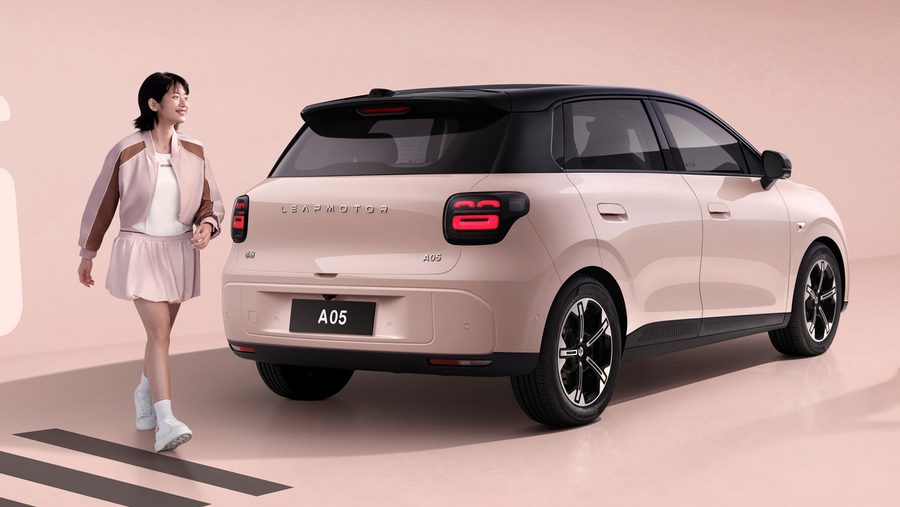
The Leapmotor A05 is a budget electric hatchback for China, offered with a 95 hp/39.8 kWh or 122 hp/53 kWh front-motor setup and CLTC range up to 510 km, with a European twin called the B03.
95 hp 405 km FWD

Chinese EV brand expanding into Europe through a joint venture with Stellantis. Sells the T03 city car and B05 compact SUV in EU markets; production being localized in Spain.
The Leapmotor A05 is a budget electric hatchback for China, offered with a 95 hp/39.8 kWh or 122 hp/53 kWh front-motor setup and CLTC range up to 510 km, with a European twin called the B03.
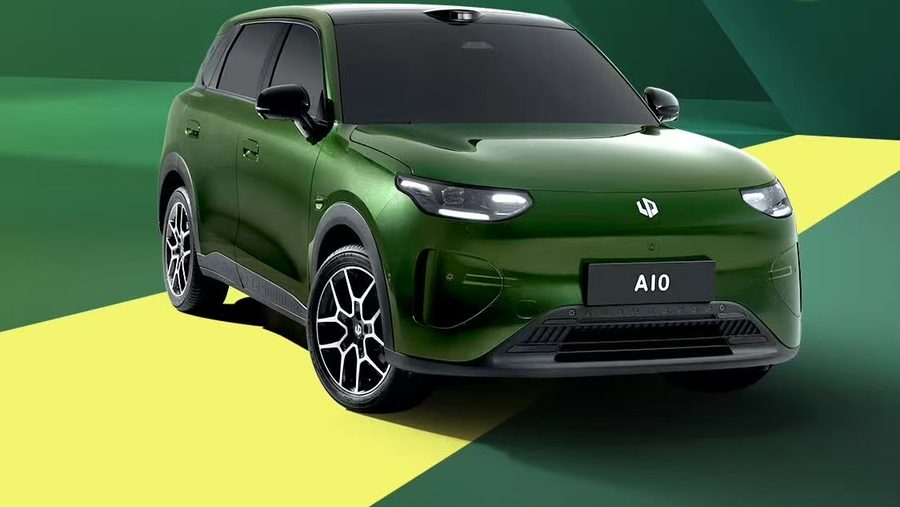
The Leapmotor A10 is a subcompact electric SUV, sold in Europe as the B03X. Two Gotion LFP batteries of 39.8 and 53 kWh give 403 to 505 km of CLTC range from a 121 hp front motor. Prices start from ¥65,800.
Leapmotor's compact SUV for Europe on the 800V LEAP 3.5 platform. Three variants, 218–241 hp, 56.2–67.1 kWh. DC charging up to 174 kW. From €26,900 - potentially from €19,500 after local production subsidies.
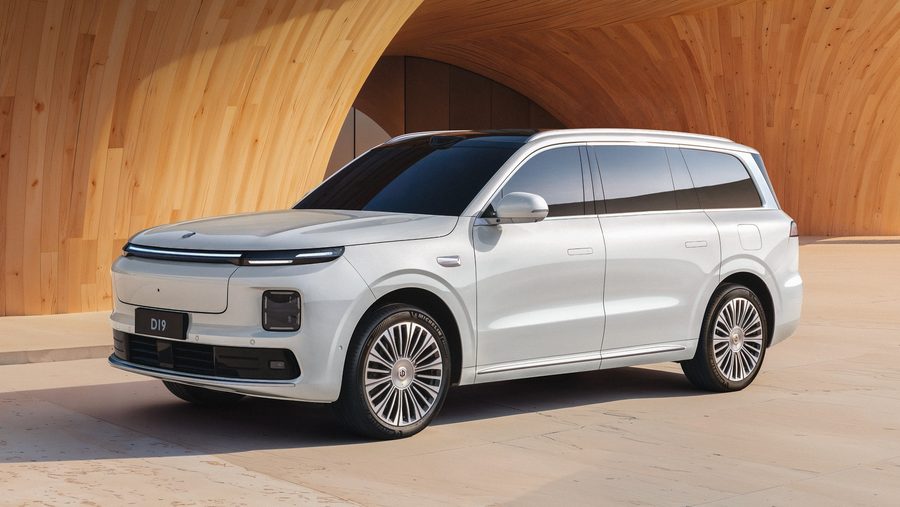
The Leapmotor D19 is a full-size flagship SUV offered as both a range-extender (EREV) and a battery-electric (BEV), with a six or seven-seat layout, an 800V or 1000V architecture, and CLTC range from 400 km (EREV) to 720 km (BEV). Prices run from ¥219,800 to ¥269,800.
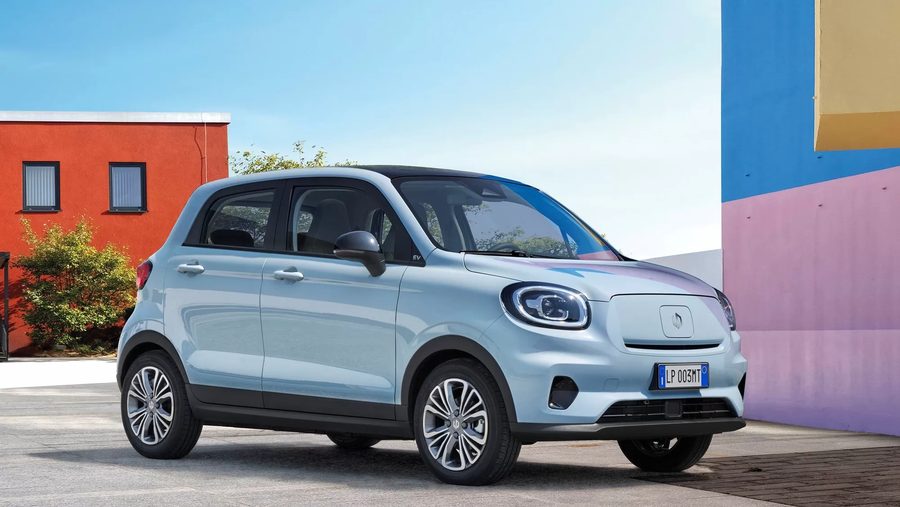
The Leapmotor T03 is a compact electric city car sold in Europe through Stellantis's distribution network, with a 37.3 kWh battery, 95 hp motor and a starting price around 18,900 euros in Italy.
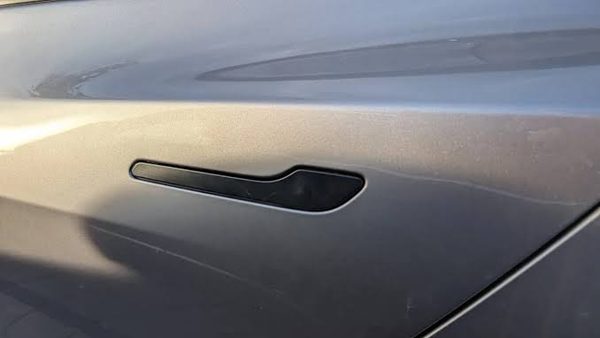
China's market regulator has ordered nearly 4.3 million vehicles from 11 manufacturers back for a fix, the largest recall in the country's history. The fault is the emergency door release inside the cabin, which occupants and rescuers may not find after a crash cuts the power. Tesla accounts for about 2.98 million cars.
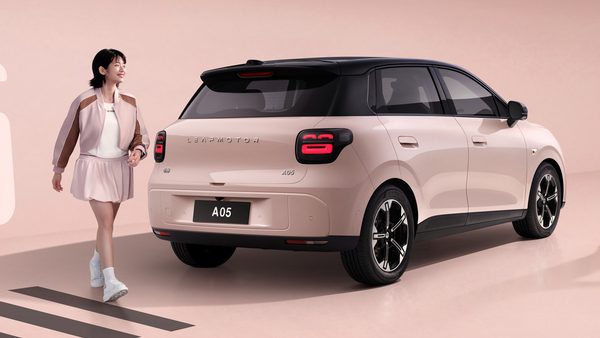
Leapmotor is preparing a low-cost electric hatchback for two markets - the A05 in China and the more compact B03 for Europe. The Chinese version offers two front-drive powertrains with up to 510 km of CLTC range; European specs haven't been disclosed.
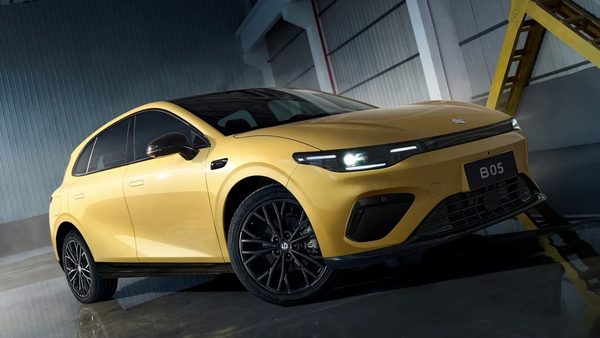
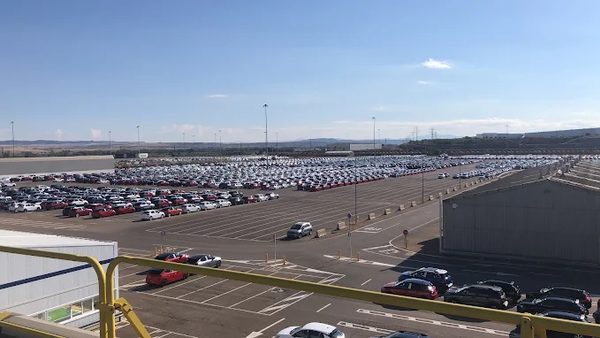
Leapmotor is localizing B05 production at Stellantis's Zaragoza plant in Spain. Currently sold from €26,900 in Europe (imported from China); local production is expected to bring the entry price to around €19,500 after subsidies.
The Volkswagens sold in China are built by two companies, and one of them is Chinese. That arrangement started in 1983 as a condition of entry, and it has since produced badges that exist nowhere else: Jetta, Wuling, and AUDI in block capitals with no rings. Who holds which half, which brands the ventures invented for themselves, and which of the old partnerships have quietly ended.
Twelve European badges whose nationality does not match their ownership: Cupra, Vauxhall, DS, Opel, Lancia, Alpine, Abarth, MG, Ebro, DR Automobiles, smart and Leapmotor. Some are Spanish or British names owned in Germany or the Netherlands, some are revived badges on Chinese hardware, and several are assembled in a third country again.
Most European badges trace back to about five mega-groups - Volkswagen, Stellantis, BMW, Mercedes-Benz and Renault. But several beloved European brands are now owned abroad, in China, India and the UAE, and a few Chinese and joint-venture names now sell under European flags. Here is who owns what in 2026.
China's car market runs on a handful of giant groups, each fielding a stack of brands. Here is who owns what - the parent companies, the sub-brands, the Huawei alliance, and why the chart keeps changing.
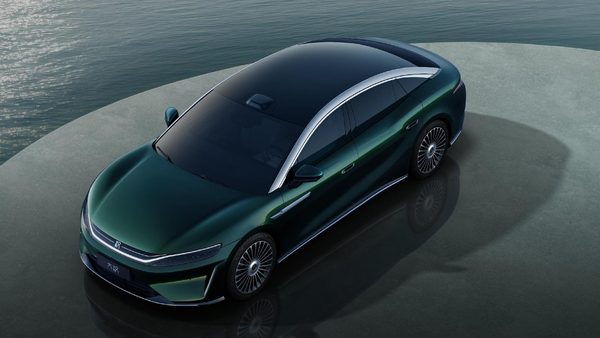

New-energy vehicles took a record 64.4% of China's retail car sales in July 2026, even as NEV retail itself fell 2% year on year - the seventh straight monthly decline. The record came from combustion collapsing faster than EVs are growing.
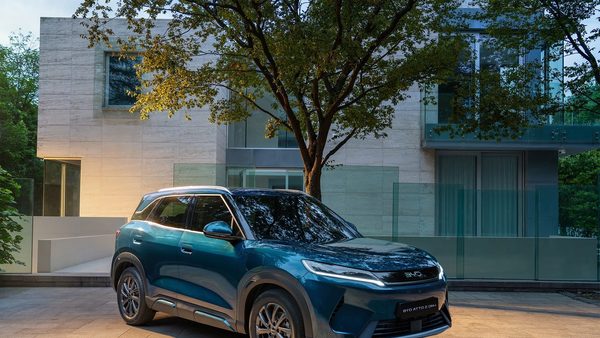

Italy's new-car market grew 10.6% in June, but the real mover was the BYD Atto 2 - the first BYD model to reach third place among every car sold in the country, driven almost entirely by its plug-in hybrid version.
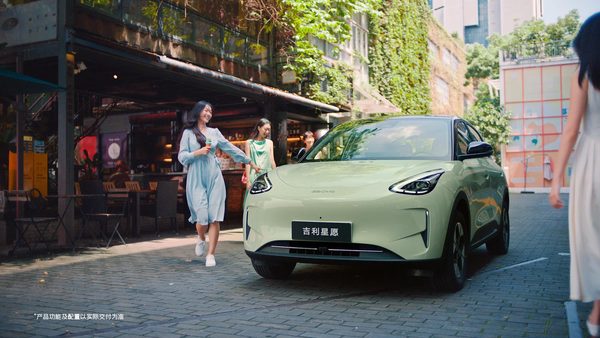
In May 2026 not a single petrol or diesel model made China's top 10 - the first time combustion cars have vanished from the list. It says less about an EV boom than a fuel-car collapse.
Leapmotor (零跑) is a Hangzhou-based EV manufacturer founded in 2015. It entered the European market in 2024 through a joint venture with Stellantis, which took a 21% stake and handles distribution through its dealer network. European vehicles are currently imported from China; production is being localized at Stellantis’s Zaragoza plant in Spain.