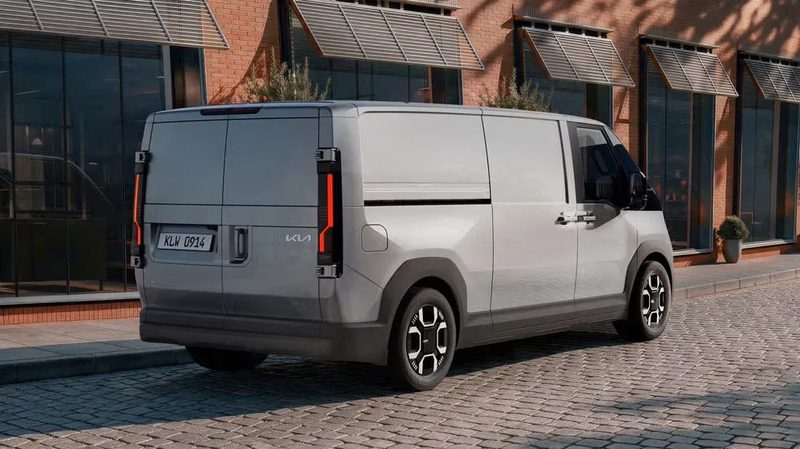
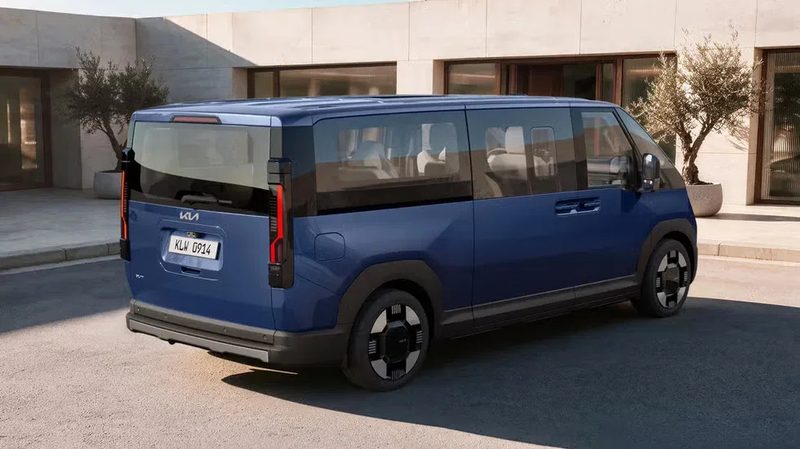
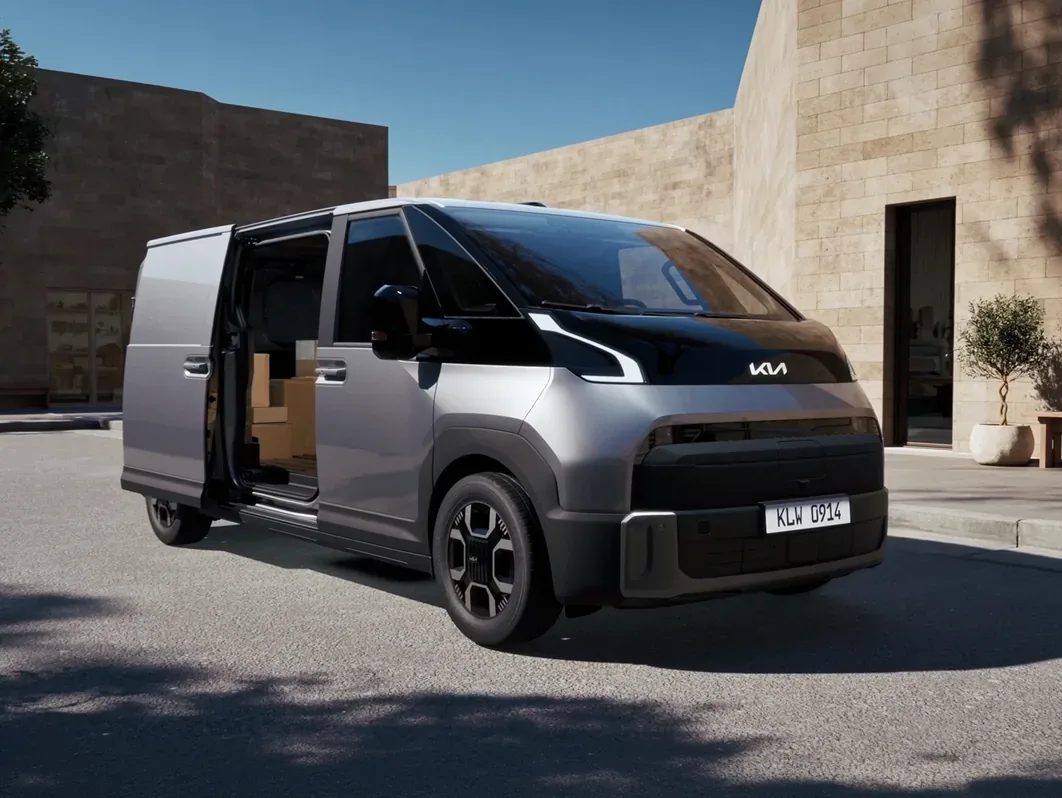
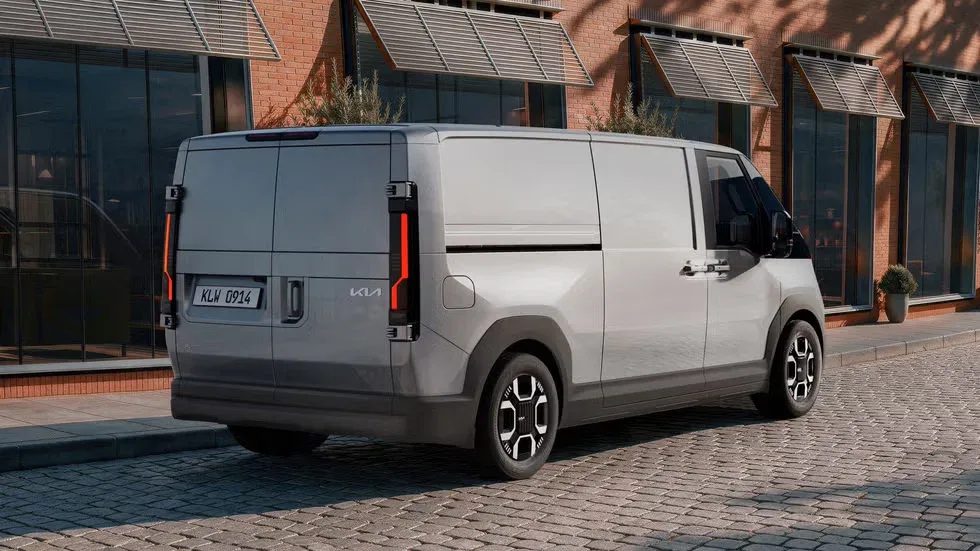
Kia PV7 platform and positioning
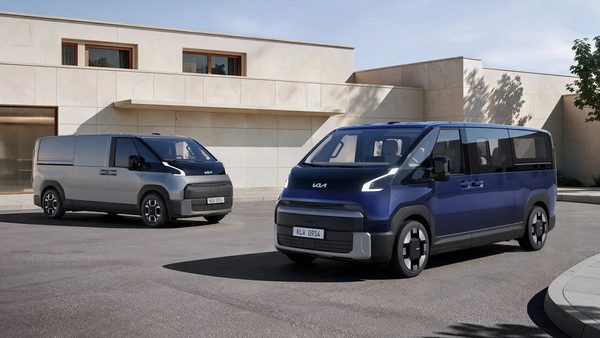
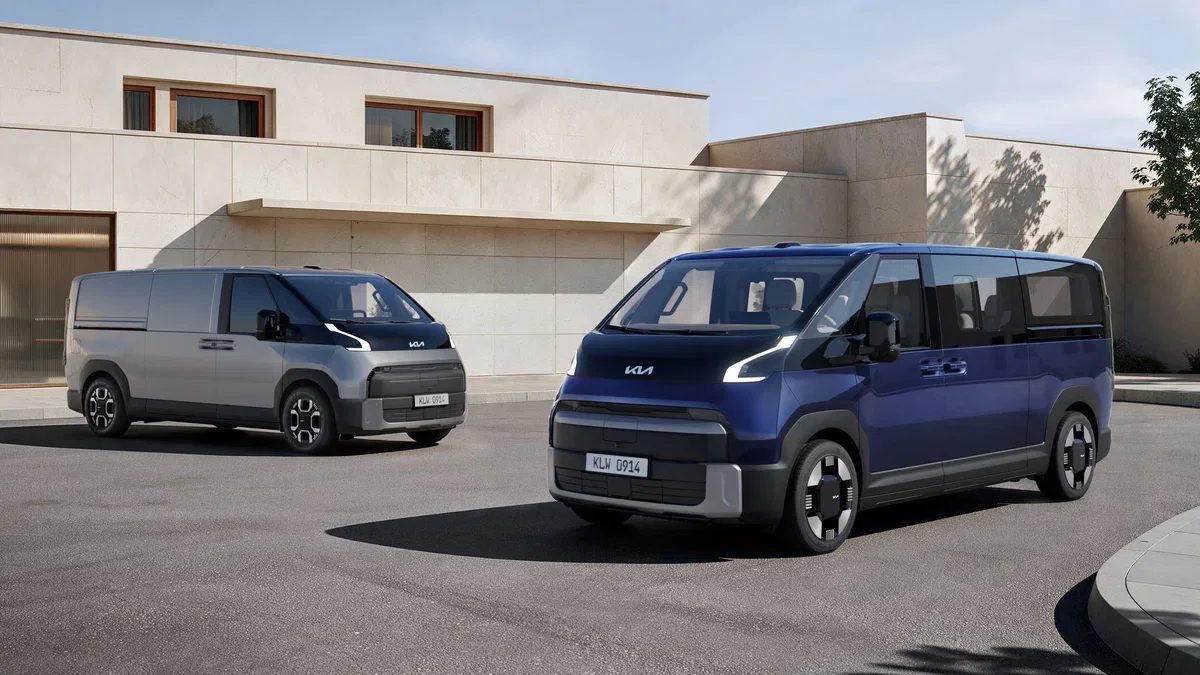
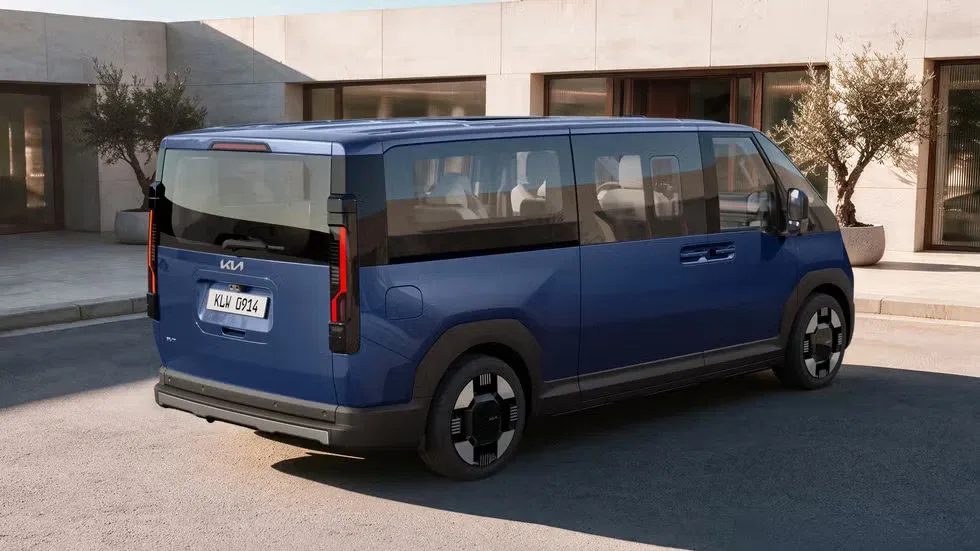
The Kia PV7 is the second model in Kia’s line of purpose-built electric vans (PBV), after the PV5. Kia revealed it at IAA Transportation in Hannover on 14 September 2026. It uses the same E-GMP.S platform with a flat floor and front-wheel drive, scaled up for bigger loads and more passengers, and Kia will build it at its Hwaseong EVO West PBV plant in South Korea.
Kia PV7 range and charging
A single front motor delivers up to 200 kW (268 hp) and 420 Nm depending on market and configuration, with a 71.5 kWh Standard Range or 96.2 kWh Long Range nickel-cobalt-manganese battery. Kia’s range target for the Long Range Cargo is over 460 km WLTP, based on internal testing ahead of homologation, and has not published a figure for the smaller pack. The 800 V electrical system takes 10 to 80% charge in the mid-20-minute range on a 350 kW charger. The PV7 is also the first Kia with a second charging port: an optional AC socket on the rear side, in addition to the front AC/DC port. An all-wheel-drive version is planned.
Kia PV7 Cargo and Passenger
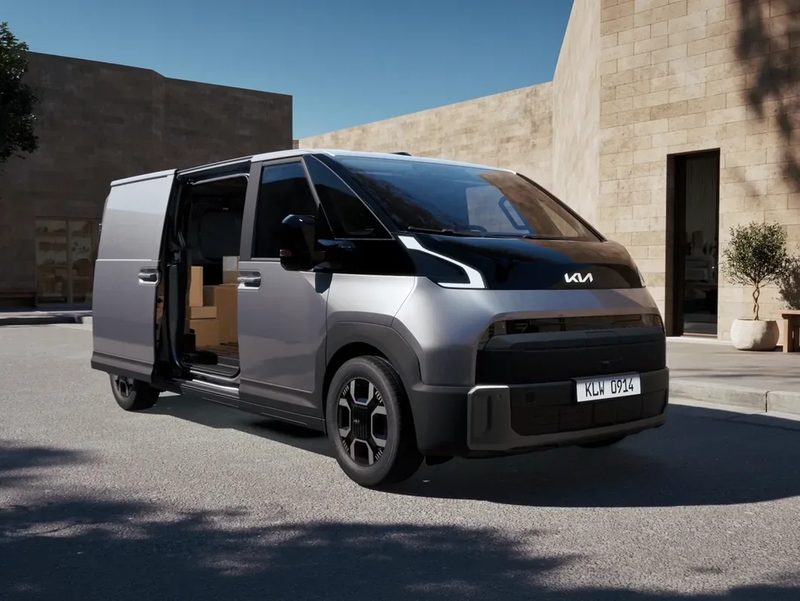
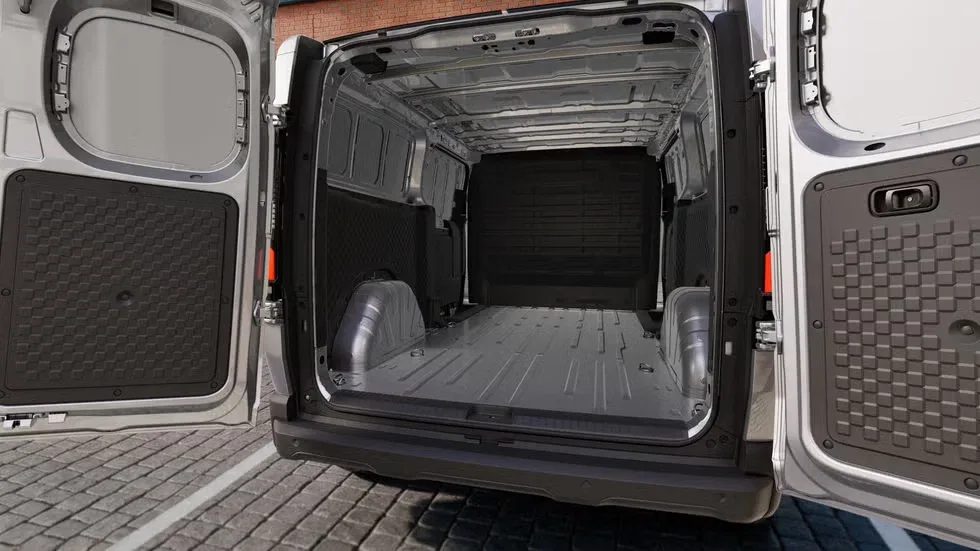
The Cargo van seats two or three in front. The Long body holds 6.1 m3 (VDA) with three Euro pallets and a 550 mm load height, and the High Roof 8.0 m3. Payload is 1,165 kg for the Long and 1,200 kg for the Compact, which Kia calls Standard in Europe. A Chassis Cab and conversion bodies complete a planned range of 23 variants, and a larger PV9 follows in 2029.
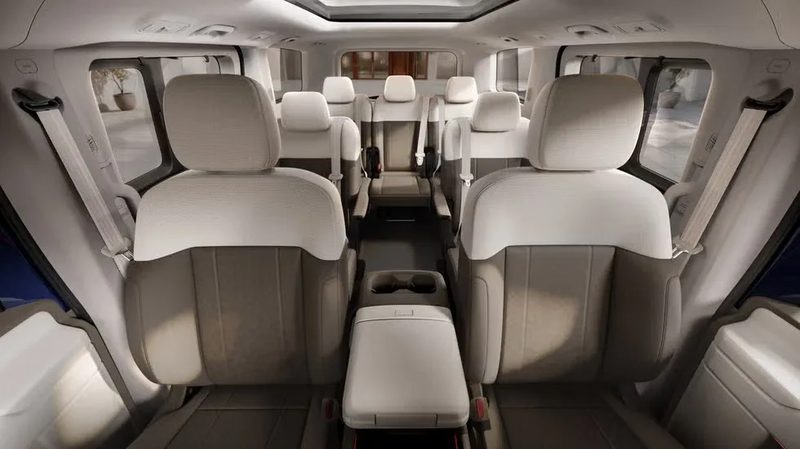
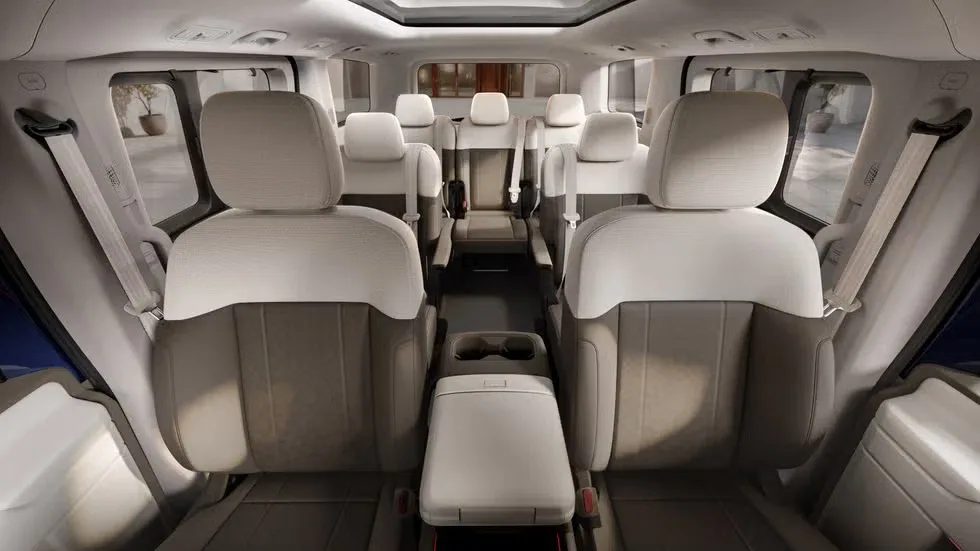
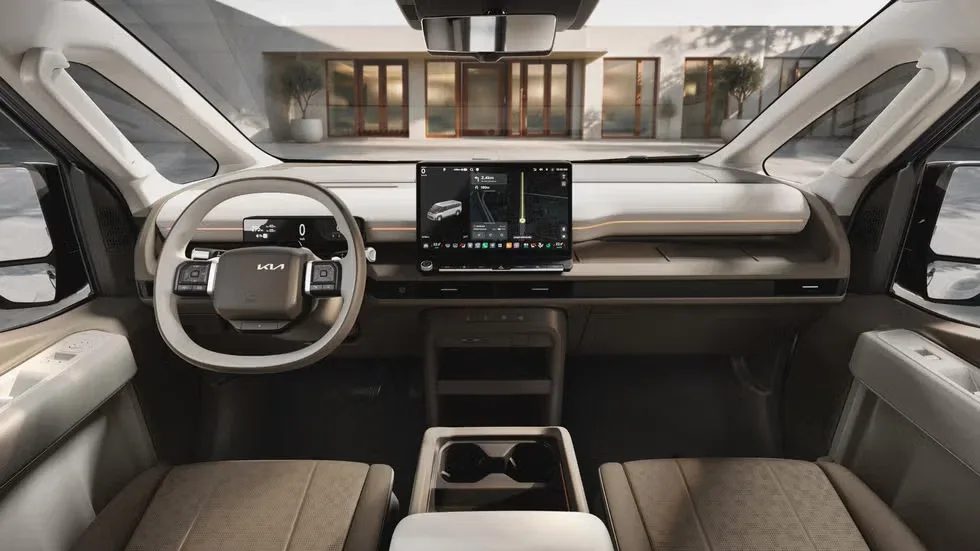
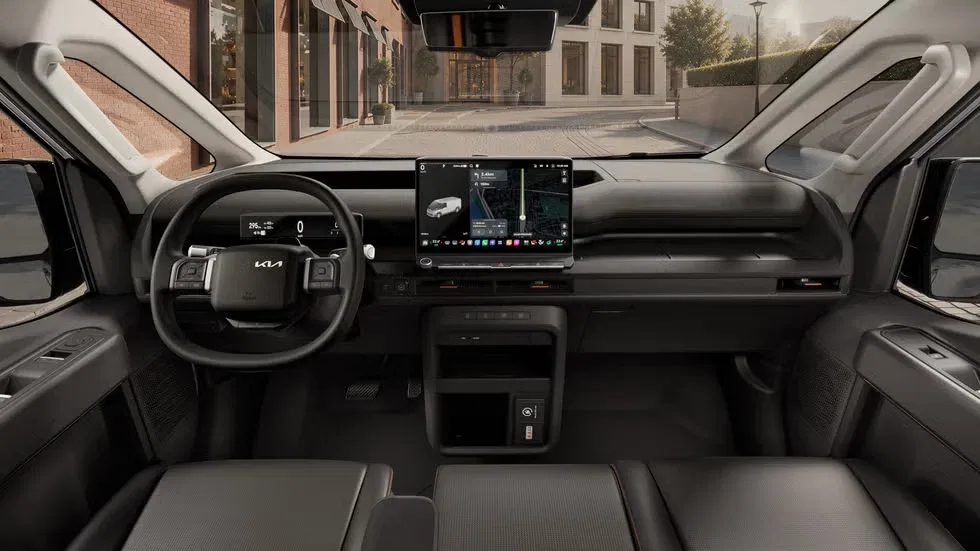
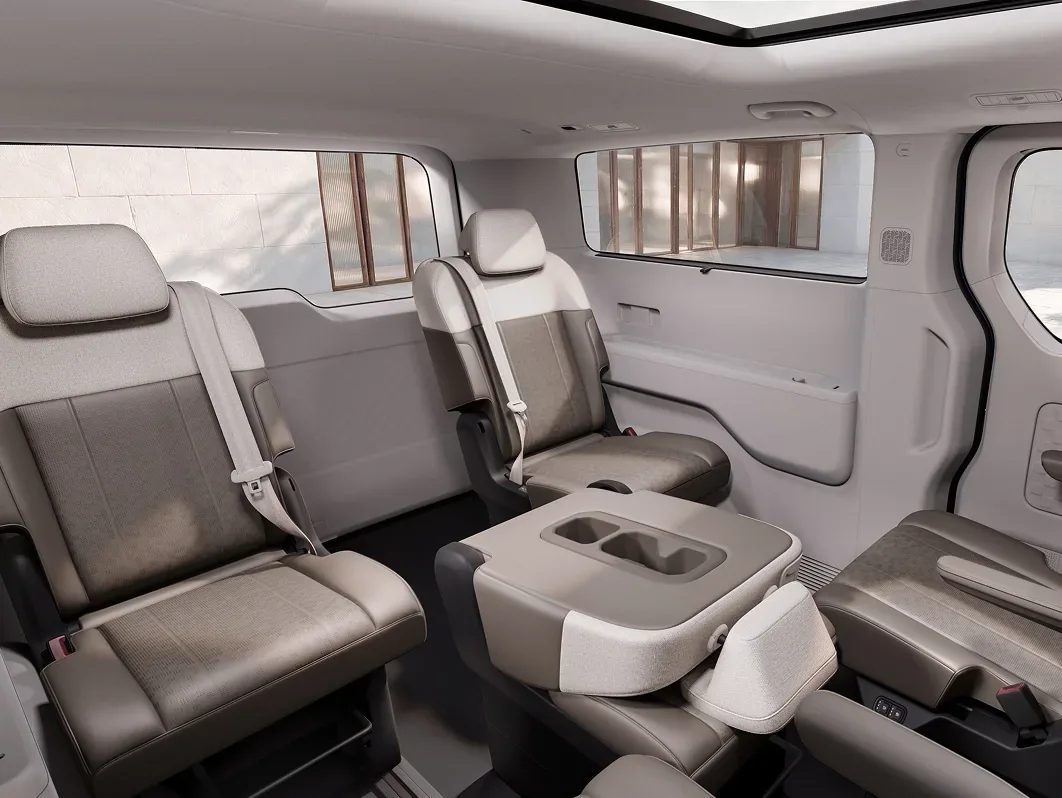
The Passenger comes with seven seats on long rails that lift out, or nine, with or without a fourth row. Both versions get Kia’s Pleos Connect software on Android Automotive with a 12.9- or 14.6-inch screen, and vehicle-to-load outlets inside and out.