 China
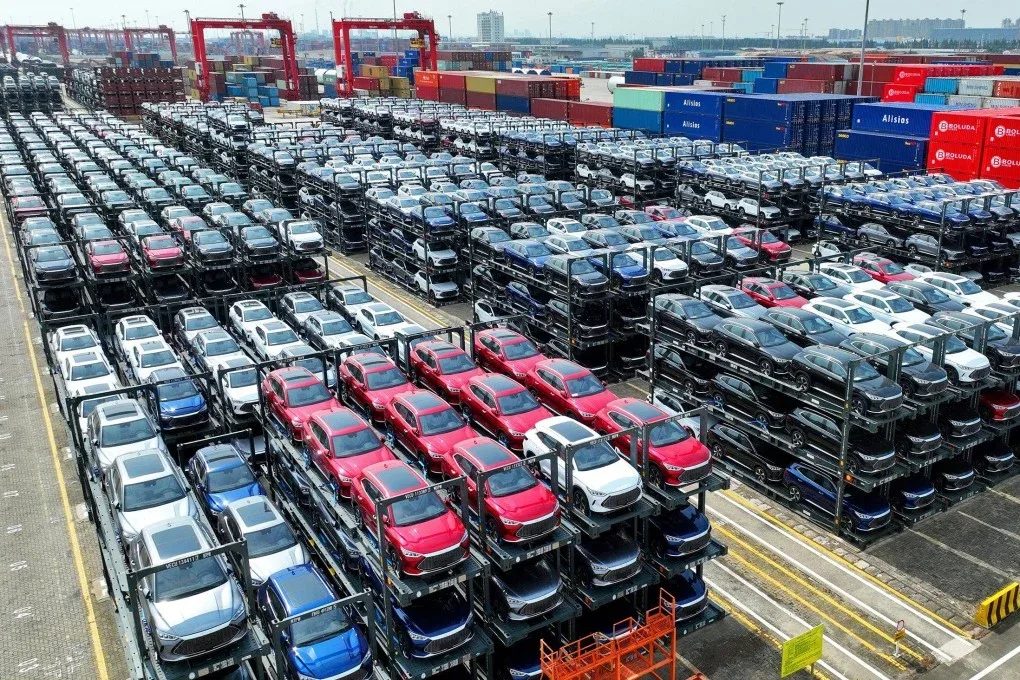
ChinaChina’s Ministry of Industry and Information Technology, together with eight other government departments, issued a five-year plan on September 9, 2026 that sets new-energy vehicles at 70% of domestic passenger-car sales and 40% of commercial-vehicle sales by 2030.
How far 70% is from today
NEVs already made up a record 65.2% of China’s domestic retail car sales in August 2026, according to the China Passenger Car Association - up 9.9 percentage points from a year earlier and 0.1 points from July. Measured against that domestic-retail figure, the plan’s target is under five points away, not the roughly ten-point gap a wholesale figure (which includes exports) would suggest. NEV retail volume itself fell 10.1% year on year in August, to 1.005 million vehicles; the penetration rate still set a record because gasoline-car sales fell even faster.
Consolidation and capacity controls
Beyond the sales target, the plan calls for mergers, restructuring and cross-regional consolidation among automakers to retire outdated production capacity, alongside tighter management of battery production capacity and stricter conditions for new standalone NEV manufacturers. It also sets an average consumption target of 11.5 kWh per 100 km for battery-electric vehicles and 3.3 liters per 100 km for the passenger-car fleet’s remaining combustion engines, both by 2030, and calls for highly automated driving on highways, urban expressways and some city roads by the same date.
The plan follows Hainan’s own restated 2030 target, a provincial ban on new petrol-car sales - a different measure covering one province’s vehicle fleet rather than a national sales-share goal, and currently the only hard deadline any Chinese province has set.