 EU
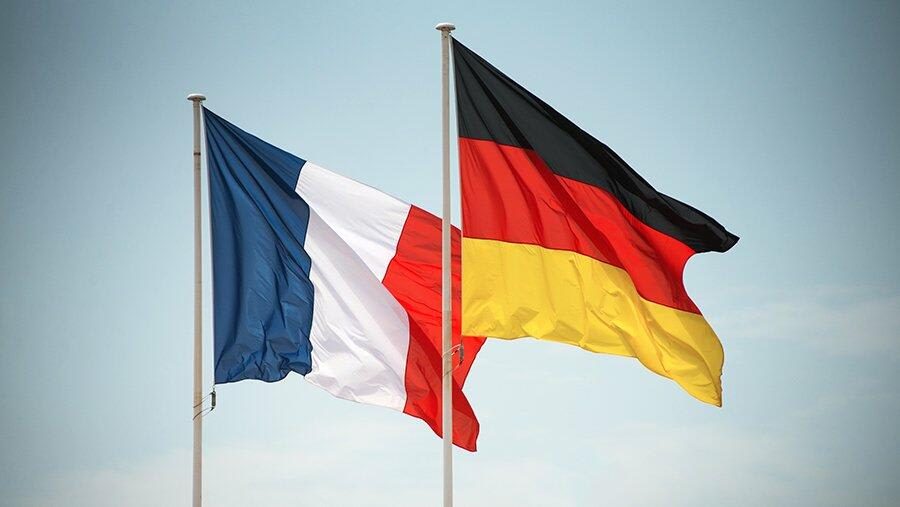
France and Germany said on 16 October that they have agreed a joint position on the EU’s 2035 CO2 rules for new cars: a 90% cut from 2021 levels, with no further obligation to make up the difference. It is the position of two governments. To become law it still needs other member states and the European Parliament.
What changes from the Commission’s proposal
The European Commission proposed last year that car CO2 emissions should fall 90% from 2021 levels by 2035, and that manufacturers would have to close the gap to 100% with low-carbon steel and alternative fuels. The Franco-German plan keeps the 90% and drops the second part. A 90% target, rather than 100%, leaves room for some combustion and hybrid cars to keep selling after 2035.
Berlin was not always in one place on this. Before the deal, the Social Democrat environment minister had suggested 95%, with the last five points offset through low-carbon steel, according to Reuters.
The UK and “Made in Europe”
The plan also covers the EU proposal that sets local-content and low-carbon requirements for products bought through public procurement, auctions or subsidy schemes. France had pushed to limit those to EU-made goods. The joint text says that for cars, “Made in Europe” should cover the 27 member states and the European partners that were in the EU internal market on 1 January 2020. That includes Britain, which left the single market at the end of 2020.
The inclusion would depend on full reciprocity and what the text calls dynamic alignment with EU conditions for investment from third countries and with EU trade protection measures. Reuters notes that could mean Britain adopting the limits the EU has put on Chinese-built hybrids and electric cars. A Downing Street official said inclusion would be good news for the UK car industry, but that it needs European consensus and the details are not yet seen.
Reactions
Chancellor Friedrich Merz called it “a good day for motorists and for jobs”. Volkswagen said the proposal contains “sensible flexibilities”. Transport & Environment called it “a historic mistake” that slows electric-car sales. Toyota Europe, which asked the EU for a similar 90% target but with fuel and steel flexibility, welcomed the UK’s inclusion and asked for Türkiye and Japan to be added as trusted partners.