 China
ChinaGeneral Motors and SAIC have extended SAIC-GM by 20 years, to 2047. The partnership dates to June 1997, and the last few years of it were ugly: plant closures, a collapse in share, and more than $5 billion in charges and write-downs as GM restructured the business in 2024. The extension settles the question of whether GM stays in China. It does, on different terms.
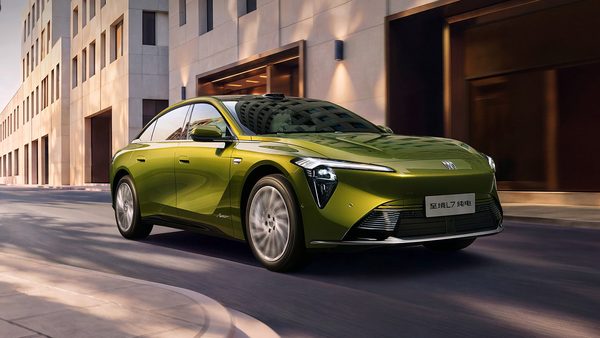
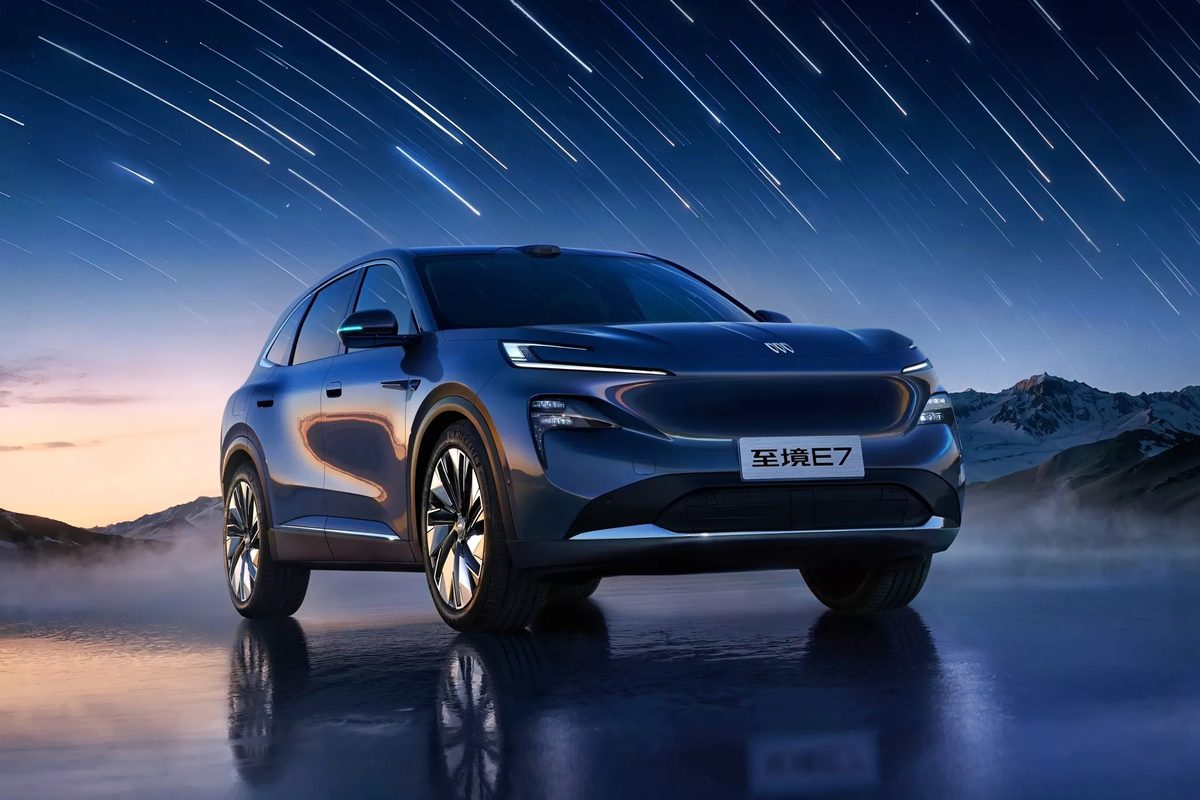
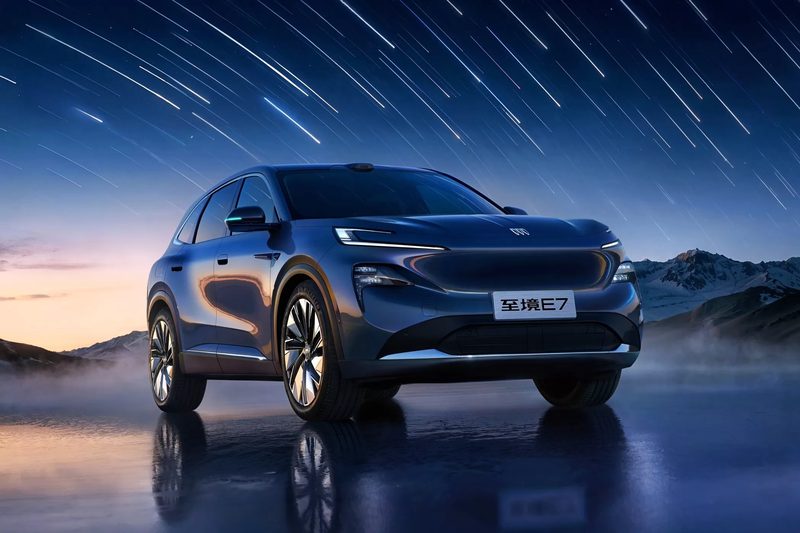
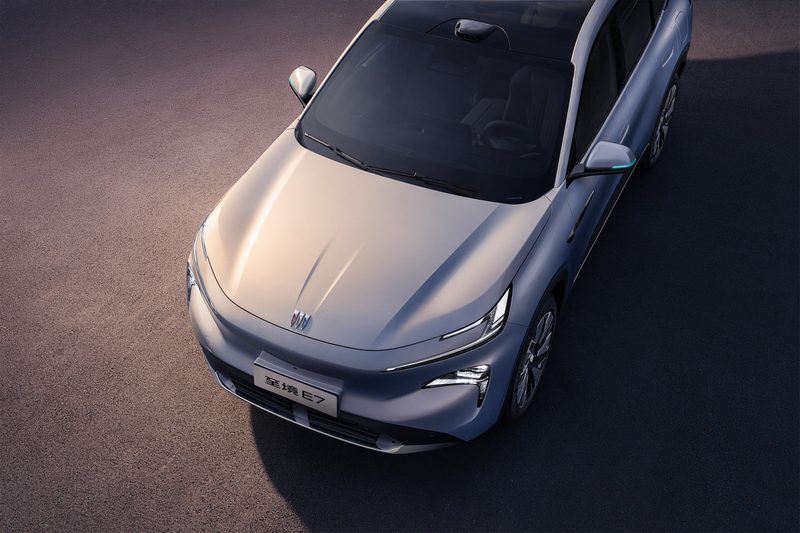
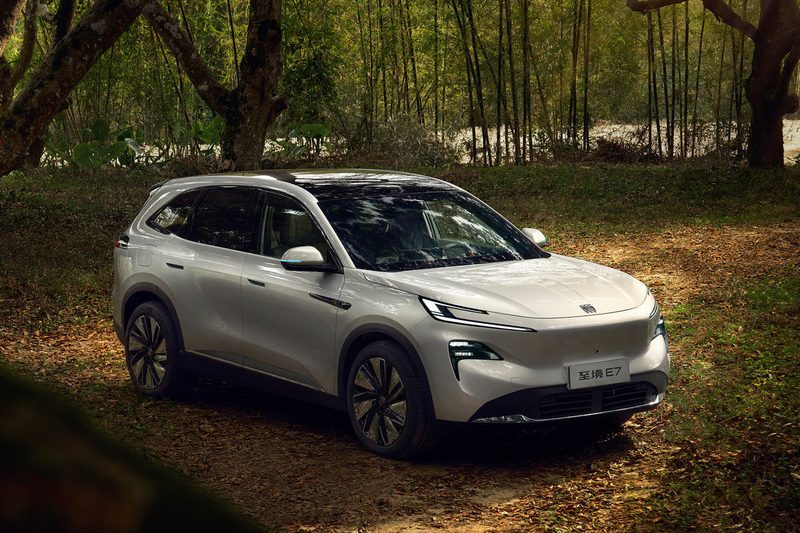
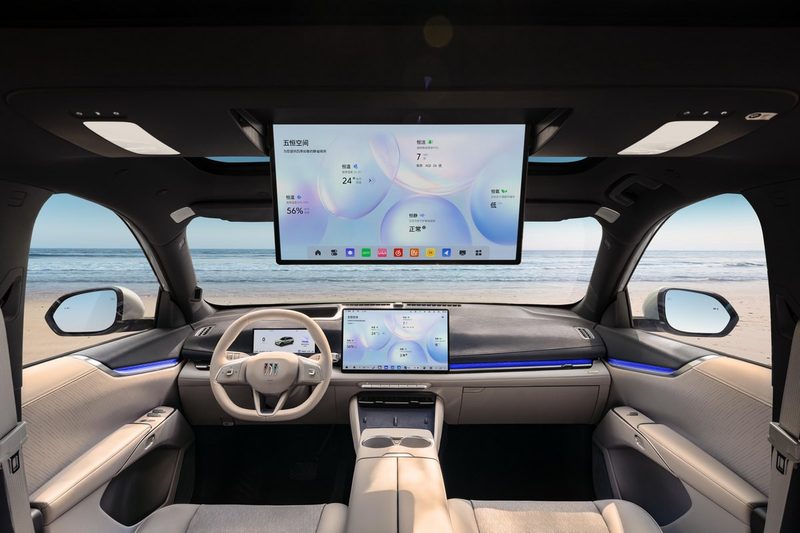
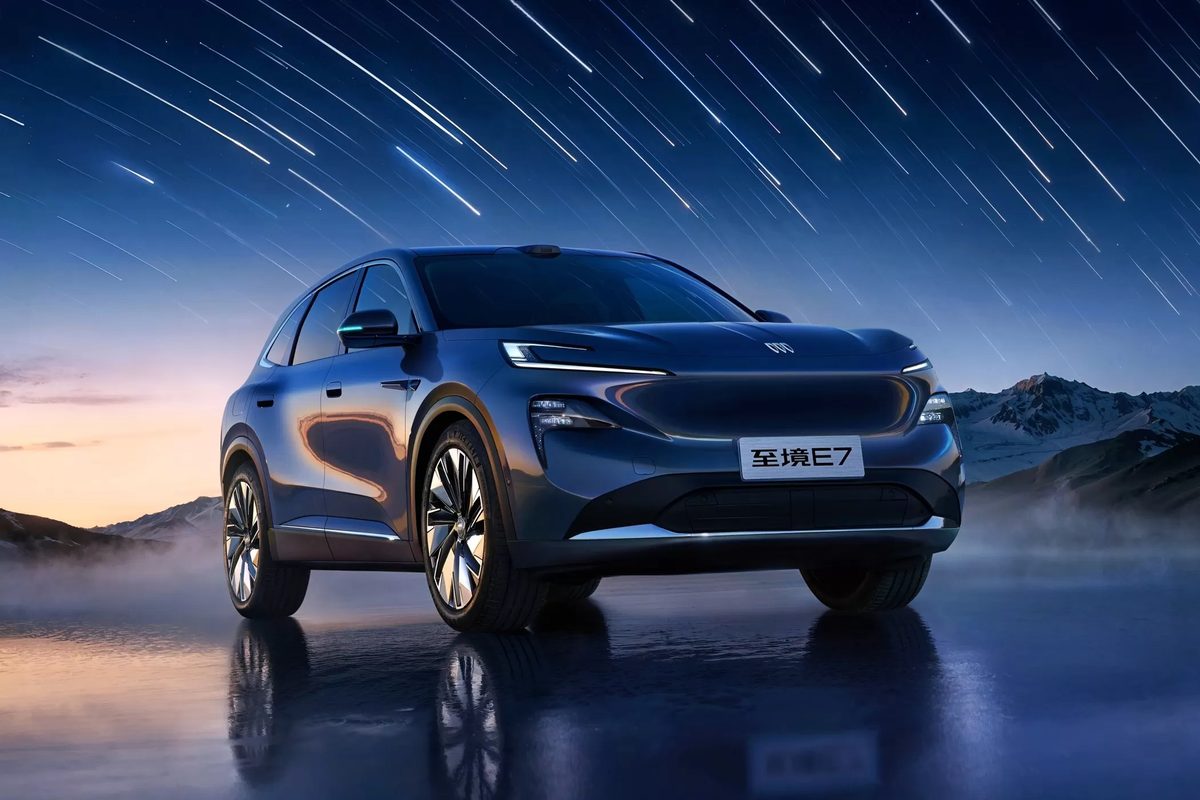
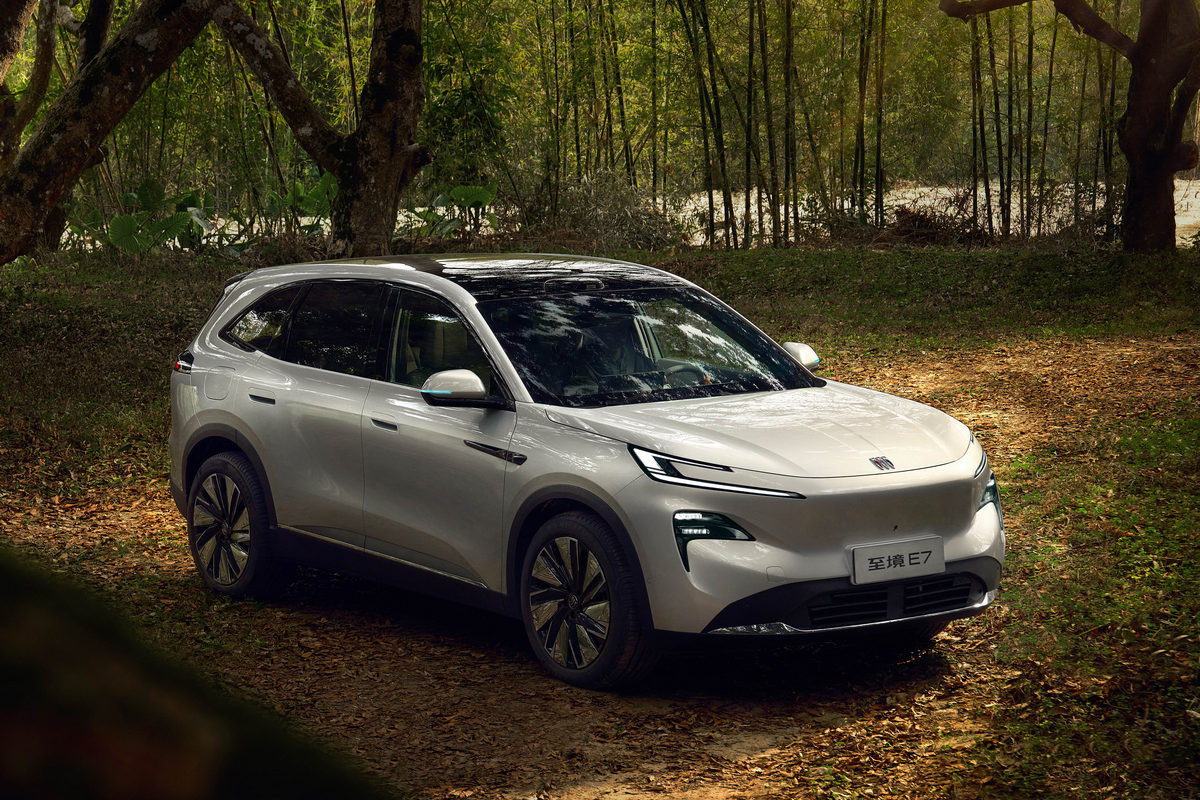
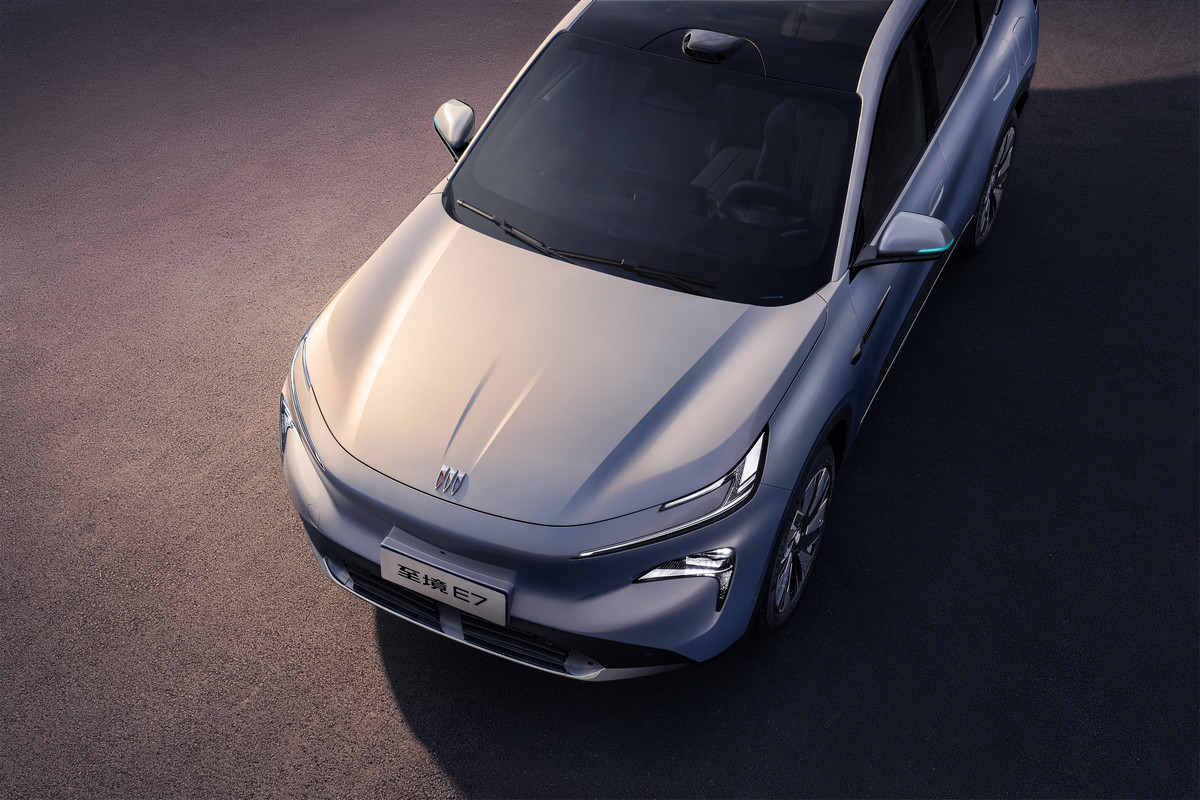
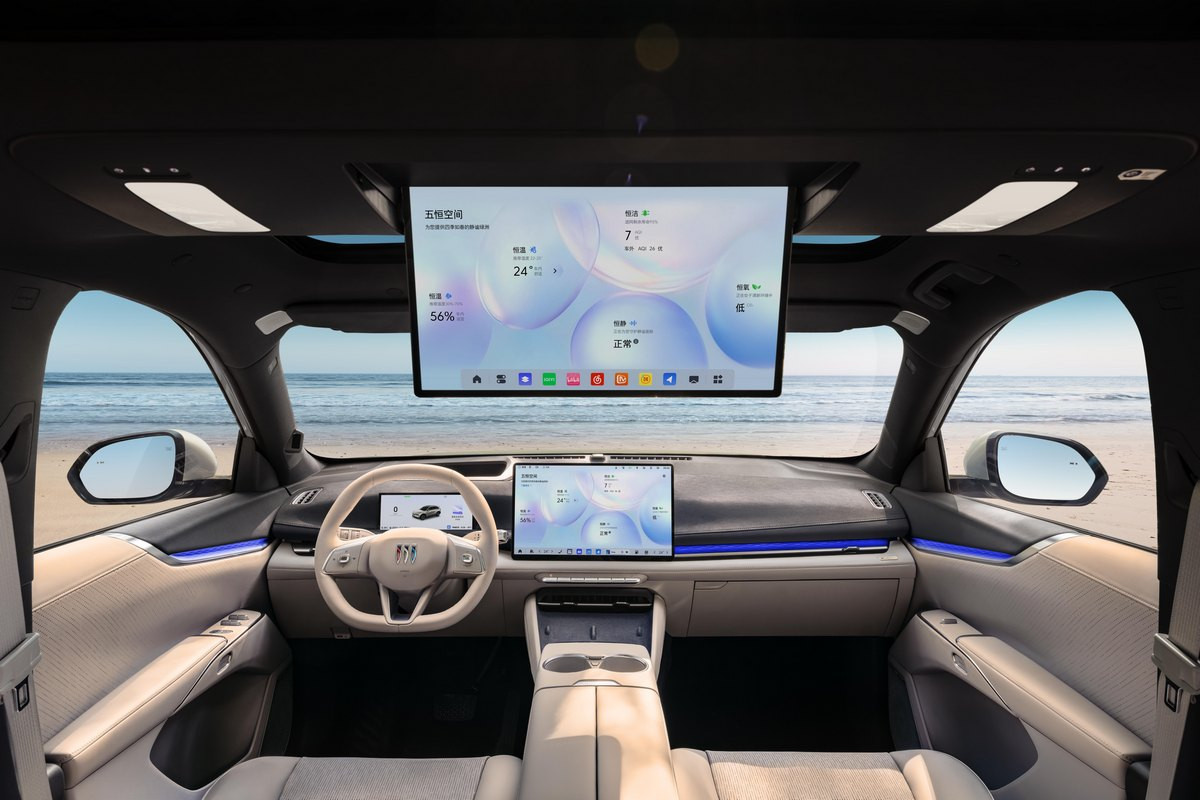
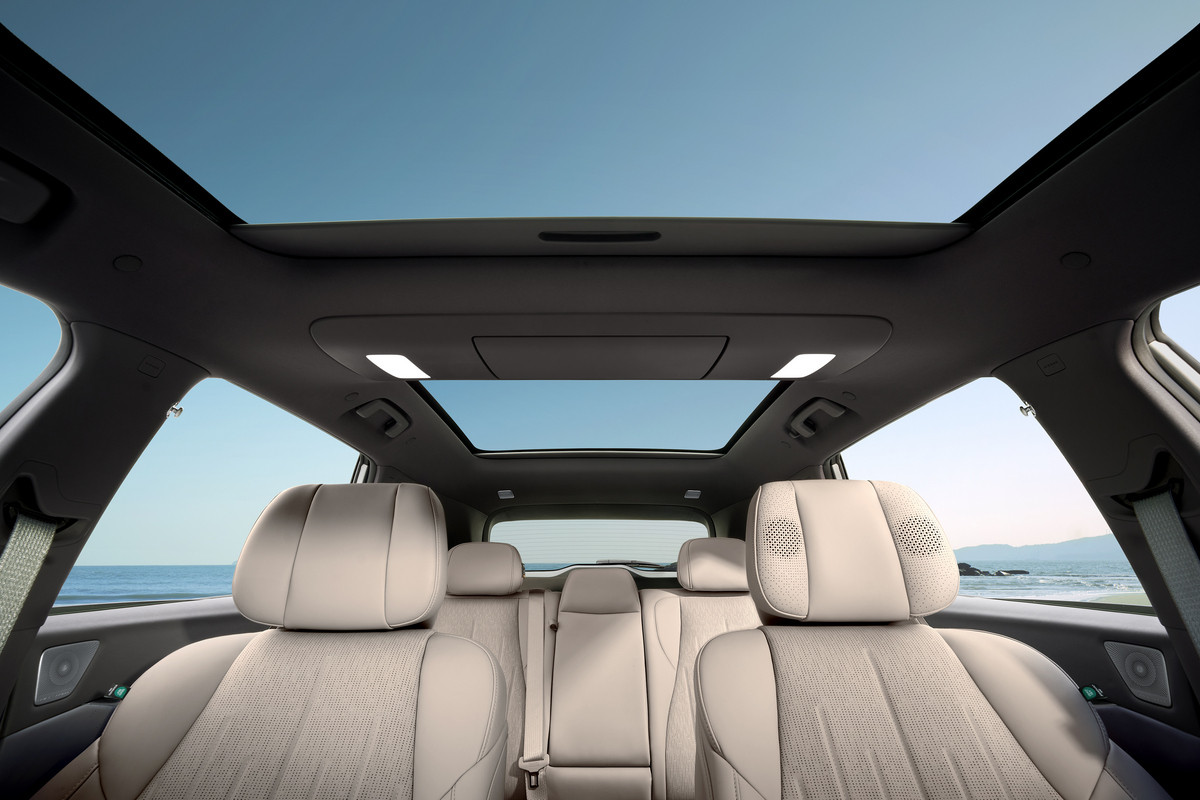
The new terms are that China becomes a place GM designs and builds cars for other markets, not only for itself. SAIC-GM has committed to at least 30 new-energy models by 2030 under the Buick and Cadillac badges, covering battery-electric, plug-in hybrid and range-extended cars, most of them on the locally developed Xiao Yao platform. The first premium model earmarked for export is the Buick Electra E7, a plug-in hybrid SUV launched in China in April at ¥159,900 ($23,700) and rated at 1,630 km of combined range. Shipments start in October.
The target markets are the Middle East, Africa, South America, Mexico and the Asia-Pacific. The United States is not among them, and will not be: American tariffs on Chinese-built vehicles and the restrictions on Chinese connected-car technology close that route regardless of what the joint venture wants.
The other half of the announcement is a withdrawal. Chevrolet stops selling in China. Some Chevrolet models will keep being produced and exported through SAIC-GM-Wuling, the separate three-way venture, but the brand itself leaves the local market after 21 years. That leaves SAIC-GM with two badges in China where it had three, both aimed above the volume segment - which is also the segment where Chinese brands have taken the most share.
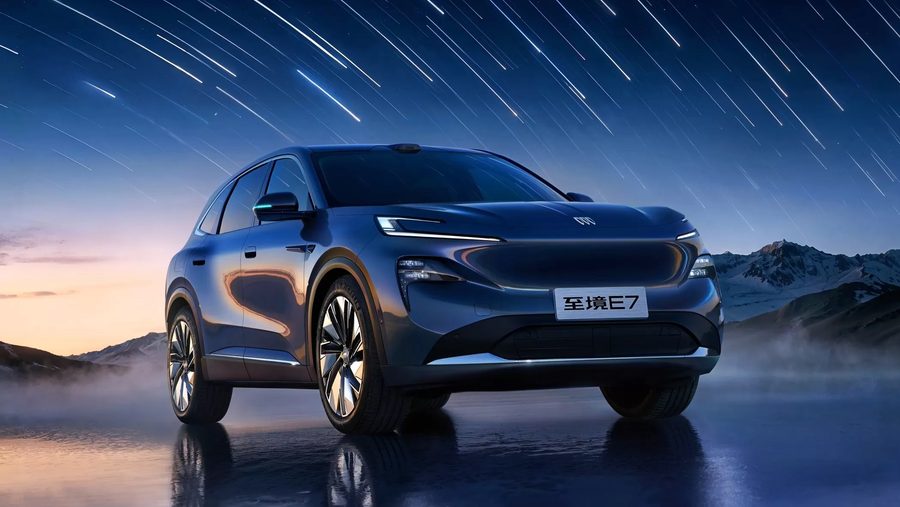
The Electra E7 is a mid-size plug-in hybrid SUV built by SAIC-GM in Wuhan on the Chinese Xiao Yao platform. A 32.6 kWh pack gives 235 km of electric CLTC range and 1,630 km combined, from ¥159,900 ($23,700). From October 2026 it becomes the first Chinese-built Buick sold for export.