 Japan
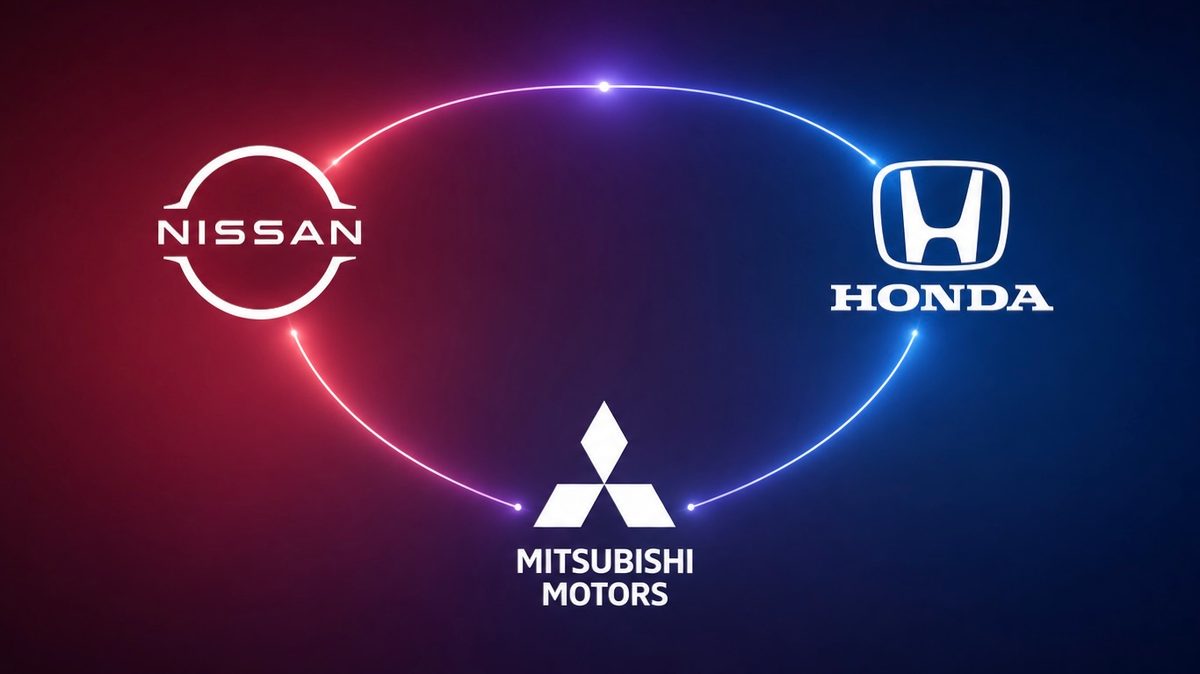
JapanHonda, Nissan and Mitsubishi are in the final stages of talks to standardize the electronic control units (ECUs) used in their next-generation models, according to Japanese reporting. The agreement would cover the hybrid and electric cars across all three brands and is framed as a large cost-cutting move rather than a merger.
ECUs are the computing modules that act as a car’s “brain.” The shared units the three makers are discussing would handle the core functions of a software-defined vehicle: autonomous driving systems, in-car infotainment, and control of hybrid and electric powertrains. Standardizing them lets the companies pool purchasing of common components, speed up new technology, and simplify over-the-air software updates.
A deal could be reached within weeks, though some development and procurement details are still being worked out, and cars using the unified ECUs are expected to reach the market around 2029-2030. The effort builds on earlier cooperation: Honda and Nissan first said they would study a software partnership in the financial year that ended in March 2024, and Mitsubishi, a member of the Nissan alliance, joined later. The three held wider merger talks in early 2025 that collapsed, but have kept narrower technical cooperation alive.
The driving force is cost. By spreading the development and purchasing of common electronics across three brands, the makers aim to close the gap with aggressive Chinese automakers and Tesla, which have used shared, centralized computing architectures to lower prices and push features faster than legacy rivals.