 Japan
JapanNissan finished the first quarter of its 2026 fiscal year in the black, with a net profit of ¥3.8 billion ($24 million). A year earlier the same quarter produced a ¥115.8 billion loss, and the full fiscal year that closed before it ended ¥533.1 billion in the red. Operating profit came to ¥77.9 billion, also reversing a loss, on revenue of ¥2.96 trillion, up 9.5%.
The Re:Nissan recovery plan is the reason the company gives, and the quarter does show its cost reductions landing. But three things carried the result, and only one of them is structural. Costs came down; the yen stayed weak, which flatters every export figure Nissan reports; and one-off gains topped up the total. The automotive business itself was still loss-making. What pushed the group above zero was the sales-financing arm.
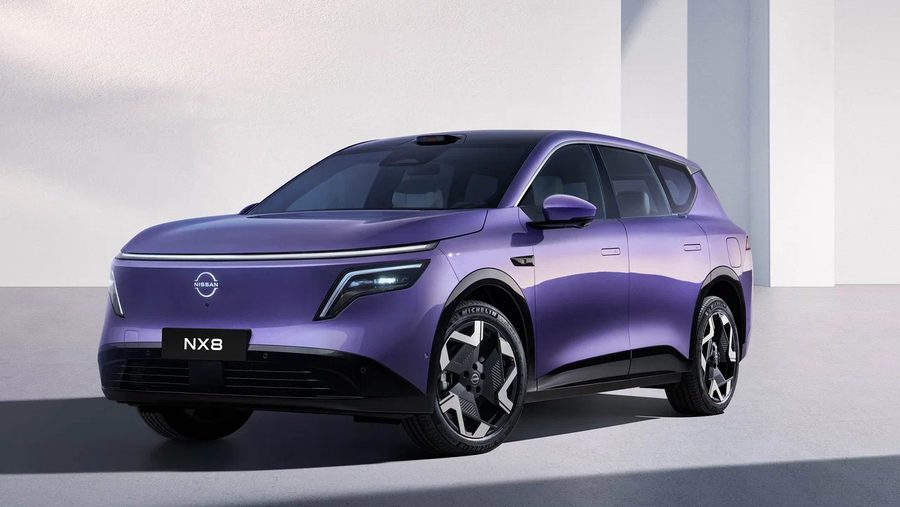
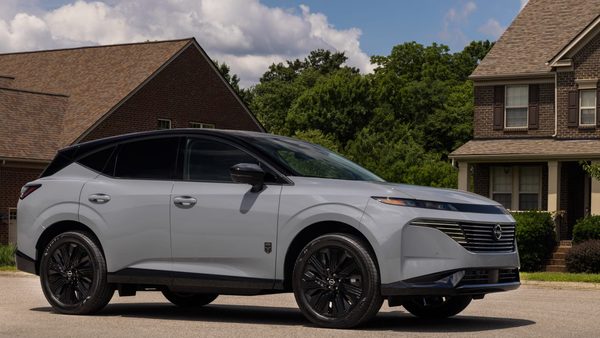
Volume is not recovering yet. Nissan sold 1,506,052 cars worldwide in the first half of calendar 2026, 6.7% fewer than a year before. China was the worst of it at a 15% decline, in a market where Nissan is now rebuilding around locally developed models such as the N-series. The United States was the exception: up 0.3% across the half, and up 9.6% in the second quarter alone, which is the first quarterly gain there in some time.
Management responded by cutting the full-year sales forecast from 3.3 million vehicles to 3.15 million while leaving the profit target where it was, at ¥20 billion ($127 million) net. That combination is the clearest statement of the strategy: Nissan is no longer trying to buy back volume, and is willing to sell fewer cars if the ones it does sell pay.