Taiwan’s ProLogium has announced mass production of its Gen 3.5 Lithium Ceramic Battery, a large-format solid-state cell rated at 185.4 Ah. TÜV has confirmed an energy density of 381 Wh/kg and 903 Wh/l, and UL Solutions tested the cell against China’s new GB/T 43568-2026 solid-state standard: after six hours at 120°C in a vacuum, mass loss came in under 0.05%, well inside the 0.5% allowance the standard sets for a cell to be classed as fully solid-state.
The volume behind the density number
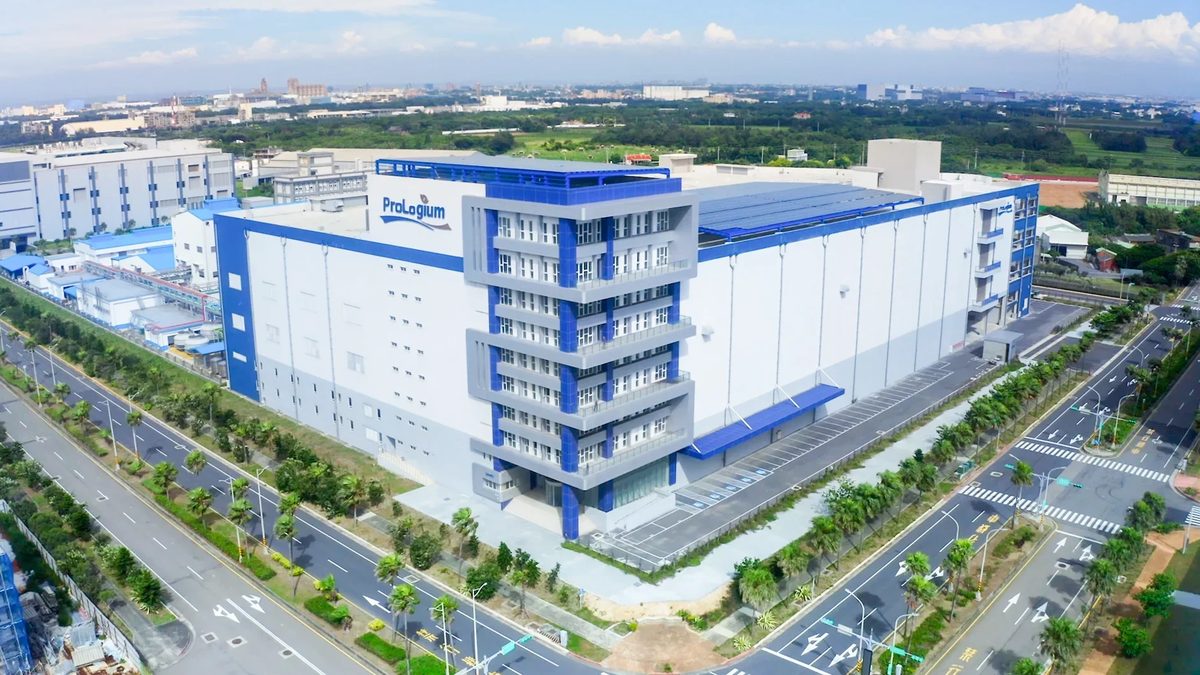
Current output is about 0.5 GWh a year - theoretically enough for roughly 6,250 packs the size of an 80 kWh EV battery. That makes this a pilot-scale line rather than a supply shift for any automaker’s volume production.
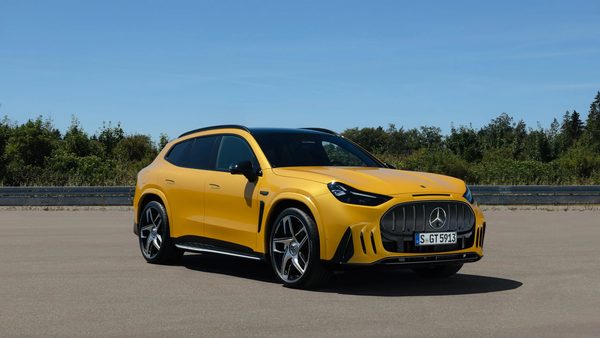
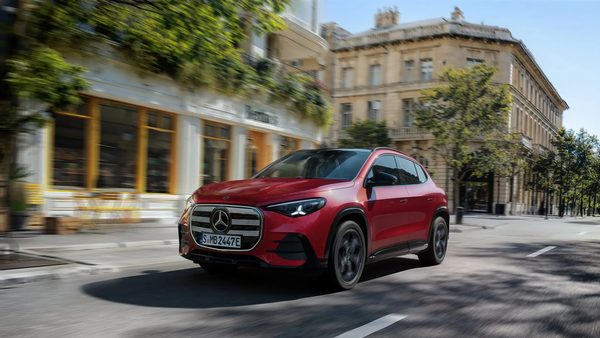
ProLogium’s development partner is Mercedes-Benz, which invested in the company in 2022 under a technology-cooperation agreement to develop solid-state cells for electric vehicles.
What comes next
ProLogium’s next step is a plant in France: a first phase of 4 GWh, with a potential site total of 44 GWh, ramping to full capacity by 2030. That scale, if it lands on schedule, is where solid-state cells would start to matter for series production rather than pilot runs.