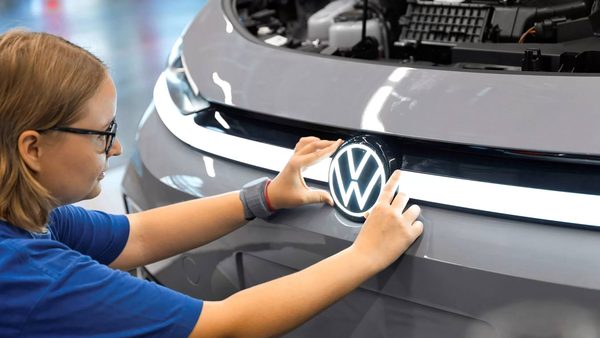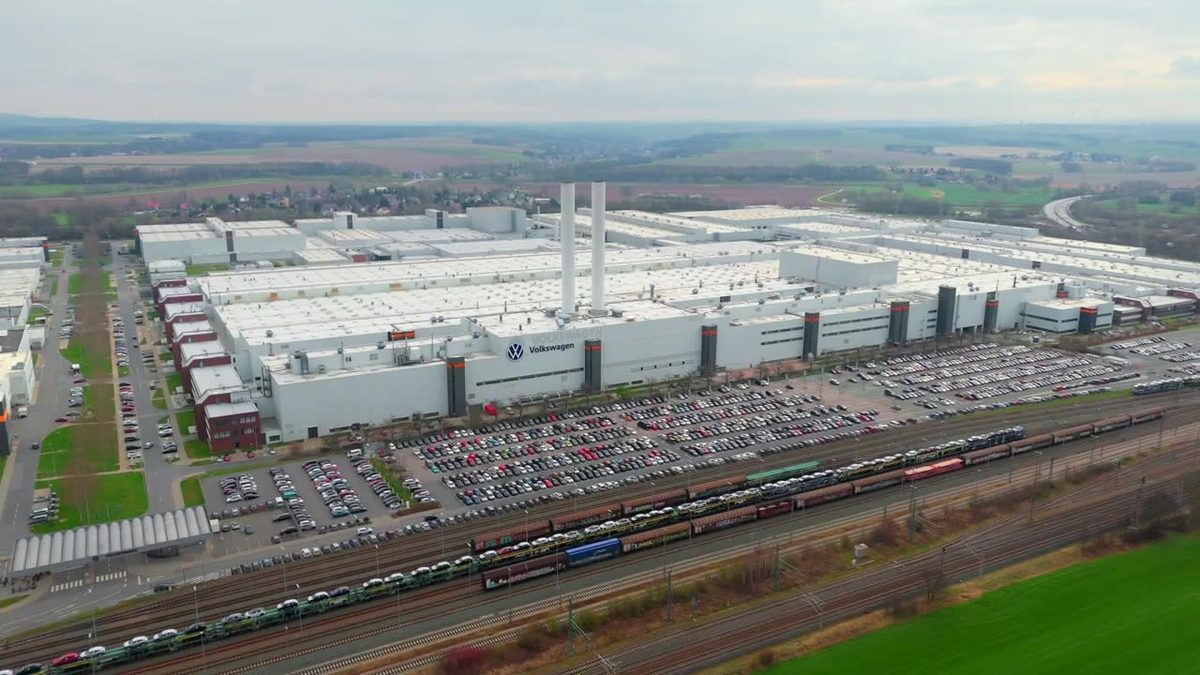
Volkswagen’s Zwickau plant stands at Mosel, a few kilometres north of Zwickau in Saxony, on a 1.8 million square metre site. Volkswagen Sachsen GmbH was founded in December 1990, in the months after German reunification, and the plant has built close to seven million cars since.
The town has a longer motoring history than the plant does. August Horch founded Horch in Zwickau in 1904 and, after leaving it, founded Audi there in 1909; both later became part of Auto Union. The Trabant was built in Zwickau by Sachsenring from 1957 until the last one in 1991. Volkswagen’s own site at Mosel is separate from all of that, and began with Polo and Golf assembly.
Zwickau is the plant Volkswagen used to prove that a volume car factory could be converted to electric production rather than replaced. The changeover ran from 2018 while the plant kept building cars, cost about €1.2 billion, and finished on 26 June 2020 when the last combustion-engined vehicle was built. The site made roughly 204,000 vehicles in 2024 and employed 8,000 people as of December 2025.
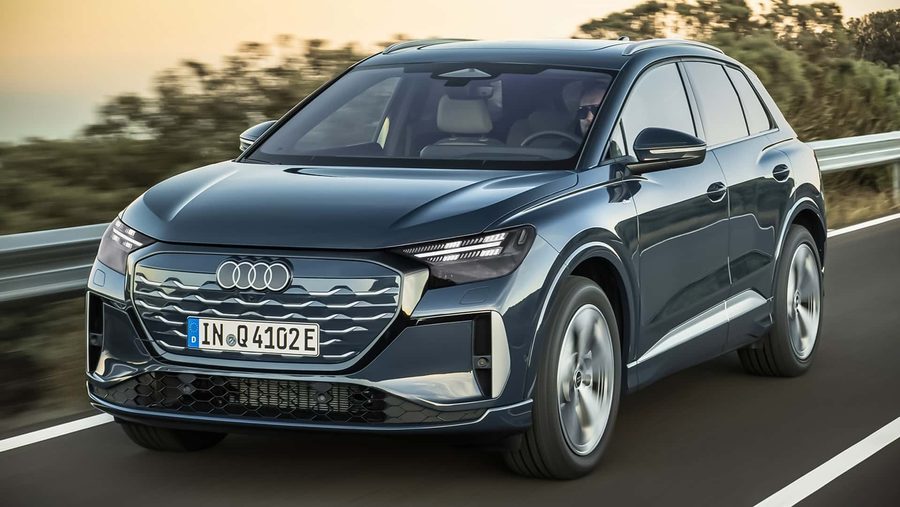
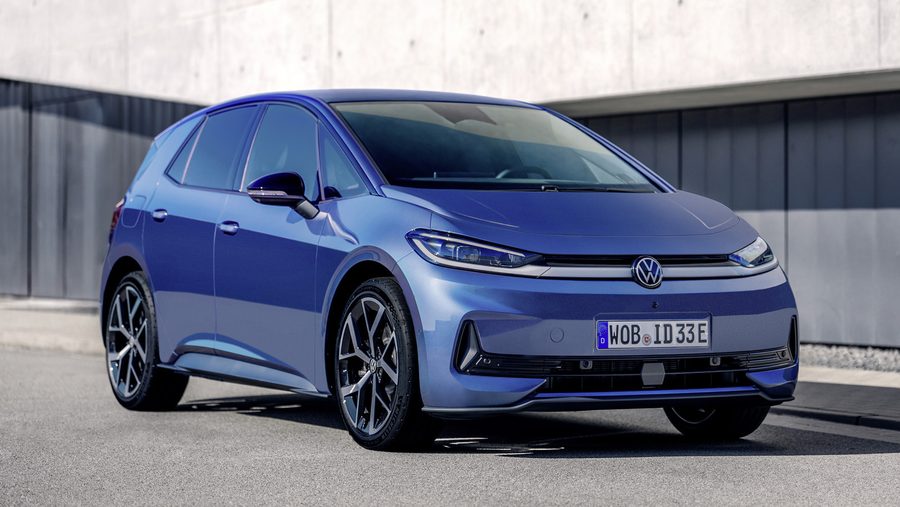
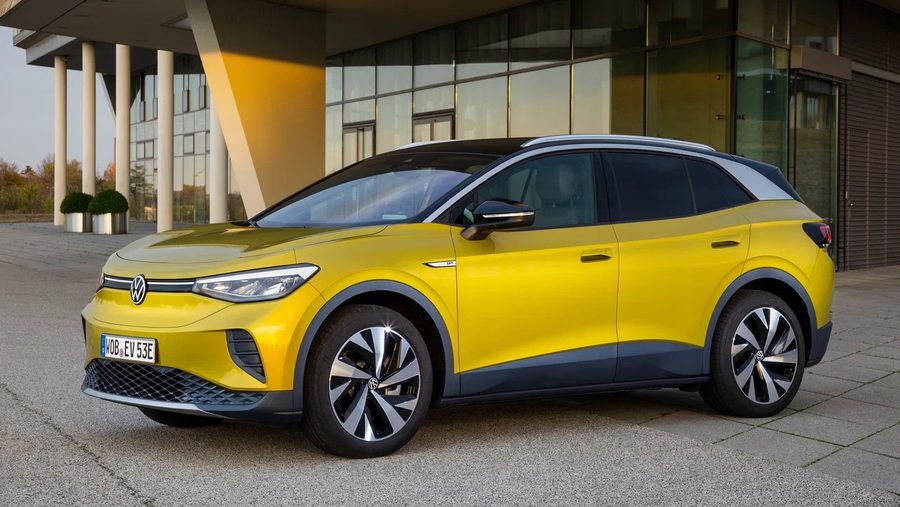
Six electric model lines are assembled there: the Volkswagen ID.3, ID.4 and ID.5, the Audi Q4 e-tron and its Sportback version, and the Cupra Born. Bodies for Bentley and Lamborghini models are welded on the site and finished elsewhere. That line-up is being thinned: reporting from December 2025 has the ID.5 discontinued, the ID.4 sourced from Emden alone, and ID.3 volume moving to Wolfsburg from 2027, which would leave the Audi pair as the plant’s core work.