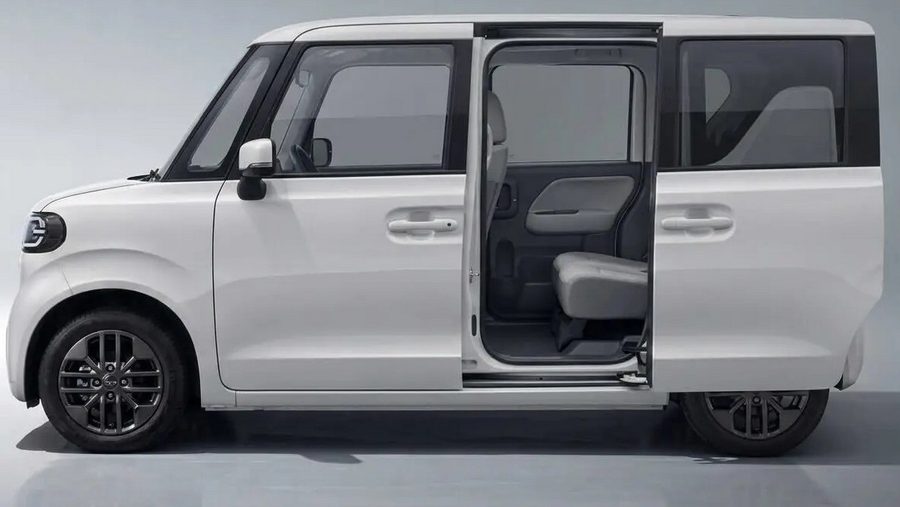
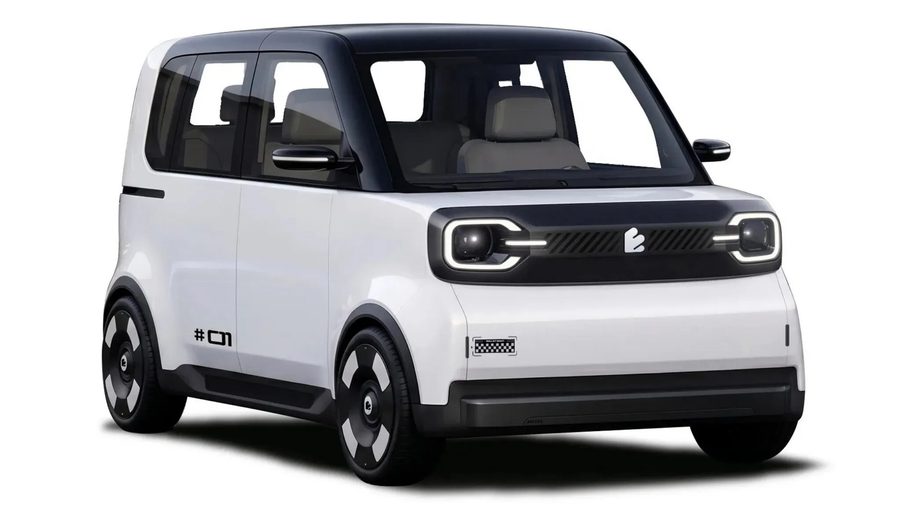
Four numbers define the class: 3,400 mm long, 1,480 mm wide, 2,000 mm tall, 660 cc. There is no styling requirement and no shape rule, so what the regulations actually produce is a design brief with hard walls, and Japanese engineers have spent seventy years pressing outward against all four. Hence the upright bodies, the wheels pushed into the corners, the sliding doors on cars barely longer than a desk, and interior packaging that a European city car cannot match at the same footprint.
The result is close to a third of new-car sales in Japan and a body style with no real equivalent anywhere else. Electrification suits it: a kei car’s daily distance is short, its mass is low and its buyer usually parks at home. BYD built the Racco to the rulebook at 3,395 by 1,475 by 1,800 mm, which makes it a foreign manufacturer competing inside a purely domestic regulation, and Honda’s Super-N works to the same 3,395 mm length. The limits are what make the segment awkward to export and what keep it interesting.