Germany
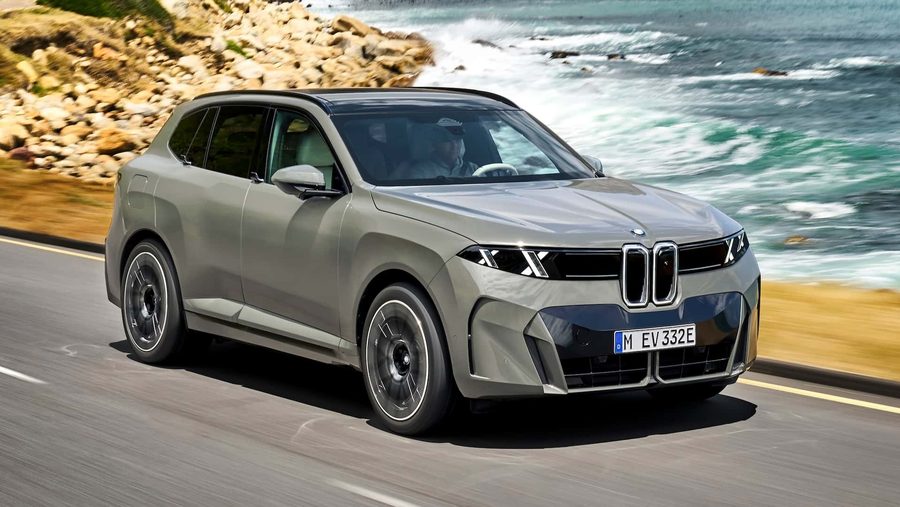
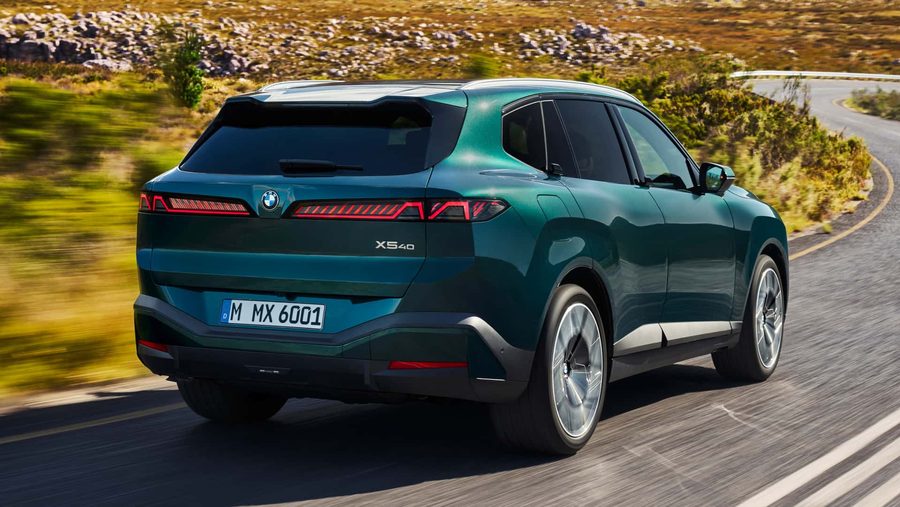
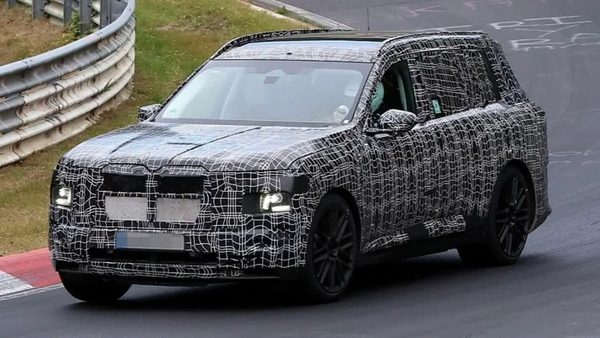
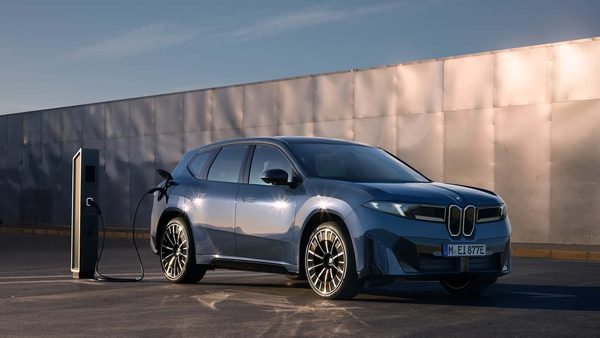
BMW has shown the new iX5 Hydrogen undisguised, in a plain hydrogen test livery, as it works through the final stage of its testing programme. The car before it was a pilot fleet of roughly 100 vehicles handed to selected users; this one goes down a production line in 2028 and becomes the first hydrogen BMW built in series.
The fuel cell system
The iX5 Hydrogen runs third-generation fuel cells that BMW developed jointly with Toyota. The stack and its supporting hardware are 25% more compact than the previous generation, which is what makes the packaging work in a car built alongside petrol, diesel and battery-electric versions. On the electric side, the car carries a high-voltage battery, xDrive all-wheel drive and BMW’s Heart of Joy control unit, the same drive-and-chassis processor used across the Neue Klasse cars.
BMW has not published a power or torque figure for the fuel-cell drivetrain. The company says it expects the car to reach 100 km/h in under five seconds, which is a target rather than a homologated number.
Hydrogen storage and range
Under the floor sits a new arrangement BMW calls Hydrogen Flat Storage: seven carbon-fibre-reinforced-plastic tanks at 700 bar, holding at least 7 kg of hydrogen between them. BMW quotes up to 750 km of WLTP range and a full refuel in under five minutes. Both figures carry the company’s prototype caveat, which is that binding WLTP consumption data is not available at this stage. For scale, the previous iX5 Hydrogen was rated at 504 km.
The refuelling time is the practical difference between a fuel cell and a battery in this size of car. A hydrogen pump takes about as long as a petrol pump; the battery-electric iX5, quick as it is at 460 kW, needs roughly 22 minutes to go from 10 to 80%. What the fuel cell does not have is a refuelling network anywhere near the density of either petrol or charging infrastructure.
Production and the X5 line-up
Fuel cells will be built at BMW’s Steyr plant in Austria, with further components coming from the technology centre in Landshut. Both are component sites; BMW has not restated where the finished car is assembled.
With the fuel-cell car added, the X5 becomes the first BMW nameplate offered with five powertrain types: petrol, diesel, plug-in hybrid, battery-electric and hydrogen. That is the part of the announcement with consequences beyond one car, because it means BMW intends to sell all five off one body and one platform rather than building a separate hydrogen model.