 China
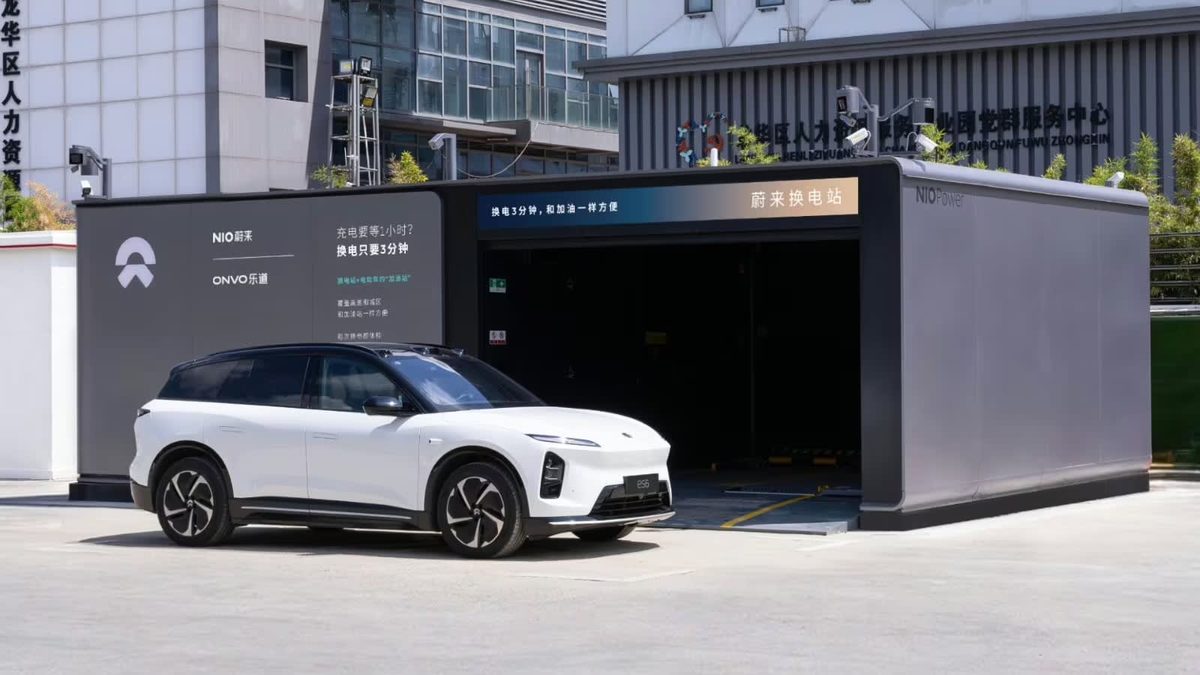
ChinaChina’s seven-day National Day holiday is the heaviest test of fast-energy networks in the calendar, and this year it put two different answers side by side. Between 1 and 7 October, Nio’s battery-swap network completed 1,192,221 swaps across its 4,168 stations, according to CnEVPost. The daily average was up 22% on last year, and the busiest day, 5 October, reached a record 183,664 swaps, edging past the 183,469 set on 1 October.
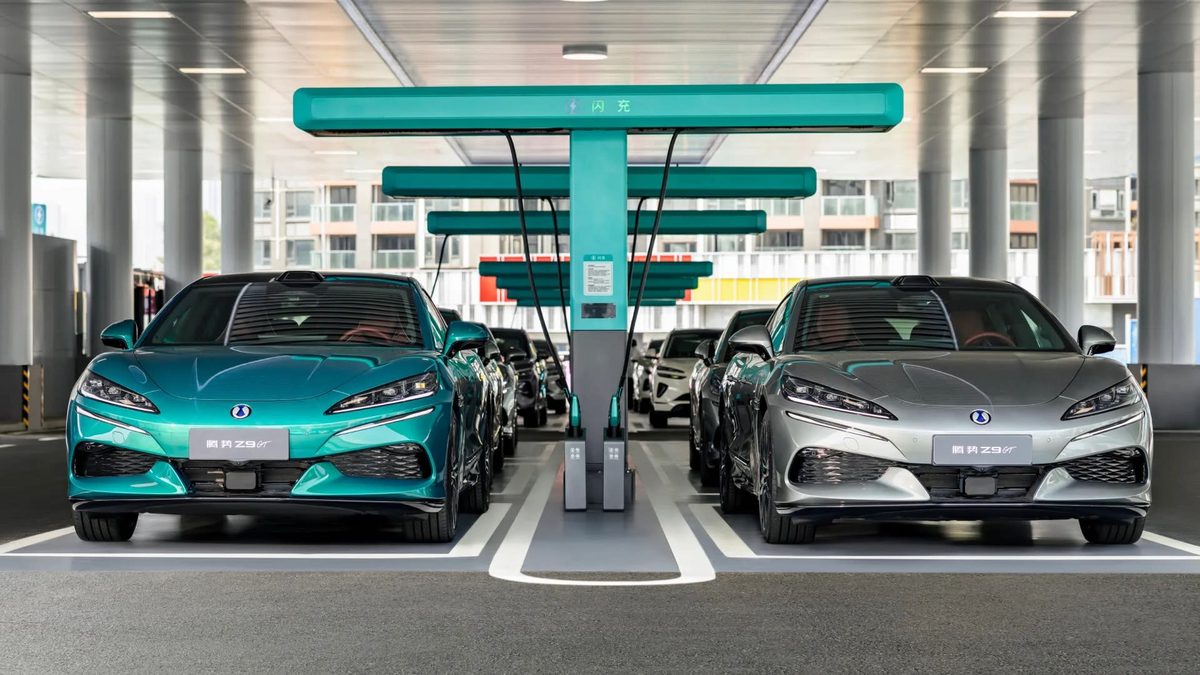
BYD’s Flash Charging network, with 12,165 stations, facilitated over 1.22 million charging sessions in the same week and served 188,344 vehicles on its peak day, per CarNewsChina, which compiled the comparison from the two companies’ releases.
Load per station on the peak day
The peak days are within 3% of each other, but Nio reached its figure with about a third of the sites. Dividing each peak day by its station count gives our own figures:
| Nio swap | BYD Flash Charging | |
|---|---|---|
| Stations | 4,168 | 12,165 |
| Peak day (vehicles) | 183,664 | 188,344 |
| Peak day per station | 44 | 15.5 |
| Busiest single station, one day | 211 | 160 |
BYD has 2.9 times as many stations, and each Nio station carried about 2.8 times the peak-day load. CarNewsChina’s headline says Nio’s efficiency “triples” BYD’s; the arithmetic gives a little under that.
Why the numbers are not a verdict
A swap and a charge are different events. CarNewsChina’s table puts a swap at 6 minutes 49 seconds and a charge at 9 minutes, and a swap hands the driver a full battery while a charge adds what the car accepts. Utilisation also differs. BYD’s network is shared with other brands, and half the connectors at each site are reserved for BYD models, so older BYD cars that cannot use Flash Charging can occupy bays and keep the network below full capacity. Nio’s network is effectively closed to other makes, which lifts its per-station load.
The comparison therefore shows how each network held up under a holiday surge, not which technology is better. Nio’s own volumes are in the Q3 deliveries report.