 Germany
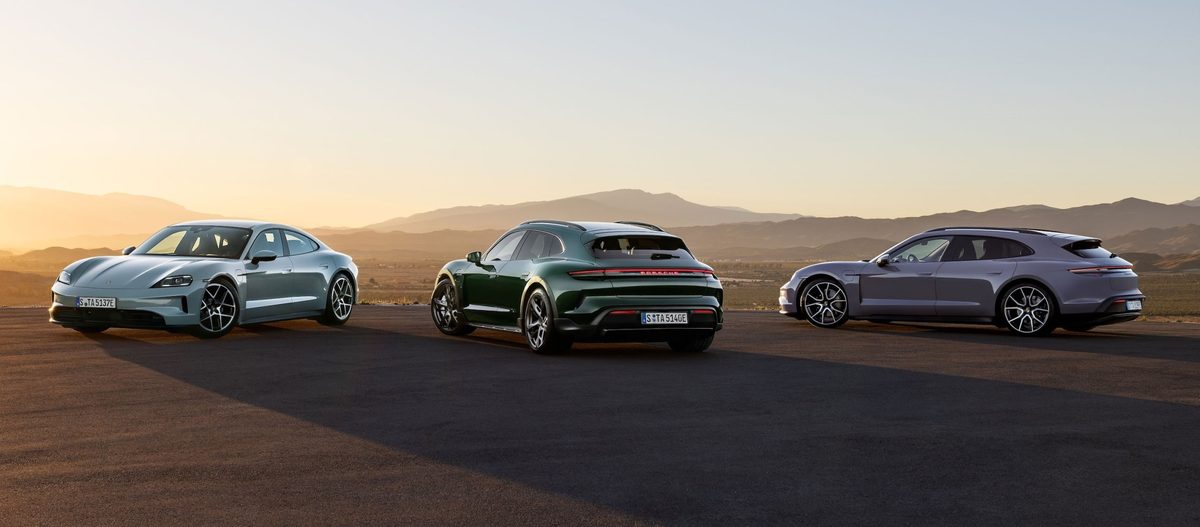
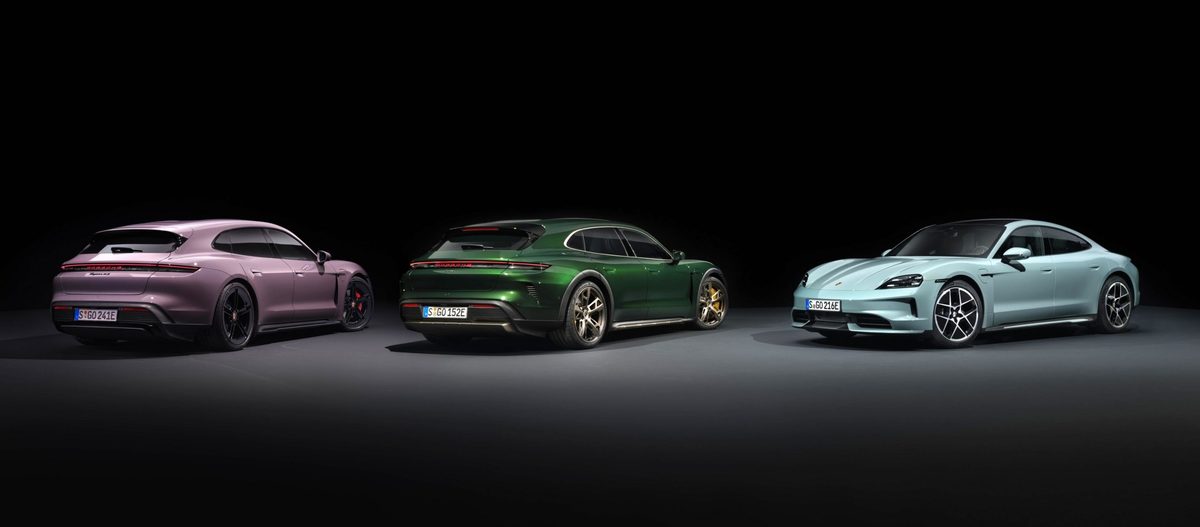
The Taycan launched in 2019 as proof that Porsche could electrify without compromise. The 2024 facelift added more range and Nürburgring records. Neither has been enough.
Sales in 2025 fell 22% to 16,339 units. The first quarter of 2026 dropped a further 19% to 3,420 cars. The Zuffenhausen factory has been running with intermittent shutdowns since early May; production this week has stopped entirely, with pauses to continue “in line with the order situation.”
The pricing gap is the clearest explanation - Taycan starts at €102,600 in Germany. The Zeekr 001 starts at €59,990. In 2026, Xiaomi officially enters Europe; the YU7 GT launched in China at $57,400. Porsche has no answer in the sub-€80,000 electric segment.
China - Porsche is already winding down its own charging network there, unable to compete with local operators on coverage or speed.
Context - the Taycan isn’t alone. Porsche is simultaneously phasing out the petrol Macan and the 718 family. Parent company Volkswagen Group is navigating its own management crisis. Whether the production pause is temporary or the first sign of a longer strategic shift is not yet clear.
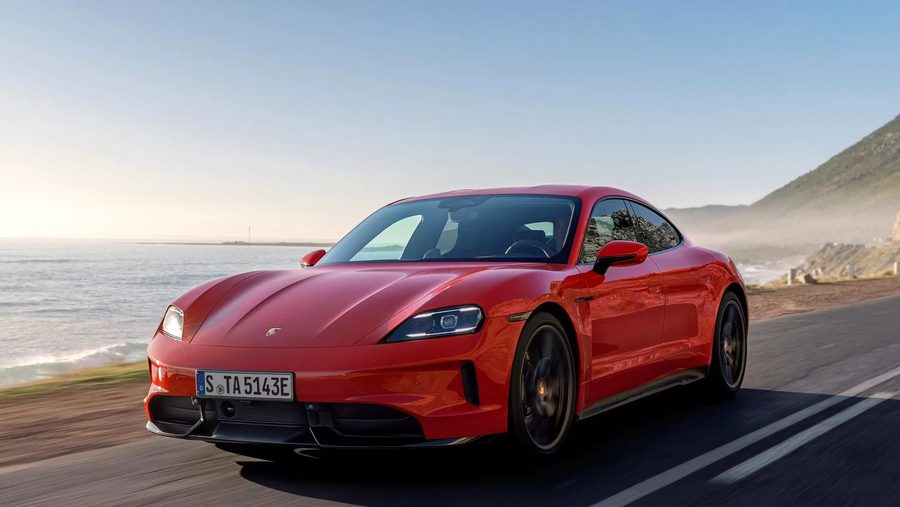
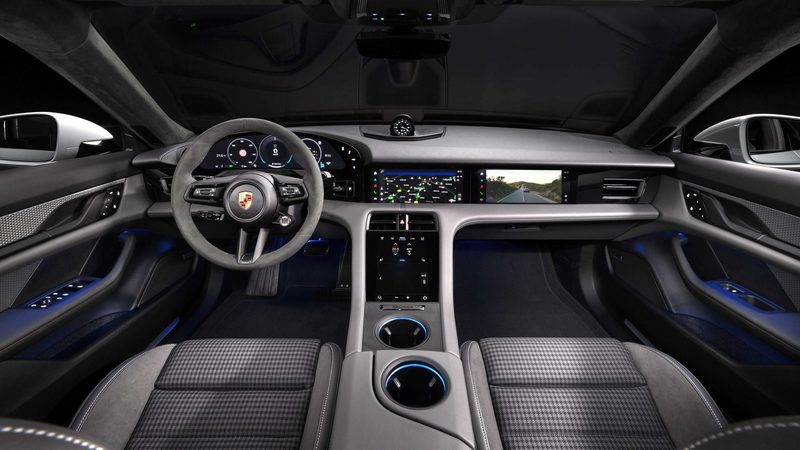
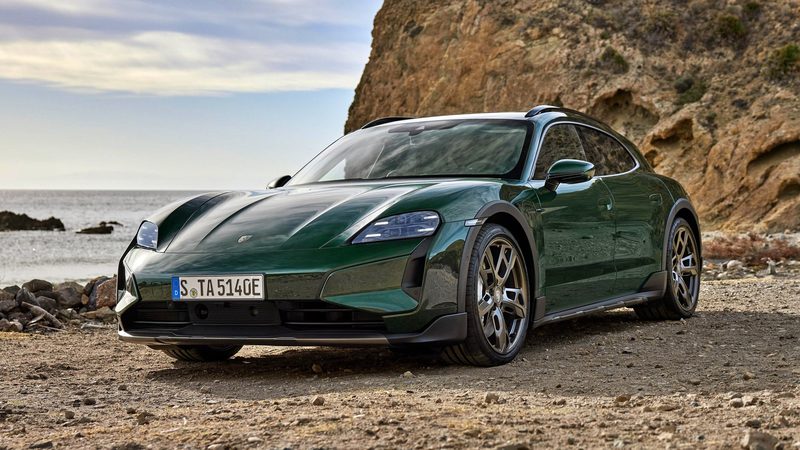
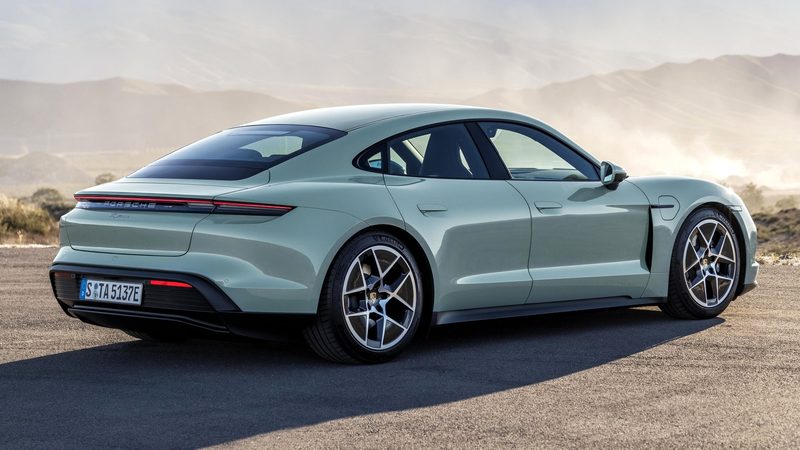
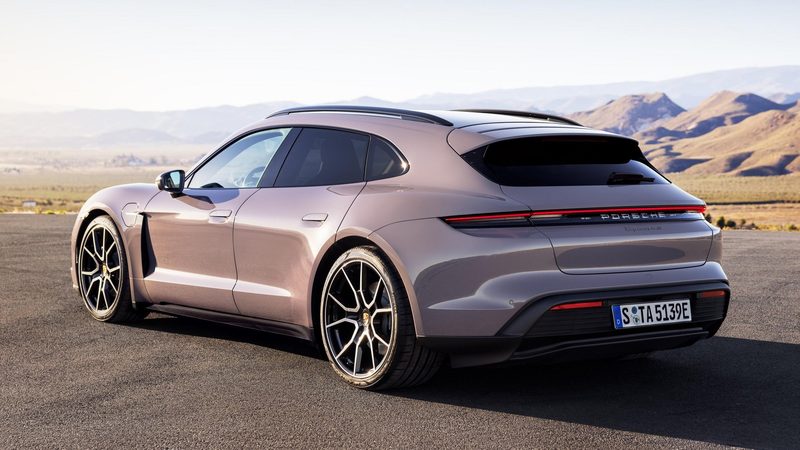
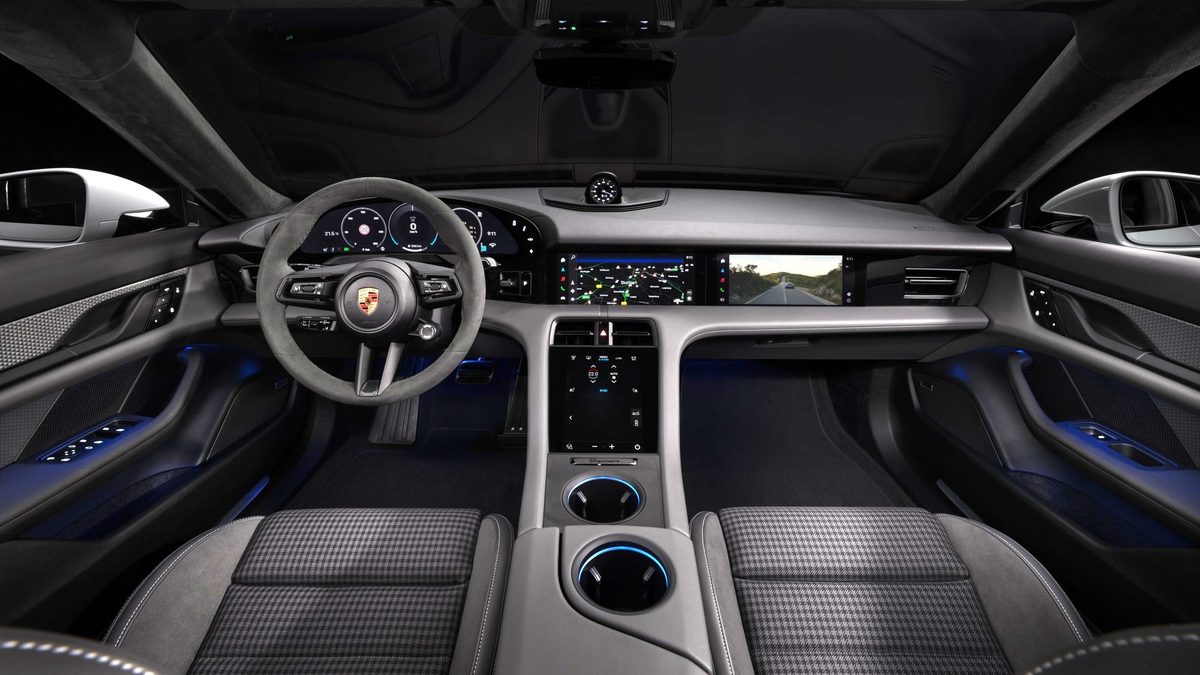
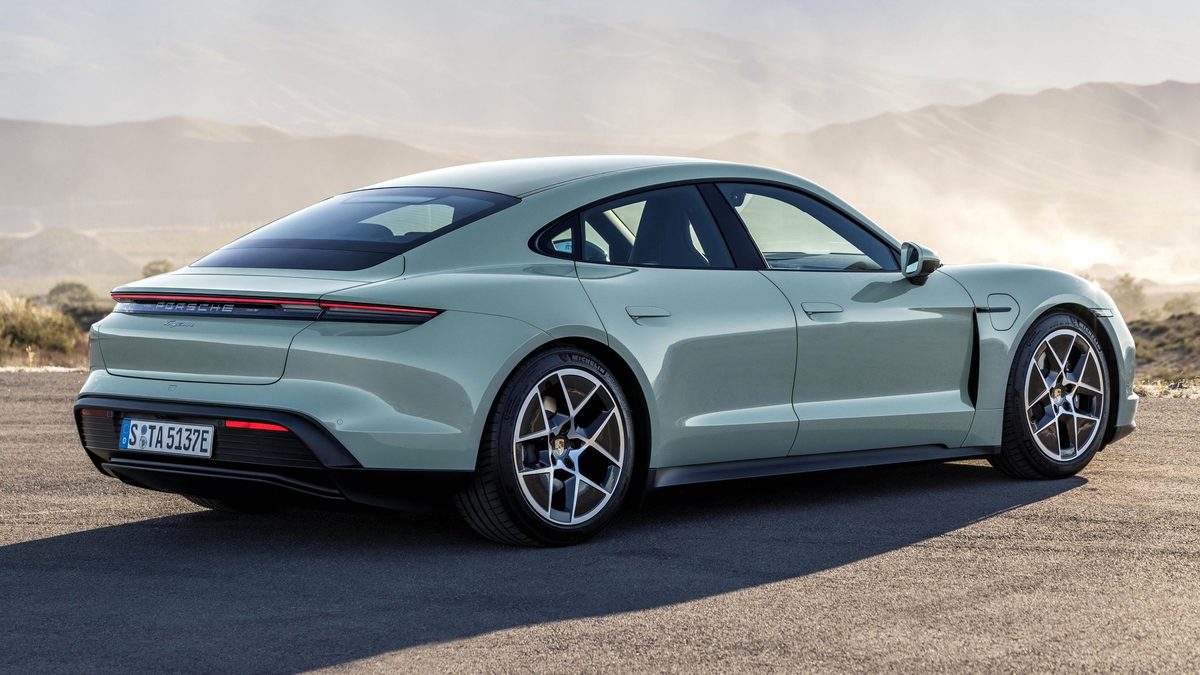
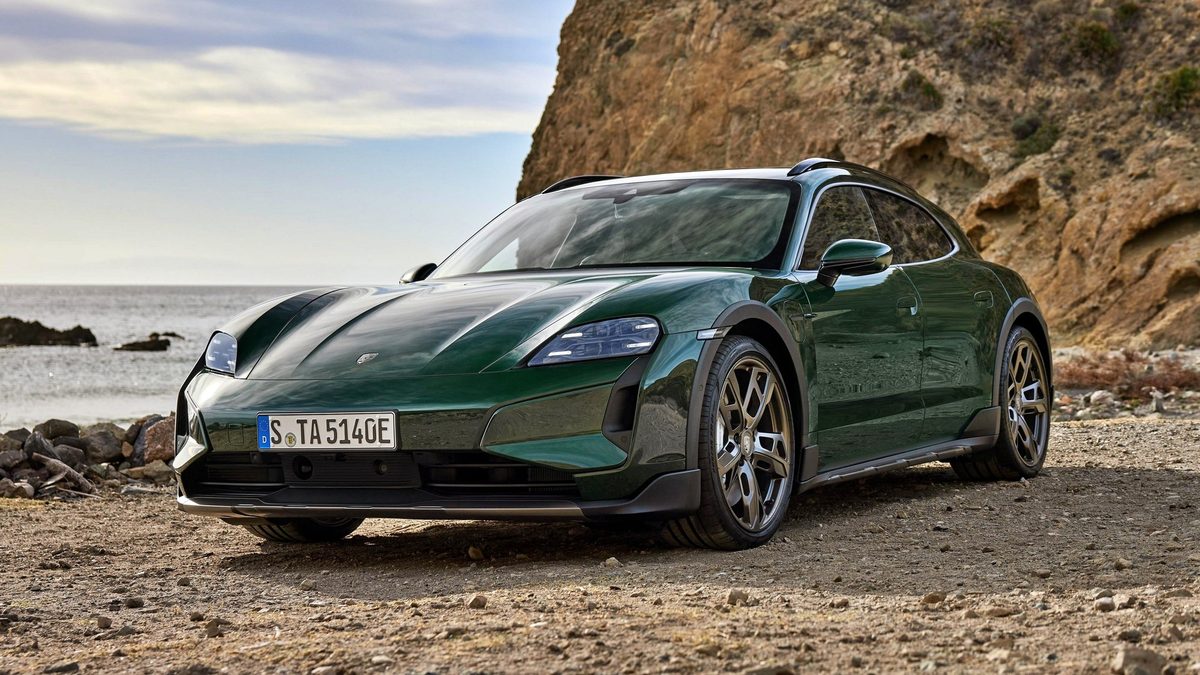
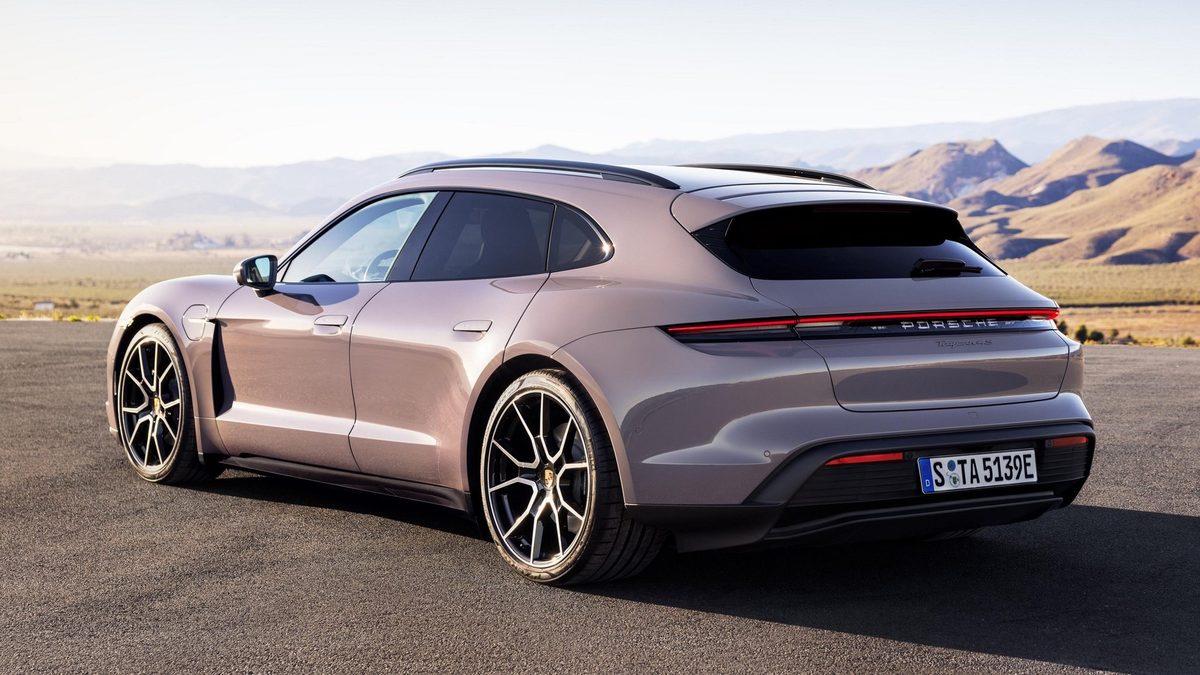
The Porsche Taycan is a full-size electric sports sedan and estate available in RWD and AWD configurations. The 2027 model year adds E-Shift (8 simulated gears via paddles), native NACS charging on the passenger side, and extends the Performance Battery Plus 105 kWh as standard. Range up to 700 km WLTP. Prices from €102,600 in Germany.
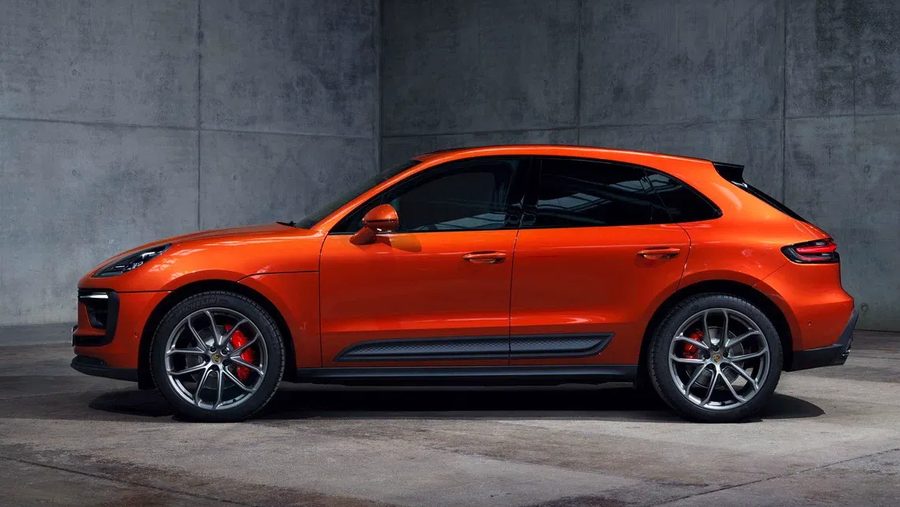
Porsche's compact SUV and volume leader since 2014. Combustion production at Leipzig ends summer 2026 - ICE Macan still outsold the electric successor, with 10,130 of 18,209 Q1 2026 Macans being petrol-powered.
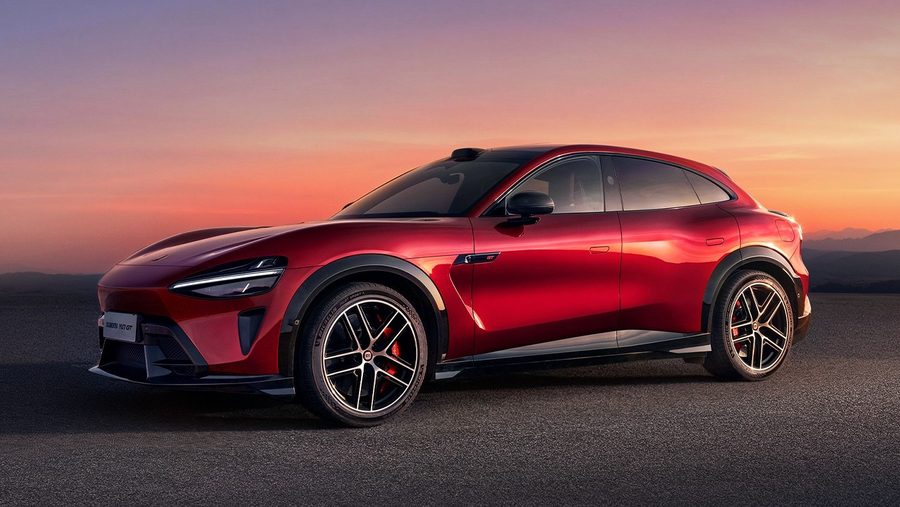
Xiaomi's performance SUV with a Nürburgring lap record for production electric SUVs. Twin-motor HyperEngine V8s EVO, 1003 hp / 1068 Nm, 101.7 kWh, 705 km CLTC. From ¥389,900 in China.
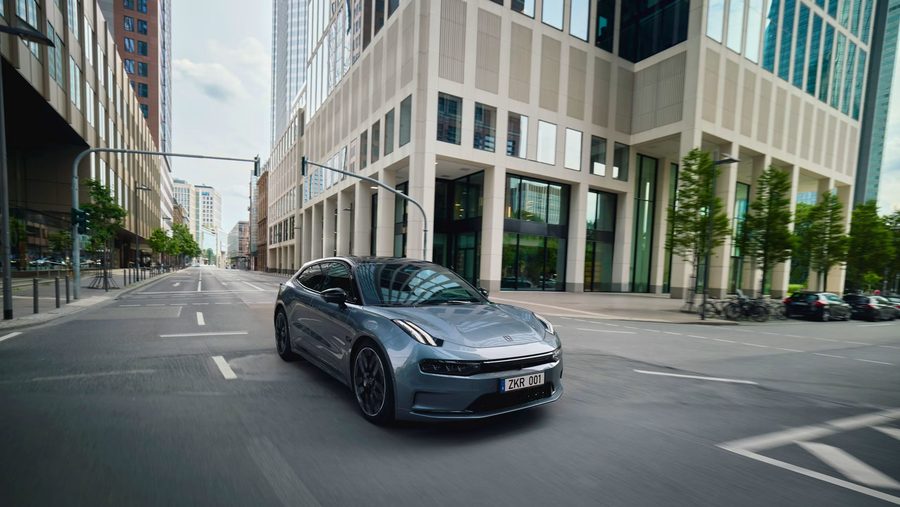
The Zeekr 001 is a large electric shooting brake and the car Geely's premium EV brand launched in Europe first. A 100 kWh battery is standard across the range, giving 620 km of WLTP range in rear-drive form, and the twin-motor versions make 400 kW. German prices start at EUR 59,990.