MPV Cars

One-box people carriers of any size, from compact five- and seven-seaters to the large chauffeur-class kind.

6 models

Start with the seats and draw the body around them. That is the whole idea, and it produces a tall square box with a low floor, a windscreen pushed forward over the front wheels and a third row that adults can reach without contortion. Nothing else packages people as efficiently per metre of car. What it gives up is any pretence of being sporting, along with the ride height that buyers have chosen instead since the 2000s.

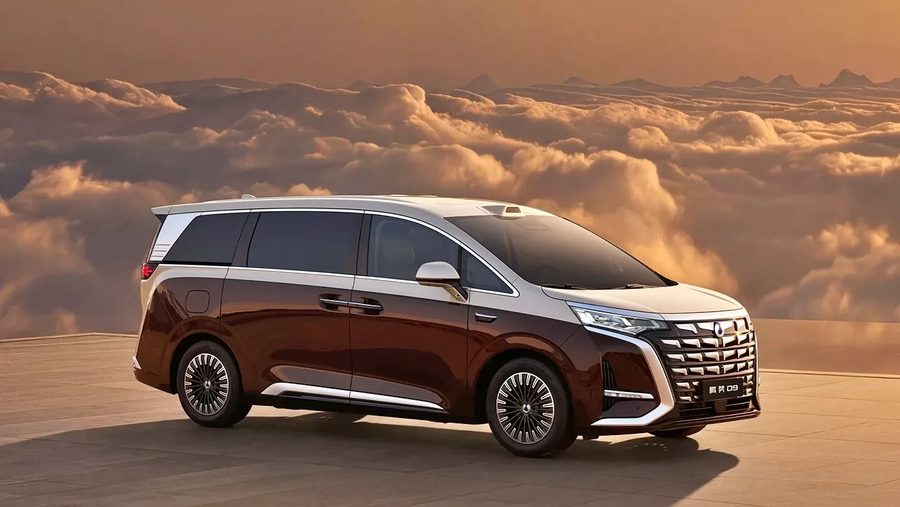
Two markets have taken the format in opposite directions. Europe built compact MPVs on hatchback platforms through the 1990s and 2000s and then largely replaced them with crossovers of the same footprint. China went the other way and turned the large MPV into a business-class product, with the rear seats treated as the good ones: the Denza D9 is 5,250 mm long, the Maextro V800 5,495 mm, and the Xpeng X9 applies the same thinking to a pure electric platform. The North American branch of the family, with its sliding doors and its own vocabulary, sits under minivan.
Models

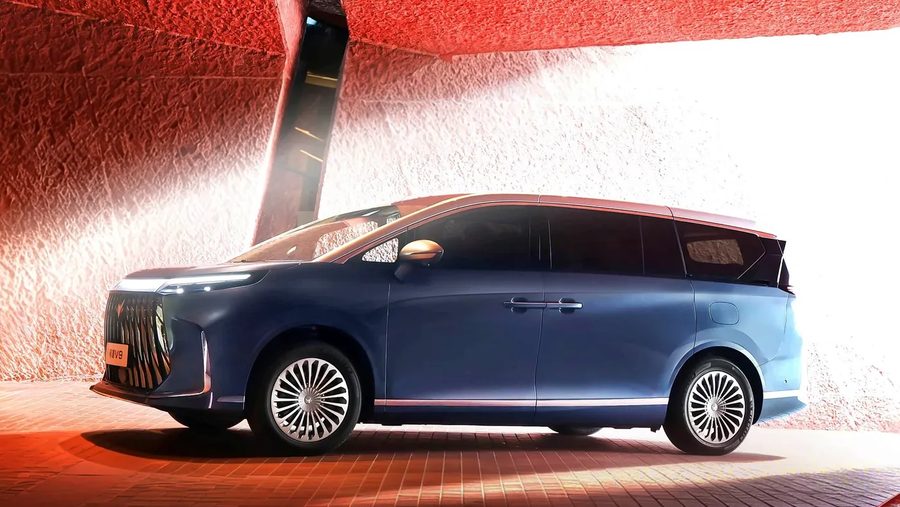
Arcfox's premium MPV for China. EREV powertrain - 309 hp electric motor with a 1.5T range extender. 2+2+3 seating, 3,200 mm wheelbase, 21.4" ceiling screen. From ¥219,900 ($32,200).

309 hp FWD

The Denza D9 is a seven-seat luxury MPV from BYD's Denza brand, sold as a DM-i plug-in hybrid with 401 km of CLTC electric range or as a pure EV with up to 800 km CLTC range. Prices start from ¥359,800.

349 hp 401 km AWD

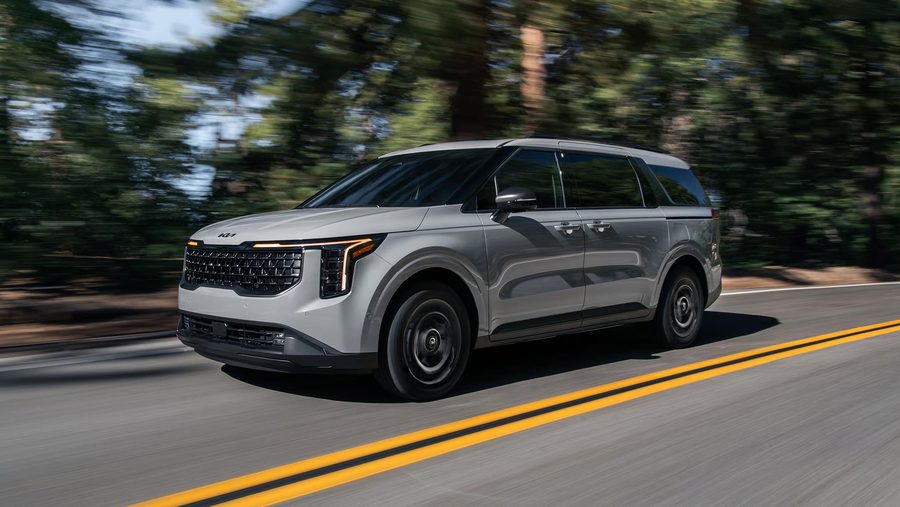
The Kia Carnival Hybrid is the hybrid version of Kia's three-row MPV for the US market, pairing a 1.6-litre turbocharged four-cylinder with an electric motor for 242 hp combined and an EPA-rated 32 mpg. It seats seven or eight and starts at $41,390.

242 hp FWD

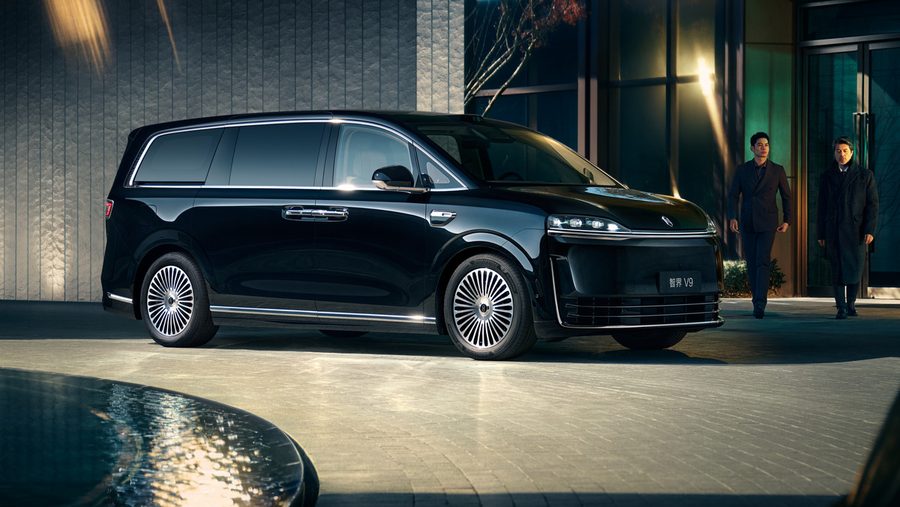
Luxeed's first MPV and third model. 800V EREV platform from Chery and Huawei, 53.4 kWh battery, 7 seats. RWD from 309 hp / 305 km CLTC; AWD from 520 hp / 285 km CLTC. 21.4" ceiling display, rotatable second-row captain's chairs, Huawei full-stack driver assistance. On sale in China from ¥389,800.

Announced

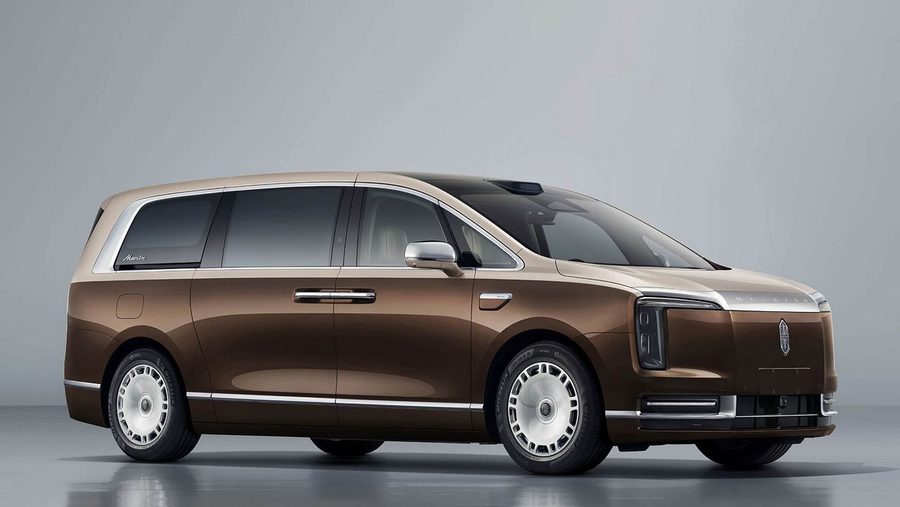
Maextro's second model and first minivan, from Huawei and JAC's HIMA alliance. A plug-in hybrid with a 1.5-litre turbo generator plus two motors for 530 hp, AWD, a 63.2 kWh battery and 275 km of WLTC electric range. Six-seat 2+2+3 cabin with Huawei electronics. Premiere imminent; pricing not yet announced.

530 hp 275 km AWD
X9
EV

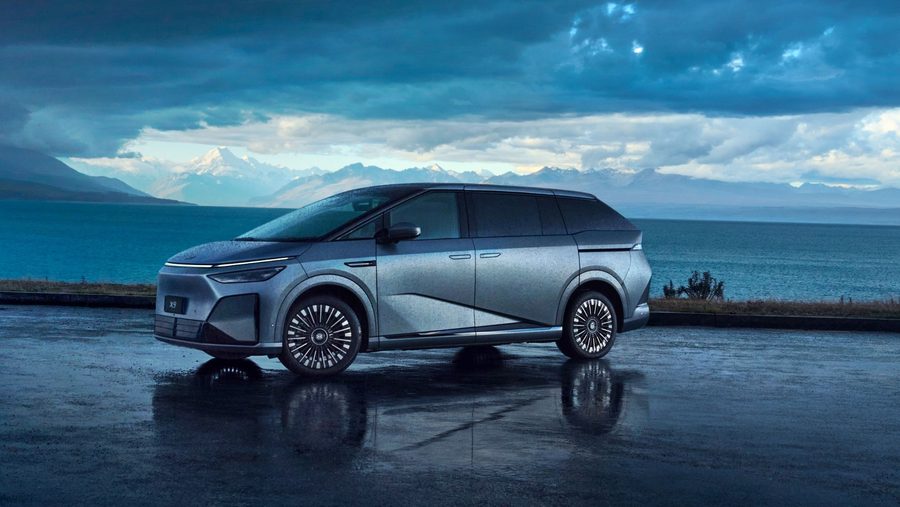
The Xpeng X9 is a full-size, seven-seat electric MPV on an 800V platform with 5C fast charging and rear-wheel steering. In Europe it is offered in two battery sizes with up to 615 km of WLTP range, from a 94.8 kWh Standard Range to a 370 kW AWD Performance, with German prices from 77,600 euros.

496 hp 615 km AWD
Frequently asked questions
What does MPV stand for?
Multi-purpose vehicle. It is the European and Asian term for a car whose body is shaped around its seats rather than around a boot, and it carries no technical definition. Height, a flat floor and a cabin that can be reconfigured are what earn the label.
What is the difference between an MPV and a minivan?
Scope. Minivan is the North American name for one particular kind of MPV: large, three rows, sliding rear doors, built on a car platform. MPV is the wider term and also covers compact five- and seven-seat people carriers with hinged doors, which were never called minivans anywhere.
What is the difference between an MPV and an SUV?
Where the extra space comes from. An MPV keeps a low floor and gains room by making the box taller and squarer, so the third row is usable and getting into it is easy. An SUV raises the whole car off the ground, which buys clearance and a commanding seat and costs interior efficiency at the same exterior length.
Search