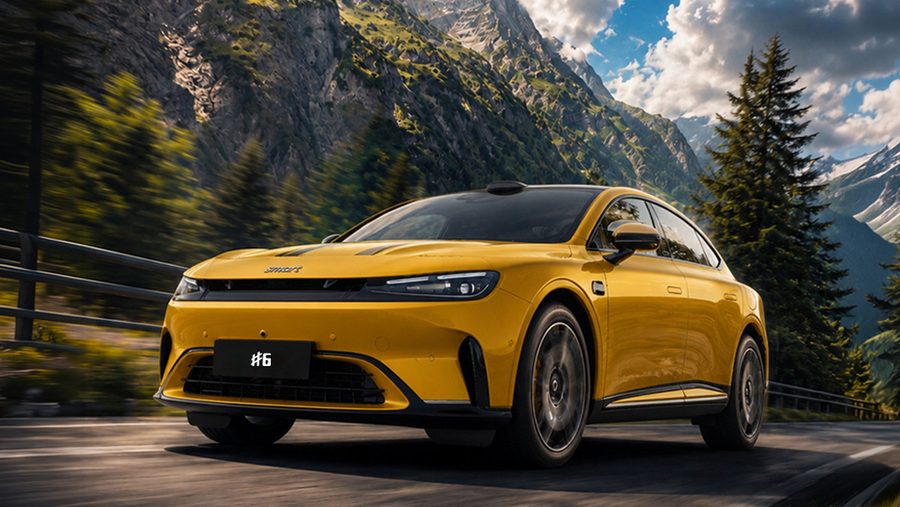
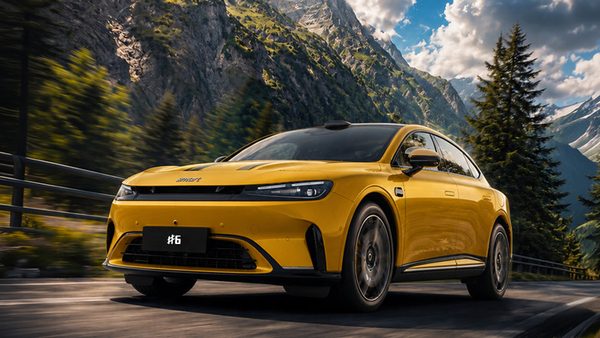
The smart #6 EHD is the brand's first sedan and its largest model yet, a fastback plug-in hybrid for China built on Geely's SEA platform. The EHD powertrain pairs a 1.5T engine with an electric motor for 435 hp, with up to 285 km of electric range (CLTC) and a LiDAR unit as standard. Prices run from 179,900 to 229,900 yuan (about $25,100 to $32,100).
smart
Premium small-car brand, now a 50:50 joint venture between Geely and Mercedes-Benz. Design is led from Germany by Mercedes; engineering and platforms come from Geely. The current range is built in China and spans EVs and EHD plug-in hybrids.

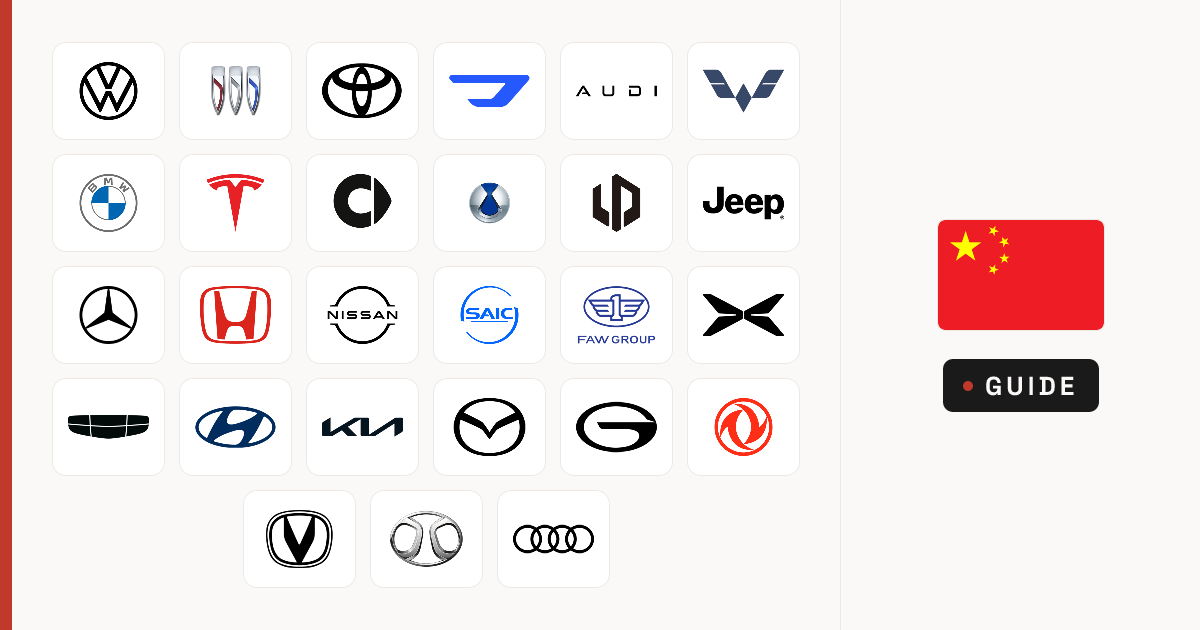
China's car market runs on a handful of giant groups, each fielding a stack of brands. Here is who owns what - the parent companies, the sub-brands, the Huawei alliance, and why the chart keeps changing.

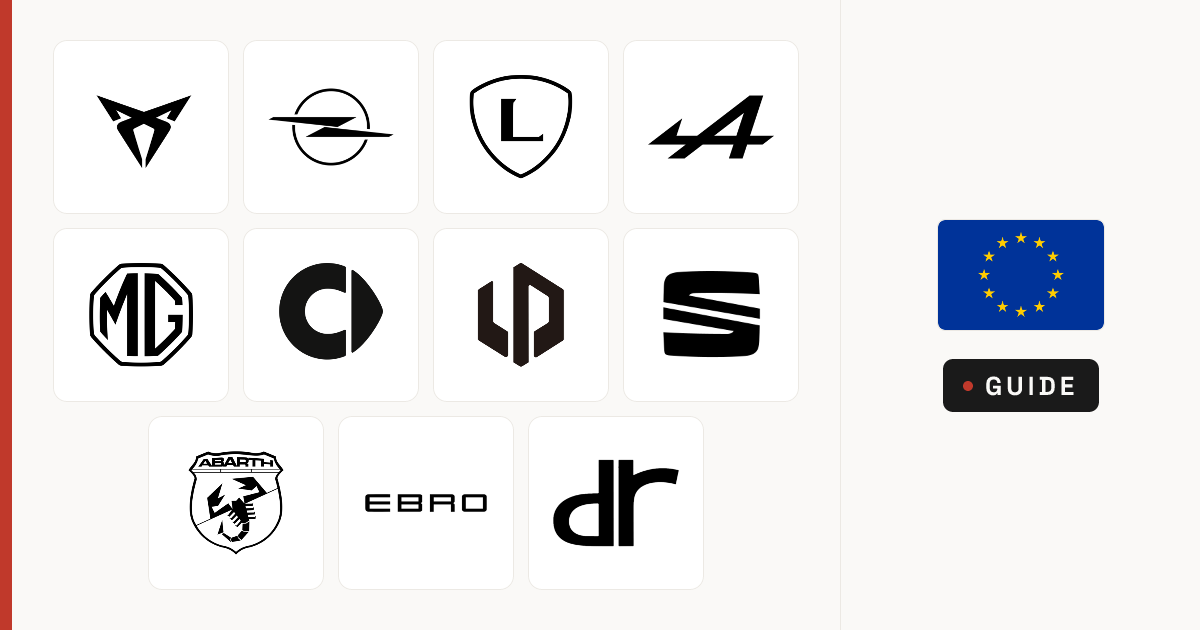
Most European badges trace back to about five mega-groups - Volkswagen, Stellantis, BMW, Mercedes-Benz and Renault. But several beloved European brands are now owned abroad, in China, India and the UAE, and a few Chinese and joint-venture names now sell under European flags. Here is who owns what in 2026.
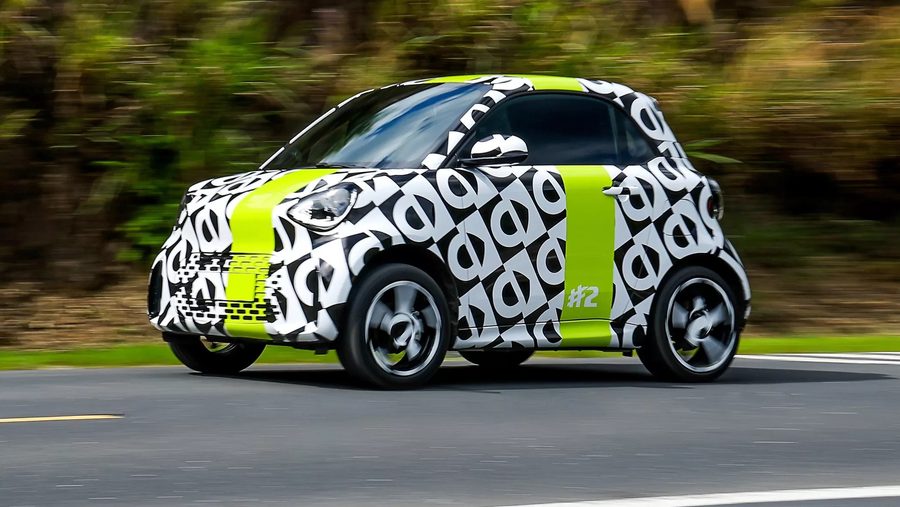
smart began in 1994 as a Mercedes-Benz project for ultra-compact city cars, and for years it was known almost entirely for the two-seat ForTwo. In 2019 the brand was relaunched as smart Automobile Co., Ltd., a 50:50 joint venture between Geely and Mercedes-Benz, and moved its operations to China.
Under the joint venture the division of labour is fixed: Mercedes-Benz leads exterior and interior design from Germany, while Geely supplies the engineering, the SEA electric architecture, and the EHD plug-in-hybrid system. The cars are developed and built in China.
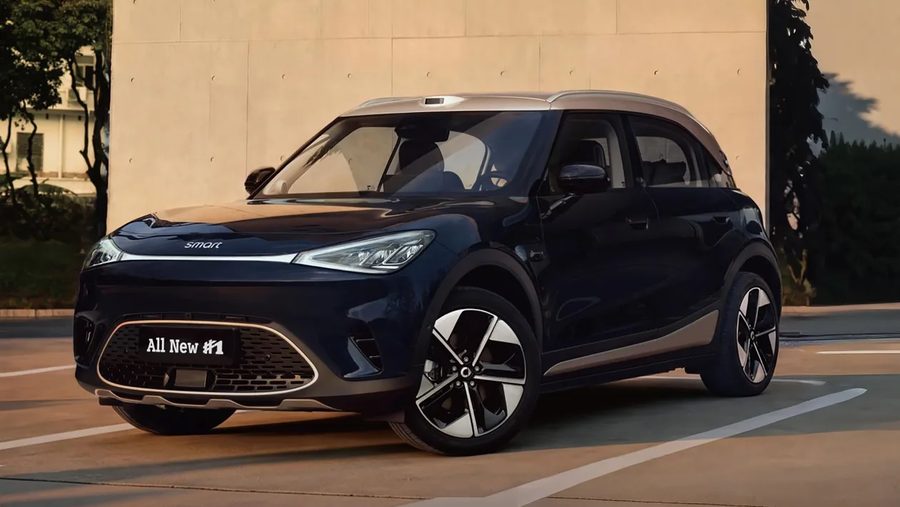
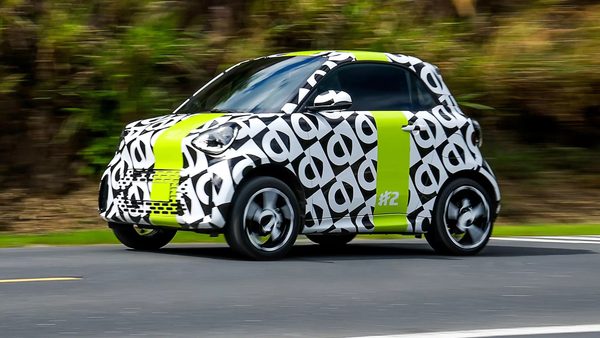
The modern smart line-up has grown well beyond the original city car. It runs from the #1 and #3 compact crossovers up through the larger #5 SUV and the #6 fastback, offered as both battery-electric models and EHD plug-in hybrids for the Chinese market.