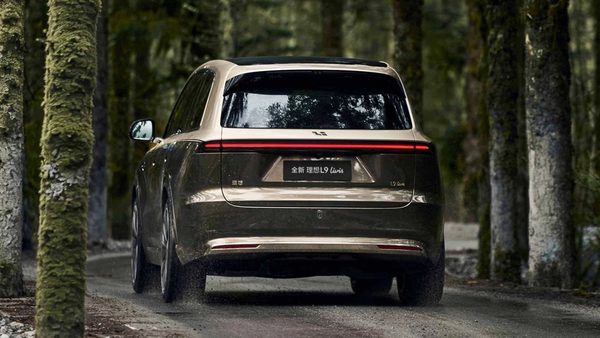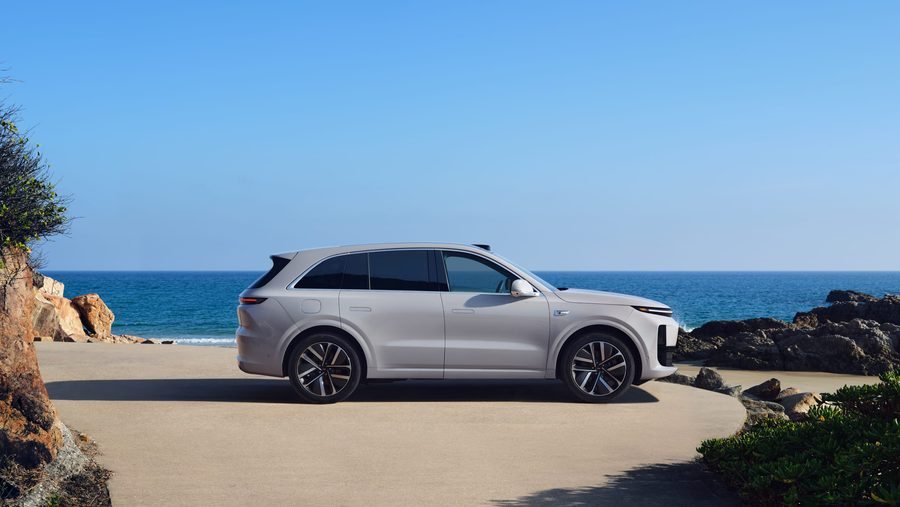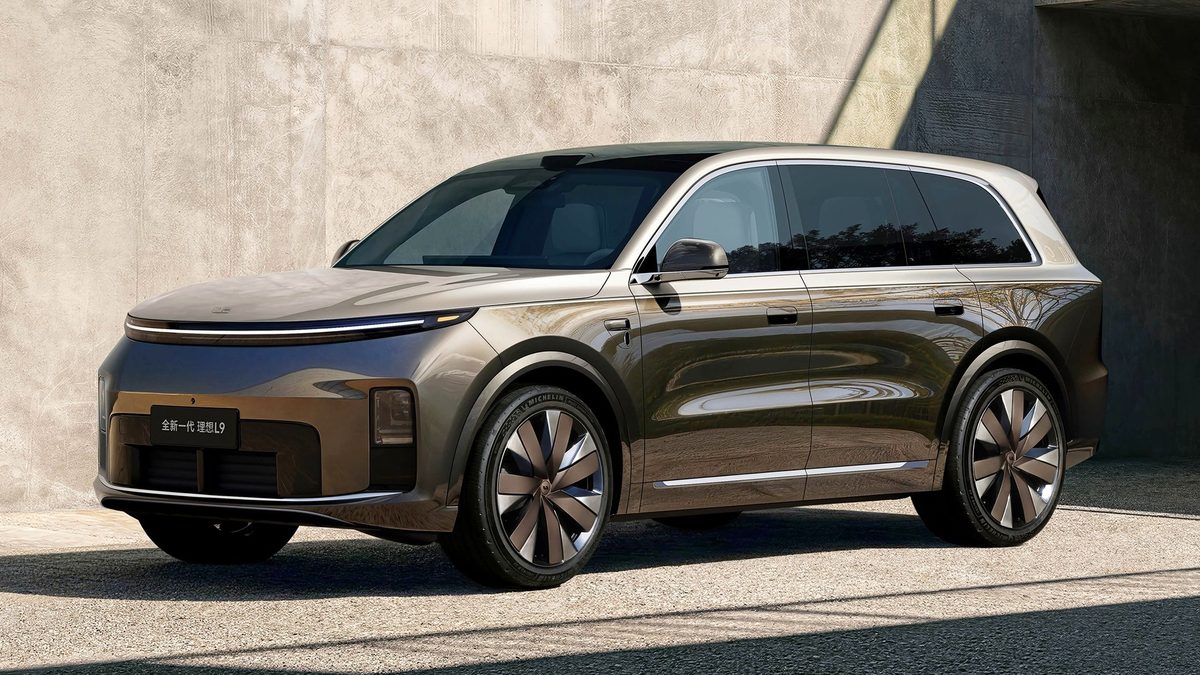
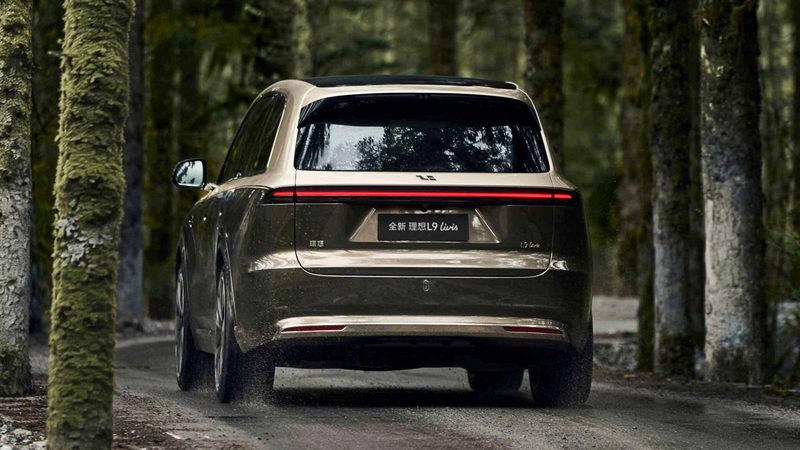
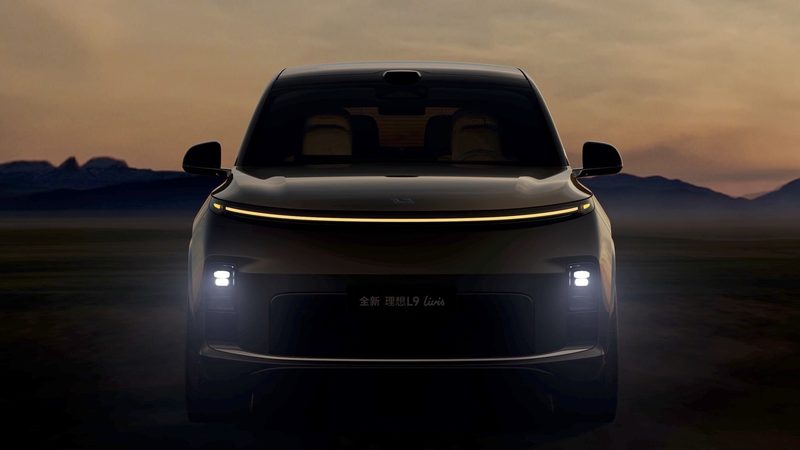
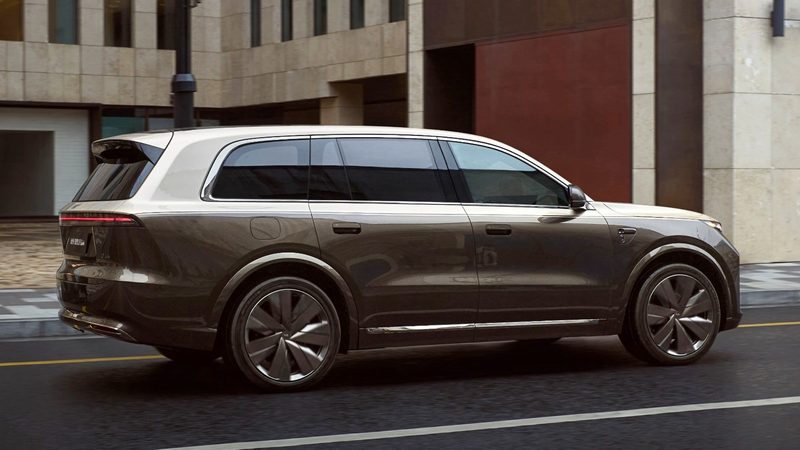
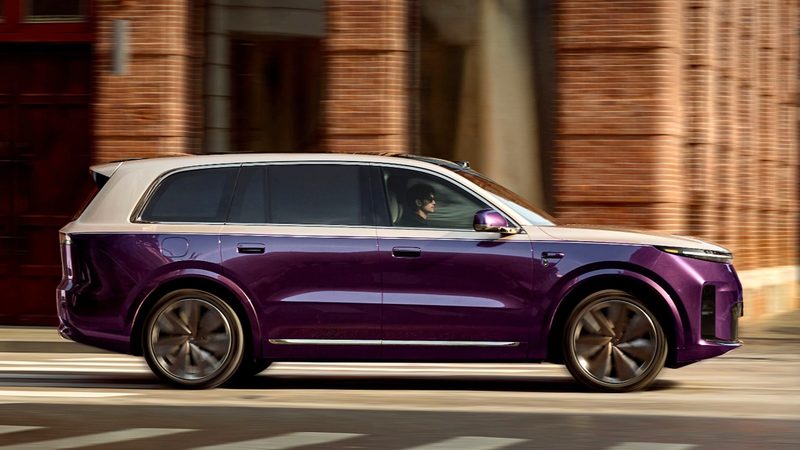
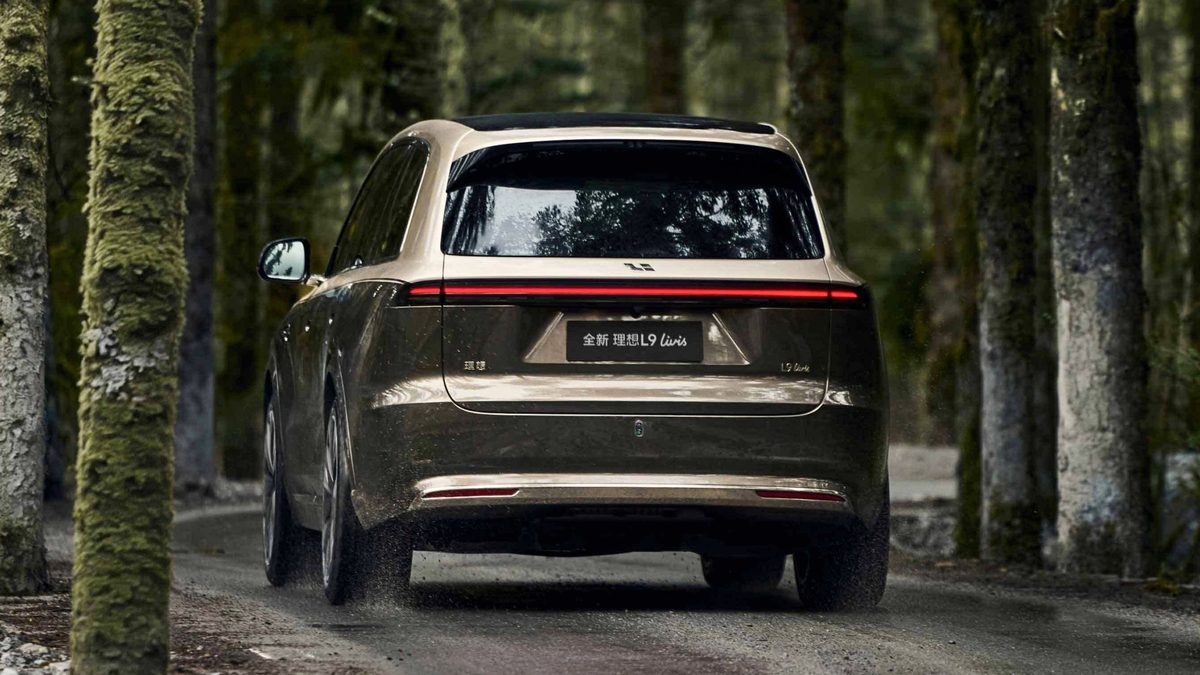
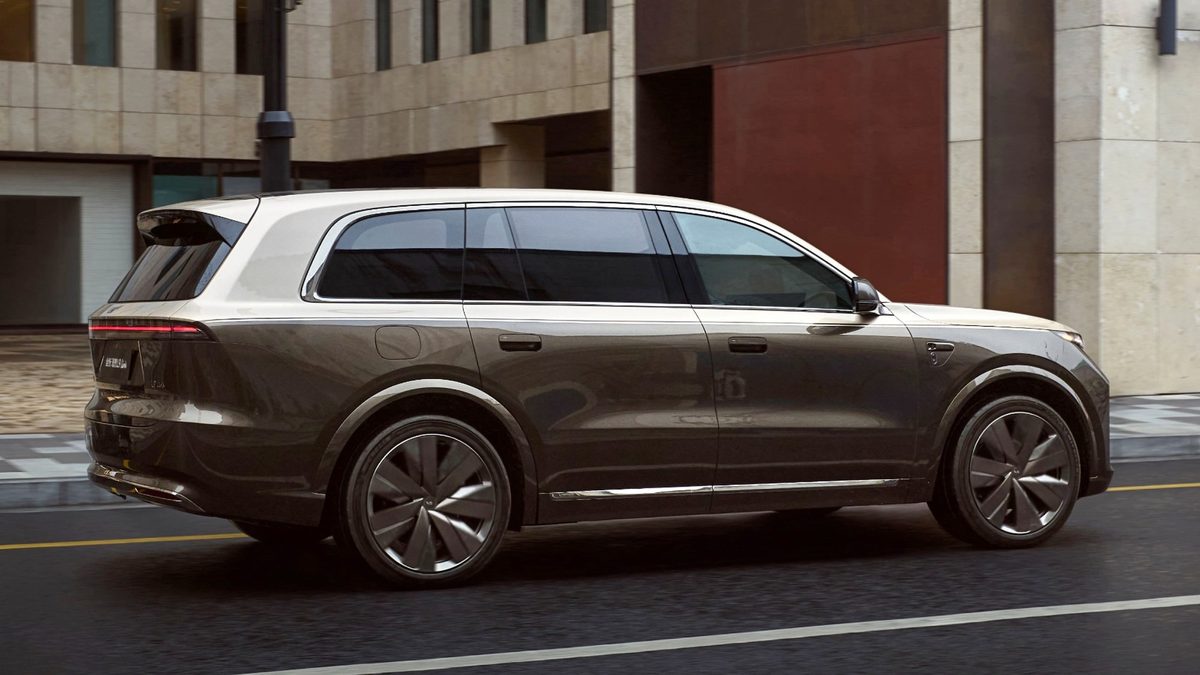
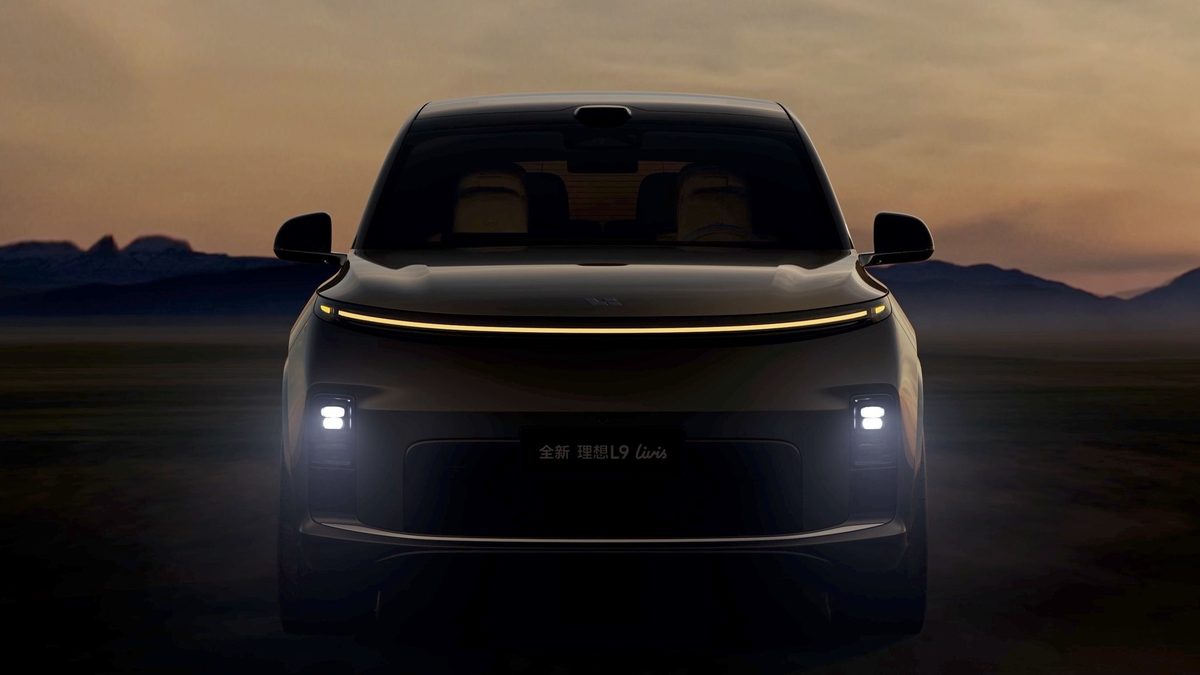
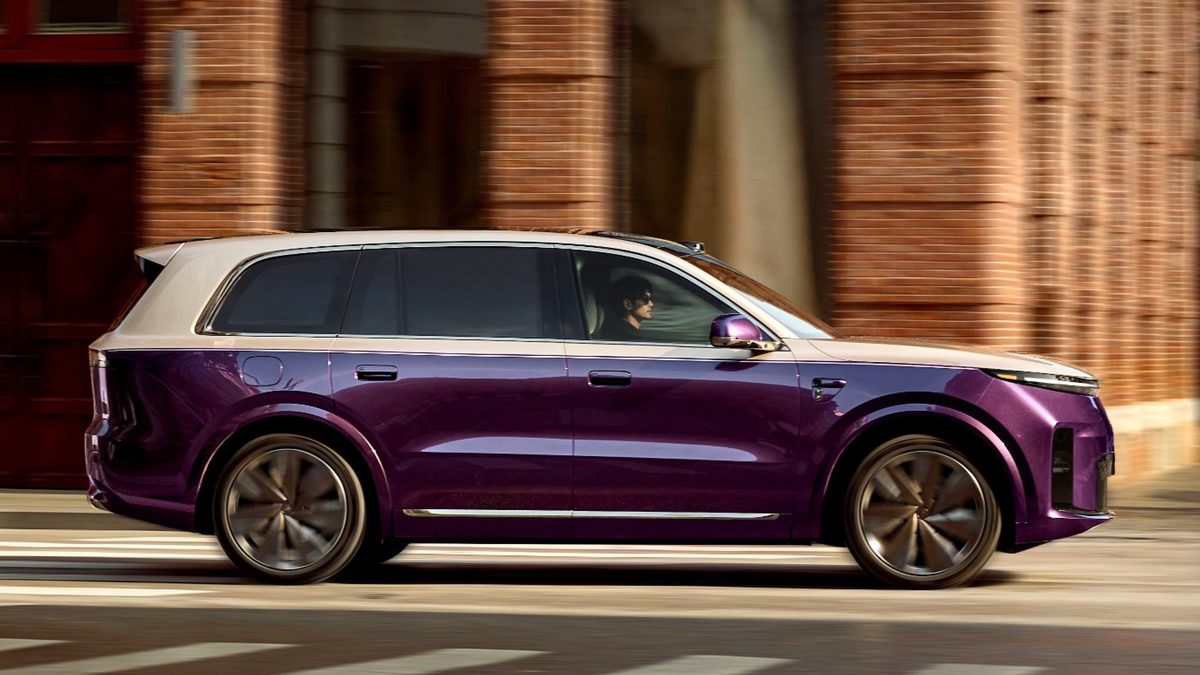
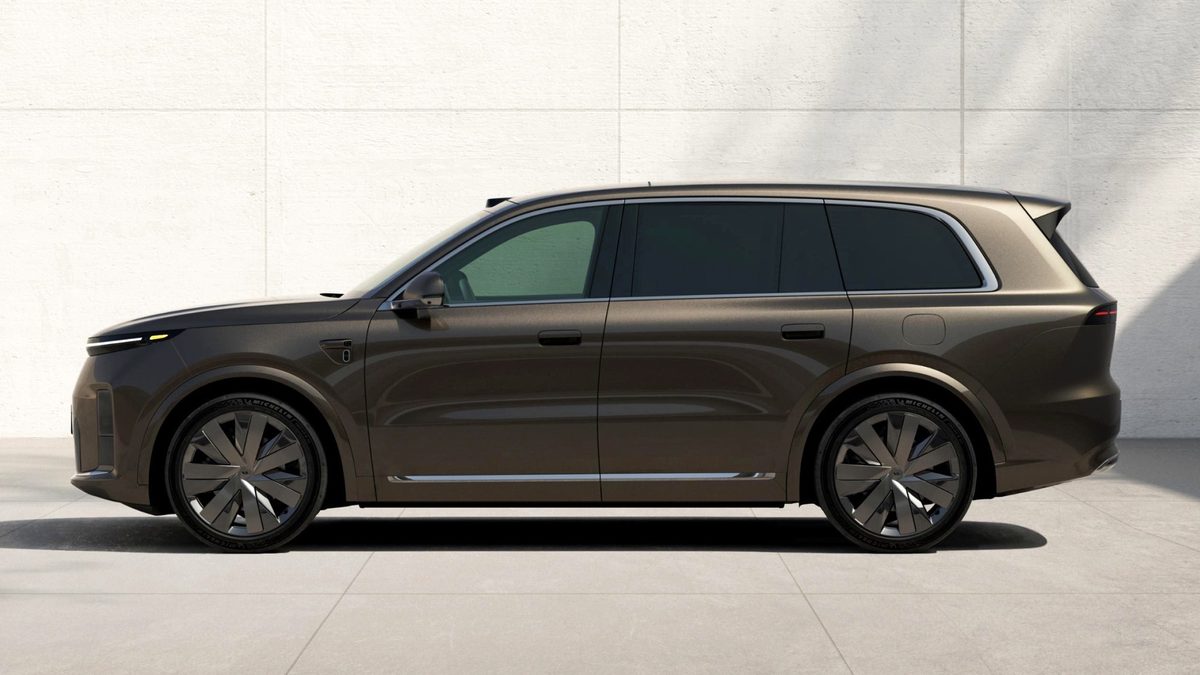
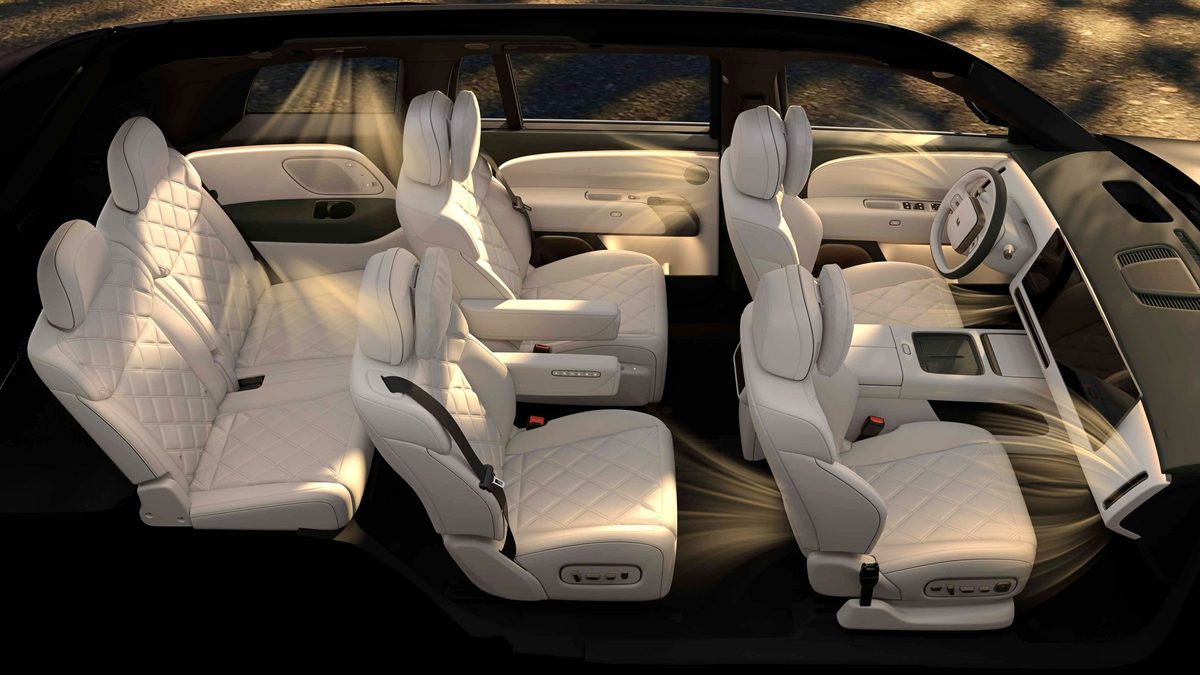

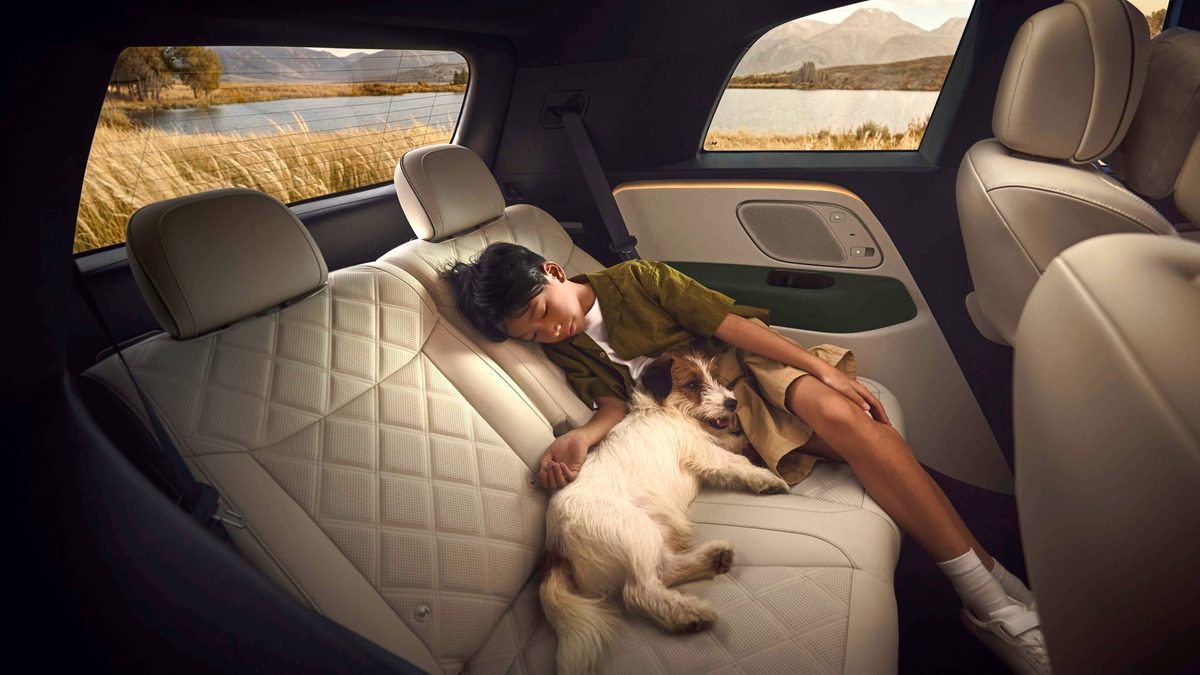
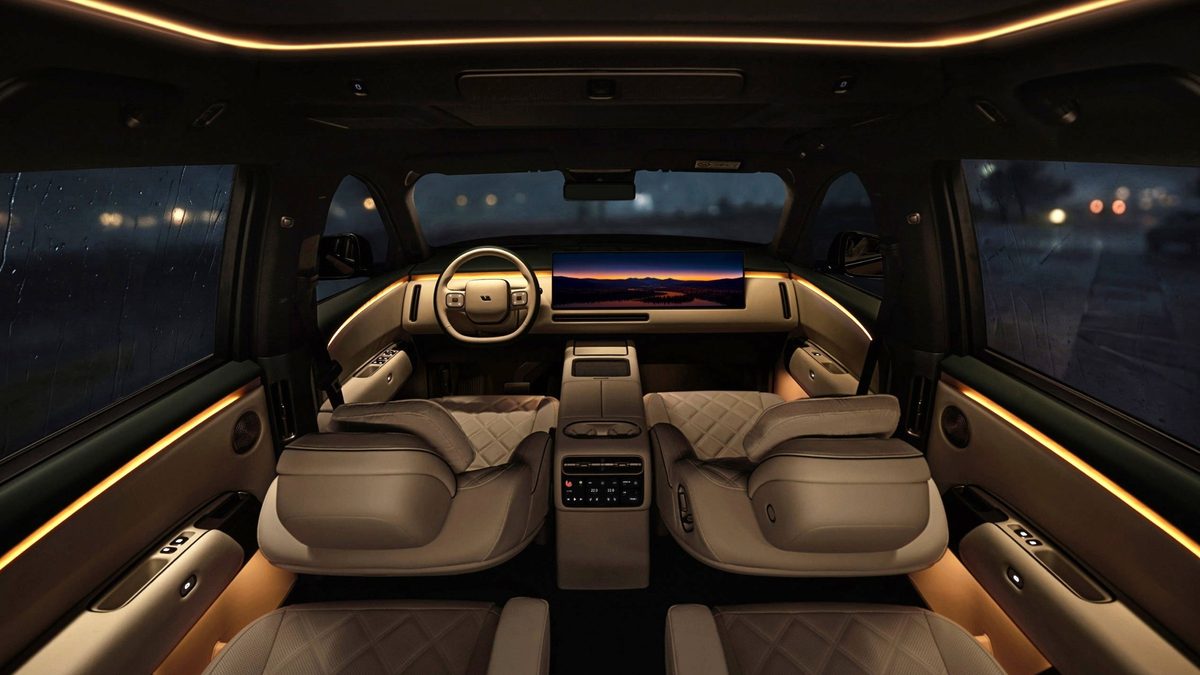
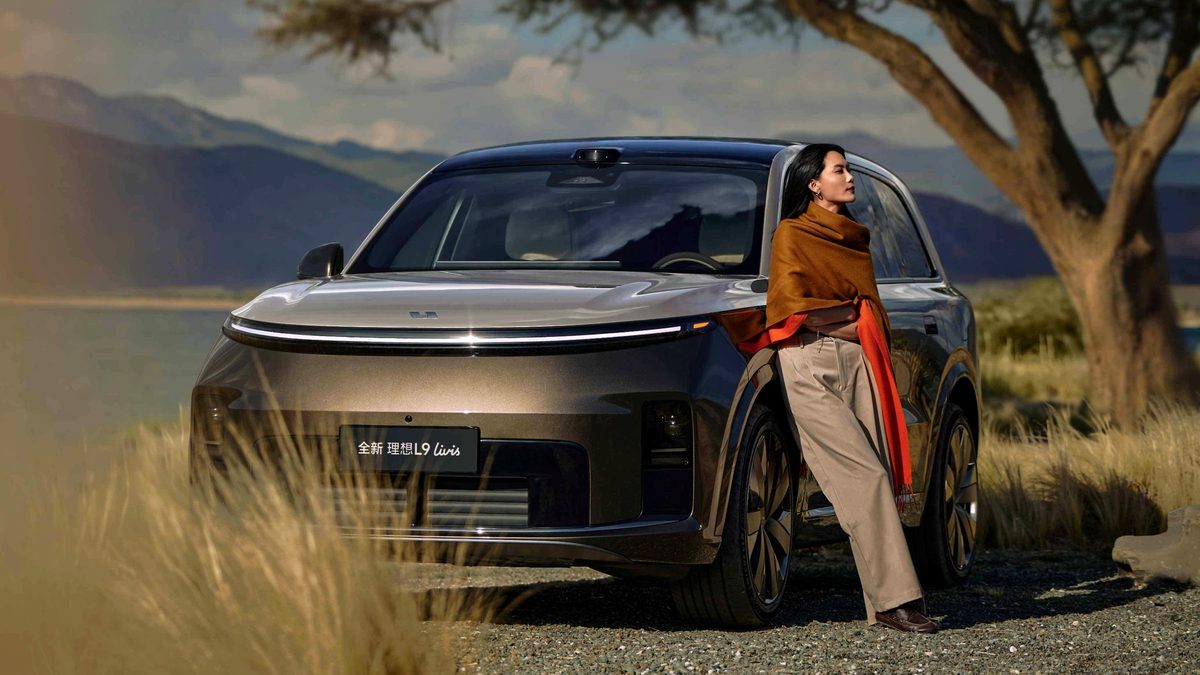
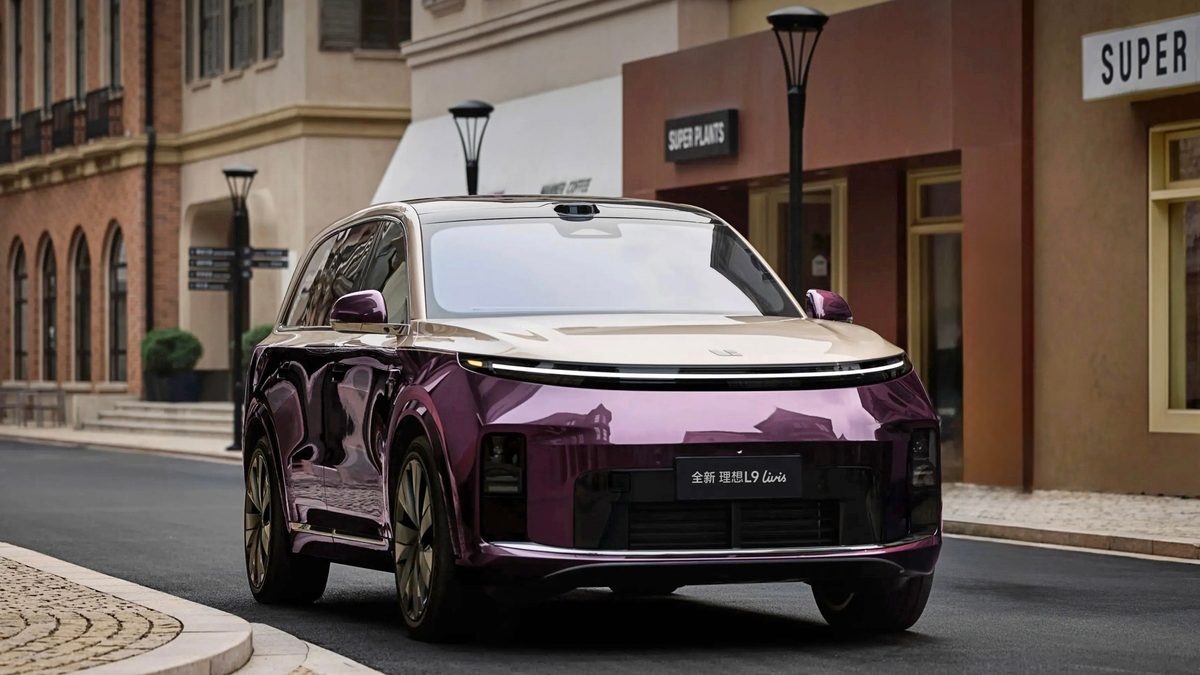
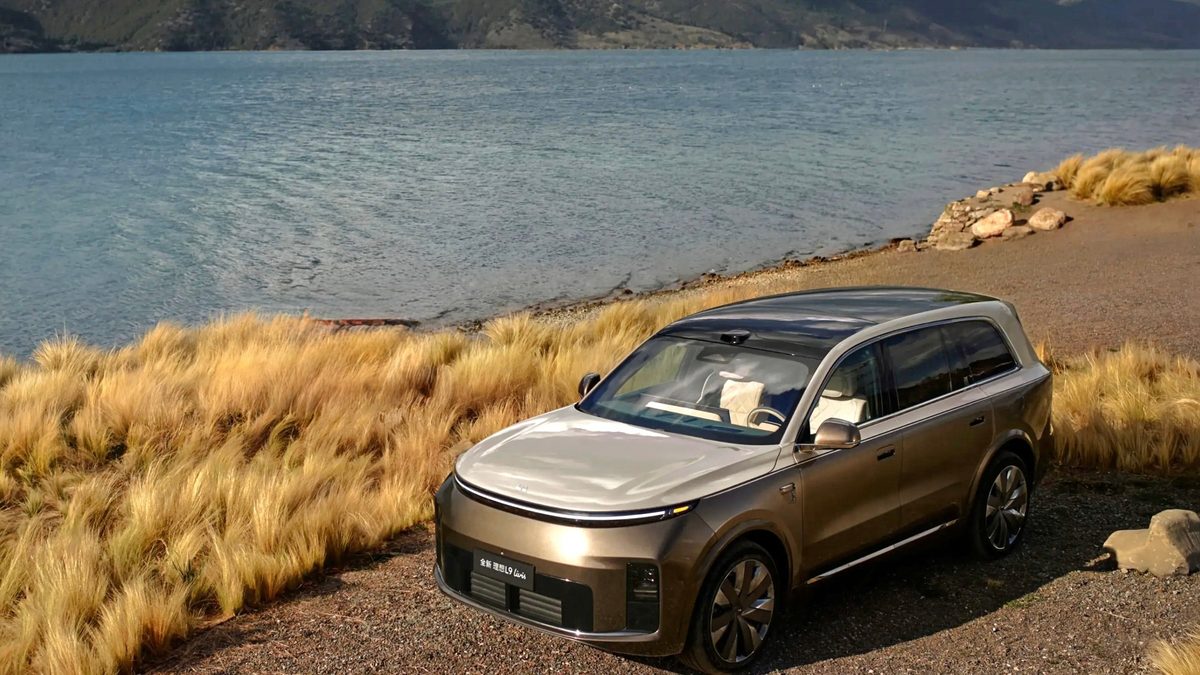
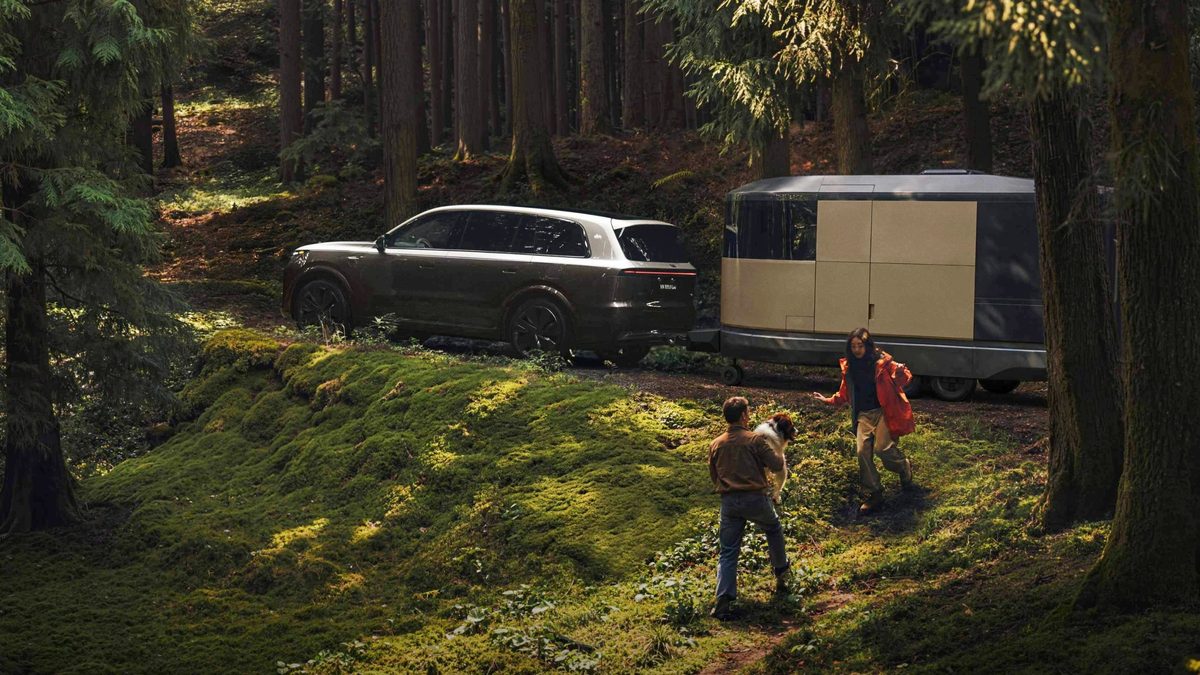
The second-generation Li L9 updates the model that, in 2022, helped set the template for the modern Chinese premium SUV. It remains a six-seat, three-row family flagship, but moves onto a new 800V architecture and adds chassis and interior technology that the first car did not have. Sales are open in China.
Powertrain. The L9 keeps Li Auto’s signature extended-range layout: a 1.5-litre turbocharged petrol engine works purely as a generator, never driving the wheels directly, while two electric motors deliver 571 hp and 710 Nm. A 72.7 kWh battery gives 420 km of electric range on the CLTC cycle, rising to 1,650 km combined once the range extender is counted. The sprint to 100 km/h takes 4.9 seconds.
Chassis. Both trims add steer-by-wire and four-wheel steering. The Ultra rides on adaptive air suspension; the higher Livis uses an active 800V electrohydraulic system that Li Auto says all but eliminates body roll in corners.
Technology. A lidar unit and a full ADAS suite are fitted, running on Li Auto’s Mach M100 processor - one chip in the Ultra, two in the Livis, each rated at 1,280 TOPS.
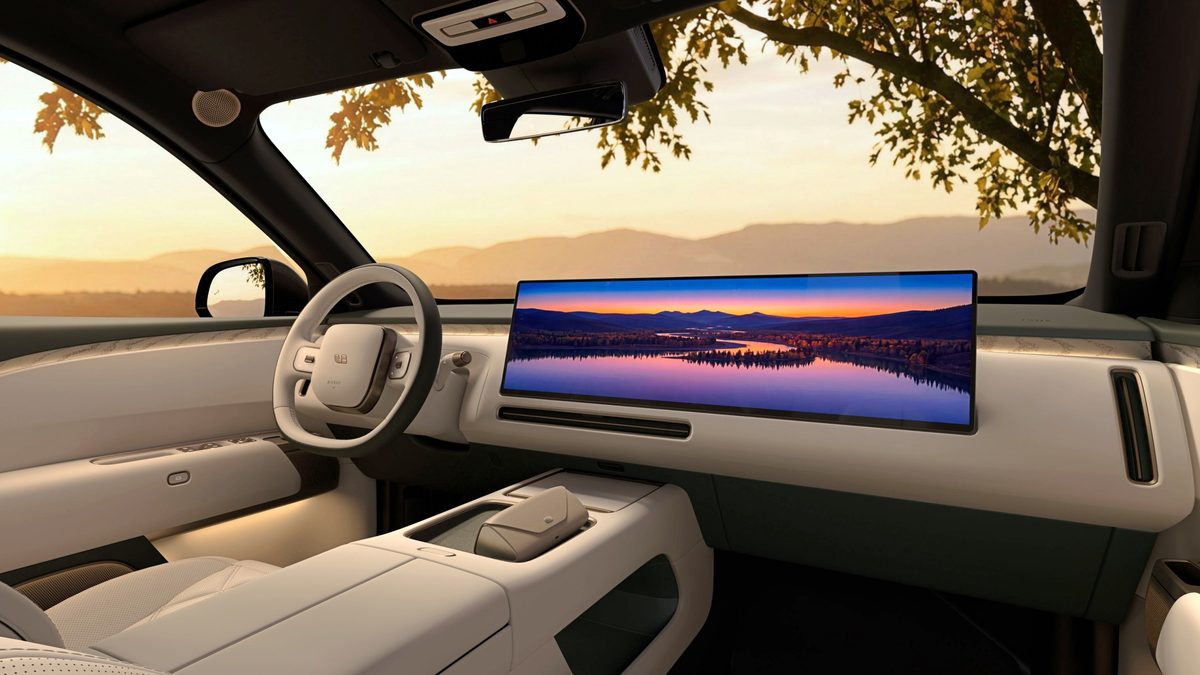
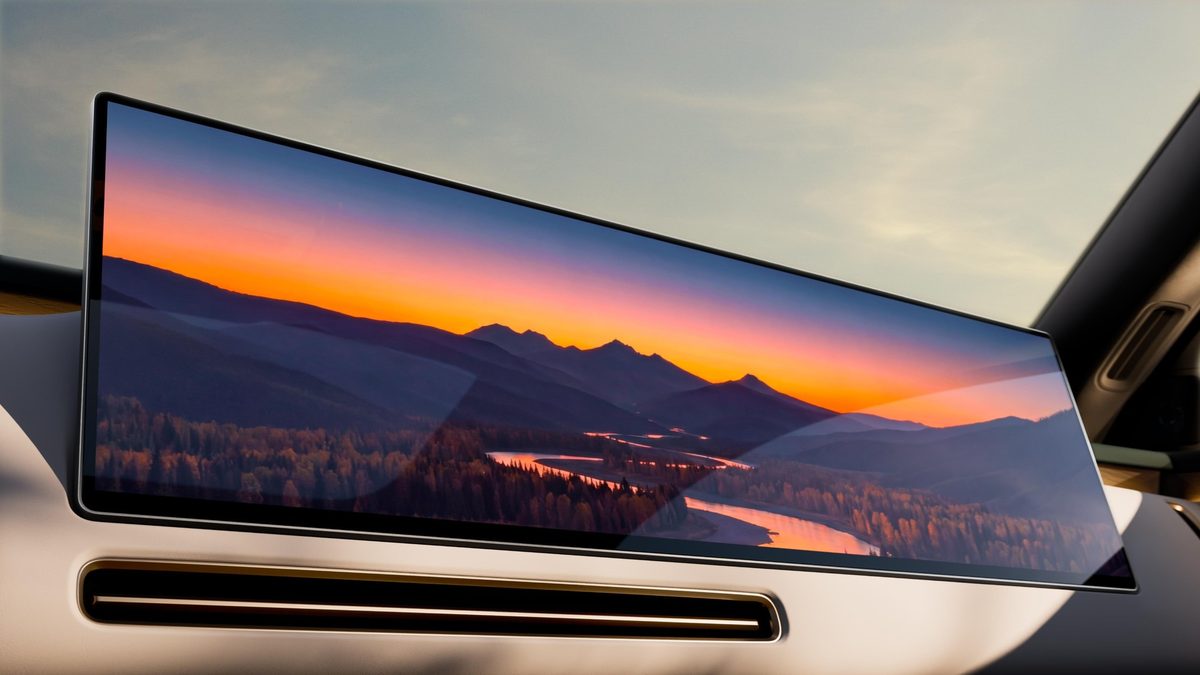
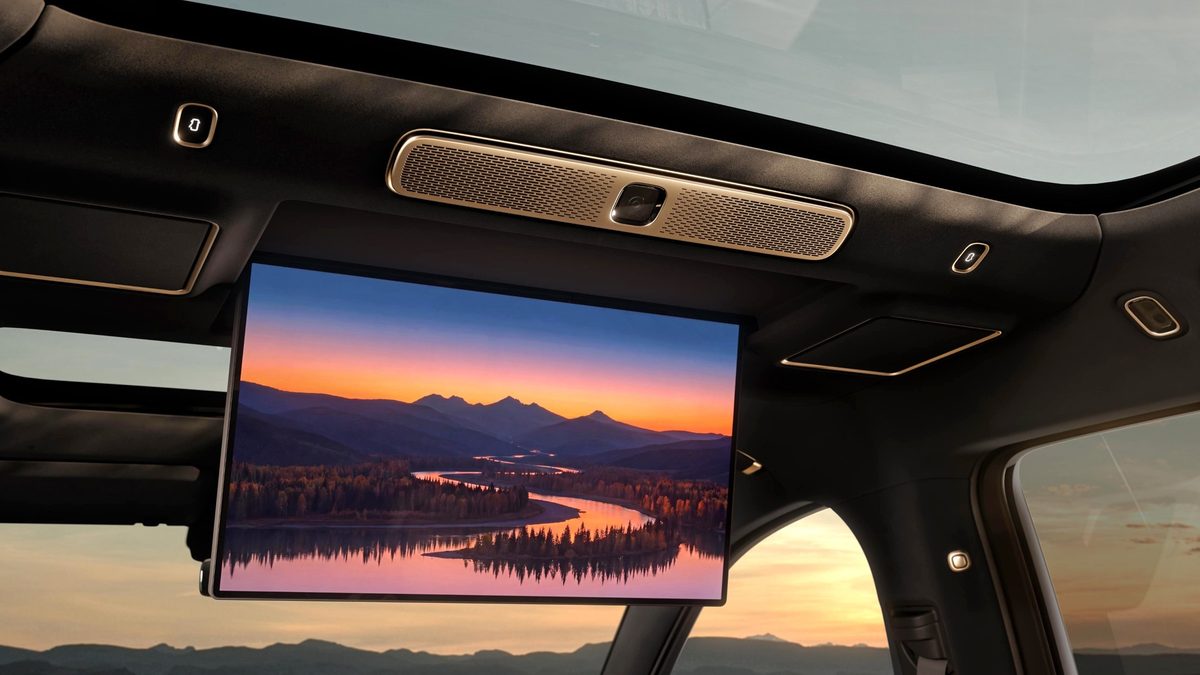
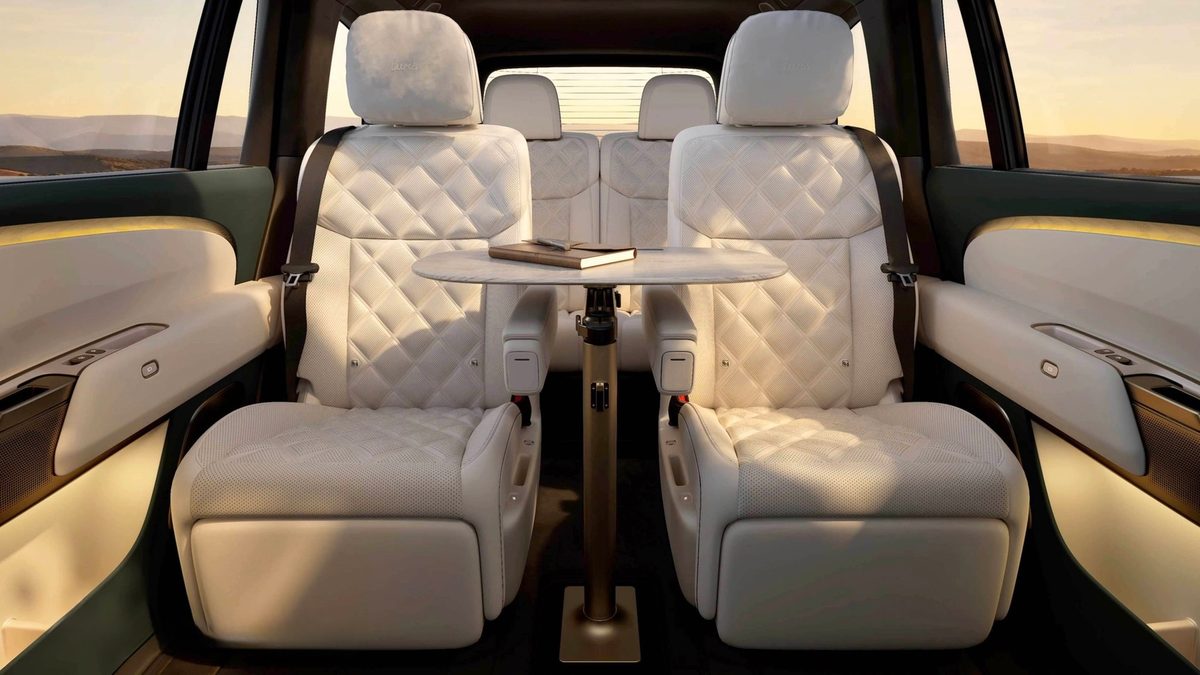
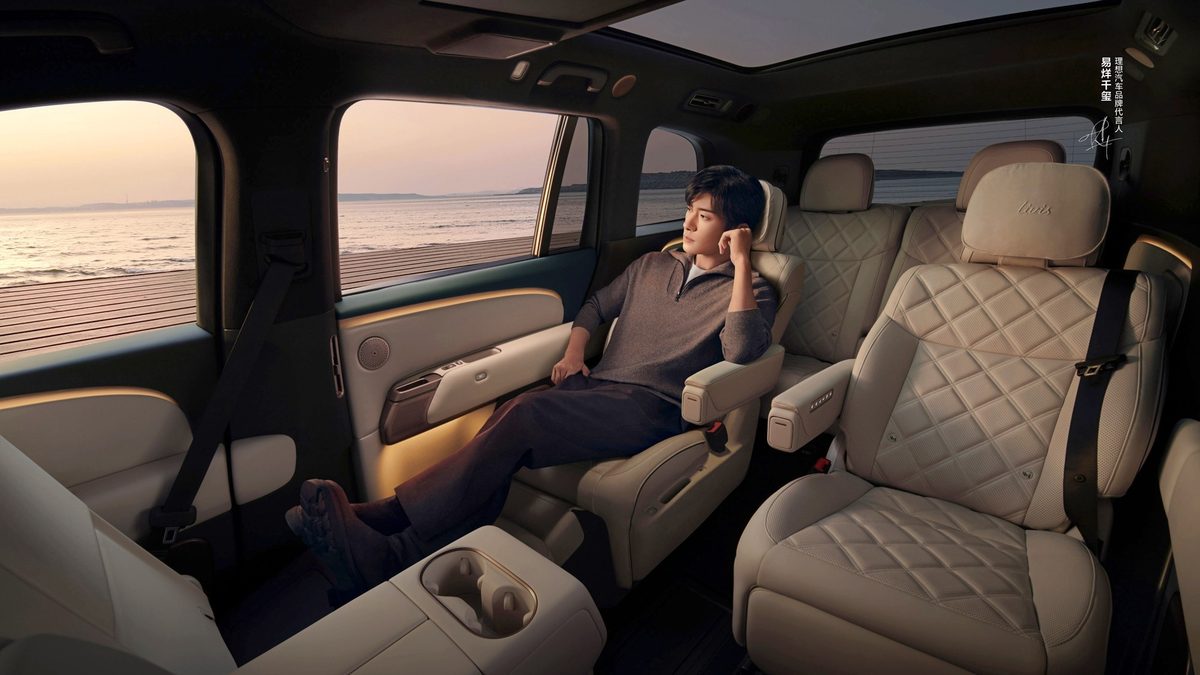
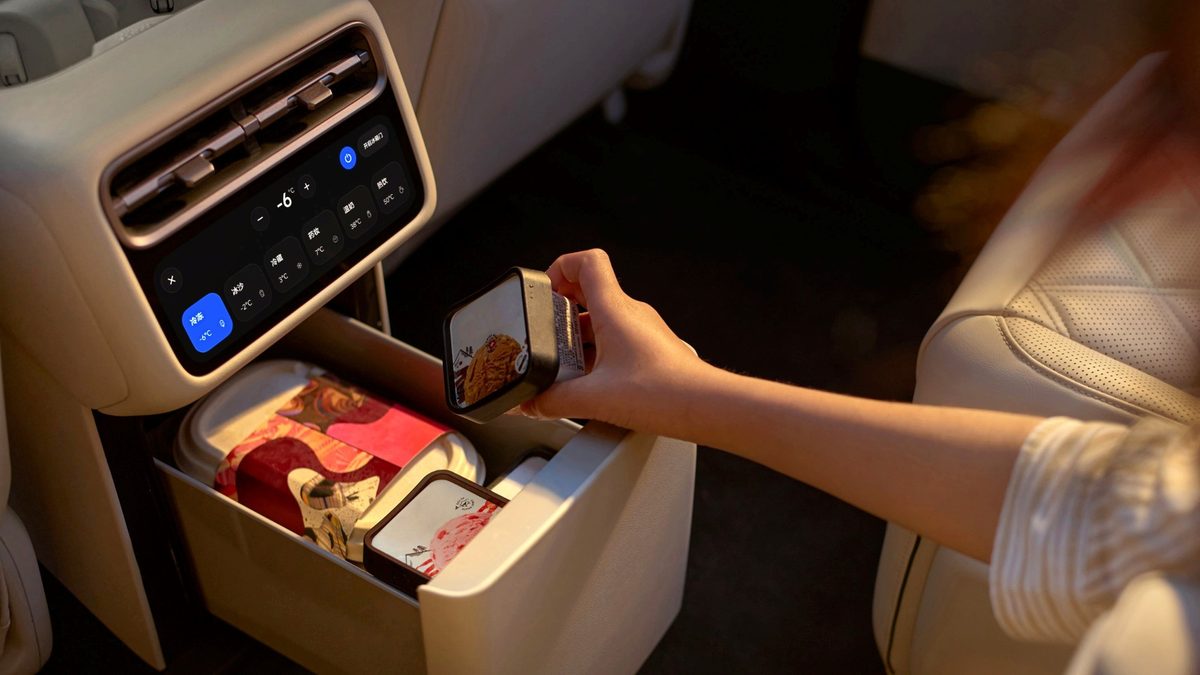
Interior. The cabin carries a 29-inch dashboard display, a 21-inch ceiling screen for the second row, a 5,440 W / 33-speaker audio system, a 10-litre refrigerator, and heating built into the headrests and armrests.
Pricing. The L9 Ultra starts at ¥459,800 (about $67,900) and the L9 Livis at ¥509,800 (about $75,300). No markets outside China have been announced.