 Germany
Three carmakers have publicly reversed themselves on touch controls in the past two years. BMW is not joining them.
Vikram Pawah, chief executive of BMW Group Australia, told CarExpert that voice and touch are what buyers now reach for by default. “A car is not a standalone piece, it’s part of what’s happening around you in society,” he said. Asked who he meant by younger drivers, he put the line at “maybe 45 or below,” and described them as multitasking and impatient with anything slower.
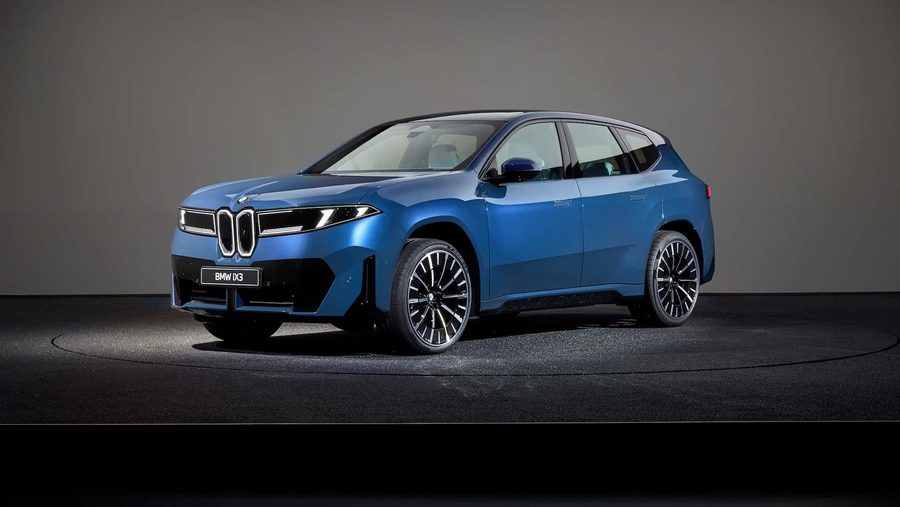
The iX3 is the evidence
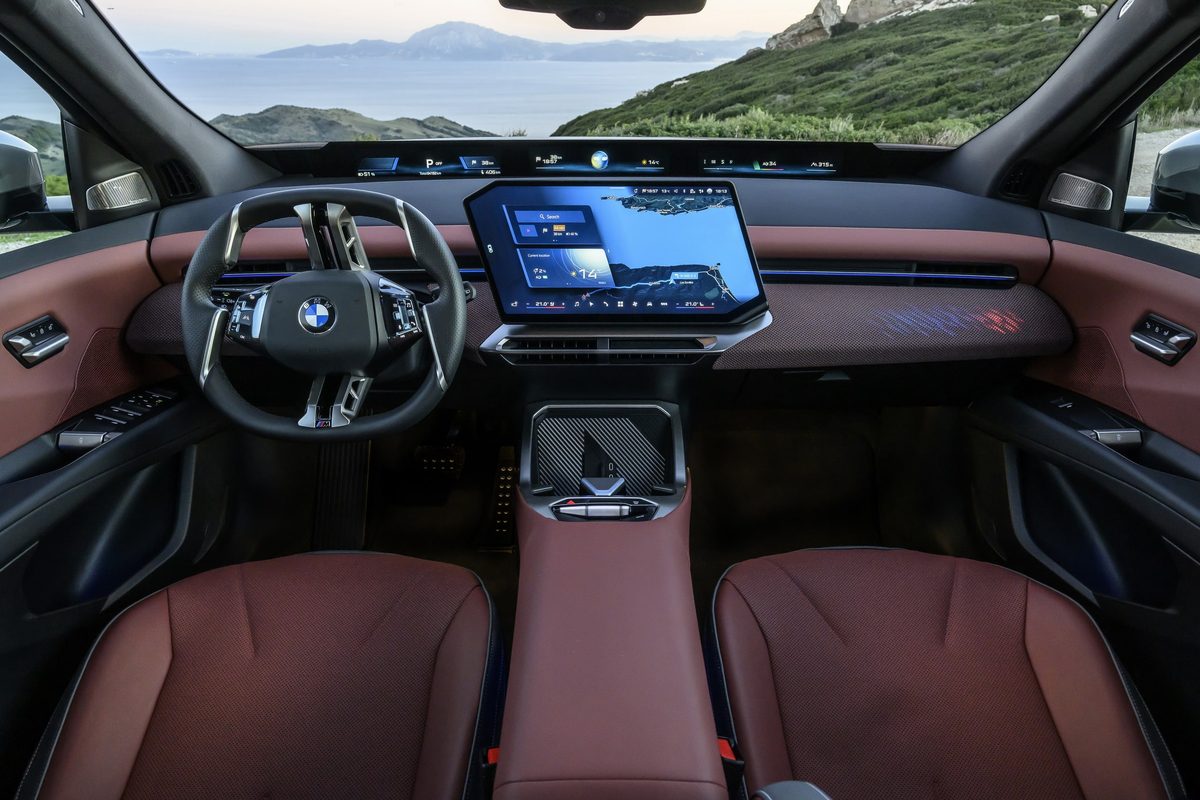
The iX3 has no climate switches on the dashboard. Temperature, fan and vent direction live in the Panoramic iDrive display or in the voice assistant, which now handles requests specific enough to redirect airflow away from a face or reorder a coffee bought last week.
Physical controls survive where they always have: indicator and wiper stalks, mirrors, volume, the transmission selector, the parking brake, hazards and the rear demister. That list is not accidental. China’s rule requiring physical controls for 19 core functions takes effect in July 2027, and it covers roughly the set BMW has kept.
Everyone else went the other way
Mercedes-Benz has conceded it pushed touch too far. Volkswagen restored real buttons to the steering wheel after several years of criticism and is adding physical controls elsewhere. Hyundai did the same after customer feedback. Audi is bringing switchgear back to its interiors, and Toyota is reported to be doing it on the RAV4.
BMW’s position is that the combination of Panoramic iDrive, the touchscreen, wheel-mounted buttons and a better voice assistant fits how people now use everything else they own. No research has been published to support the age split Pawah described, and BMW has not offered any.