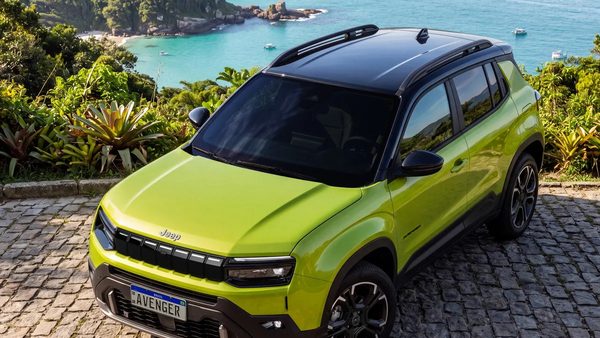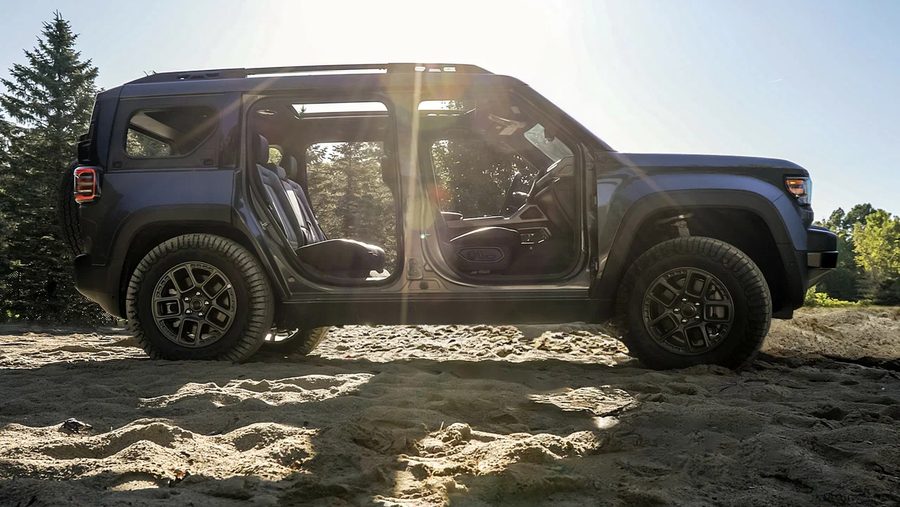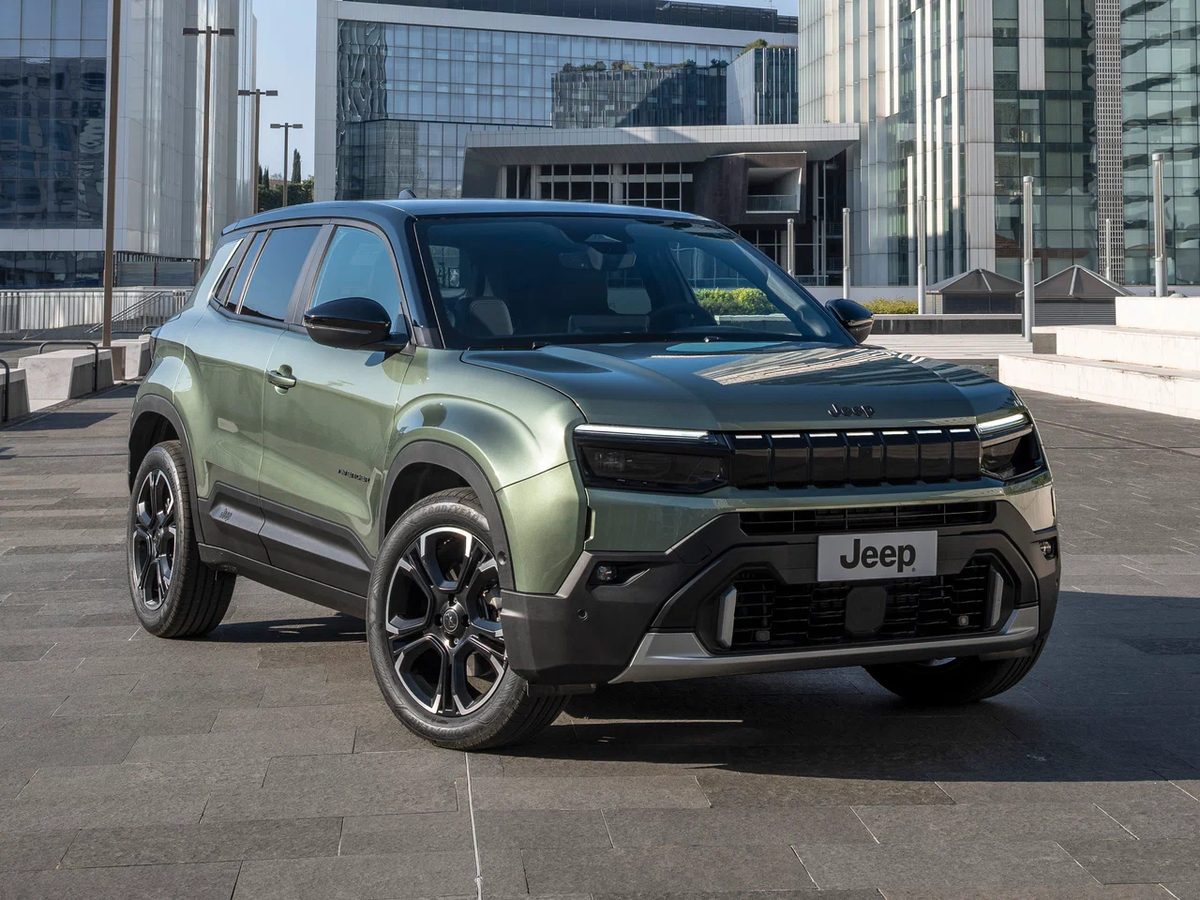
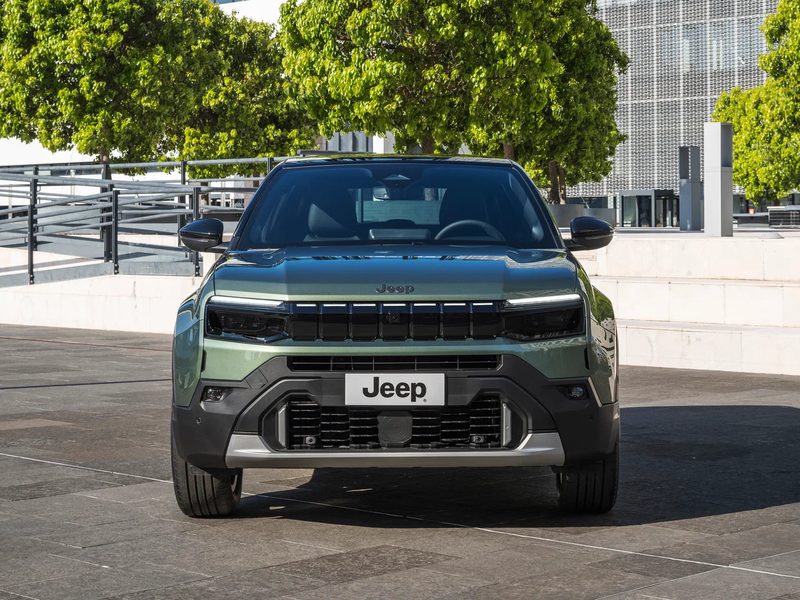
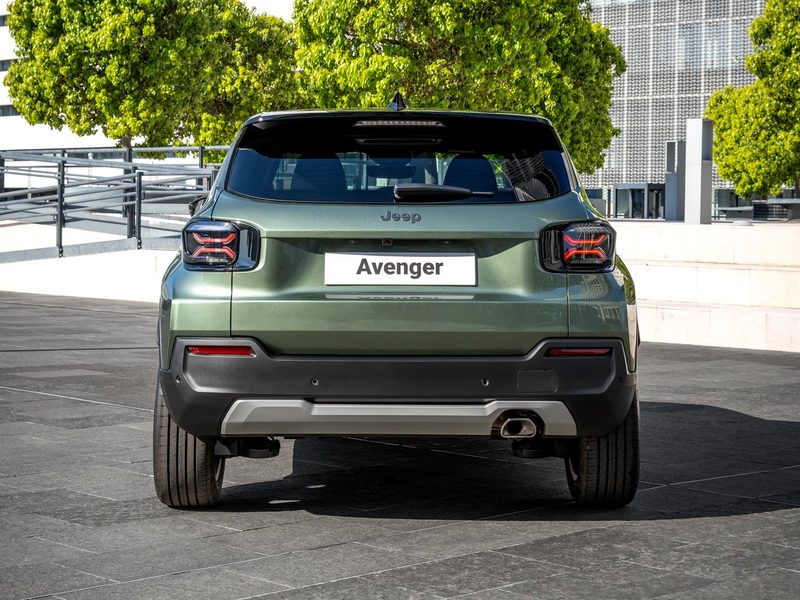
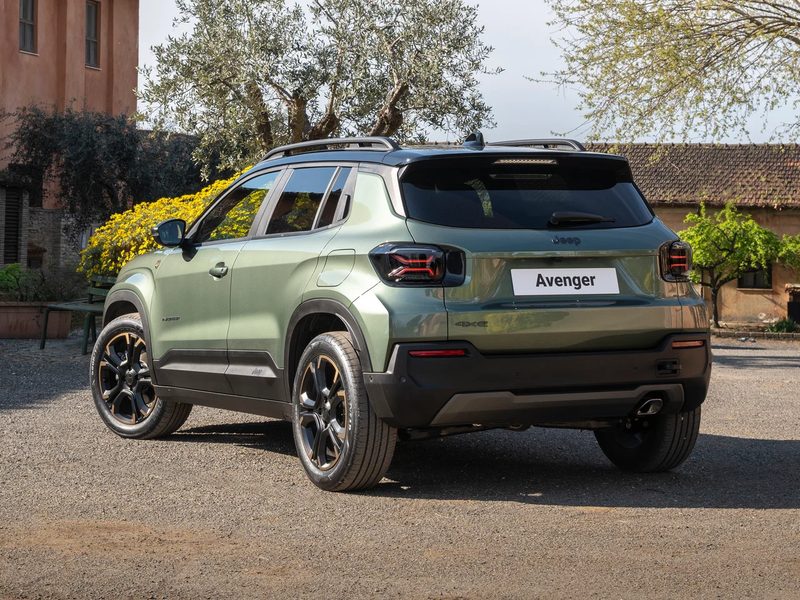
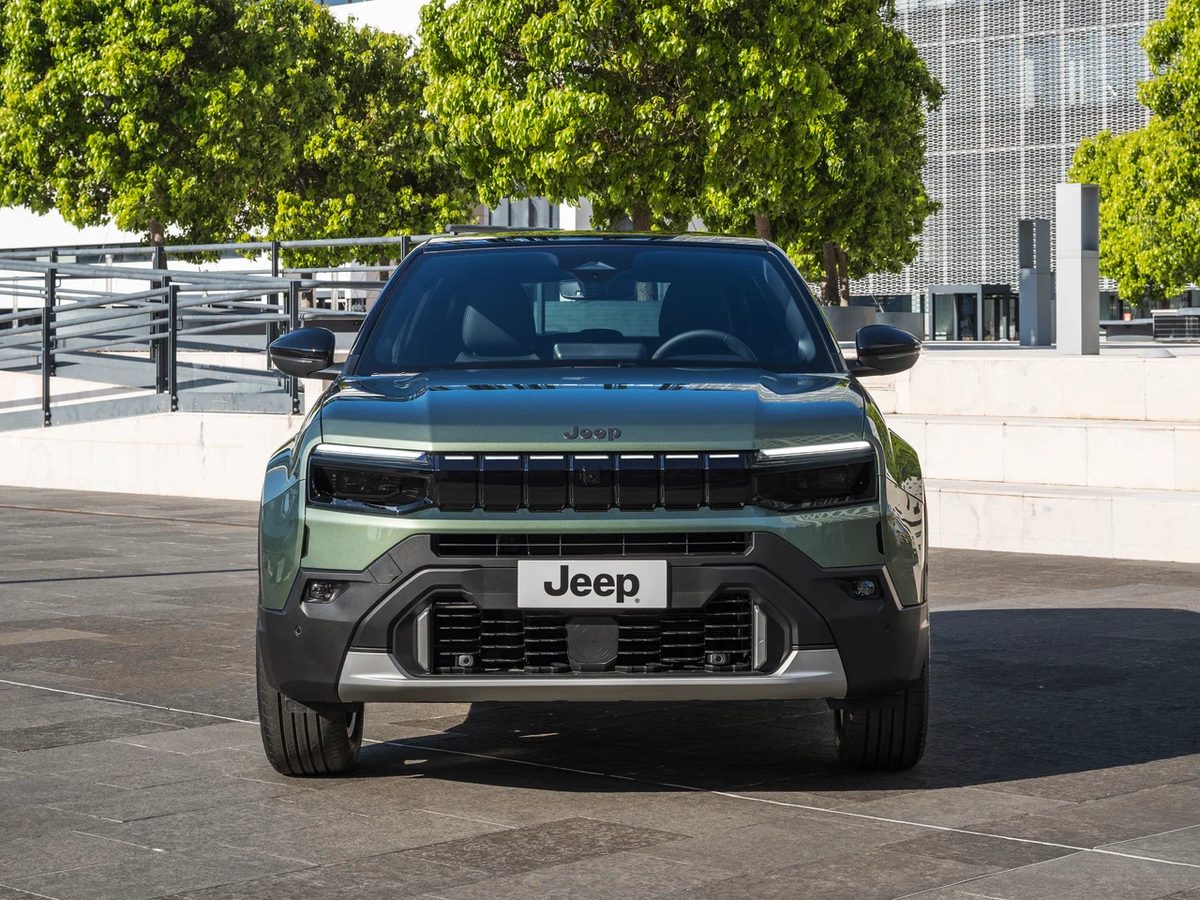
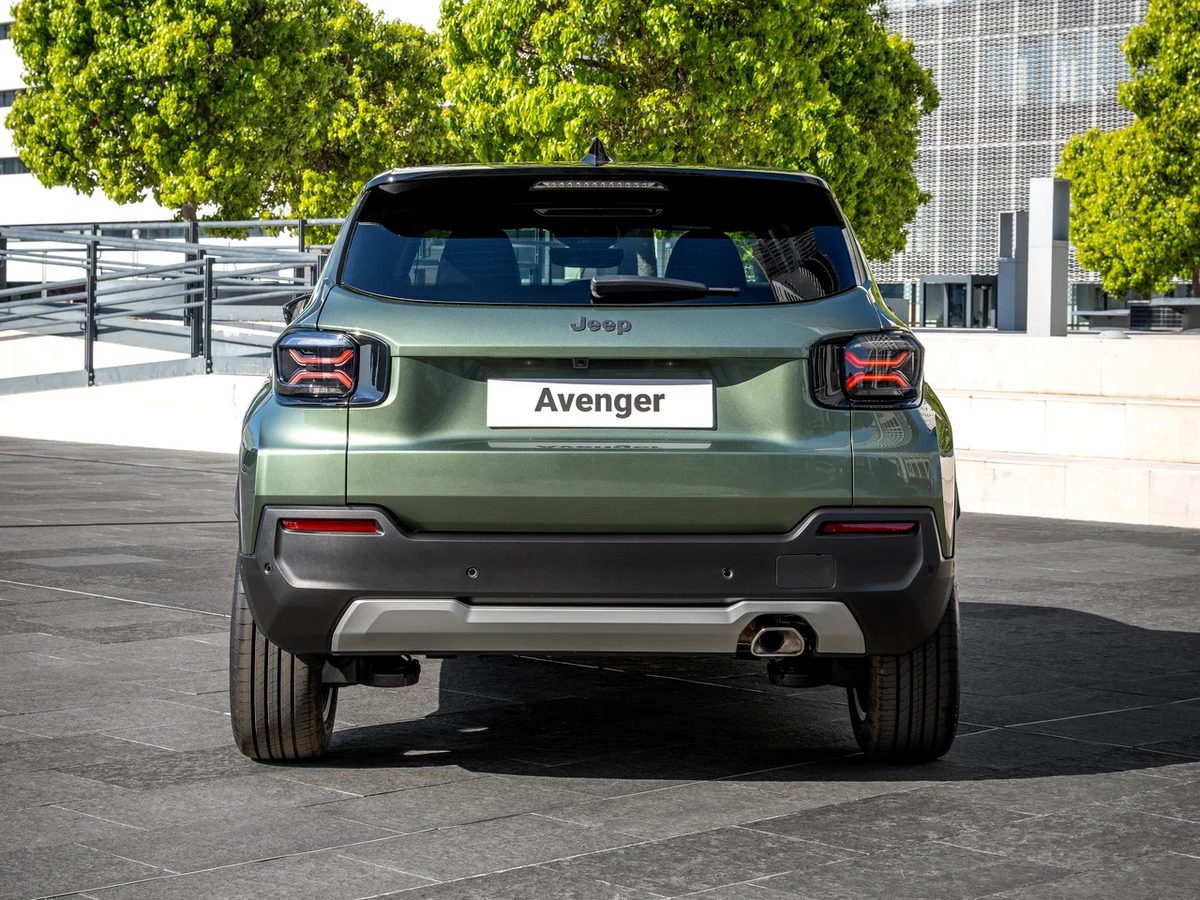
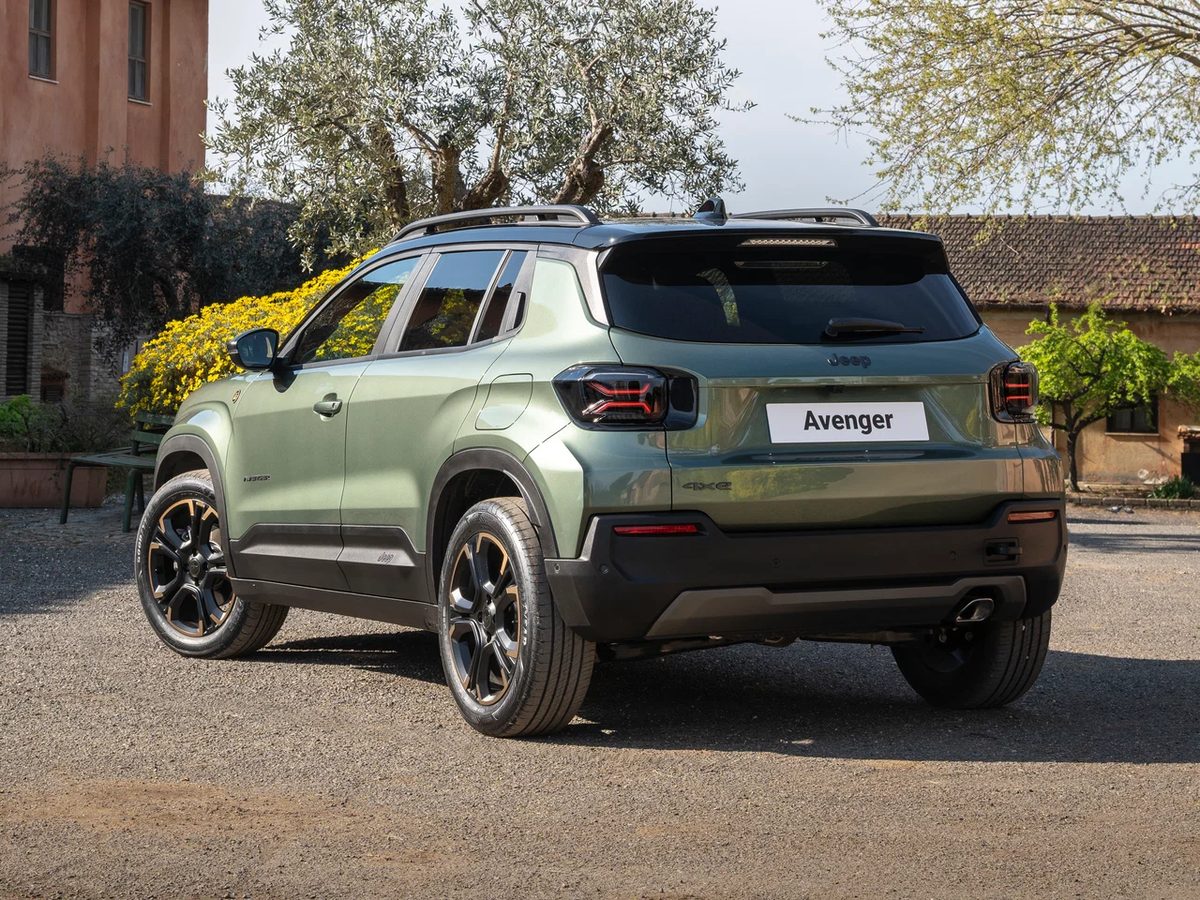
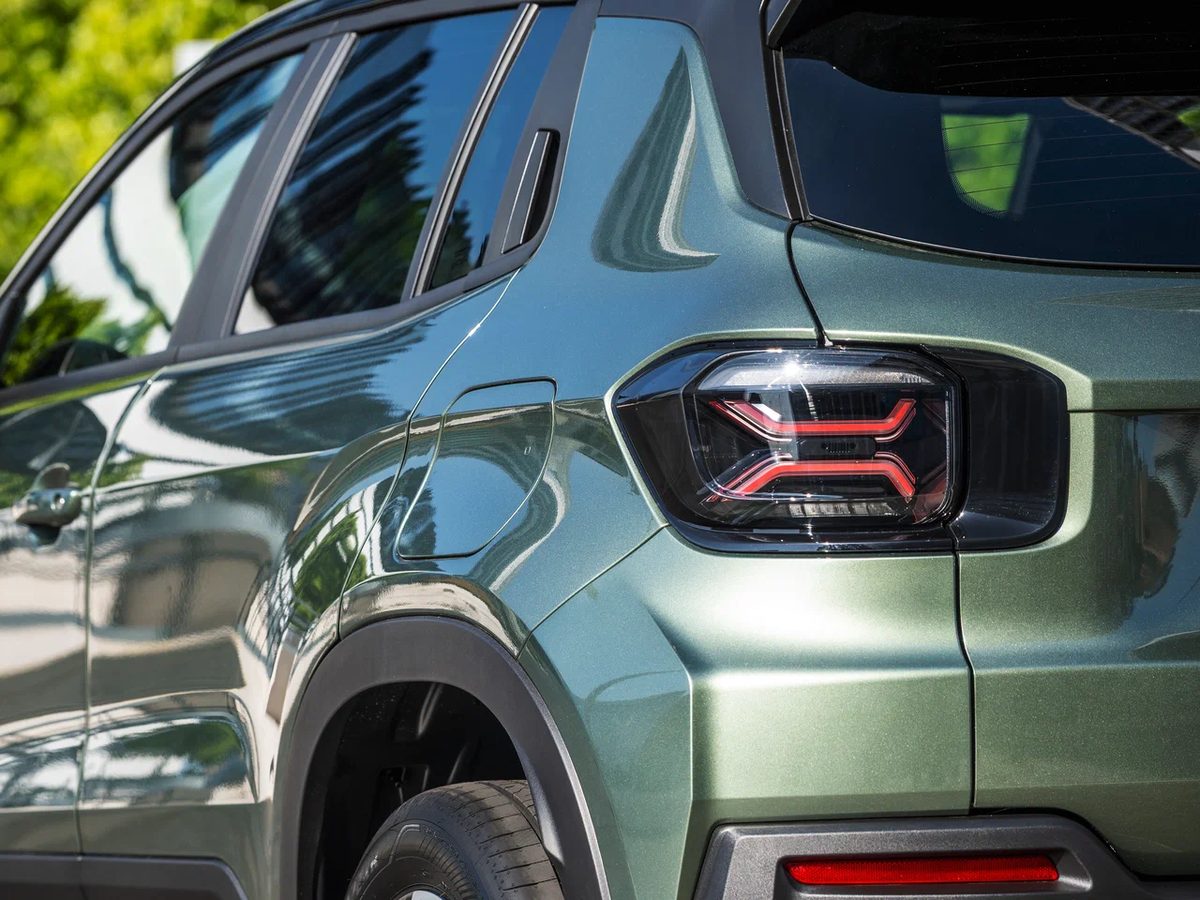
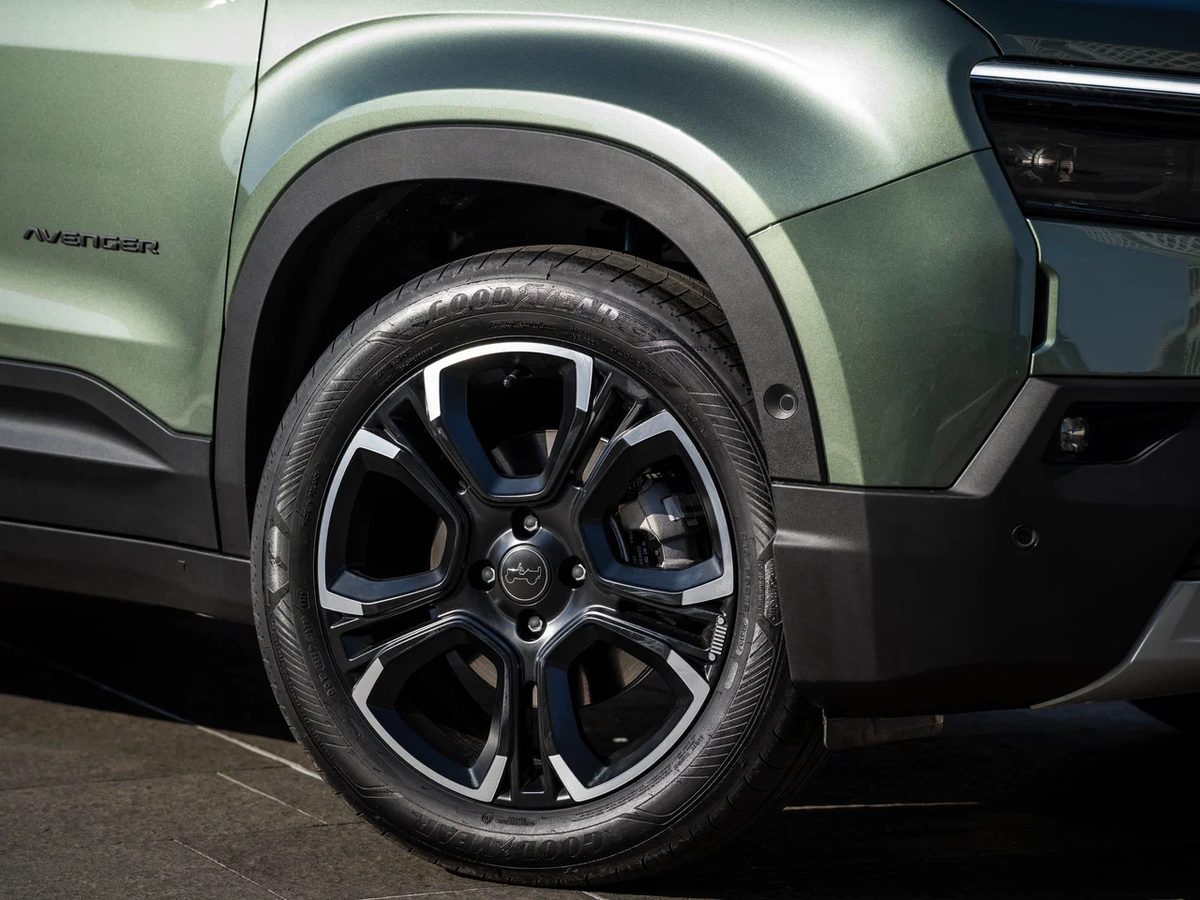
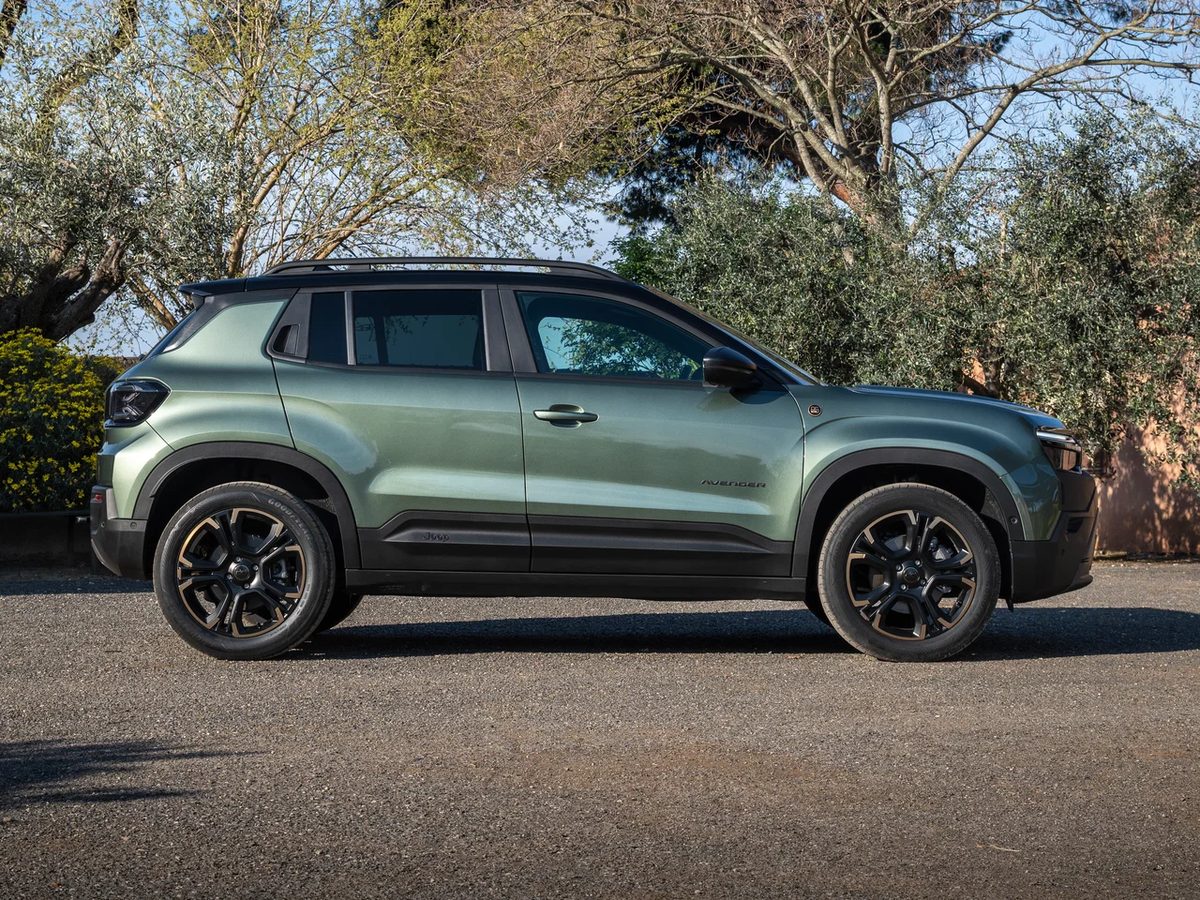
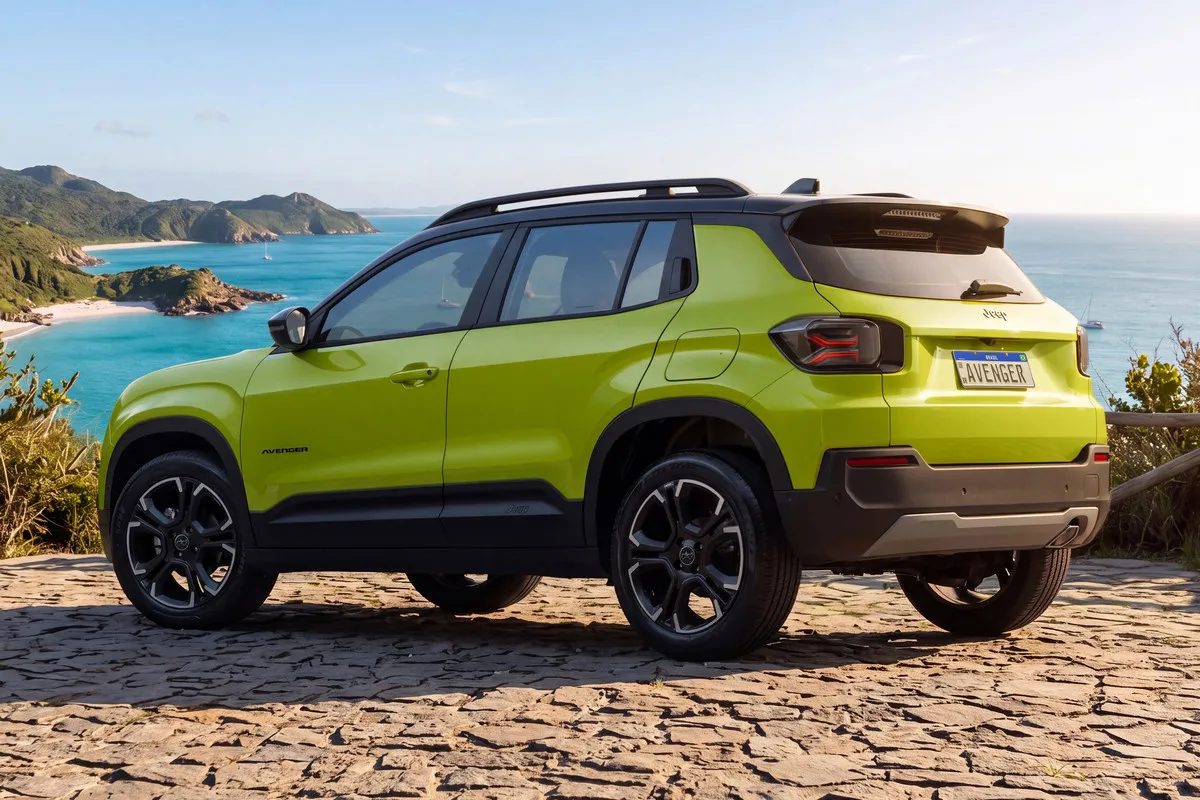
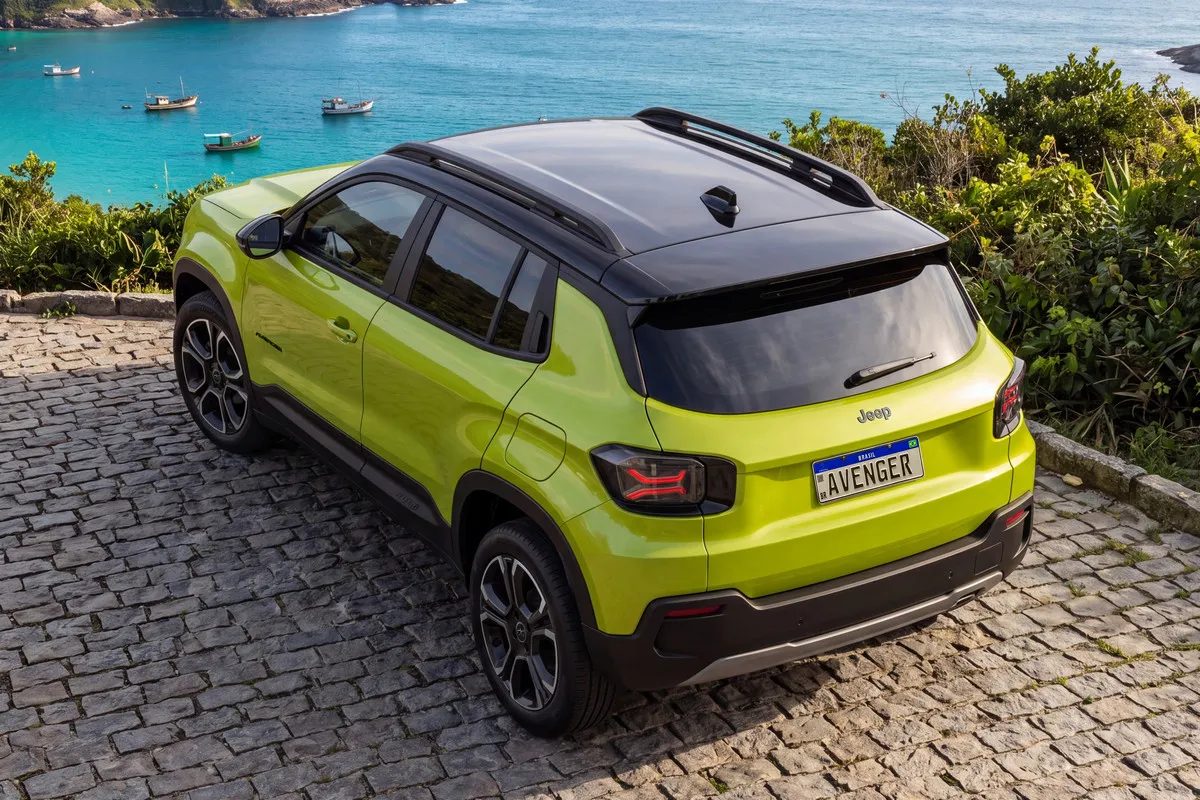
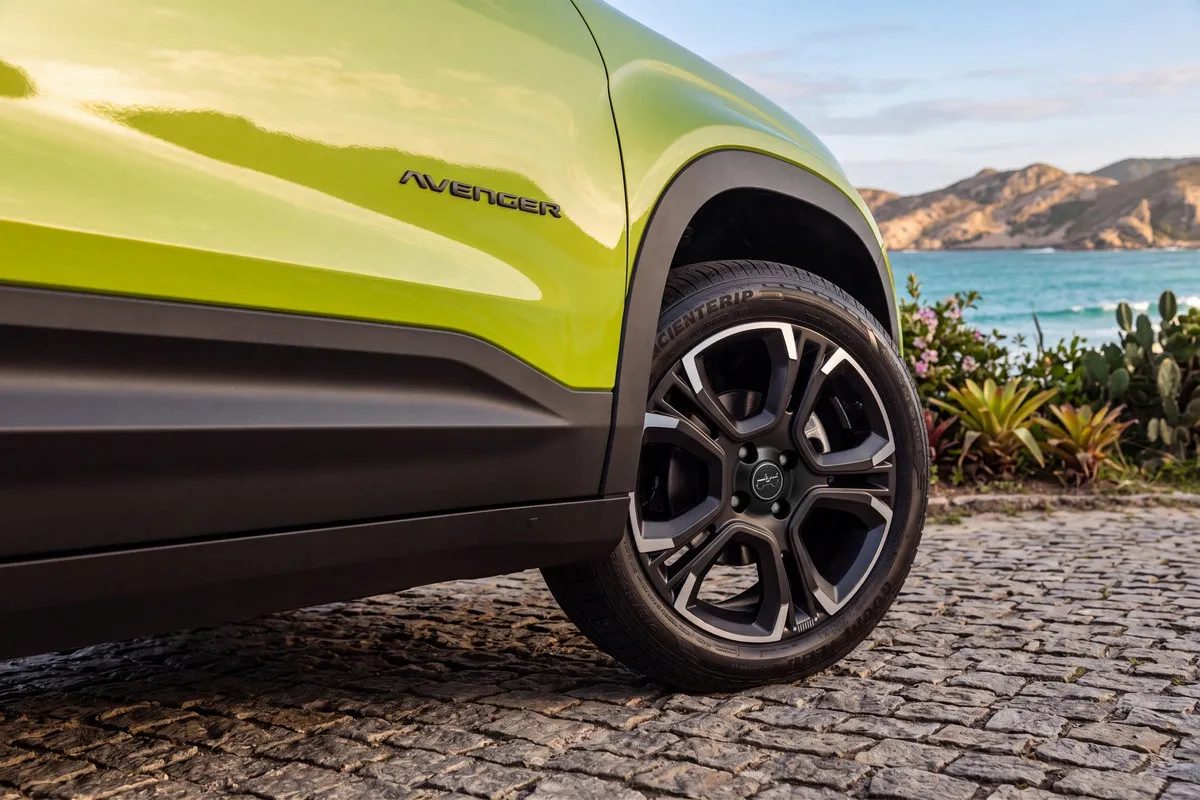
The Jeep Avenger is a subcompact SUV that launched in 2023 as the brand’s smallest model for Europe, measuring 4,084 mm long, 1,776 mm wide and 1,528 mm tall on a 2,560 mm wheelbase. It shares Stellantis’s Common Modular Platform with the second-generation Peugeot 2008 and is built at the Tychy plant in Poland.
The petrol range opens with a 1.2-litre turbocharged three-cylinder engine producing 100 hp and a 6-speed manual gearbox. A 108 hp e-Hybrid version adds a 48-volt mild-hybrid system with a dual-clutch automatic transmission. The 4xe adds a second electric motor on the rear axle for all-wheel drive, lifting combined output to 143 hp; despite the 4xe name, it remains a mild hybrid with no external charging.
The battery-electric Avenger is specified separately from the combustion cars and shares their body. A 115 kW motor drives the front wheels for 154 hp, fed by a 54 kWh battery rated at up to 400 km on the WLTP cycle.
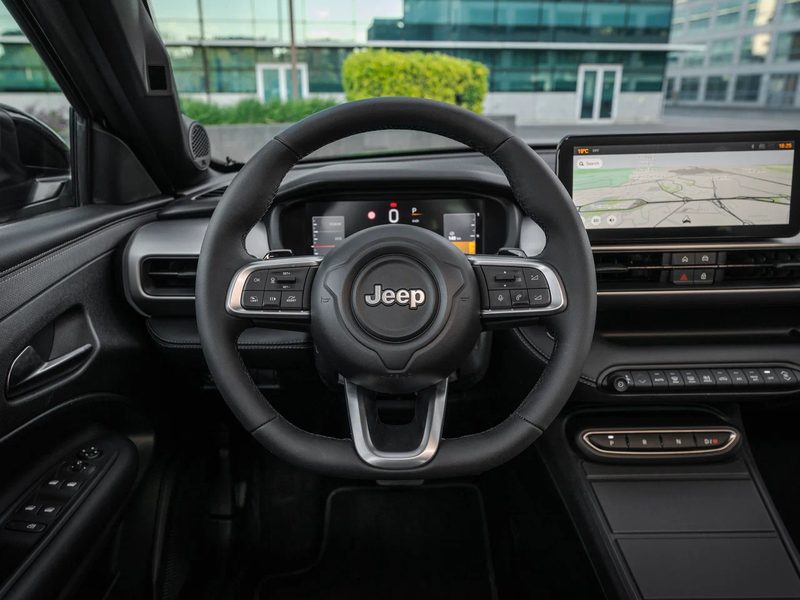
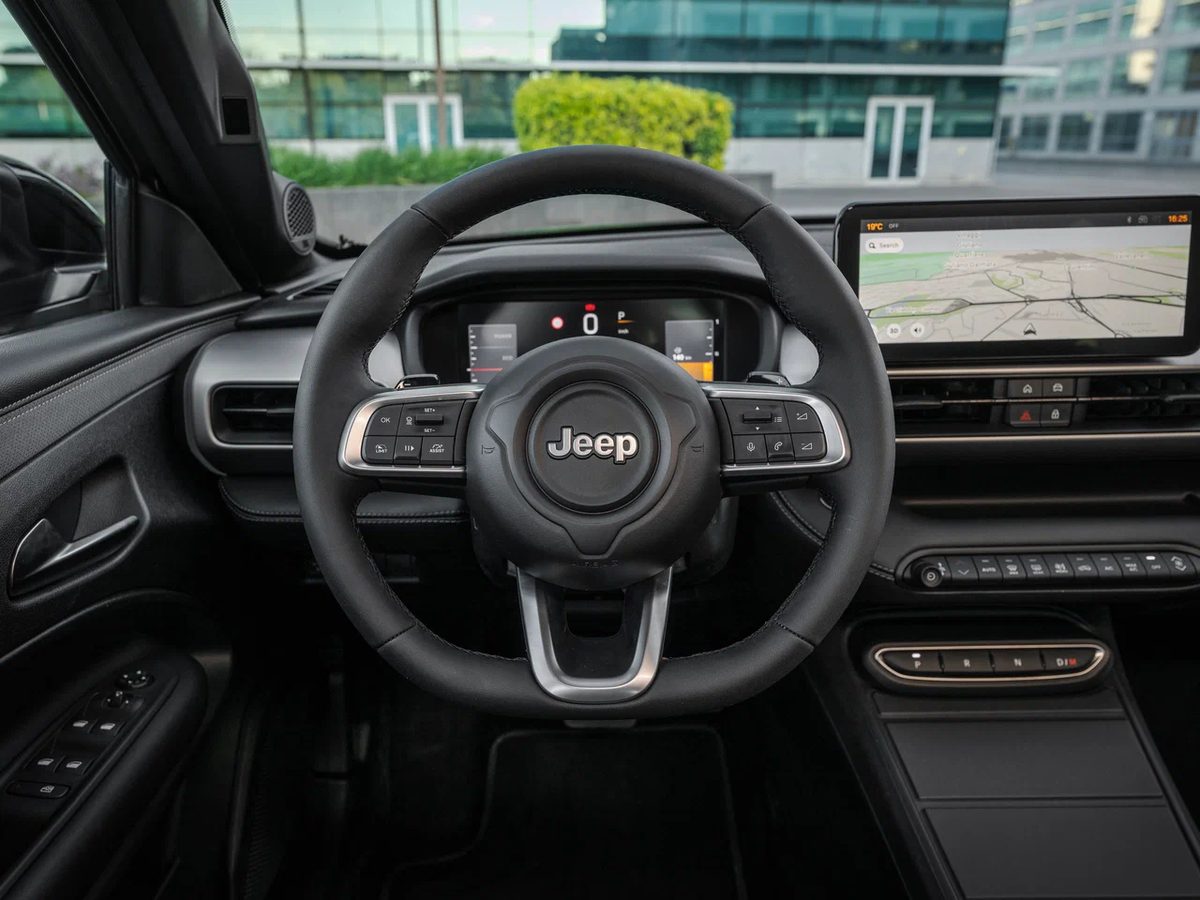
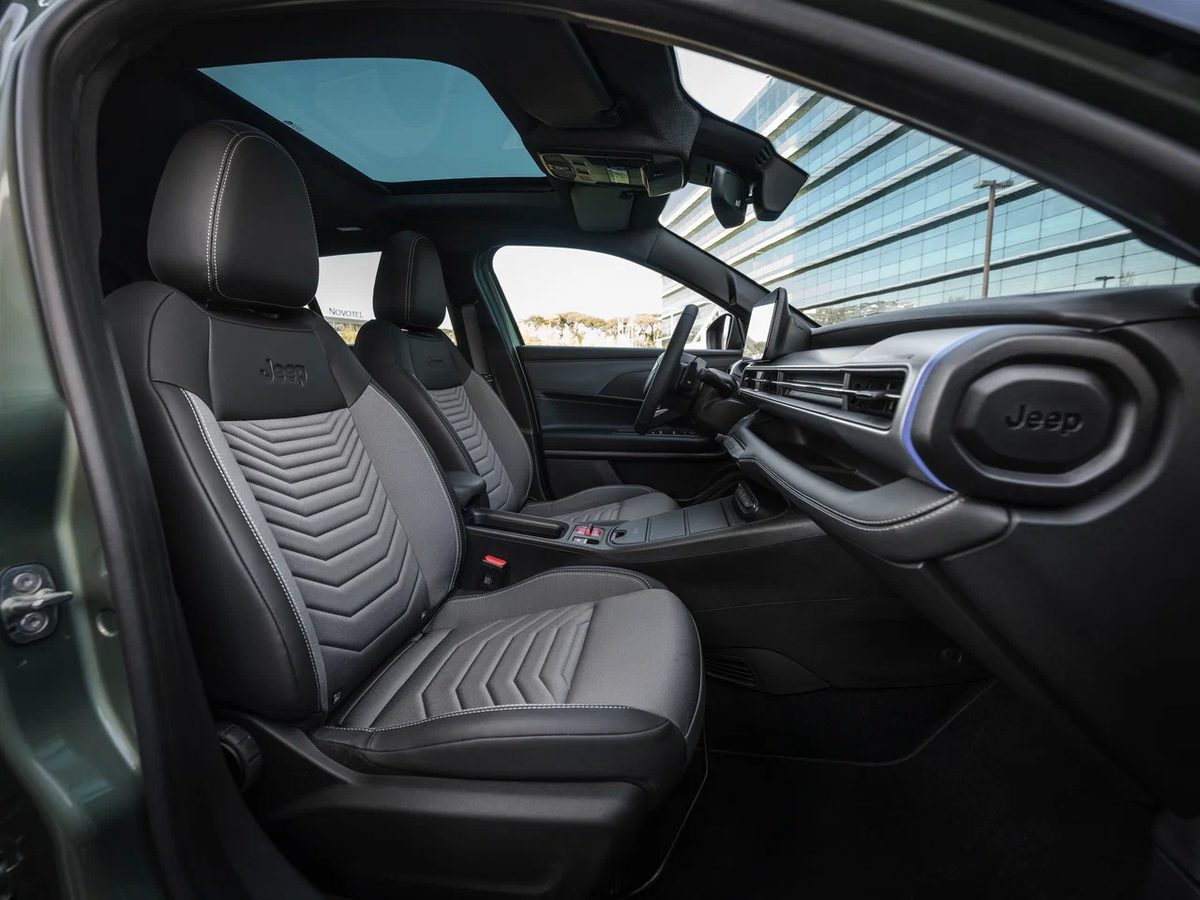
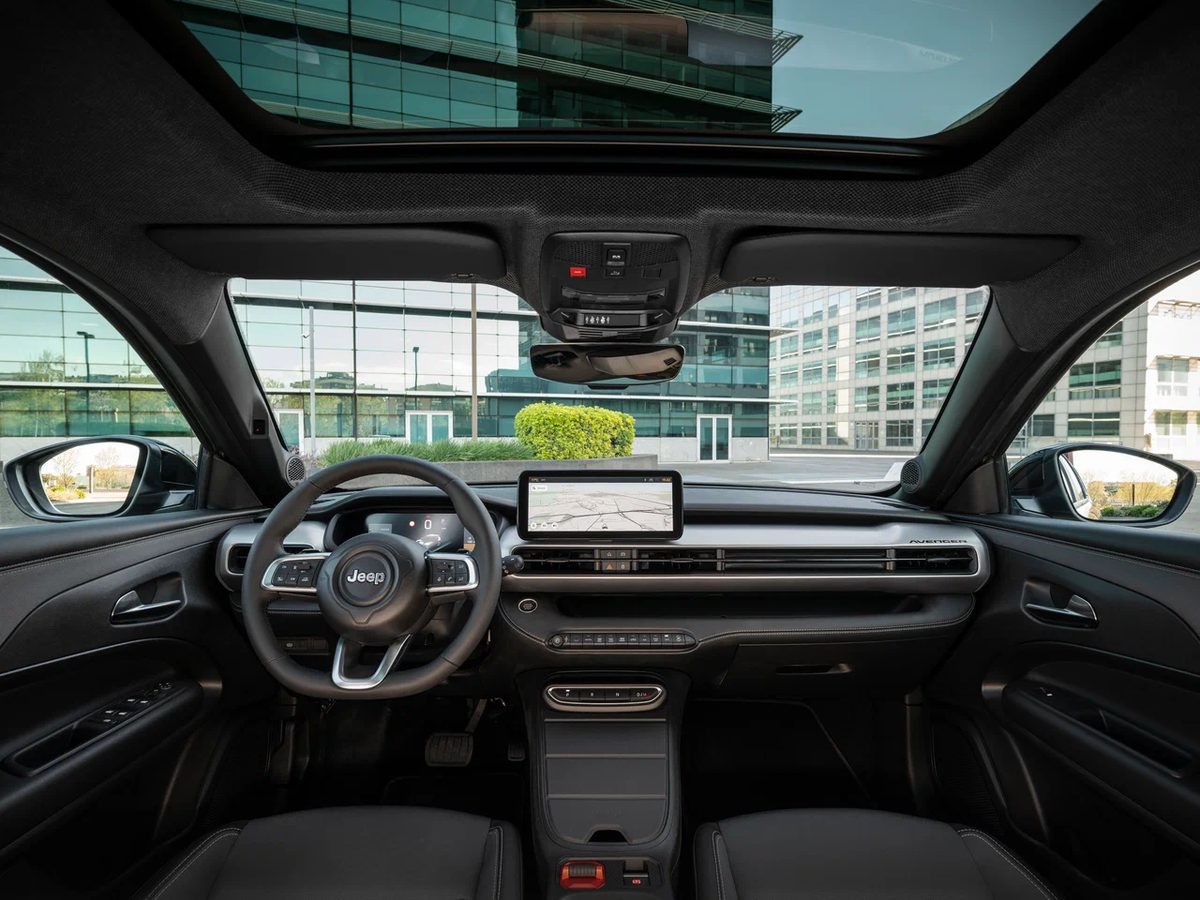
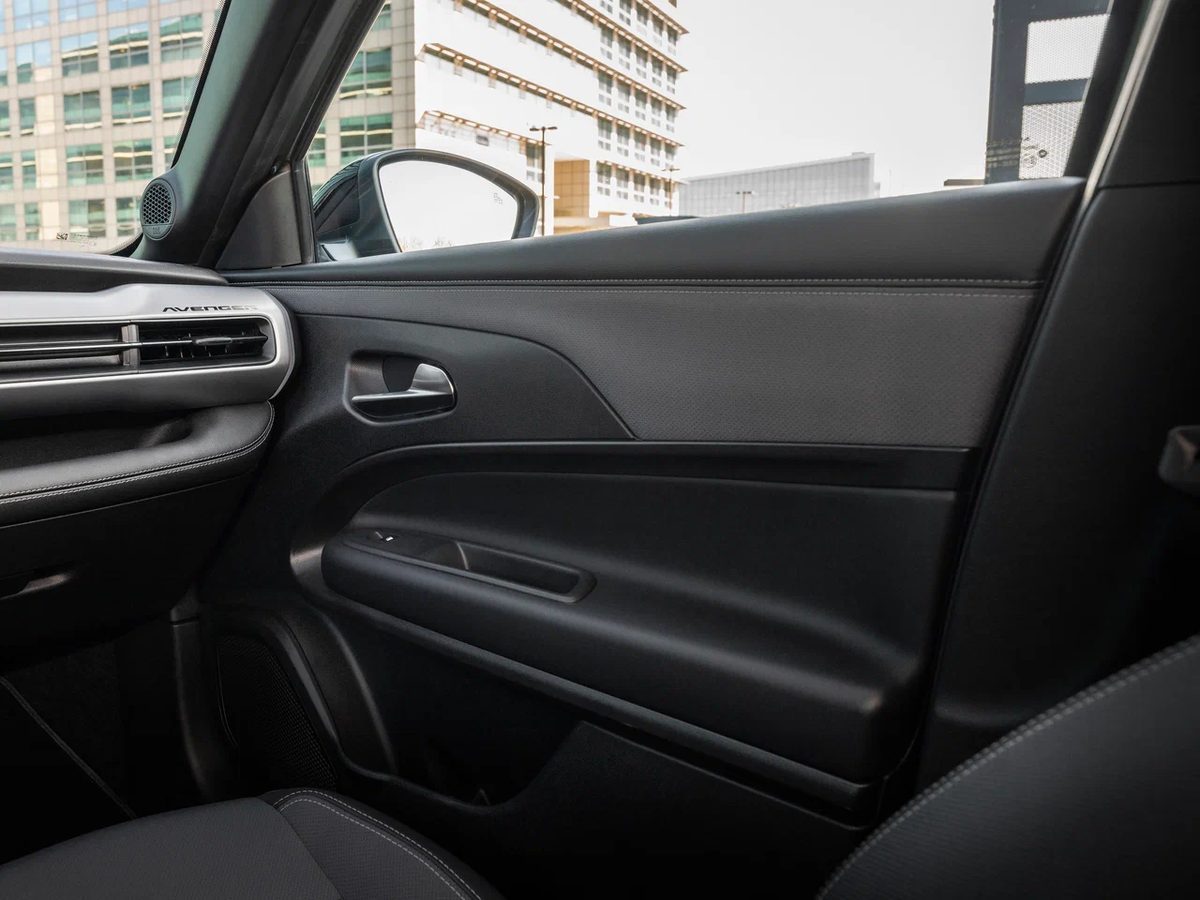
Inside, the Avenger keeps Jeep’s boxy, upright styling cues in miniature, with a digital instrument cluster and a floating touchscreen running the brand’s Uconnect infotainment system. Ground clearance and approach angles are tuned toward light off-road use despite the car’s compact footprint.
Italian list prices start from €25,700 for the petrol Longitude, rising to €27,700 for the e-Hybrid, €32,700 for the 4xe all-wheel-drive model and €39,400 for the electric version, all including delivery. The electric 85th Anniversary tops the range at €42,400.
Facelift
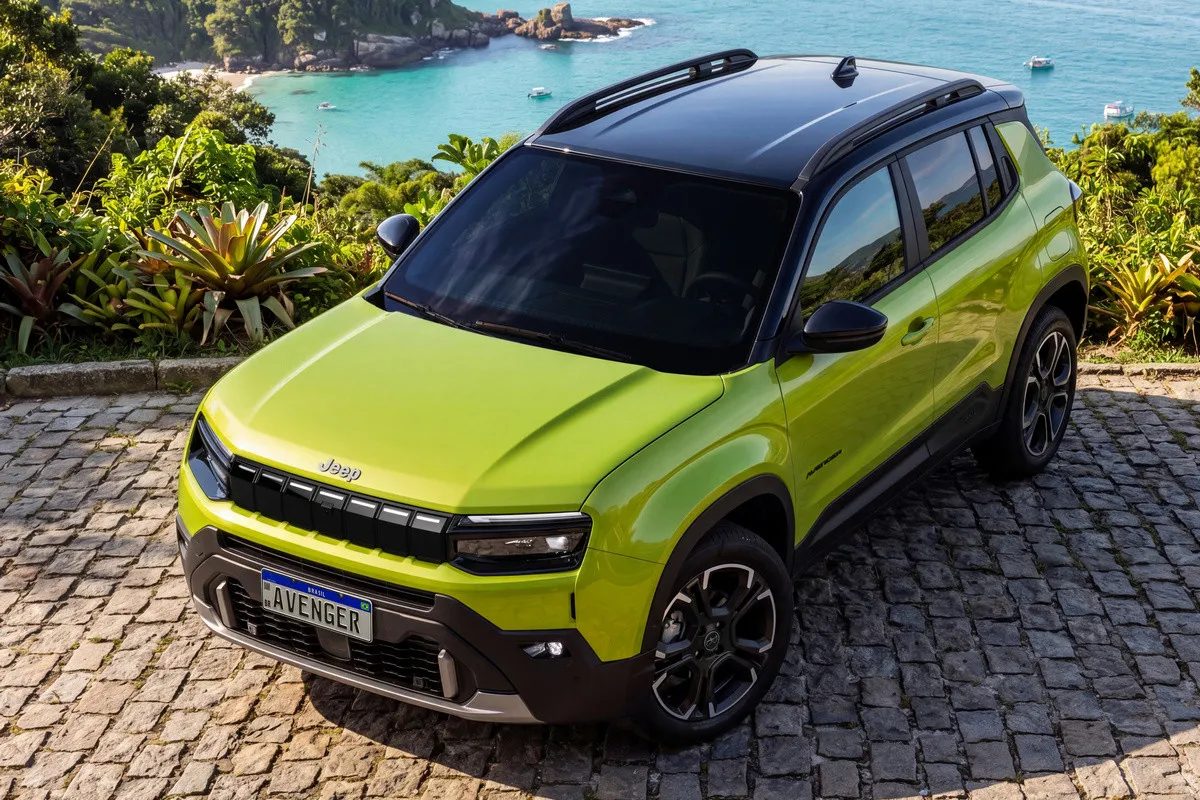
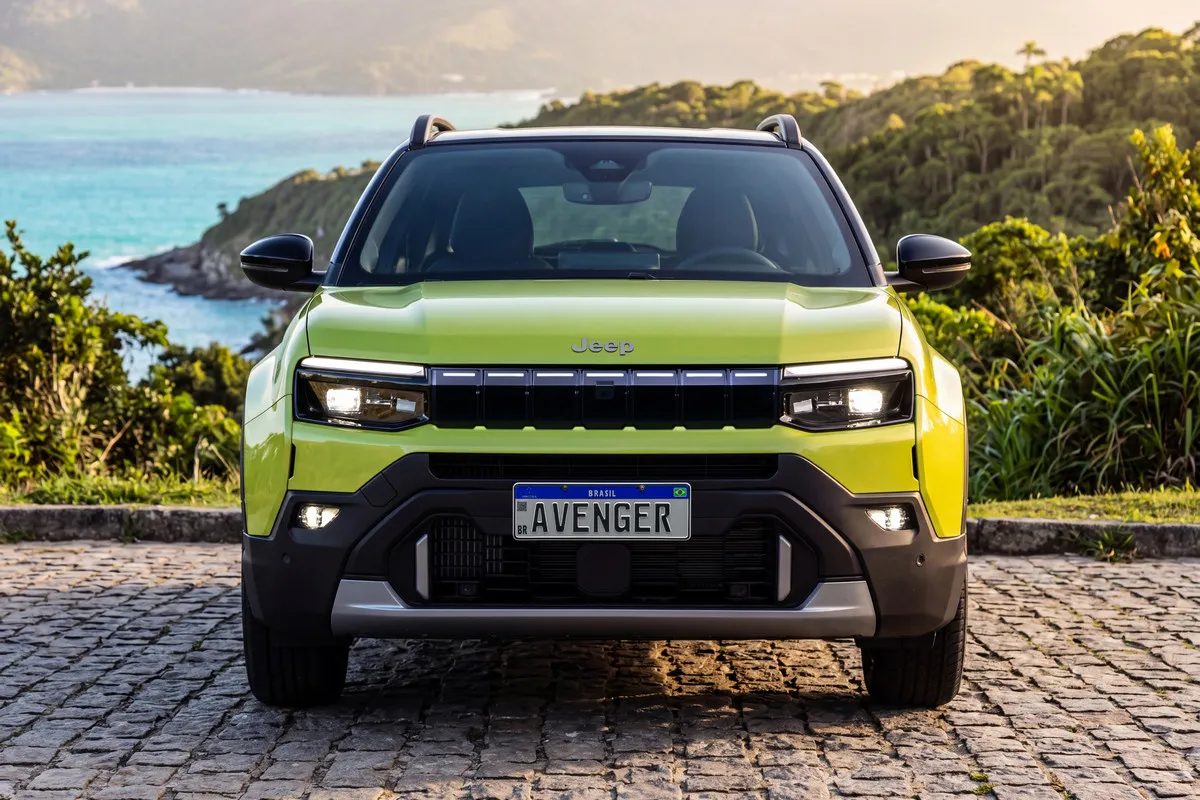
Jeep revealed the facelifted Avenger first in Brazil, and the images its European office issued at the same time were identical. It is on order in Italy, with first deliveries in September 2026, and the prices above are its prices.
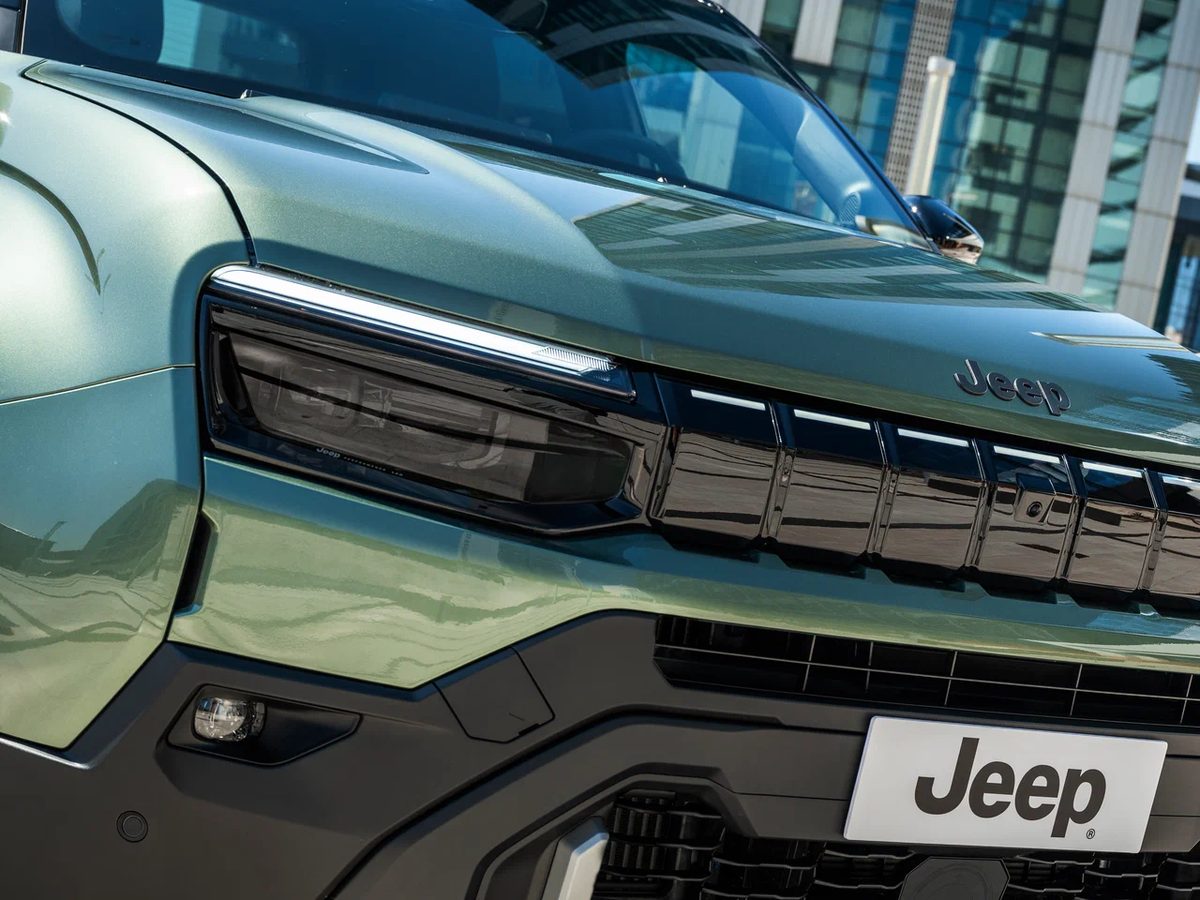
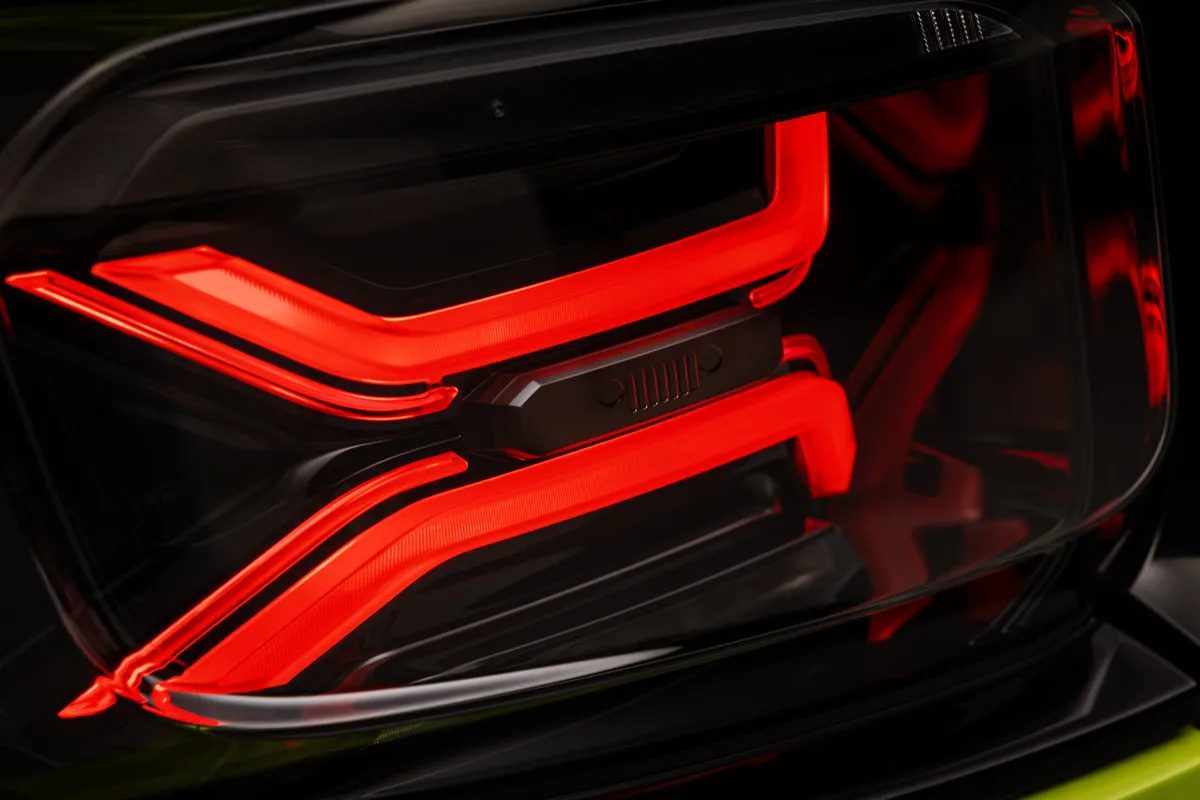
The front end is reworked and the interior is revised, but the platform and body carry over, and so do the powertrains: the 1.2-litre turbo petrol keeps 100 hp and gains a timing chain, the e-Hybrid stays at 108 hp, the 4xe at 143 hp and the electric car at 154 hp. Jeep quotes 386 to 400 km of WLTP range for the electric version and charging at up to 100 kW, 20 to 80 per cent in about 27 minutes.