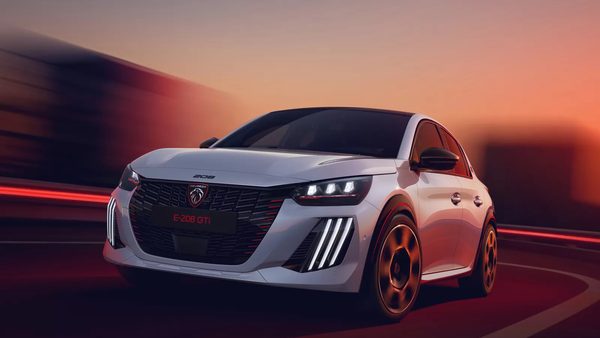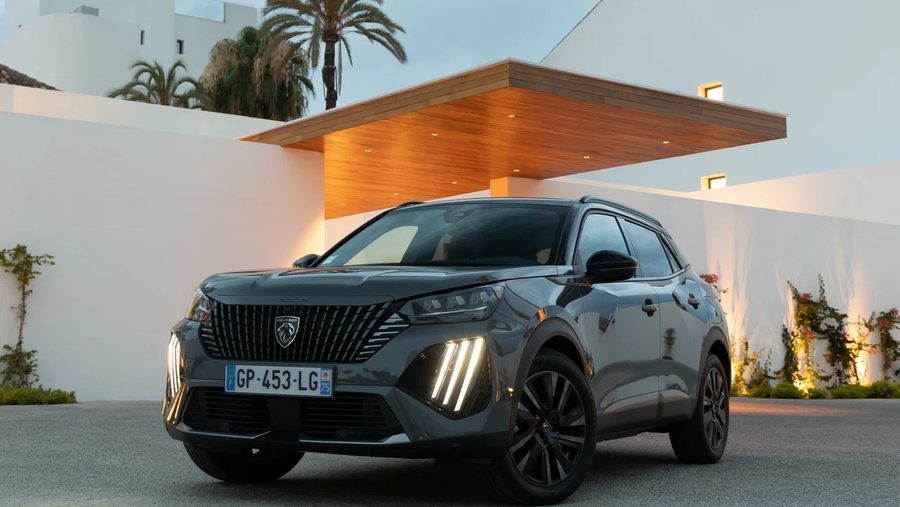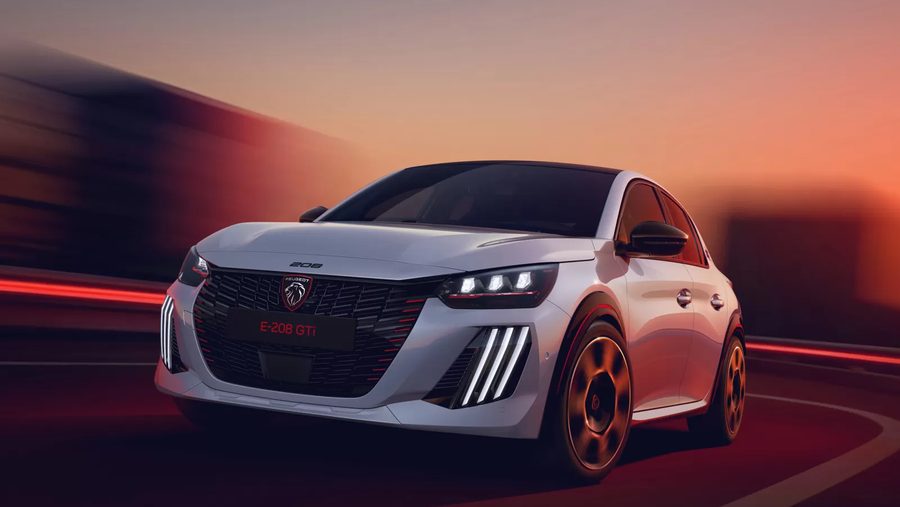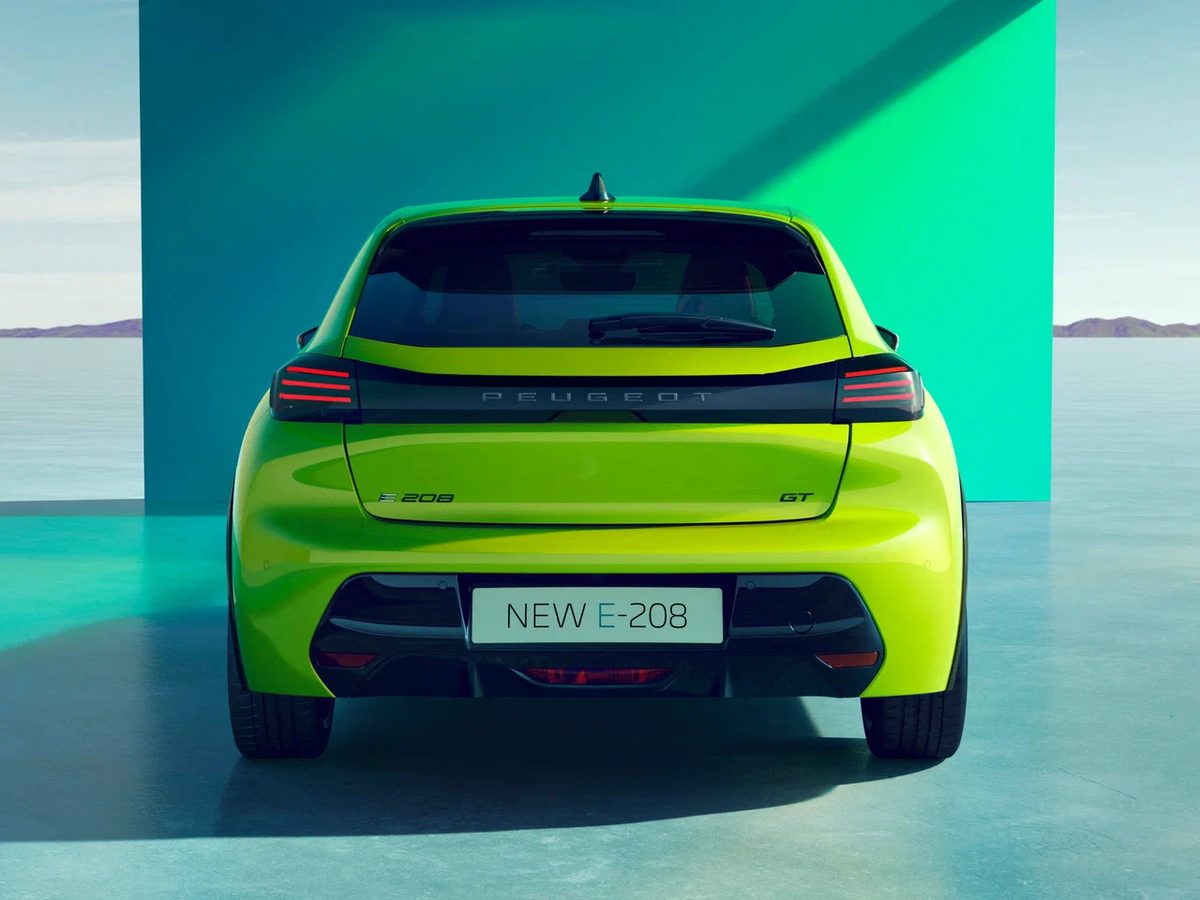
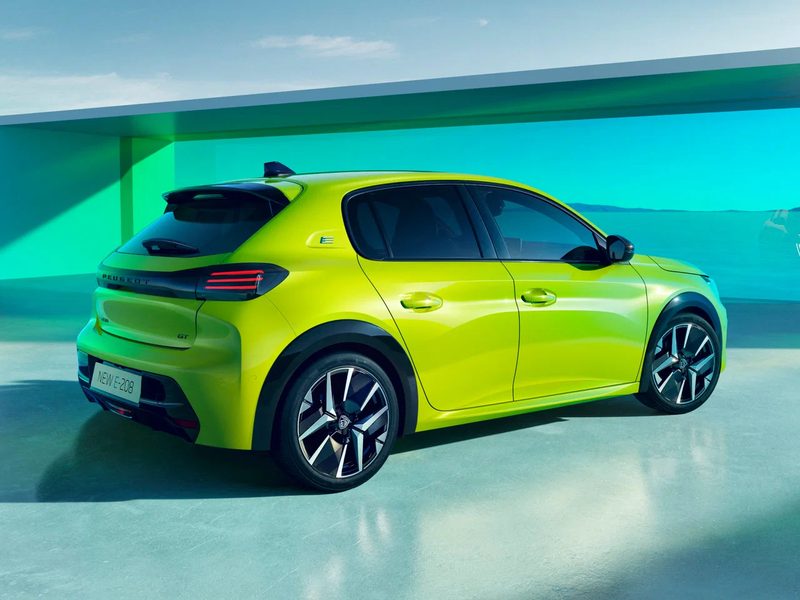
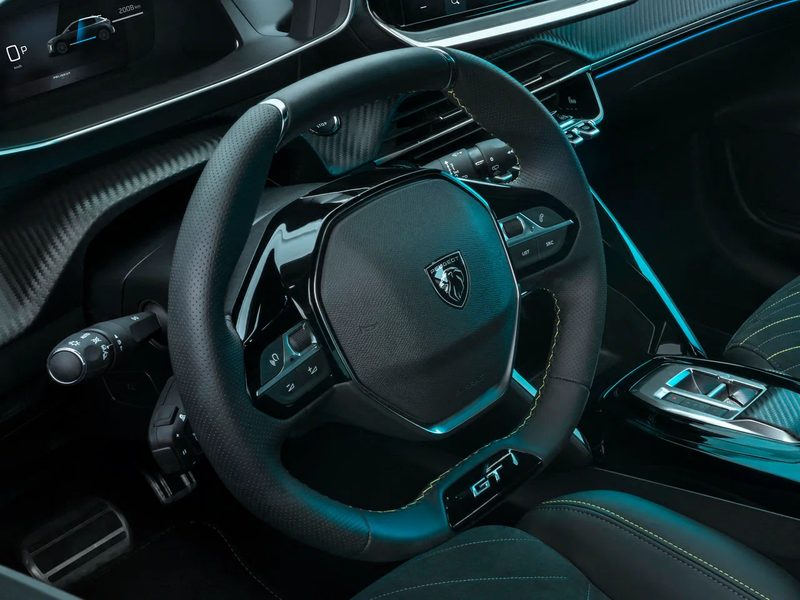
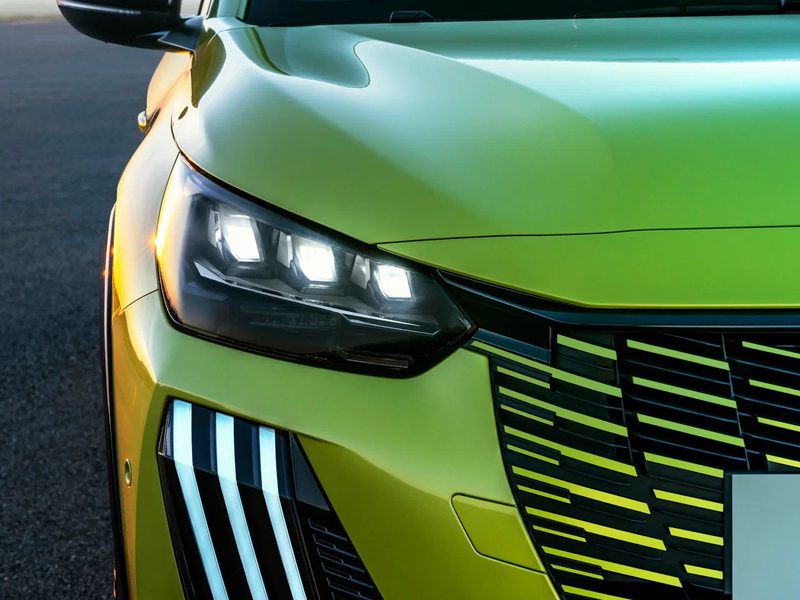
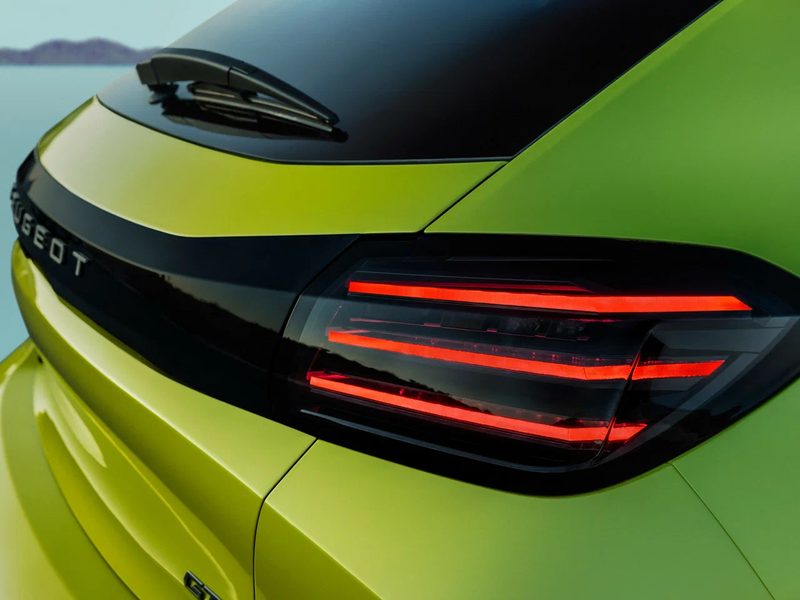
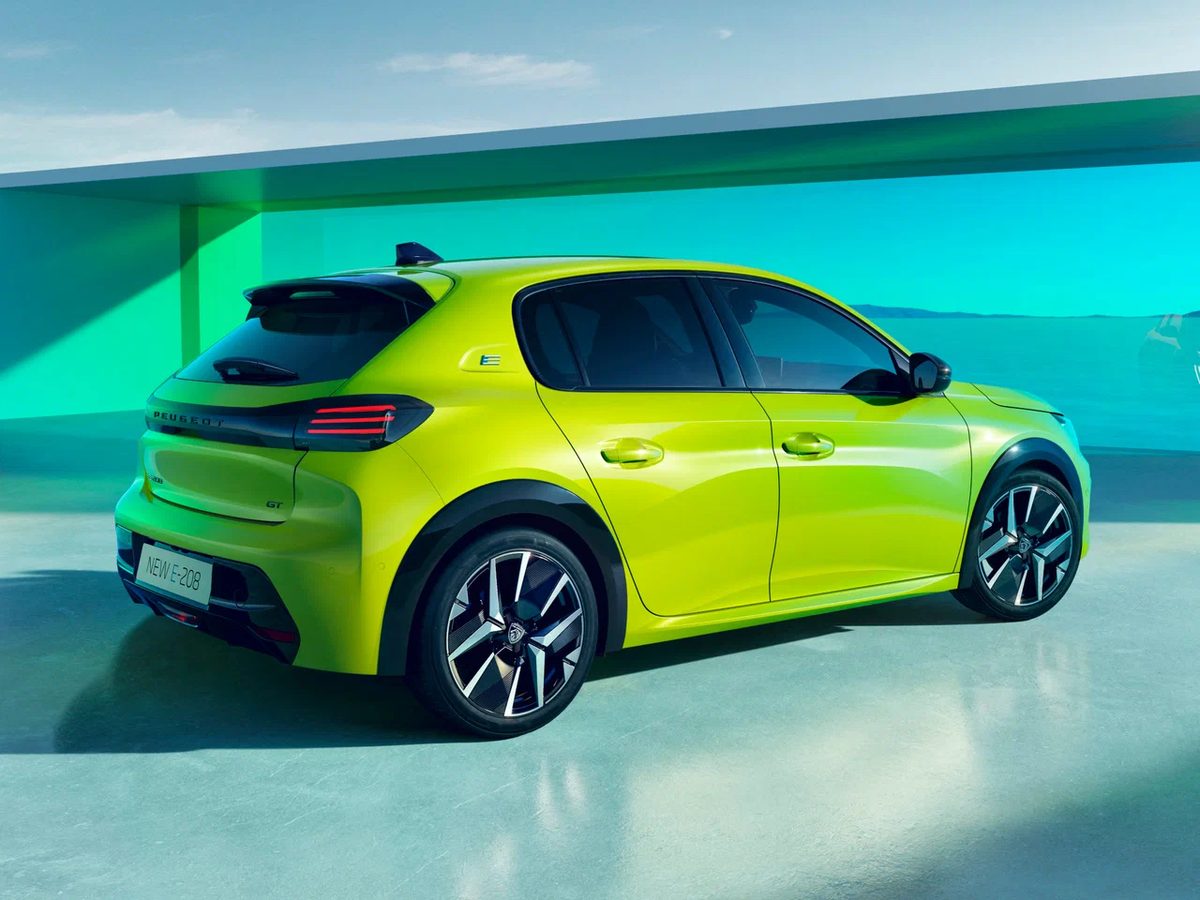
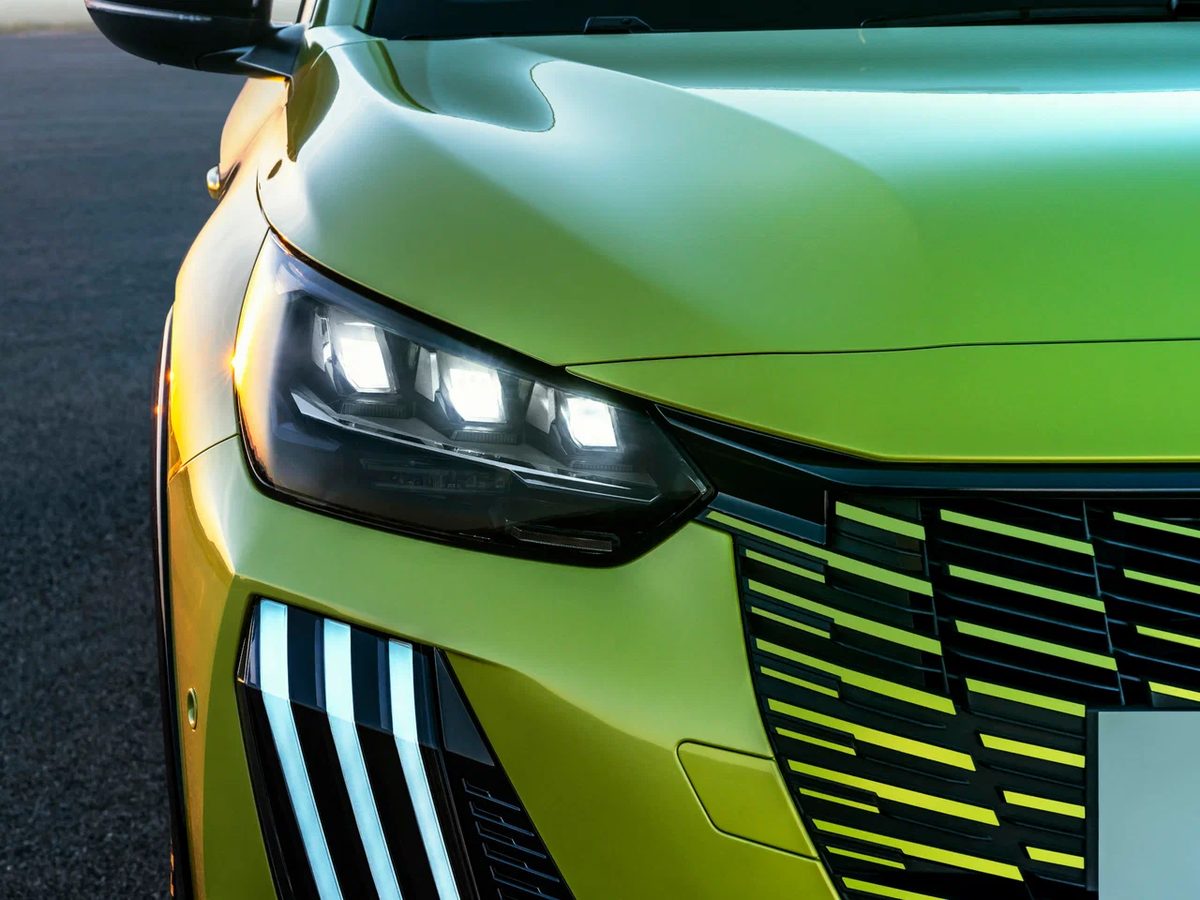
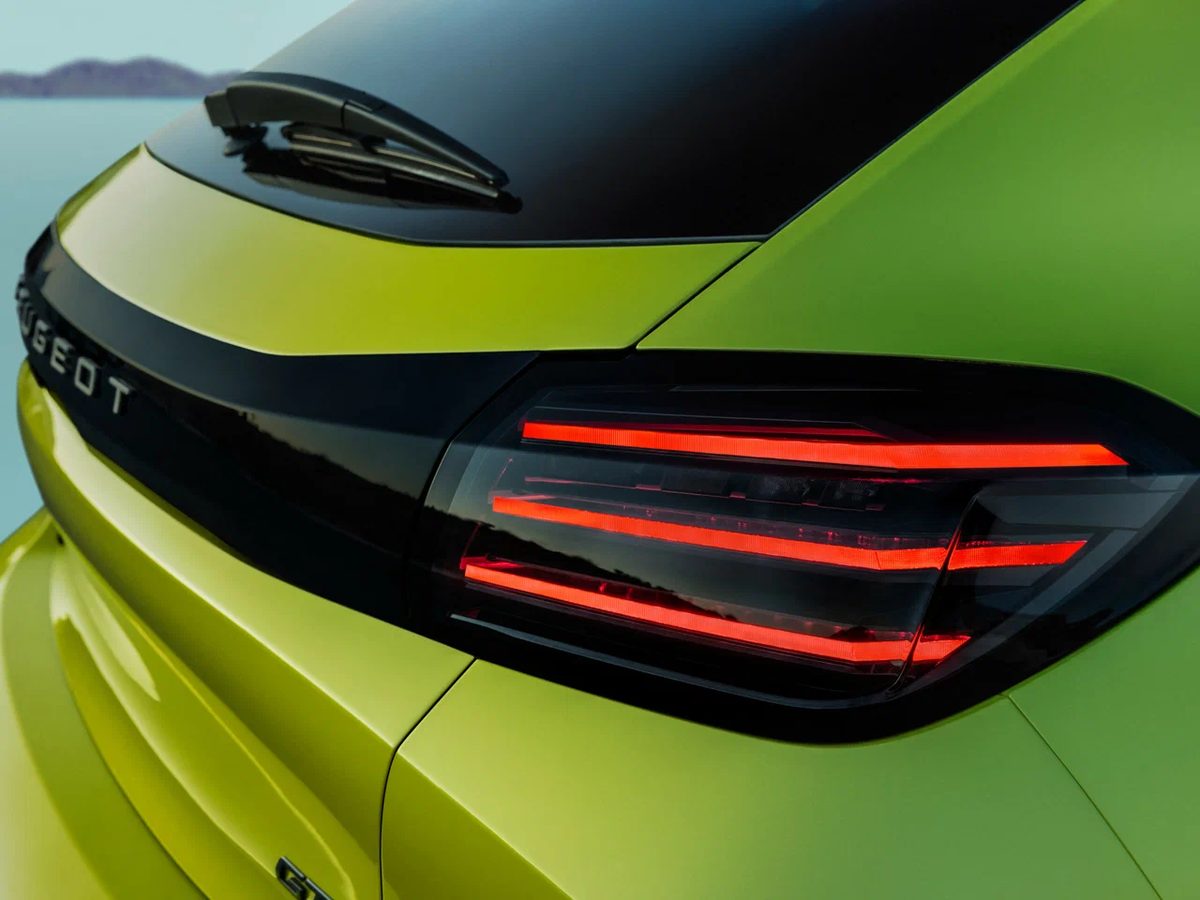
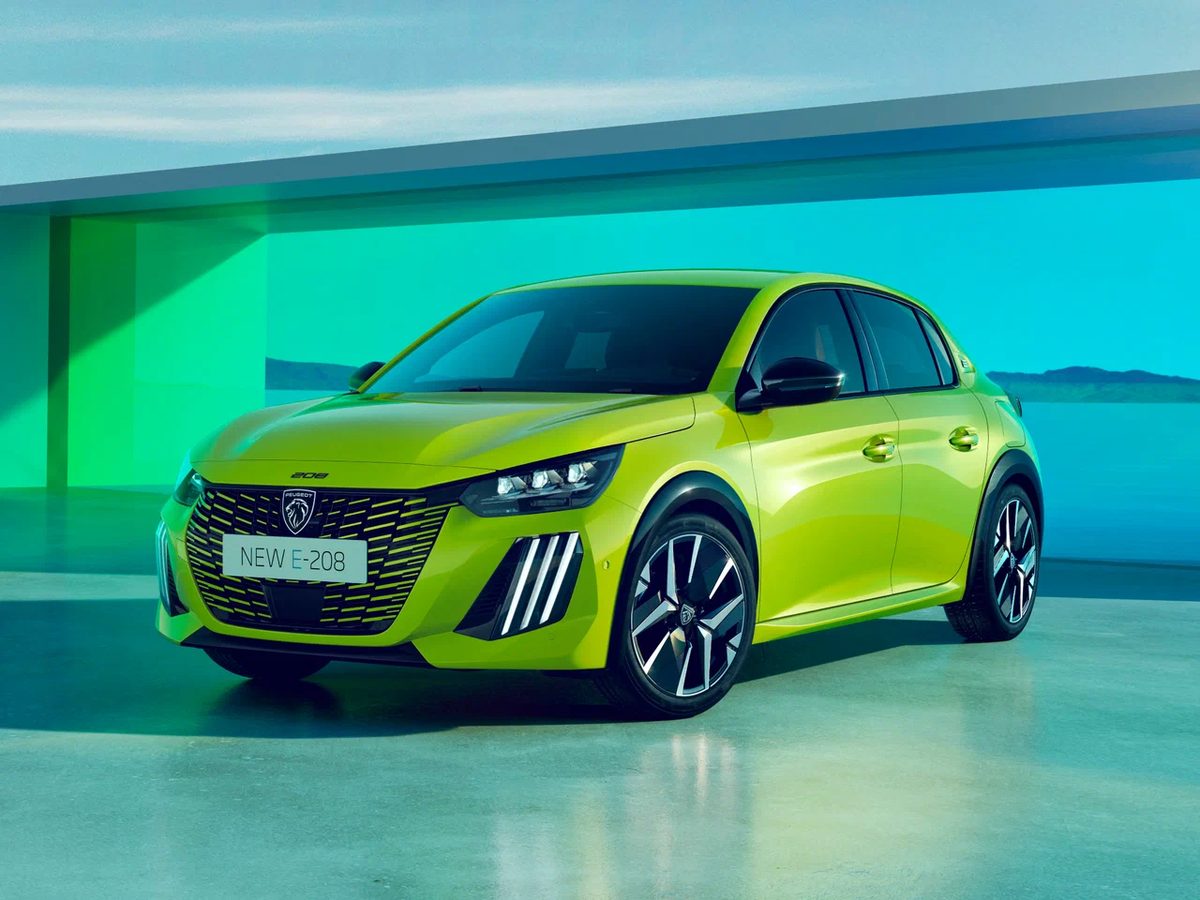
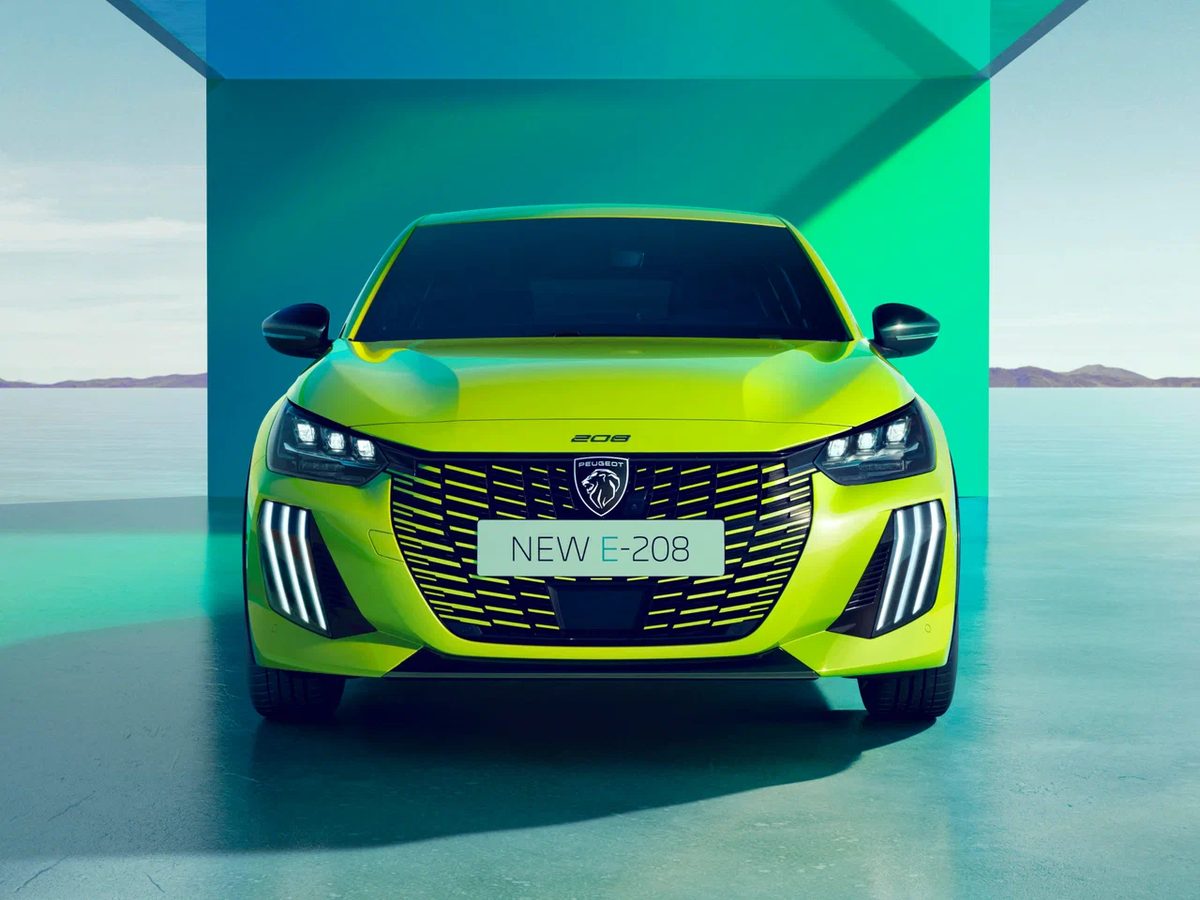
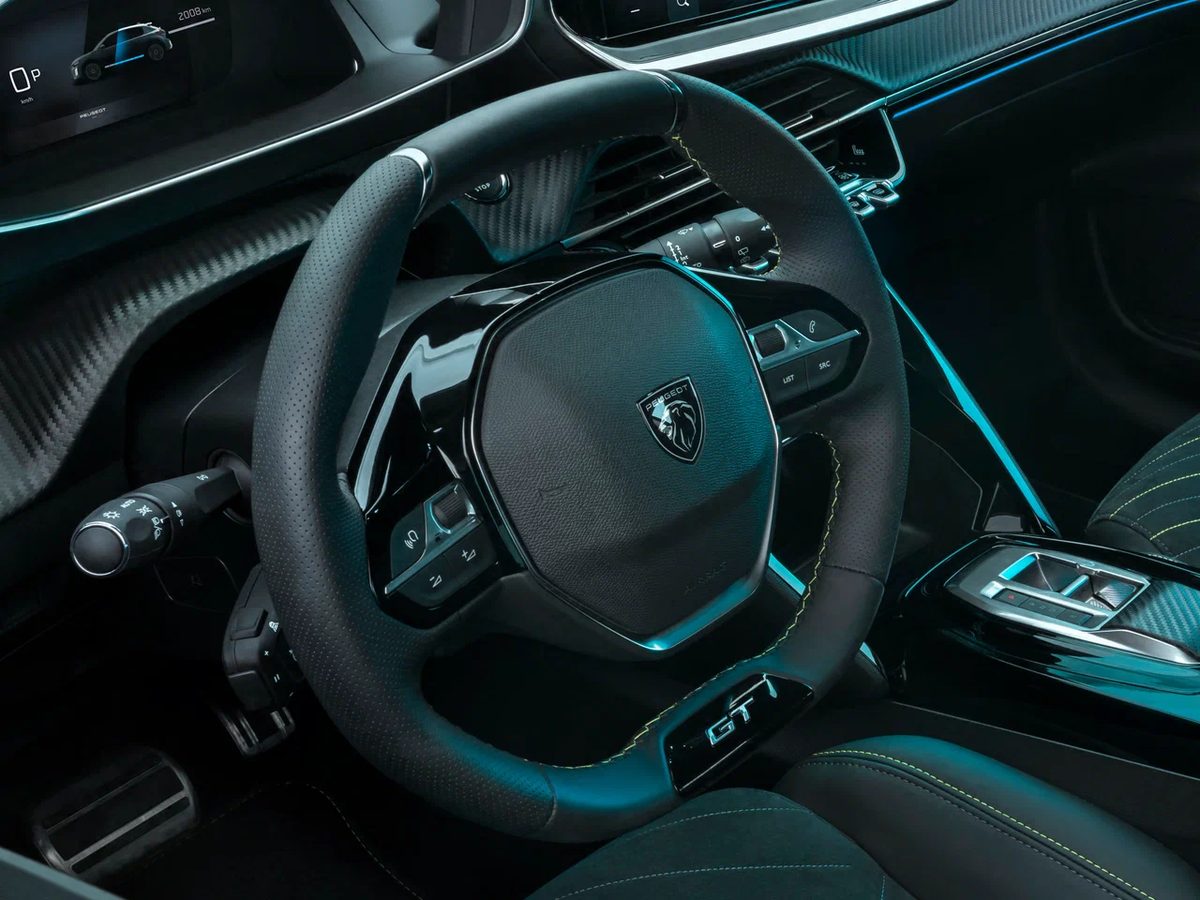
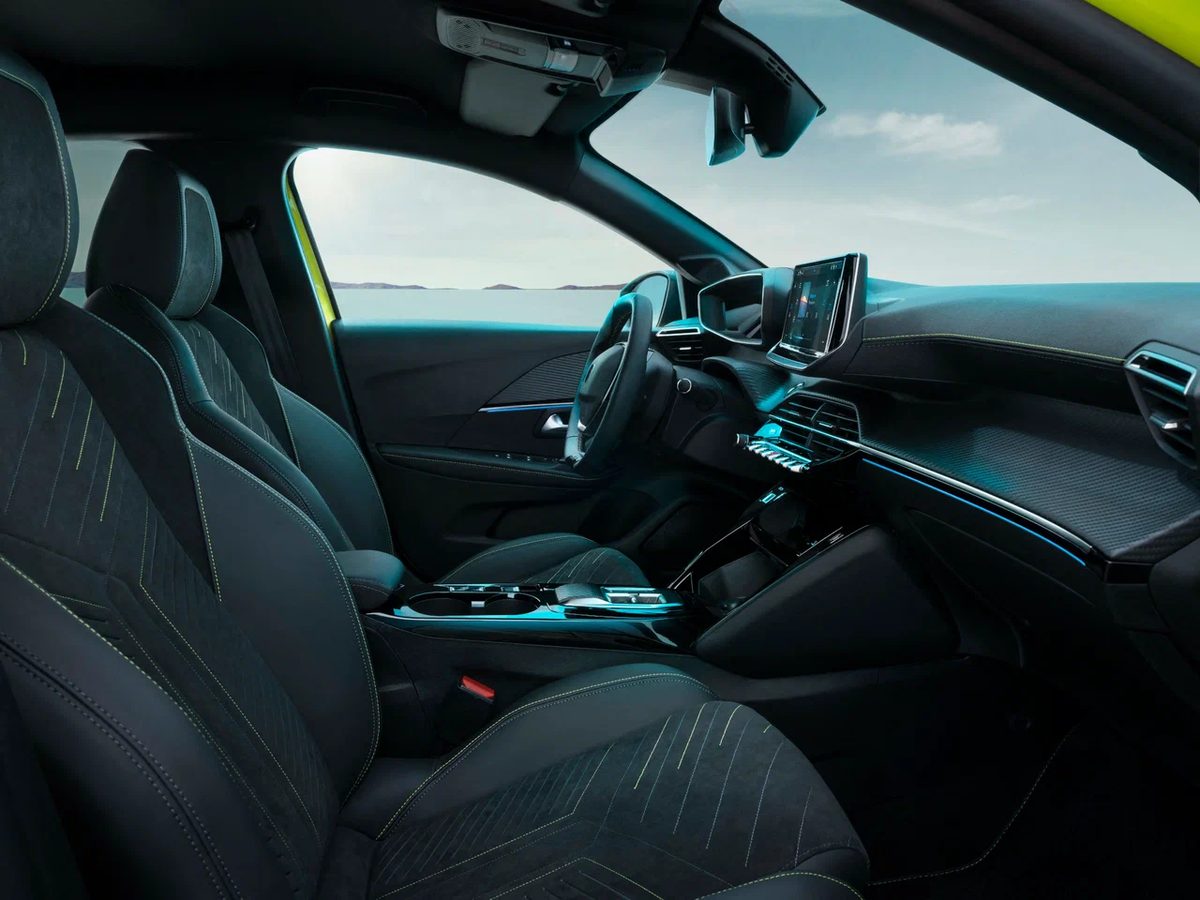
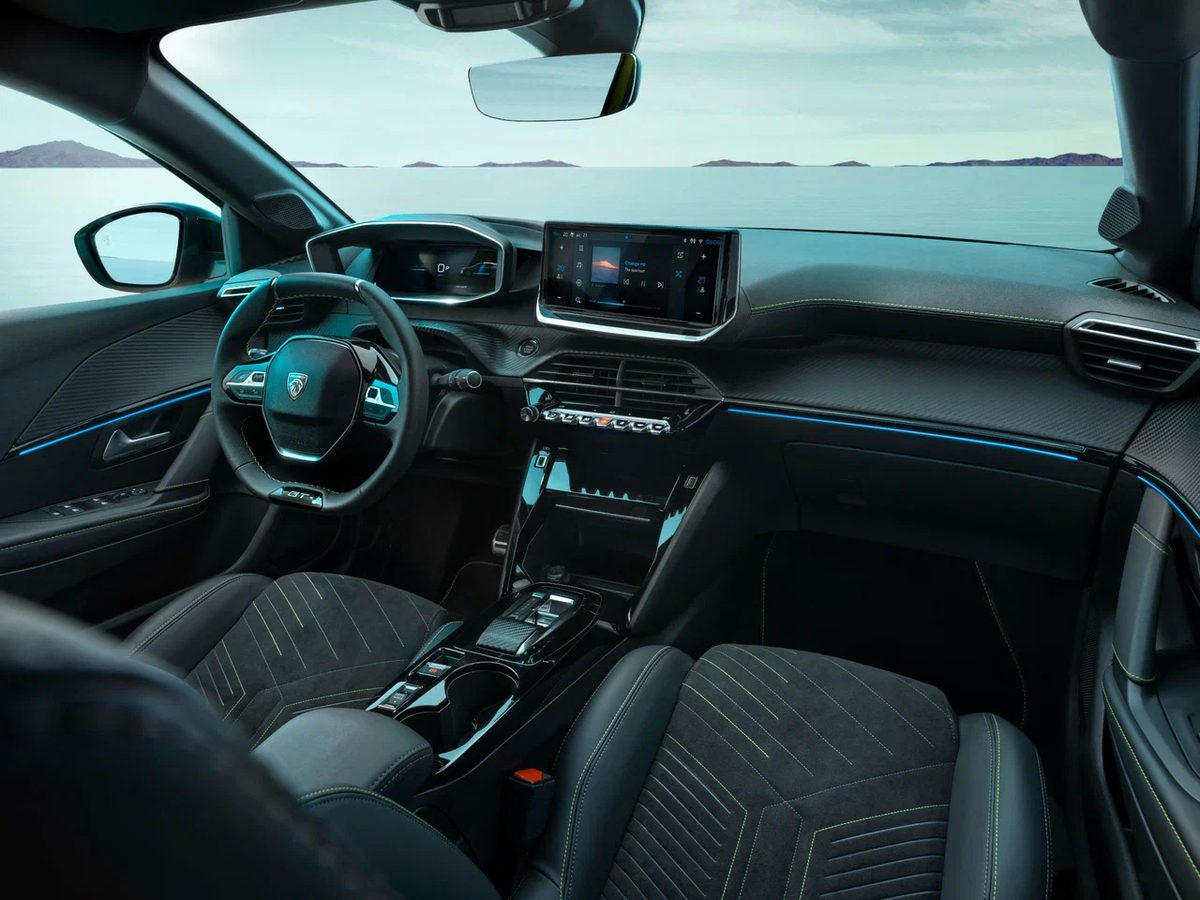
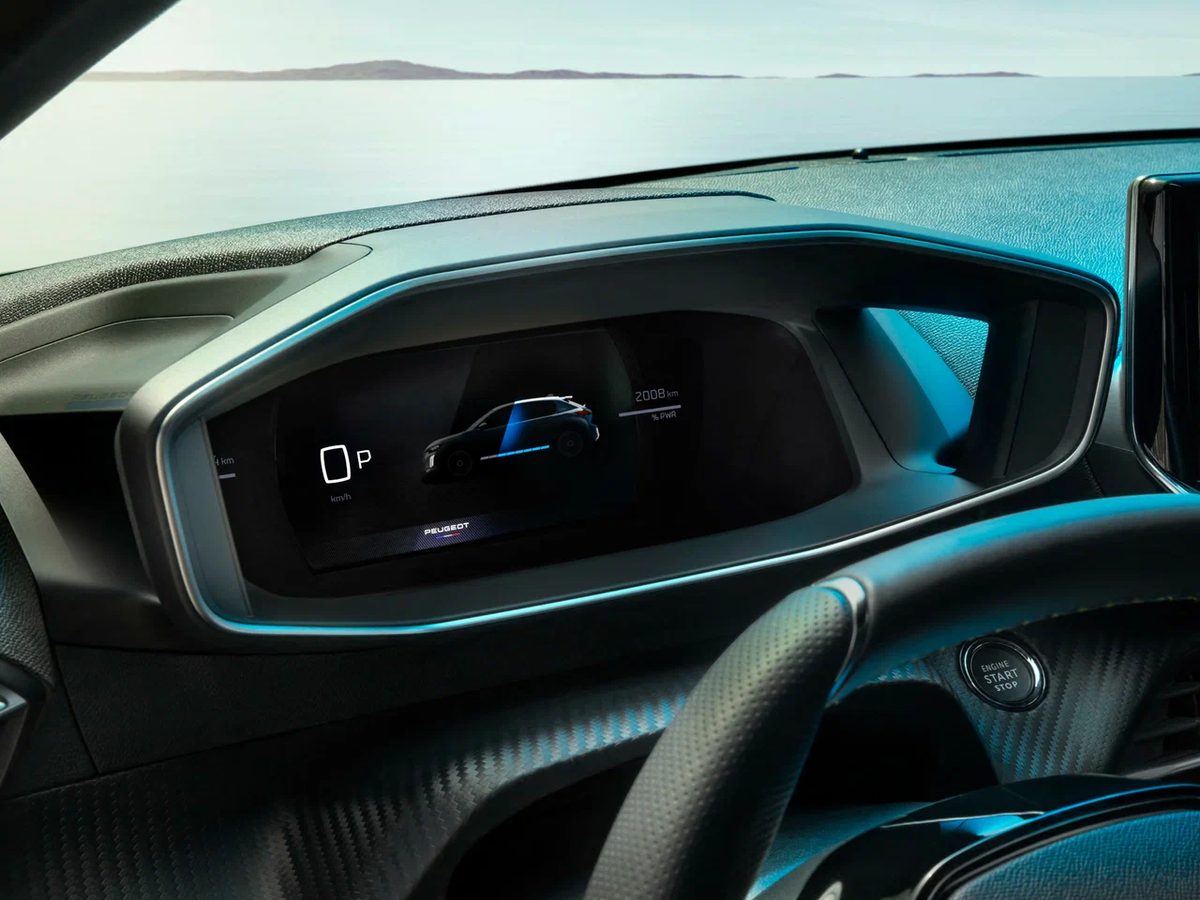
The Peugeot 208 is a small hatchback built on Stellantis’ Common Modular Platform (CMP), shared with the Peugeot 2008, the Opel and Vauxhall Corsa and the DS 3. It measures 4,055 mm long on a 2,540 mm wheelbase and carries Peugeot’s compact i-Cockpit layout, with a small steering wheel set below the instrument display rather than in front of it.
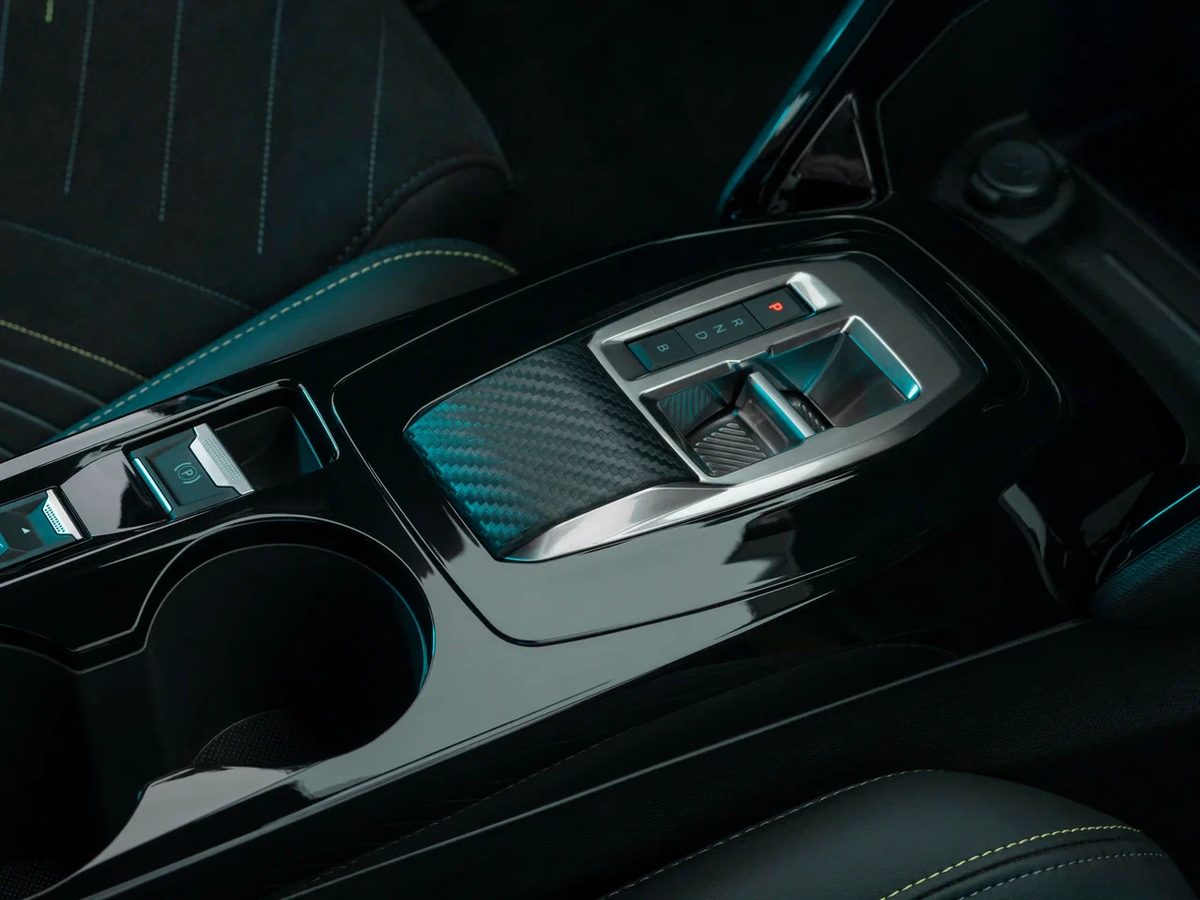
The UK range on Peugeot’s site has three combustion powertrains, all built around a 1.2-litre three-cylinder petrol engine. The Turbo 100 is the entry point, with 205 Nm and a six-speed manual gearbox. Above it sit two 48V mild hybrids, the Hybrid 110 and the Hybrid 145, which add a small electric motor inside a six-speed e-DSC6 automatic gearbox. Hybrid 110 keeps the Turbo 100’s 205 Nm and takes 9.8 seconds to reach 100 km/h; Hybrid 145 has 230 Nm and does it in 8.1 seconds. Unlike a plug-in hybrid there is no charging port: the small battery only recharges from the engine and from braking, and Peugeot quotes up to 15% lower WLTP combined consumption than an equivalent petrol engine.
Buyers who want to skip petrol can choose the e-208, sold under the same body with a 50 kWh battery and 136 PS or a 51 kWh battery and 156 PS, though it is specced and priced as a separate line from the petrol and mild-hybrid range.
The UK range runs through Style, Allure, Envy, GT and GT Premium trims. On-the-road prices (including delivery, number plates, 12 months of road tax and the registration fee) start at 22,615 pounds for the Turbo 100 in Allure trim, with the Hybrid 110 from 24,415 pounds and the Hybrid 145 from 27,765 pounds in GT trim, the lowest trim it is offered in.