 China
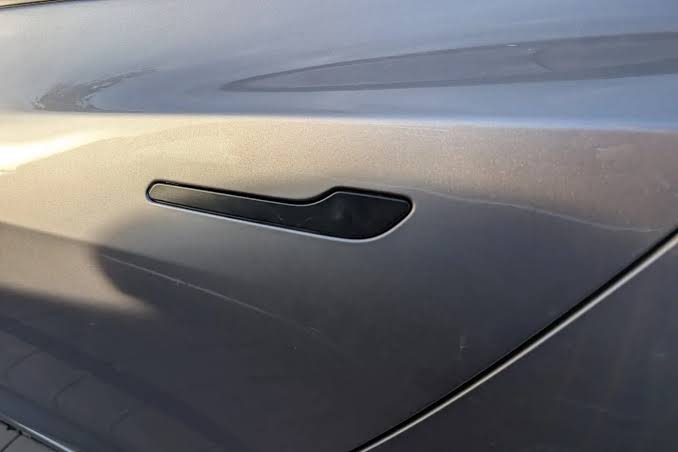
ChinaChina’s State Administration for Market Regulation has ordered the recall of nearly 4.3 million vehicles from 11 manufacturers over door handles that occupants or rescuers may not be able to open after a serious crash. It is the largest recall campaign the country has run.
What the regulator found
The cars in the campaign open their doors electrically. Pulling the handle sends a signal rather than moving a latch, and a crash that damages the 12-volt system takes that signal with it. Every affected car does have a mechanical backup inside the cabin, so the finding is not that the release is missing. It is that a driver who has never used it is unlikely to find it: on many of these cars it sits low on the door card or under a trim panel, unmarked, and blends into the surrounding material. Rescuers working from outside have the same problem, with less time.
Who is recalling what
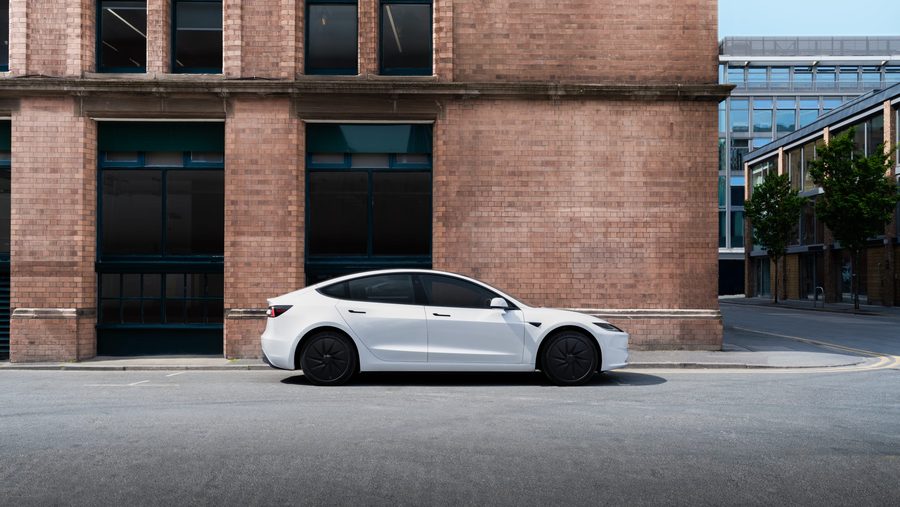
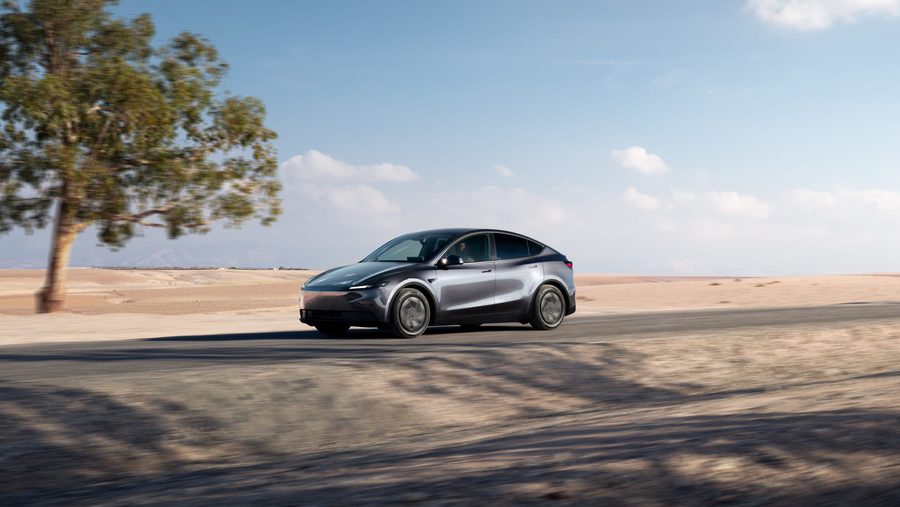
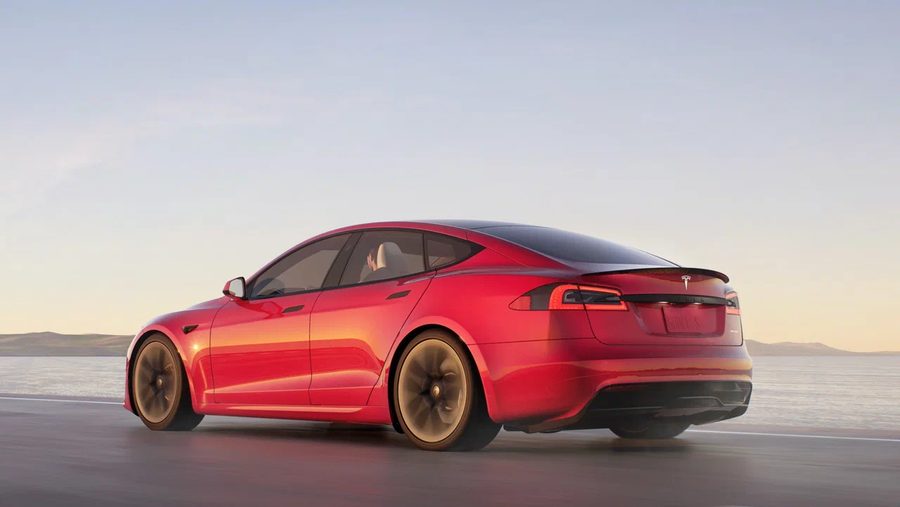
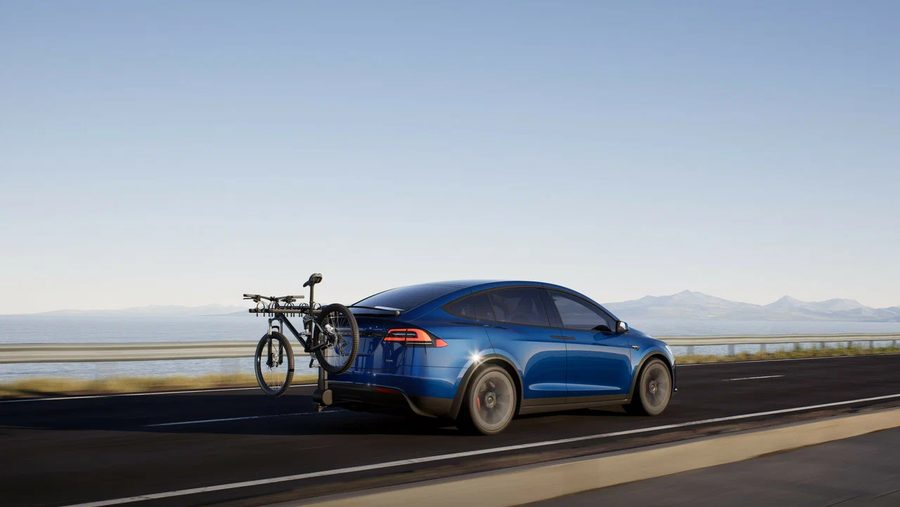
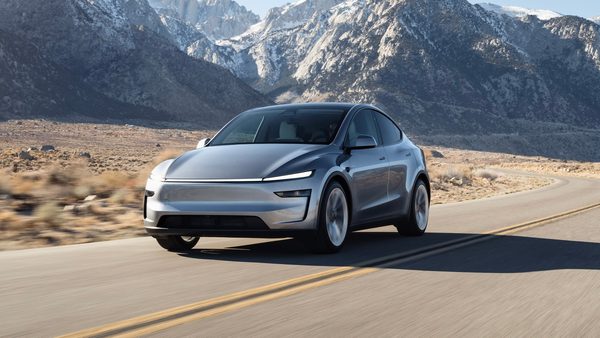
Tesla is the largest single filing at about 2.98 million cars, covering the Model 3, Model Y, Model S and Model X in both China-built and imported form. Xiaomi follows with roughly 390,000 vehicles, Leapmotor with about 371,000 and Xpeng with around 264,000. Geely, Zeekr, Chery, Dongfeng and Arcfox are also on the list.
The fix is a sticker and a software update
Nine of the 11 manufacturers will add a warning label next to the mechanical release so it can be identified without hunting for it, and most are also preparing over-the-air software changes. Tesla’s update lowers the windows automatically after a collision, which leaves an opening to reach through if the doors will not open. Its campaign starts on 25 September. No manufacturer is replacing hardware, because the recall does not require it.
The standard that follows
The campaign arrives ahead of GB 48001-2026, the national safety standard for vehicle door handles. It requires a mechanically operable handle inside and outside the car, and sets a minimum hand space of 60x25x20 mm for the exterior handle, which rules out the fully flush designs that retract into the door. Cars must also keep a purely mechanical emergency release that works with the electrical system dead. The standard applies to new model approvals from 1 January 2027 and to every vehicle built from 1 January 2029. It sits alongside a separate Chinese rule that will require physical buttons for safety-related controls from 1 July 2027.