
 China
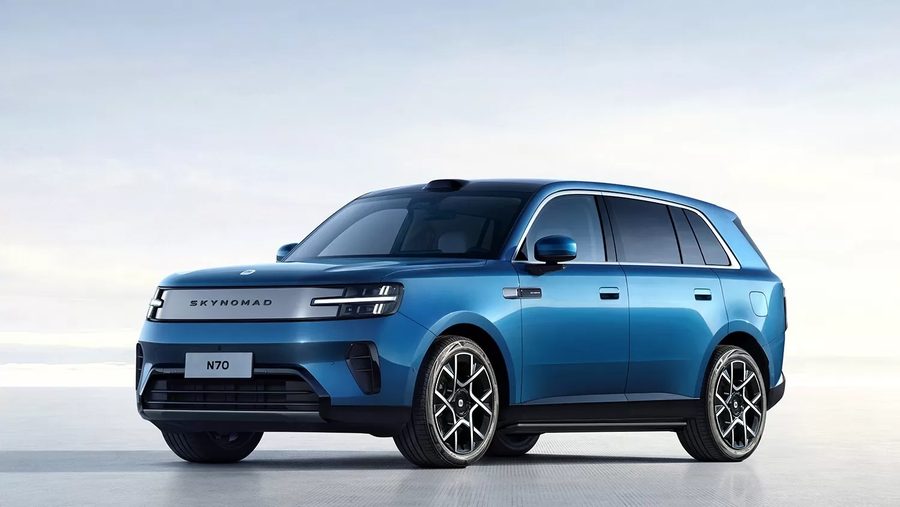
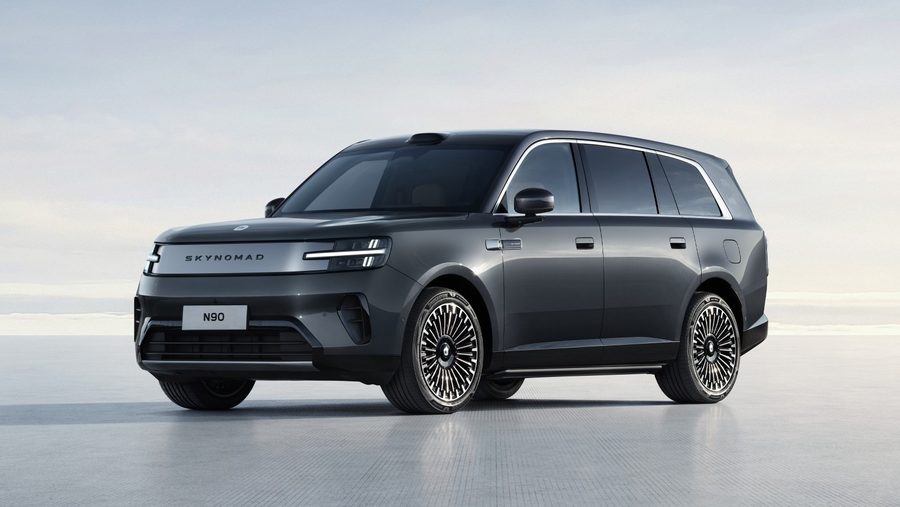
ChinaXiaomi opened pre-sales for both SkyNomad SUVs on July 30, three weeks after revealing the N90 with no pricing at all. The top Max trim of the smaller N70 starts at 259,900 yuan (about $38,410); the larger N90 Max starts at 299,900 yuan (about $44,570). Both are pre-sale prices only - a full launch across the range, including cheaper Pro and standard trims Xiaomi has promised but not detailed, is set for September 2026.
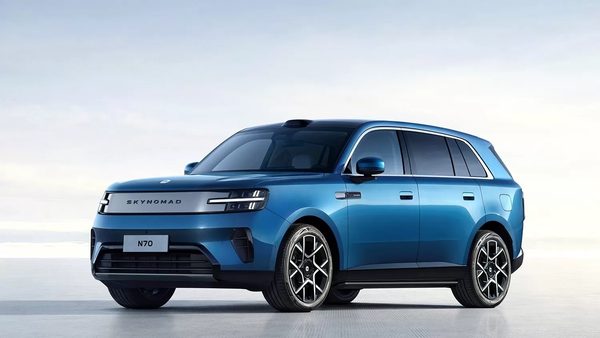
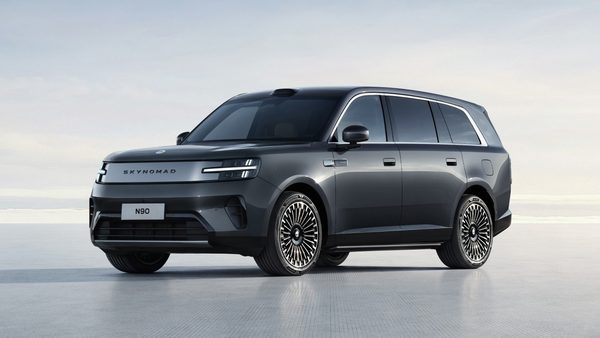
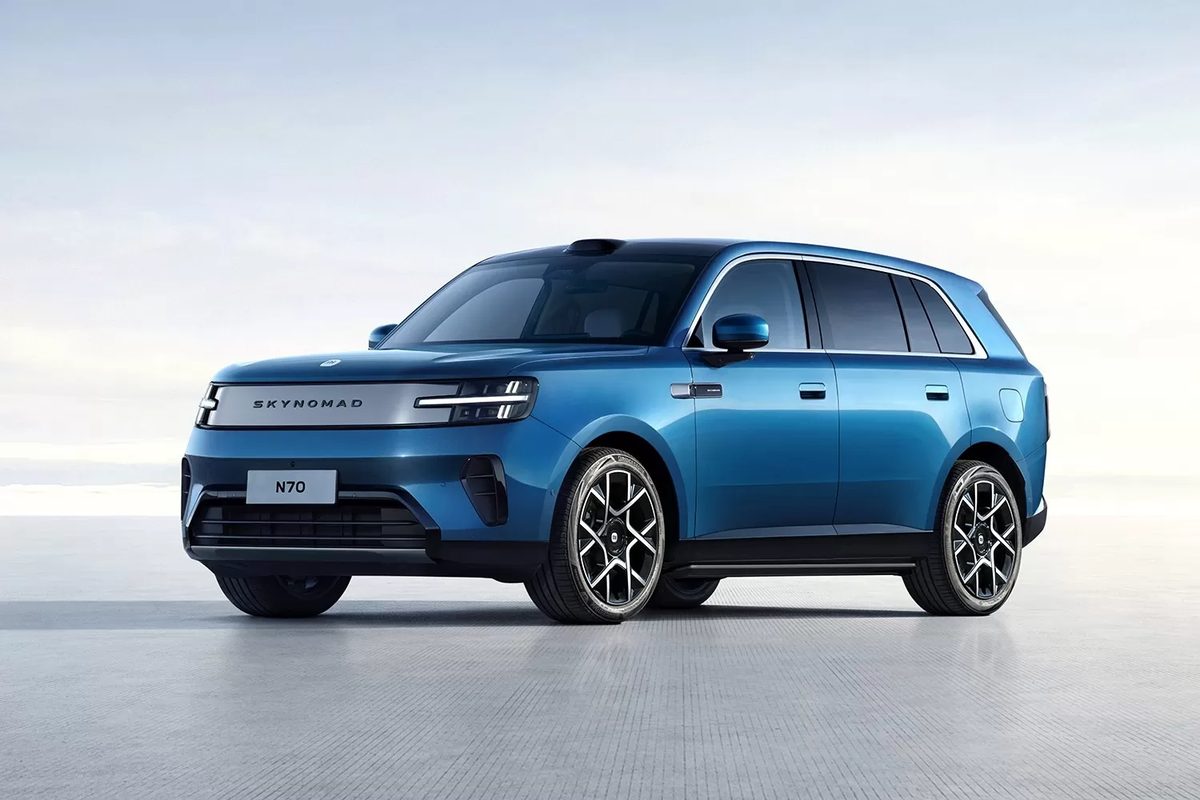
The two Max trims share hardware: a 210 kW front motor and 100 kW rear motor for a combined 310 kW (416 hp) and all-wheel drive, plus the same 76 kWh ternary-lithium battery, with a 1.5-litre engine that never drives the wheels and only runs as a generator once the battery is spent. What differs is the body around that hardware. The N70 is a 4,960mm five-seater; the N90 is a 5,285mm three-row SUV with a seven-seat option. That size gap is why CEO Lei Jun’s claim that the N70 has “the longest pure-electric range among production EREVs” holds up on paper: 505 km CLTC on the N70 versus 464 km on the heavier N90, both against rivals running similarly sized 63-80 kWh batteries for 500 km or less. It’s a real CLTC result, not an invented one - but it’s also the cheaper, smaller SkyNomad out-ranging its own flagship, not a leap over the competition on a different scale.
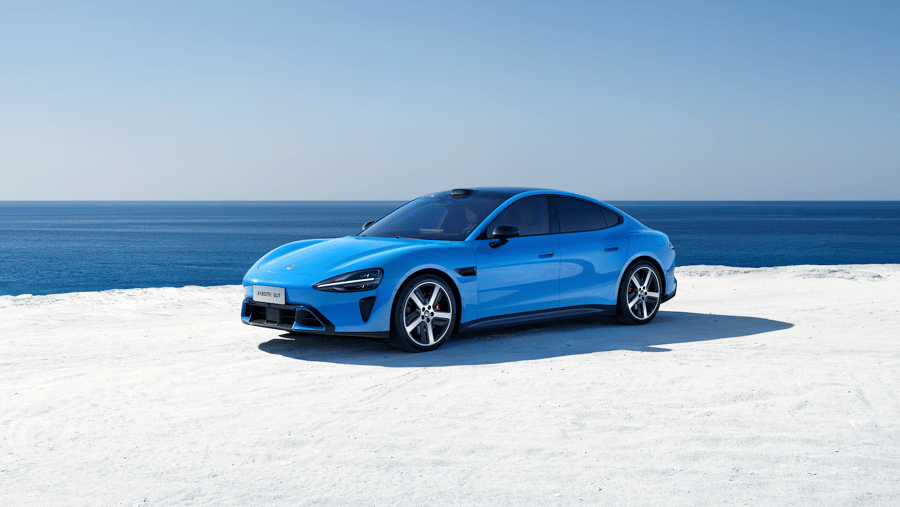
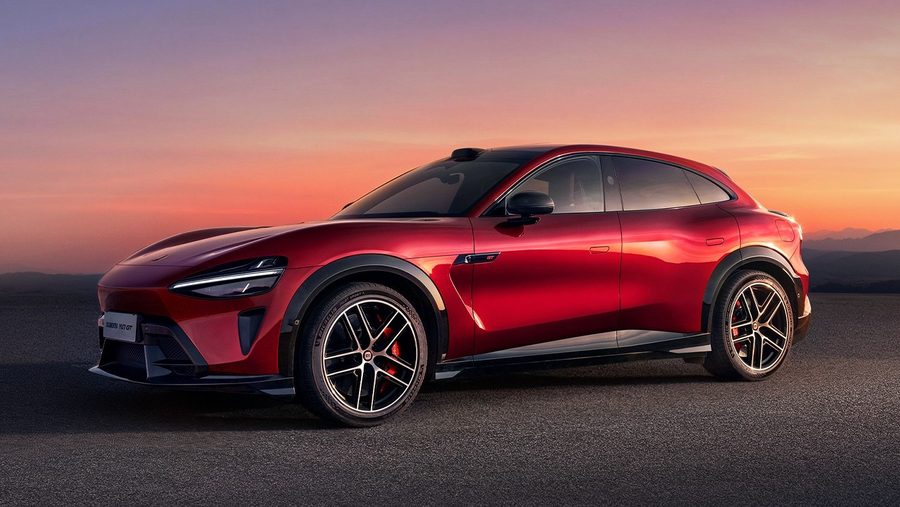
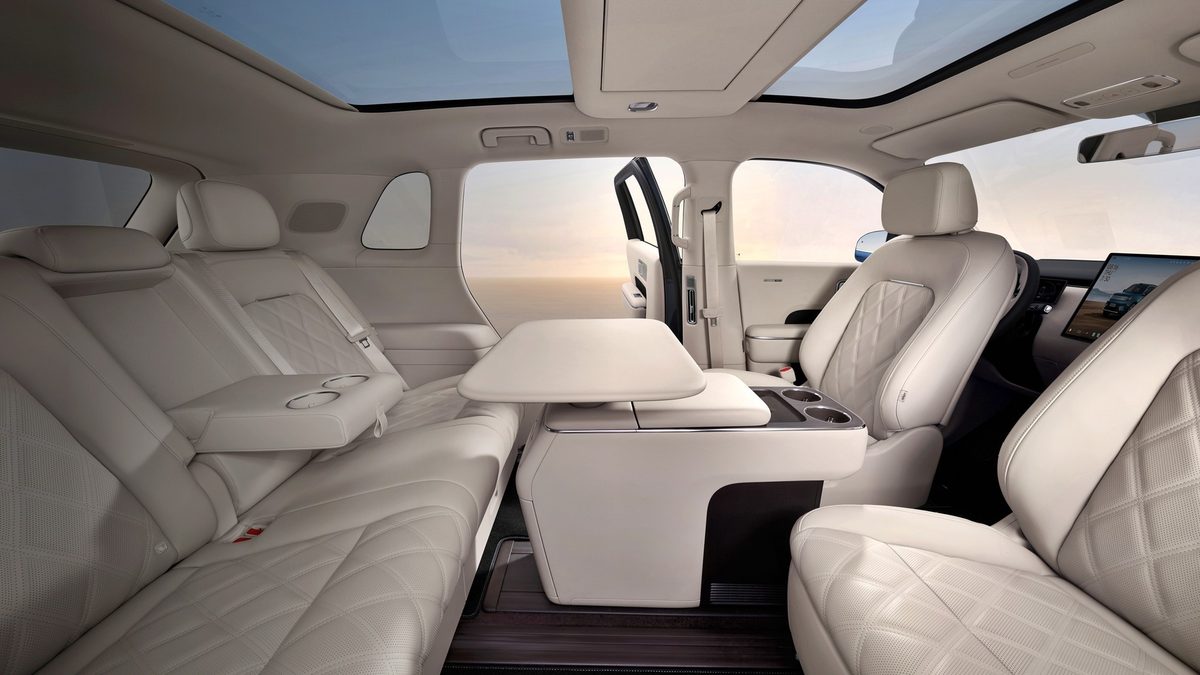
Both SUVs are aimed at buyers cross-shopping Li Auto and Aito’s range-extended families rather than Xiaomi’s own driver-focused SU7 and YU7. The N90 keeps its case for the flagship slot: three-row seating, a Camper variant with an extended living module, and a transforming cabin with rotating seats and a roof-mounted lidar. The N70 gets the same transforming-cabin pitch in a smaller, cheaper package - and, for now, the bigger range number to go with it.