AVILOO has published what it calls the largest independent study of used-EV battery condition to date, drawing on more than 500,000 tests across 20 popular models run between 2022 and 2026. Its headline conclusion is a reassuring one: even after 150,000 km, most of the EVs it tested still hold about 90% or more of their original capacity.
The best and worst results it named span a narrower range than that finding might suggest.
Median battery capacity retained at 150,000 km, among the models AVILOO named.





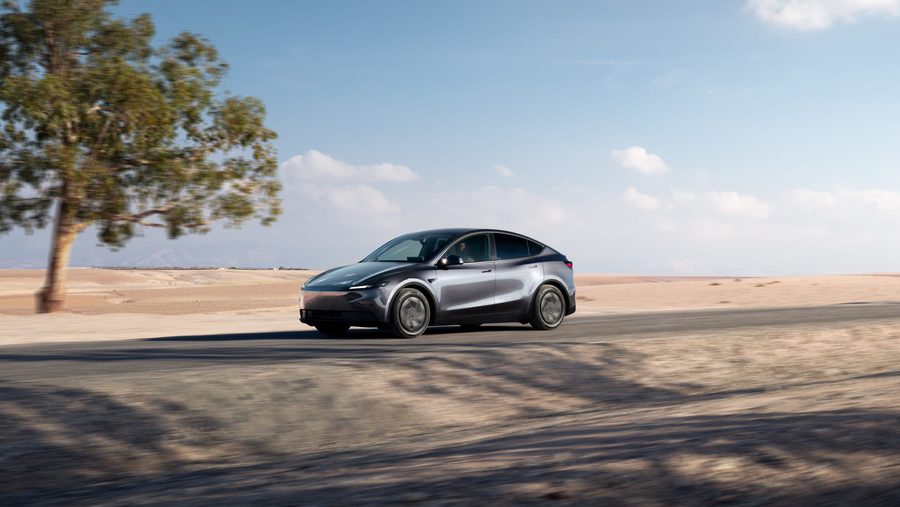
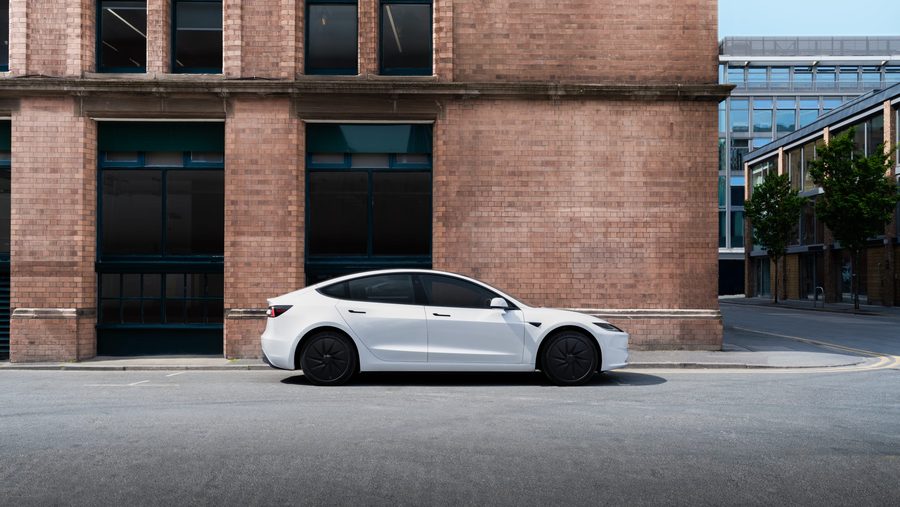
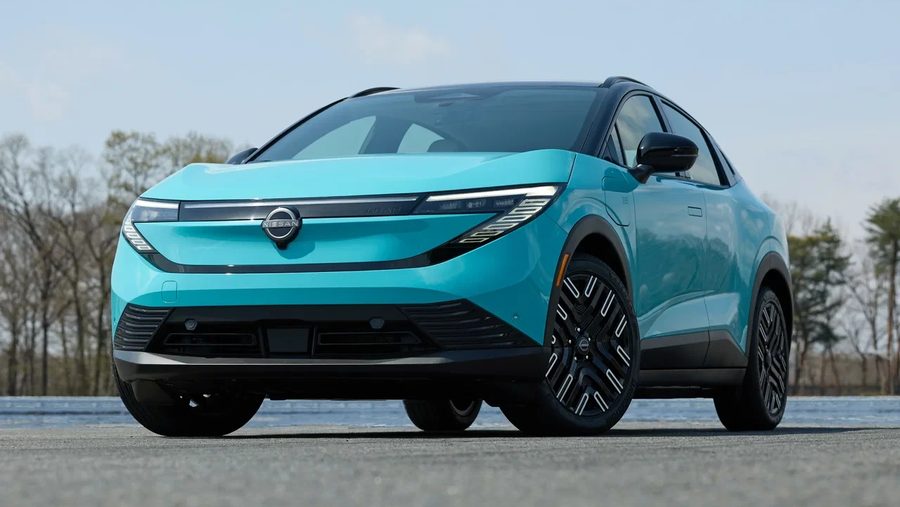
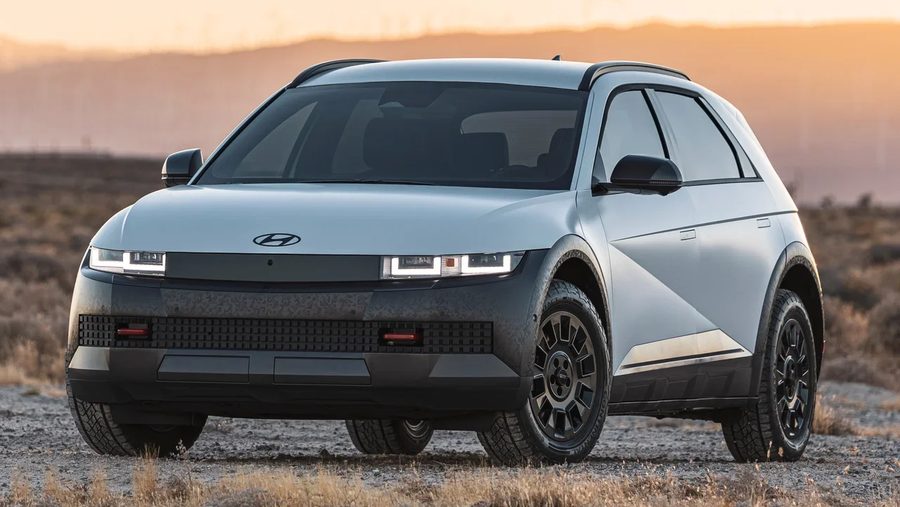
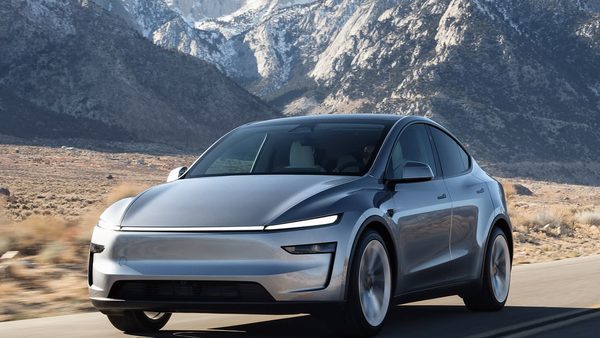
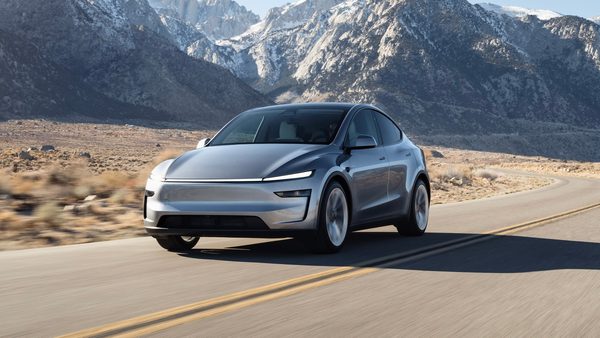
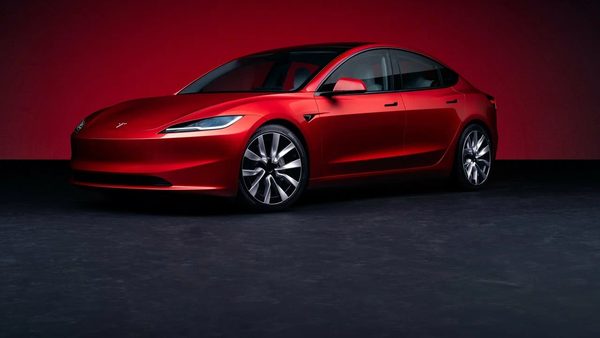
Mercedes-Benz’s EQA, Hyundai’s Ioniq 5 and BMW’s i4 top the results AVILOO published, each above 93.5%. Tesla’s Model Y and Model 3 sit mid-table at 90.3% and 88.9%. The lowest of the named results - Nissan’s Leaf ZE1, the MINI Cooper SE and the Renault Zoe - are all still above 86%. The gap between the best and worst named result is under eight percentage points.
The more consequential finding is what mileage alone fails to tell a buyer. AVILOO found that within a single model, the spread in battery condition can exceed 13 percentage points at the same odometer reading - meaning two examples of the same car with identical mileage can differ far more from each other than the average difference between models. Climate, pack size and how a car was charged and driven all shape degradation more than distance travelled does.
“The odometer reading alone says nothing about the battery.”
AVILOO, study announcement
AVILOO also points to a pattern across the wider dataset: smaller battery packs tend to degrade faster on average, because they complete more charge cycles to cover the same distance as a larger pack.
For a market where used-EV listings are still commonly judged on mileage the way a combustion car’s is, the practical takeaway is a caution rather than a verdict on any one brand: a battery health test tells a buyer more than the trip counter does.
Source: AVILOO, via Autoblog