Hybrid

Hybrids Cars: News & Models

MHEV, HEV, PHEV and EREV: four ways of combining an engine with electric drive, separated by how much of the driving the motor actually does.

123 articles · 157 models

Four systems share the word. What separates them is how much of the driving the electric side is allowed to do.

  • MHEV, mild hybrid. A 48-volt motor-generator assists the engine and cannot move the car by itself. On the Ford Puma it replaces the alternator, recovers energy under braking and fills the torque gap at low revs.
  • HEV, full hybrid. A larger motor and battery that can drive the car alone at low speed. Charging comes from the engine and from braking, never from a socket: the Honda Prelude has no charge port.
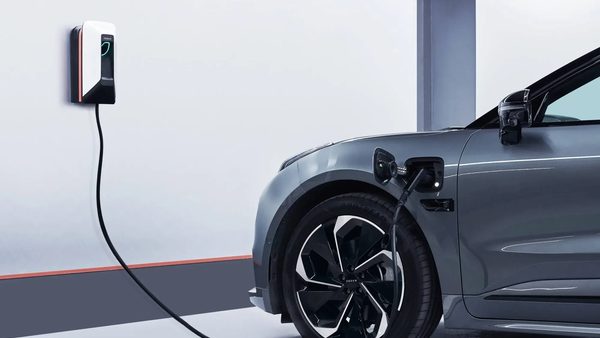
  • PHEV, plug-in hybrid. A full hybrid with a bigger battery and a plug. The MG HS holds 24.7 kWh, good for 121 km before the engine is needed.
  • EREV, extended-range electric. Motors drive the wheels, the engine only makes electricity. The Li L9 pairs a 72.7 kWh battery and 420 km of electric range with a 1.5-litre turbo that is never connected to the road.

That order is also the order of battery size, purchase price and dependence on the owner. A mild hybrid asks for nothing and quietly returns its few per cent. A plug-in hybrid that nobody plugs in is a heavy petrol car carrying a dead battery, and its official consumption figure stops describing anything real. Chinese manufacturers have pushed the extended-range format hardest, on the argument that a big battery with a small generator behind it fits a country where urban charging is dense and the gaps between cities are long.

Models

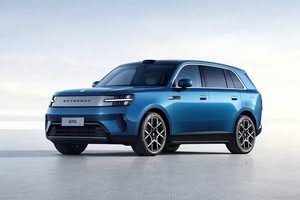
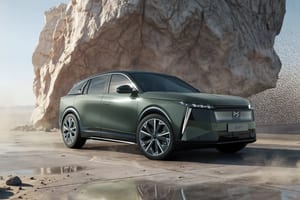
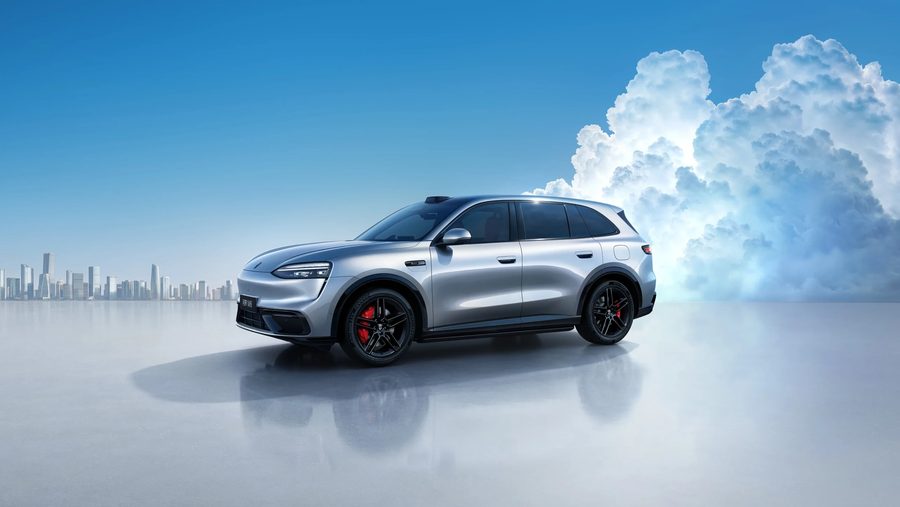
AITO M6
AITO
M6
462 hp272 km CLTCAWD
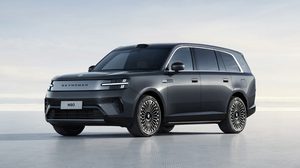
AITO M9
AITO
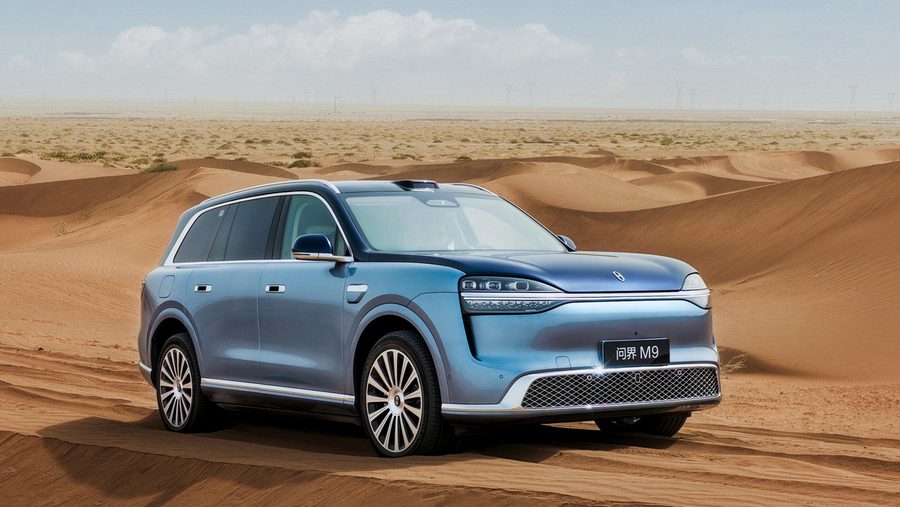
M9
676 hp422 km CLTCAWD
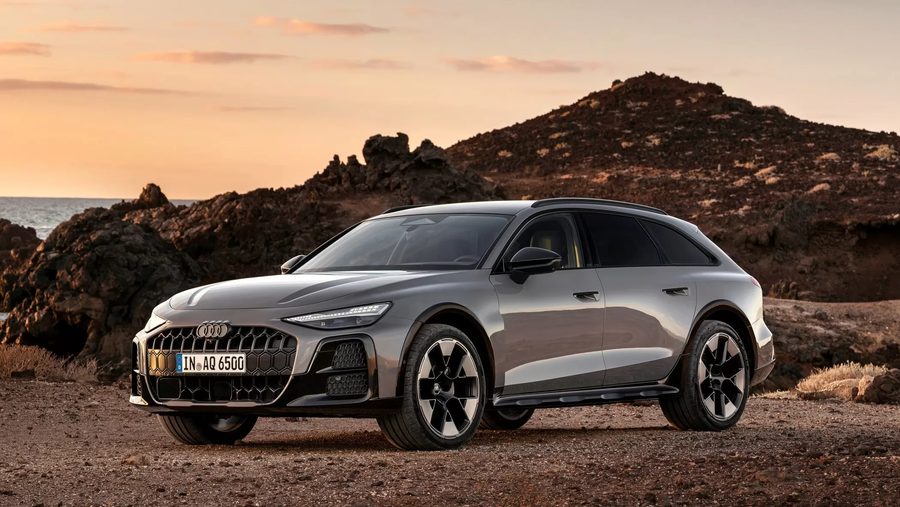
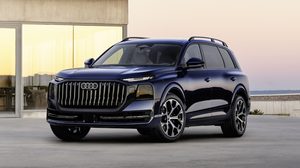
Audi Q7
Audi
Q7
295 hpAWD
Audi Q8
Audi
Q8
335 hpAWD
View all 157 models →

Market Data

Explainers

Frequently asked questions

What does a self-charging hybrid mean?
It is a marketing name for a full hybrid, or HEV. The car has a battery and can move on electricity at low speed, but there is no socket: the engine and regenerative braking put every kilowatt-hour back. Nothing is being generated for free, and the energy still arrives as petrol.
Do mild hybrids actually save fuel?
A few per cent, and mostly in traffic. The 48-volt motor-generator lets the engine shut down earlier when coasting to a stop, restarts it without the shudder of a conventional starter, and adds torque from low revs so the engine works less hard pulling away. On a steady motorway run it does almost nothing.
Which hybrids need to be plugged in?
Plug-in hybrids and extended-range electrics. Mild and full hybrids have no charge port at all and never require one. A plug-in hybrid still drives normally on an empty battery, so the cable is optional in the mechanical sense and essential in the economic one.
Is an EREV a hybrid or an electric car?
It burns fuel, so it is a hybrid, but it drives like an EV. The wheels are turned only by electric motors and the engine works purely as a generator, which means there is no gearbox and no mechanical link to the road. Regulators disagree on the classification, and China counts extended-range cars inside its new energy vehicle category.
Search