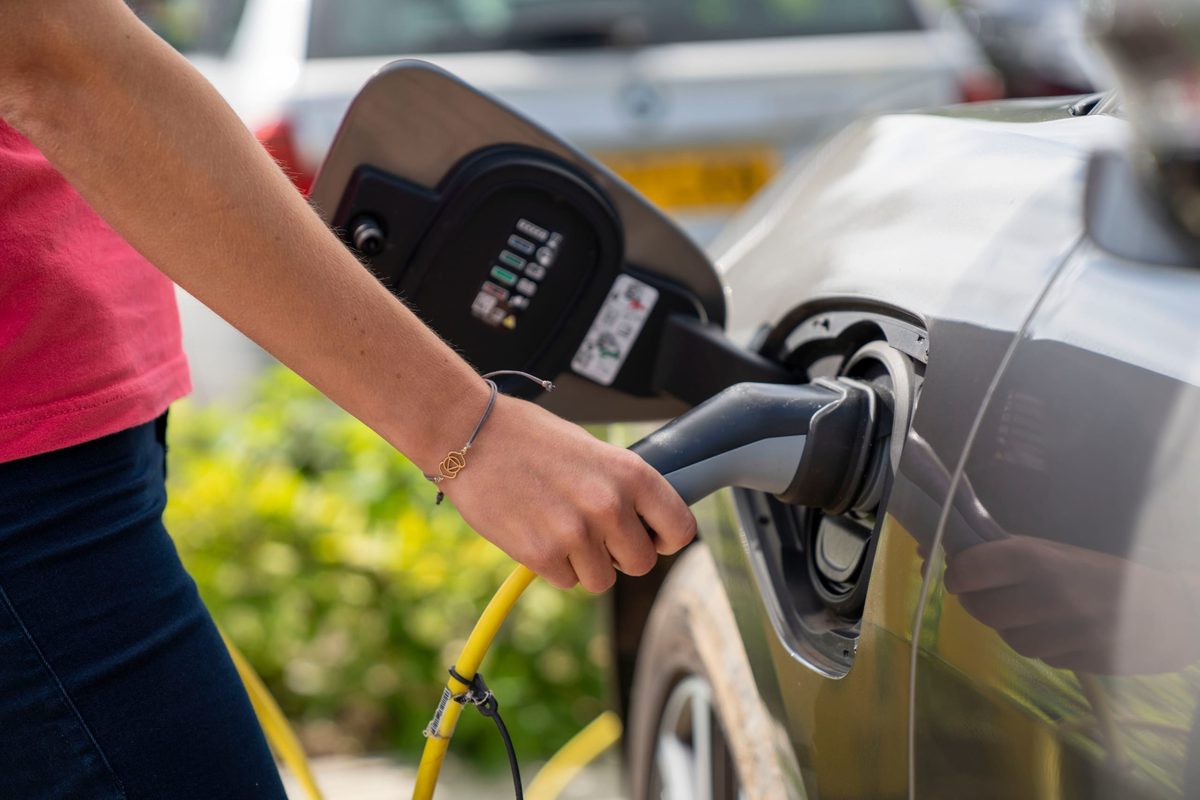
Six powertrains are on sale, and three of them are called hybrids. A mild hybrid never moves the car on electricity. A full hybrid manages a kilometre or two. A plug-in hybrid manages 40 to 100 km.
Two words do most of the work in this subject. An engine burns petrol or diesel. A motor runs on electricity. A car can have one, the other or both, and what separates the six types is which of them turns the wheels and where the electricity comes from.
Three questions place any car on sale:
- Does it charge from a plug?
- How far does it go on the battery alone?
- What turns the wheels: the engine, the motor, or both?
- PowertrainPlug-in chargingBatteryRange on battery aloneWhat drives the wheels
- BEVElectricPlug-in charging: yesBattery: 50-100 kWhall of itWhat drives the wheels: electric motor only
- EREVRange extenderPlug-in charging: yesBattery: 30-45 kWh100-250 kmWhat drives the wheels: electric motor only
- PHEVPlug-in hybridPlug-in charging: yesBattery: 12-25 kWh40-100 kmWhat drives the wheels: electric motor and engine
- HEVFull hybridPlug-in charging: noBattery: under 2 kWh1-2 kmWhat drives the wheels: electric motor and engine
- MHEVMild hybridPlug-in charging: noBattery: under 1 kWhnoneWhat drives the wheels: petrol or diesel engine
- ICEPetrol or dieselPlug-in charging: noBattery: nonenoneWhat drives the wheels: petrol or diesel engine
Petrol and diesel (ICE): the ordinary car with no electric motor
ICE stands for internal combustion engine, the term the industry uses for a car with no electrical assistance in its drivetrain. Petrol and diesel both qualify.
The number on a German car’s badge has not described the engine for years. A BMW 320i and a 330i both use the same two-litre four-cylinder; the figure indicates where the car sits in the range, which stopped tracking displacement once turbocharging let one engine cover several outputs.
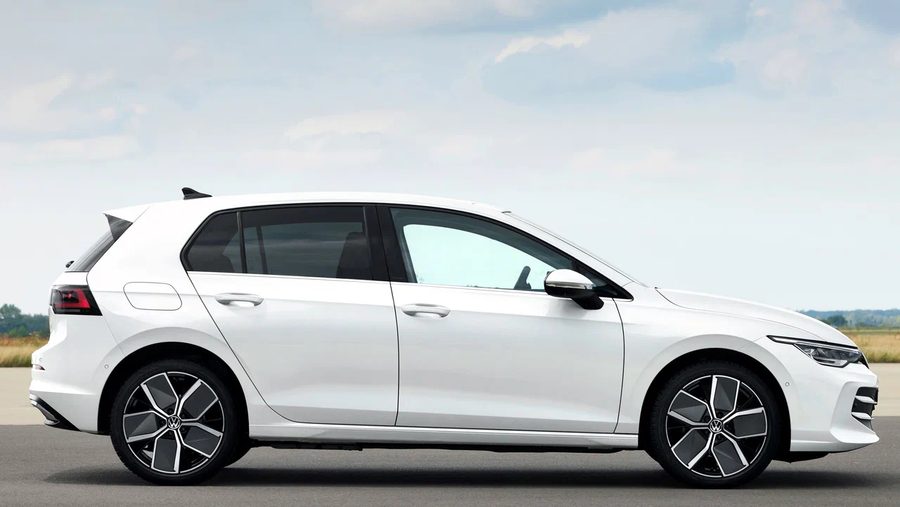
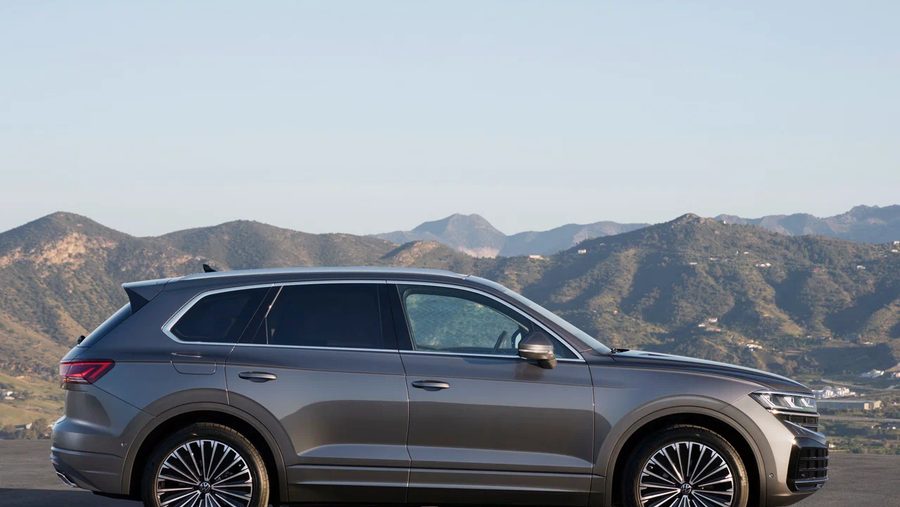
Diesel is still sold, most often in vans and in large SUVs that tow. Both the Volkswagen Touareg and the Volkswagen Golf still offer one, though diesel has largely gone from smaller hatchbacks.
The most unusual engine now in production drives no wheels at all. In 2023 Mazda returned the rotary to production for the MX-30 R-EV: an 830cc single-rotor Wankel making 55 kW, connected to a generator rather than to a gearbox. It is Mazda’s first rotary since the RX-8, chosen because a rotary is compact, light and smooth, and it produces electricity for the motor that actually drives the car.


Mild hybrid (MHEV): what a 48-volt system does
A mild hybrid replaces the alternator with a 48-volt starter-generator. It restarts the engine when the car pulls away from a stop, adds a short boost of torque while the turbo spins up, and recovers some energy under braking. Fuel consumption falls by a few percent, and the hardware is cheap enough to fit across a whole range.
Its battery holds under 1 kWh, which is not enough to move a car. A mild hybrid has no electric-only mode at any speed and no charging socket, so the term describes the electrical system rather than a way of driving. Manufacturers count these cars as electrified in their own sales reporting, which is worth knowing when reading an electrification percentage.
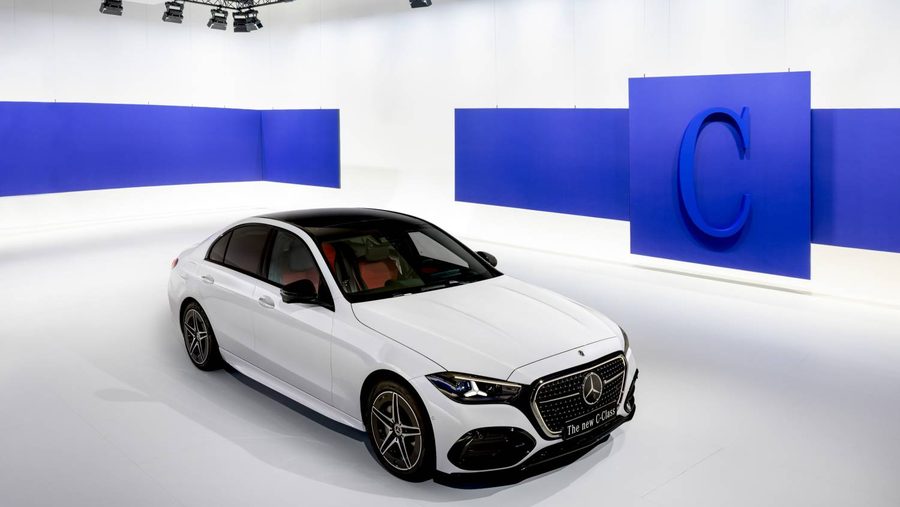
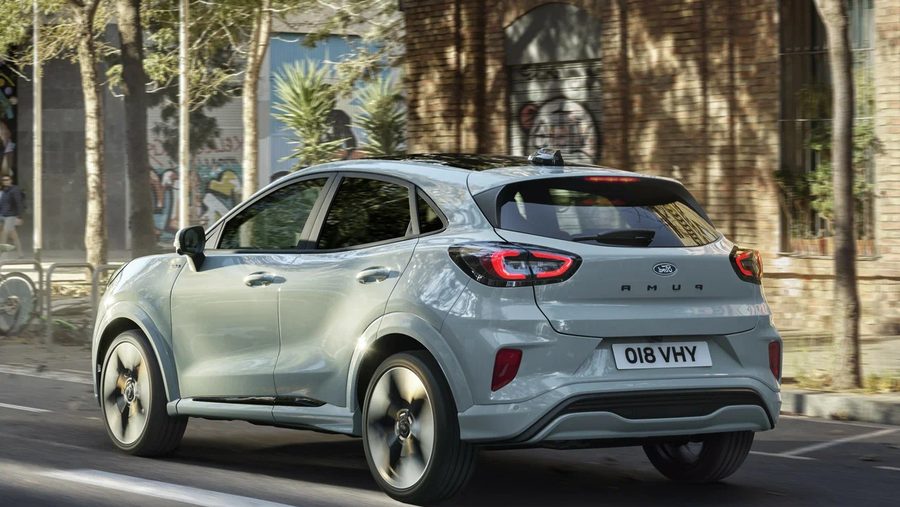
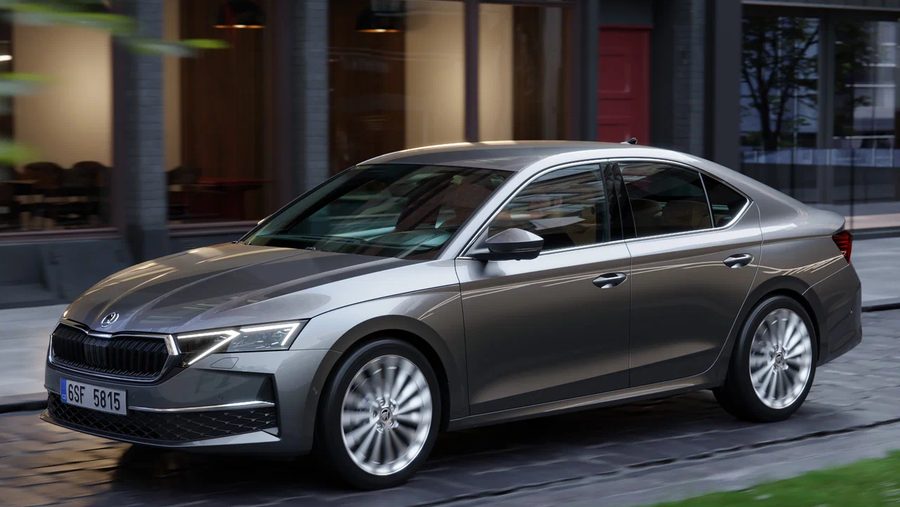
The name varies by company. A Mercedes-Benz C-Class carries EQ Boost, a Skoda Octavia carries e-TEC, and a Ford Puma carries EcoBoost Hybrid, which Ford writes as mHEV with a lower-case m to separate it from its full hybrids.



Full hybrid (HEV): how a “self-charging” hybrid charges itself
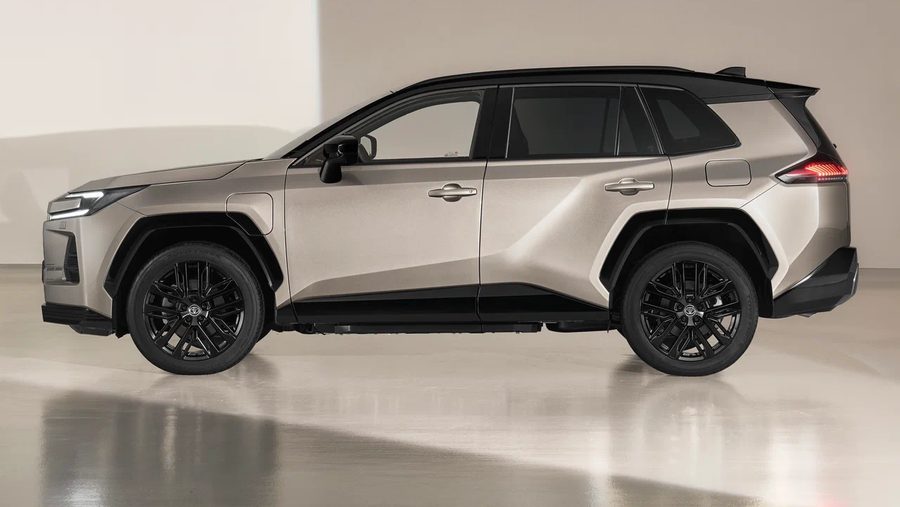
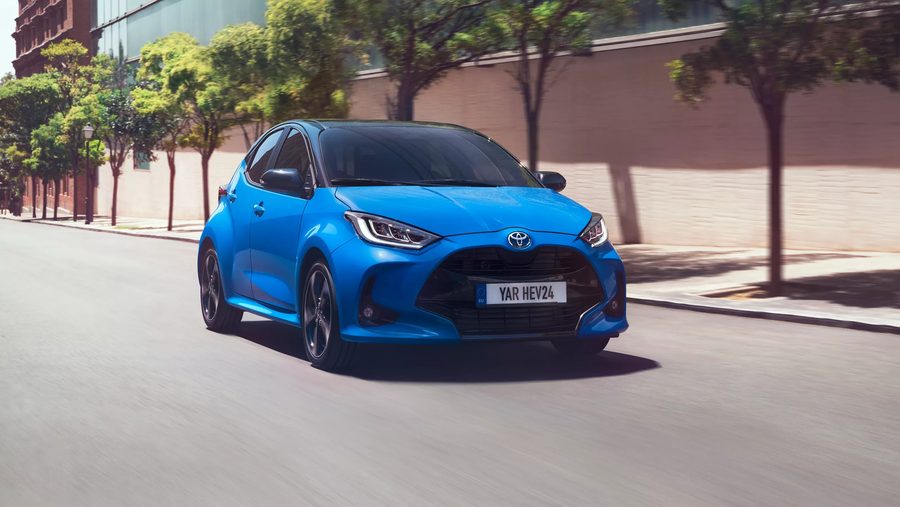
A full hybrid has a motor powerful enough to move the car on its own and a battery under 2 kWh: a Toyota RAV4 hybrid carries about 1.6 kWh. It pulls away on the motor, runs on it alone at low speed for a kilometre or two, and starts the engine when more power is needed. The battery is refilled by the engine and by regenerative braking, and there is no socket.
Toyota, Lexus and Nissan market this as a self-charging hybrid, meaning it needs no cable. The energy still originates as petrol, because the engine is what generates it. In January 2020 the Norwegian Consumer Authority, Forbrukertilsynet, ruled that advertising built on the phrase was misleading for that reason, and the campaign was withdrawn in Norway; the term remains in use elsewhere. Norway had more electric cars to compare against than anywhere else at the time, for reasons set out in how Norway made almost every new car electric.
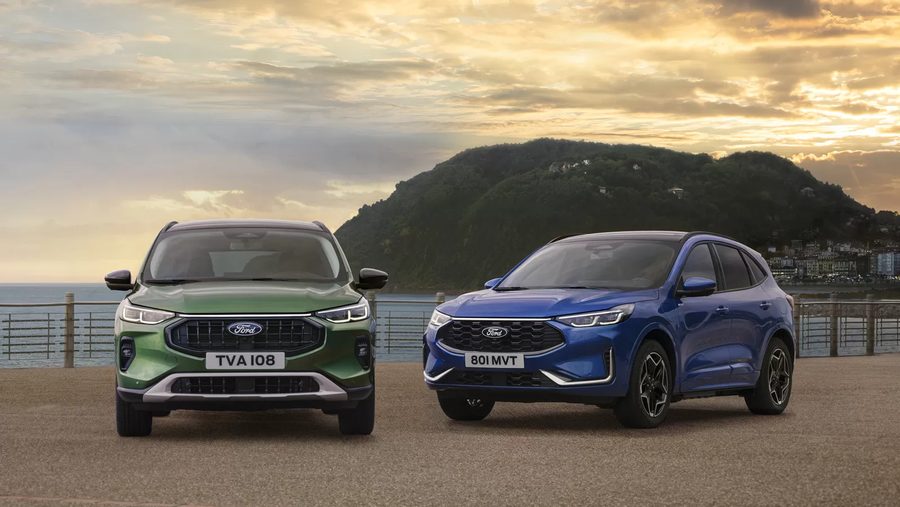
The system itself is effective, and it is not new. Toyota launched the Prius in December 1997 as the first mass-produced hybrid passenger car, and passed ten million cumulative hybrid sales on 31 January 2017. A Toyota RAV4 or a Toyota Yaris uses considerably less fuel in town than the petrol version of the same car, and the owner does nothing differently to get it. Where the naming causes trouble is in comparison shopping: three cars badged Kuga Hybrid are a mild hybrid, a full hybrid and a plug-in hybrid, and only the specification sheet says which is which.

Plug-in hybrid (PHEV): how it differs from a full hybrid
A plug-in hybrid is a full hybrid with a charging socket and a much larger battery, typically 12 to 25 kWh against the full hybrid’s 2 kWh or less. That covers 40 to 100 km before the engine is needed, which is more than most daily driving, and the engine handles the rest.
The two behave differently in one respect that shows up in running costs. A full hybrid lowers fuel consumption by itself, because the car chooses when to use the motor. A plug-in hybrid lowers it much further when it is charged, and uses slightly more fuel than the equivalent petrol car when it is not, since the larger battery adds around 200 kg. Official consumption figures for plug-in hybrids assume regular charging, and the size of that assumption is now measured. Using on-board fuel consumption data from about eight million cars registered across Europe between 2021 and 2023, the International Council on Clean Transportation found that plug-in hybrids emit on average five times the CO2 of their official type-approval figures. The European Commission has responded by correcting the calculation in two steps, the first from January 2025 and the second due in late November 2026, so official plug-in hybrid figures are moving closer to observed ones.
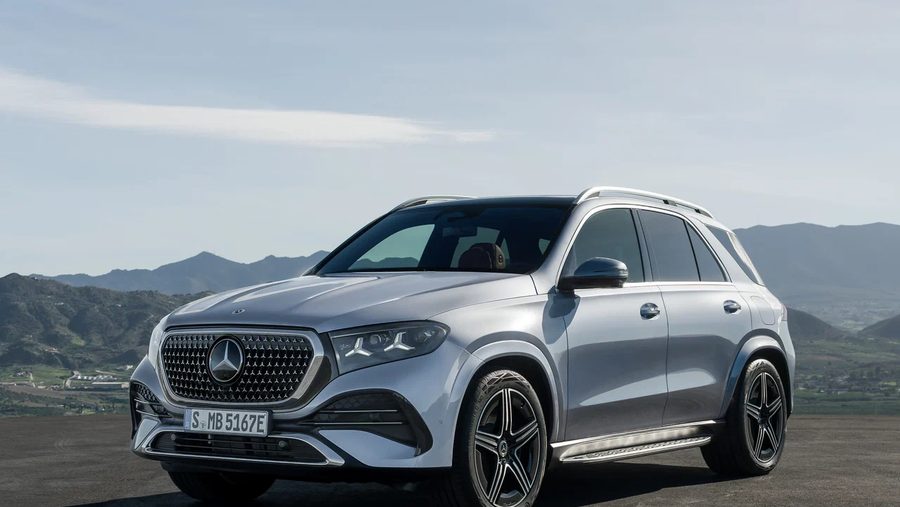
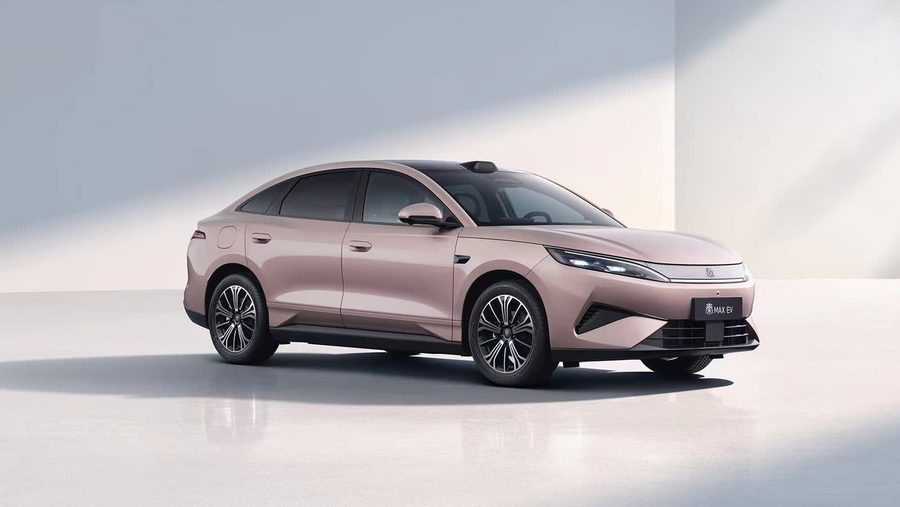
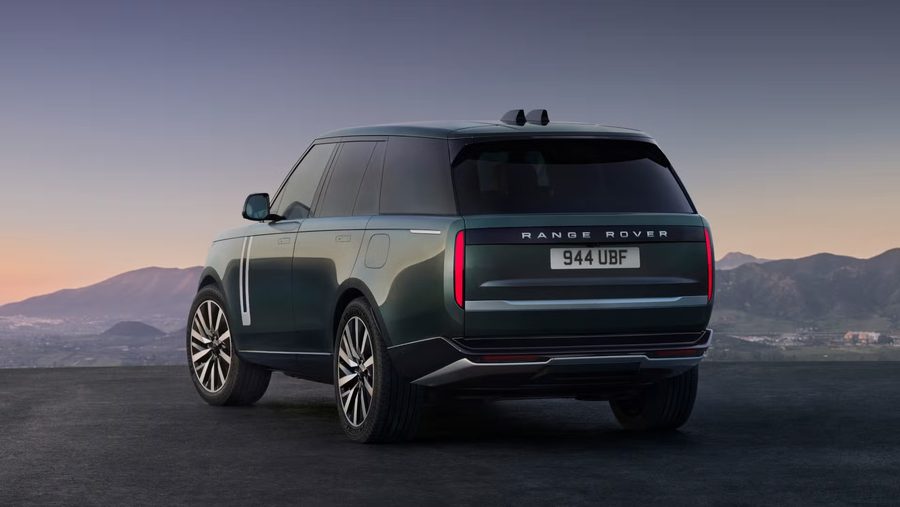
Working out which cars these are takes some knowledge of each company’s naming. A Mercedes-Benz GLE 500e and the plug-in Range Rover both use a lower-case e, a convention shared across most German and British brands. BYD names the system instead: the Qin Max is badged DM-i, which distinguishes it from the electric version of the same car.


Range extender (EREV): the engine that only makes electricity
In a range extender the wheels are driven by electric motors and nothing else. The petrol engine has no mechanical connection to them: it turns a generator, the generator produces electricity, and that electricity runs the motors or refills the battery. Engineers call the layout a series hybrid. It is over a century old, and diesel-electric locomotives have used it throughout.
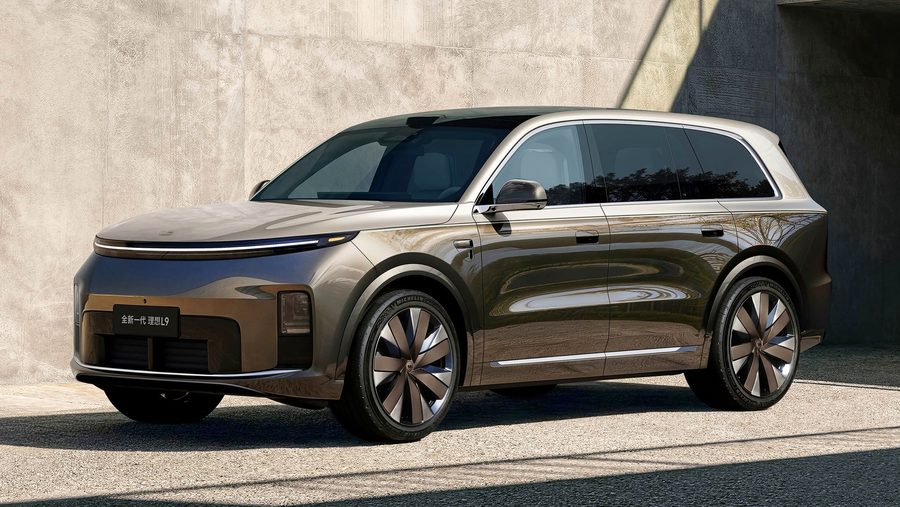
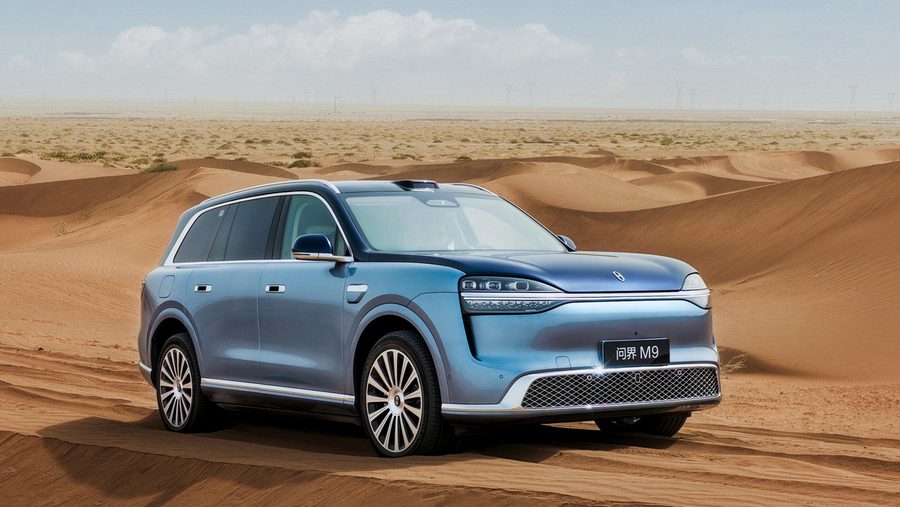
What changed recently is the battery. Chinese manufacturers combined a series hybrid with 30 to 45 kWh of capacity, against the 2 kWh a range extender historically carried, which makes the car electric for daily driving and keeps an engine for the long trip. Li Auto built its business on the layout and AITO followed. The Chinese term is 增程, meaning extended range, and the abbreviations EREV and REEV reached English through that market.
Western manufacturers are adopting both. Volkswagen’s revived Scout brand will offer a range-extender version called Harvester when production starts in late 2027, and by early 2026 the company reported that about 85% of its 160,000-plus reservations were for that version rather than the pure-electric one.
Two cars sit awkwardly against the definition. Nissan’s e-POWER is a series hybrid: the engine turns a generator, and the electric motor drives the wheels at all times. It has no socket and a small battery, so in daily use it behaves like a full hybrid and Nissan positions it as one. Mazda’s MX-30 R-EV is a series hybrid with a socket, a 17.8 kWh battery and about 85 km of electric range, which fits the EREV description, and Mazda sells it as a plug-in hybrid.




Electric (BEV): what changes when there is no engine
A battery-electric vehicle has no engine, no fuel tank, no exhaust and no gearbox beyond a single reduction gear. Every unit of energy it uses arrives through the charging port.
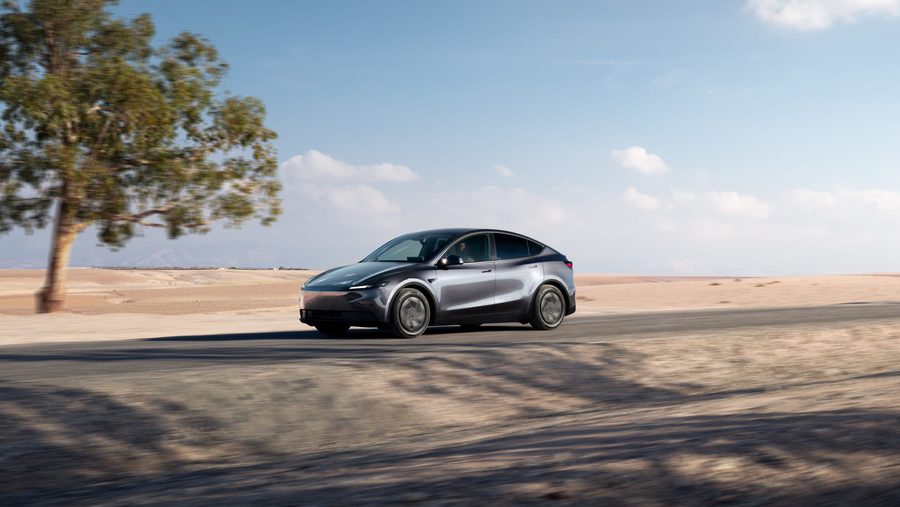
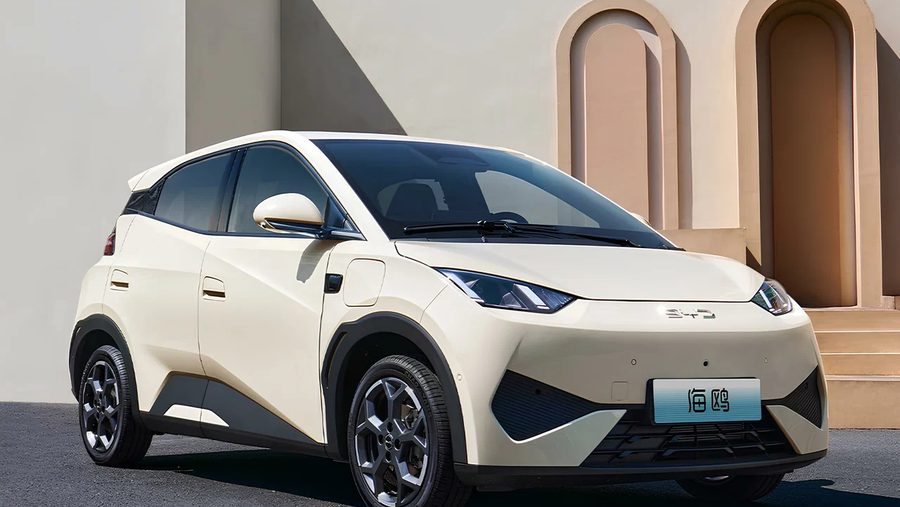
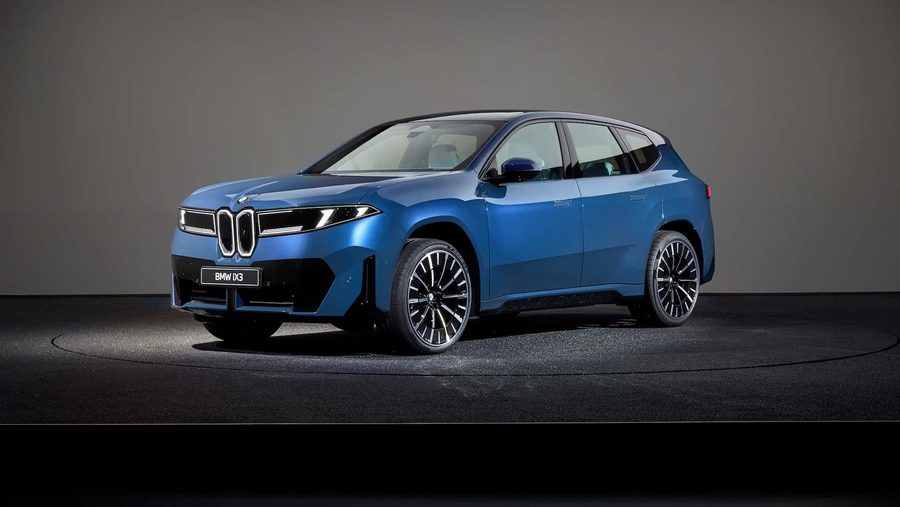
Servicing changes rather than disappears. There is no engine oil, but the reduction gearbox holds its own oil, which some manufacturers fill for life and others put on a service interval. Brake fluid is replaced on the usual schedule even though the pads last far longer, because regenerative braking does most of the slowing. The battery and inverter are liquid-cooled and that coolant is a service item, and the cabin filter is unchanged. Comparing its 2019 and 2020 reliability survey data, Consumer Reports put lifetime maintenance and repair at about $0.03 per mile for an electric car against $0.06 for a petrol one, or roughly $4,600 across the life of the car. A Tesla Model Y, a BYD Seagull and a BMW iX3 all fall on the cheaper side of that comparison.
The battery is the part owners ask about, and it is measurable. Geotab, analysing telematics from tens of thousands of electric cars in daily use, puts average capacity loss at about 1.8% a year, improved from the 2.3% it measured in 2019. How the car is charged matters more than its age: cars relying heavily on DC fast charging above 100 kW lost up to 3.0% a year, against roughly 1.5% for cars charged mostly on AC, and hot climates added about 0.4% a year.

What “electrified” means on a spec sheet
Each of the names below is in current use, and each one maps to one of the six types.
- Self-charging hybridToyota, Lexus, Nissan
- HEVThe battery is charged by the petrol engine and by braking. Norway ruled the phrase misleading in 2020, since making that electricity uses fuel.
- 48V, EQ Boost, mHEVMercedes-Benz, Audi, Ford
- MHEVA 48-volt starter-generator that restarts the engine and adds torque. It saves a few percent of fuel and cannot drive the car on its own.
- e-POWERNissan
- EREVA series hybrid with no plug: the petrol engine turns a generator, and the electric motor drives the wheels.
- E-TechRenault
- HEV / PHEVThe same name on two different systems: some E-Tech models take a plug, some do not.
- R-EVMazda
- EREVA range extender whose generator is a rotary engine. Mazda sells it as a plug-in hybrid.
- EREV, REEV, 增程Li Auto, AITO, Scout
- EREVA series hybrid with a plug and a 30-45 kWh battery. The layout is decades old, the name came out of China in the 2020s.
- ElectrifiedAlmost everyone
- MHEV - BEVCovers everything from a 48-volt starter-generator to a car with no engine, so a sales figure for electrified cars spans all six types.
Where a name describes hardware it is generally precise: MHEV, PHEV and BEV all say what they are once the abbreviation is expanded. Where a name describes the experience of ownership it covers more ground. “Self-charging” refers to the absence of a cable. “Electrified” covers everything from a 48-volt starter-generator to a car with no engine, so a manufacturer reporting that 60% of its sales were electrified may be describing six different powertrains in one figure.
Why the same car has a different range in China, Europe and the US
Range comes from an official test cycle, and three are in use: CLTC in China, WLTP in Europe and EPA in the United States. They run at different speeds, temperatures and durations. CLTC returns the highest figures and EPA the lowest.
The gap is wide enough to matter when comparing cars. A model quoted at 700 km on CLTC is usually quoted at around 600 km on WLTP and roughly 500 km on EPA, with the same battery and the same motor. A car keeps the figure from the cycle it was tested under, so a Chinese launch number stays a CLTC number when it is reported in London, and comparing it with a European car’s WLTP number understates the European car.
How to tell which powertrain a car has
Three checks settle it, in order. A charging socket rules out a mild hybrid and a full hybrid, since neither has one. The absence of an engine means it is electric. If the car has both a socket and an engine, it is a plug-in hybrid or a range extender, and the question that separates those is whether the engine can drive the wheels, which the specification sheet states.
The names are converging on the hardware. EREV was a Chinese term three years ago and now appears on an American Scout and a European Volkswagen. Manufacturers increasingly quote battery capacity and electric range next to the name, and those two numbers answer most of what a buyer wants to know.
Every brand’s page lists the powertrains it sells, and the same cars sorted by type are on the electric, hybrid and petrol and diesel pages.
Frequently asked questions
What is a hybrid car?
What is the difference between a hybrid and a plug-in hybrid?
What is an MHEV or mild hybrid car?
What is a self-charging hybrid?
Do electric cars need oil changes?
What is an EREV or range-extender car?
What is the difference between a hybrid and an electric car?
How long does an electric car battery last?
Why does the same electric car have different range figures?
More explainers

Mitsubishi sold its half of GAC Mitsubishi for one yuan in 2023, and that plant now builds Aion EVs.

Huawei owns none of its HIMA brands, and Changan became a central state enterprise in its own right in July 2025.
The electric version of a car usually costs less than the petrol one in Norway. The VAT exemption ends in 2028.
Updated 8 Sep 2026