ICE

Internal Combustion Cars: News & Models

Petrol and diesel cars with no electric drive: what separates the two fuels, and the work combustion still does better than anything else.

76 articles · 129 models

Petrol and diesel differ in how the fuel is lit, and everything else follows from that. A petrol engine compresses a mixture of fuel and air, then ignites it with a spark. A diesel compresses air alone until it is hot enough to set fire to fuel sprayed into it. Higher compression means more work per cycle and torque low in the rev range, which is why diesels pull and petrol engines rev.

The split shows up in what each gets fitted to. The Skoda Octavia sells a 2.0-litre diesel in 115, 150 and 200 hp forms to people covering motorway distance, and a 265 hp petrol vRS to people who are not. Towing keeps the same allegiance: the Volkswagen Touareg offers its 3.0 V6 TDI at 231 or 286 hp. A body-on-frame vehicle like the Toyota Land Cruiser FJ, a naturally aspirated 2.7-litre petrol with a part-time transfer case, stays with combustion for a reason that has nothing to do with either fuel: a jerrycan can be carried across a desert, and a charge cannot.

Models

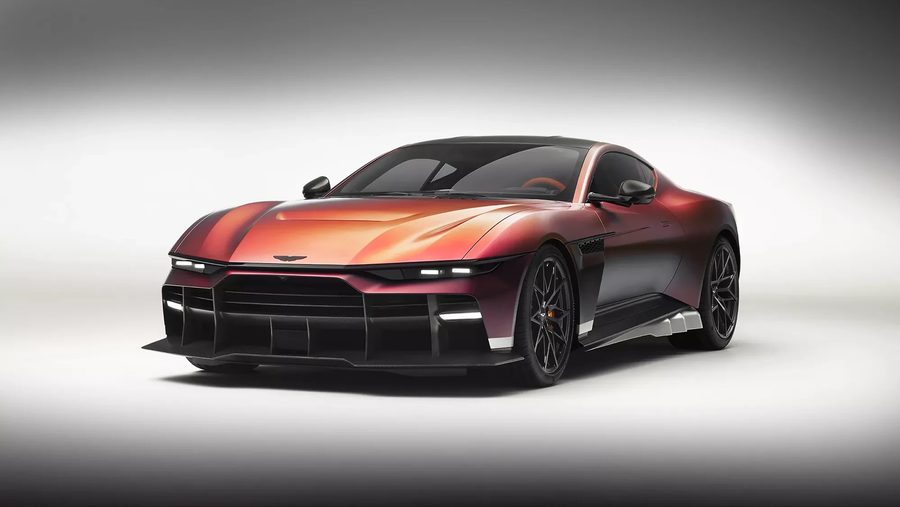
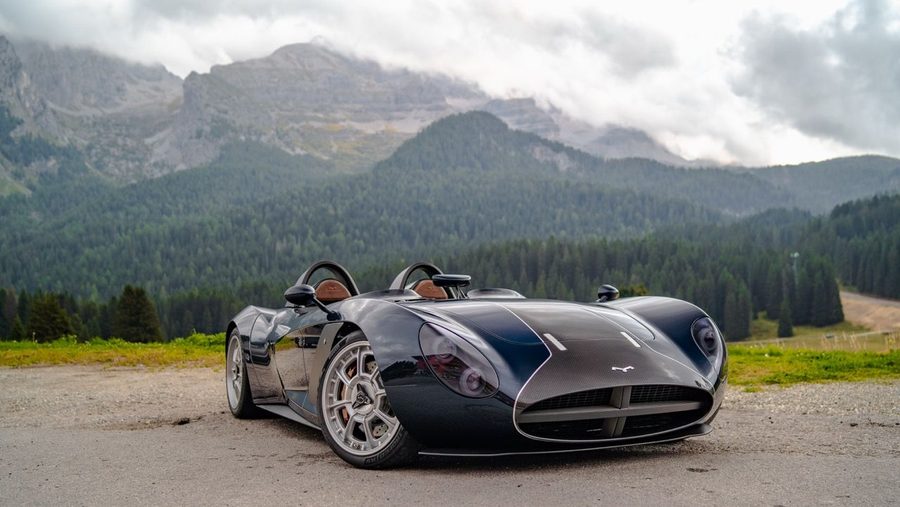
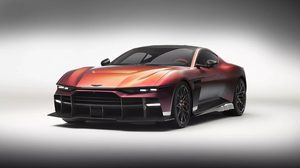
Aston Martin Valen
ICE Announced
Aston Martin
838 hpRWD
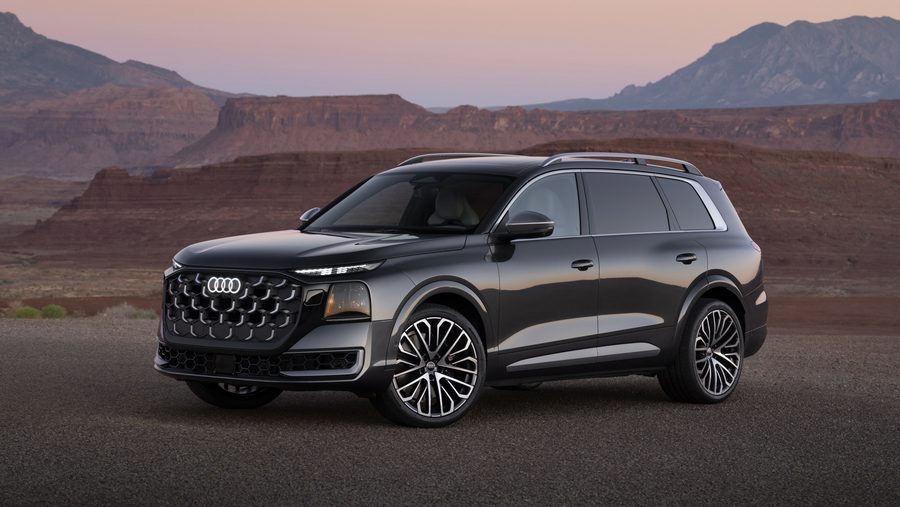
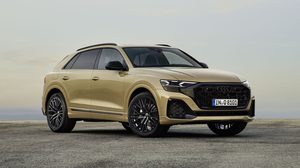
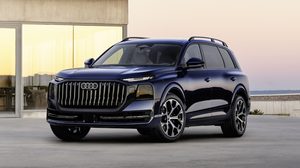
Audi SQ7
ICE Coming Soon
Audi
SQ7
591 hpAWD
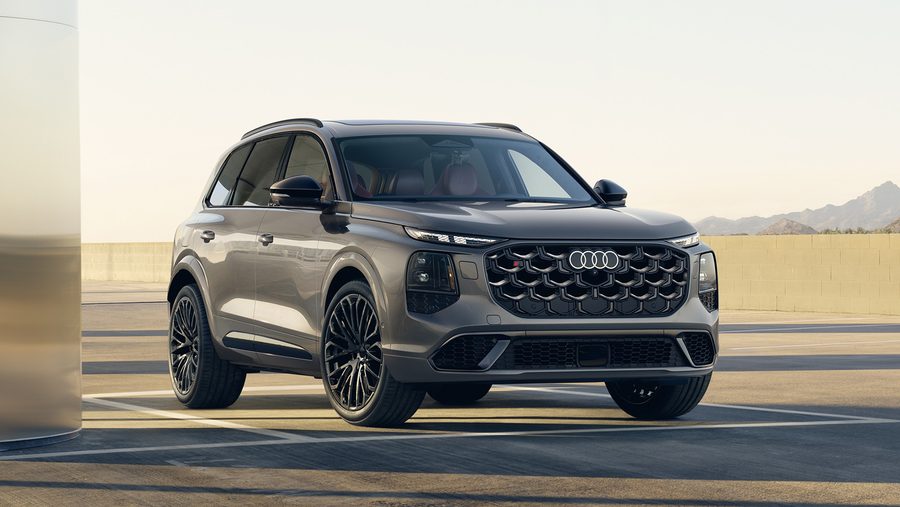
Audi SQ9
ICE Coming Soon
Audi
SQ9
591 hpAWD
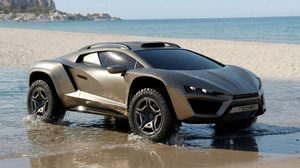
Automobili Mignatta Rina
ICE
Automobili Mignatta
500 hpRWD
View all 129 models →

Explainers

Frequently asked questions
What does ICE stand for on a car?
Internal combustion engine. The fuel is burned inside the cylinder rather than in an external boiler, which is what separates a petrol or diesel car from a steam engine. The abbreviation only came into common use once there was something to distinguish it from.
Is a mild hybrid still an internal combustion car?
Mechanically, yes: the engine does all the driving and the 48-volt motor can only assist it. The tag here follows how the car is sold and taxed rather than how it is built, so a mild hybrid appears under hybrids. Anything on this page burns fuel with no electric assistance at all.
Why do diesel engines use less fuel than petrol engines?
Two reasons that compound. Diesel runs compression ratios of roughly 16:1 to 20:1 against a petrol engine's 10:1 or so, and higher compression extracts more work from each combustion cycle. Diesel fuel also carries around a tenth more energy per litre. The result is better consumption at the cost of a heavier, more expensive engine and harder cold starting.
Why do diesel cars have a particulate filter?
Because diesel combustion produces soot, and the filter traps it before it leaves the exhaust. It clears itself by burning the soot off, which needs a sustained high exhaust temperature and therefore a run at speed. A diesel used only for short cold trips will eventually block its filter, which is the practical argument against buying one for city driving.
Search