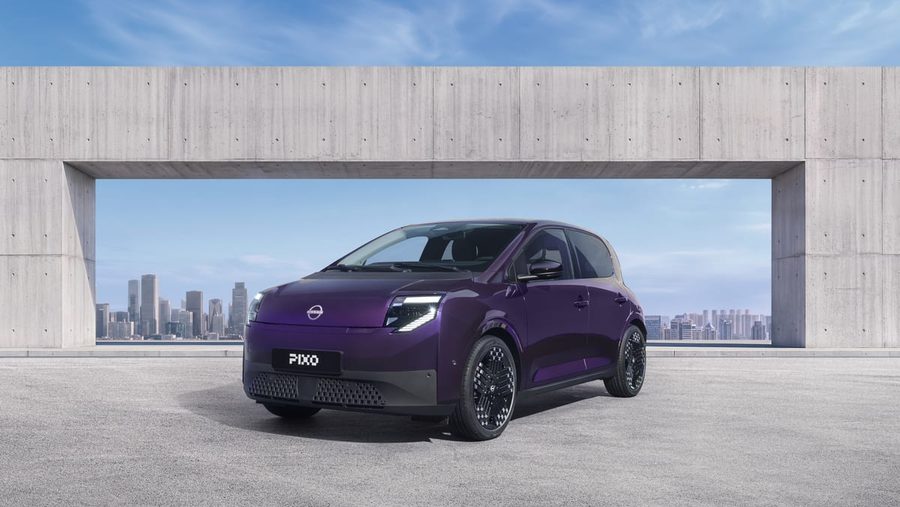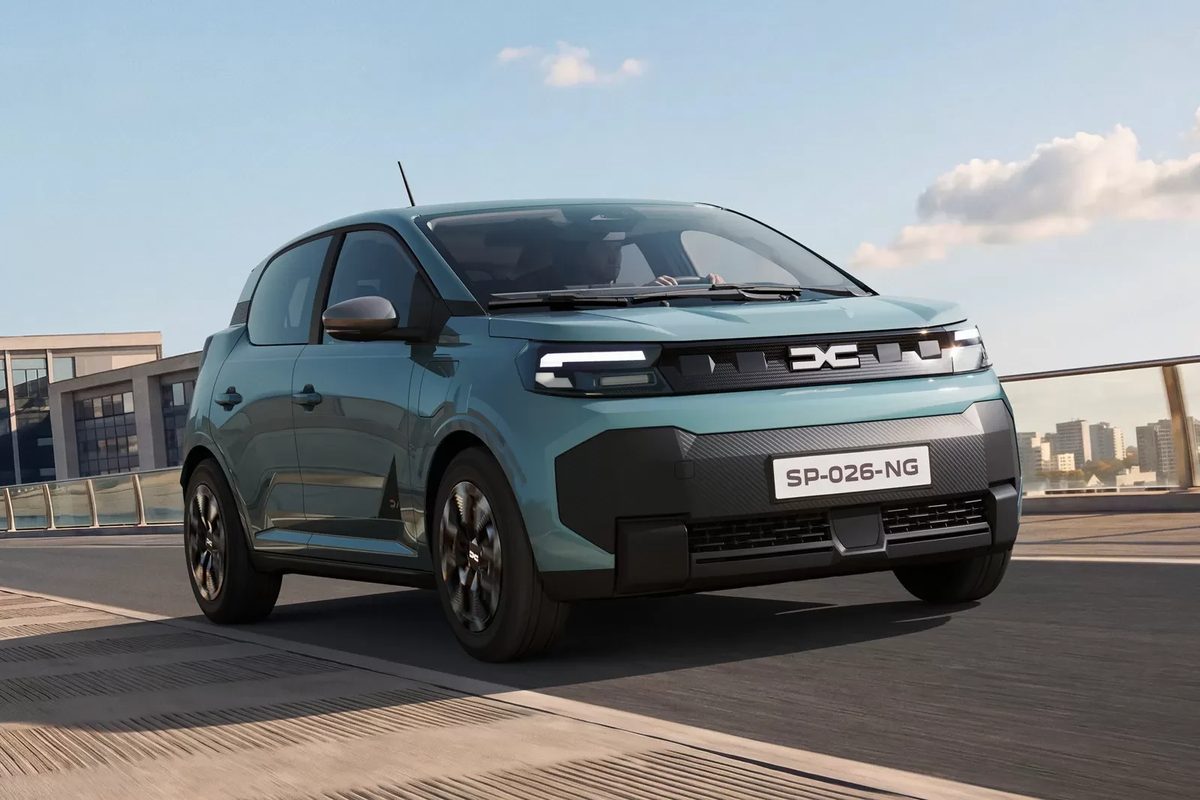
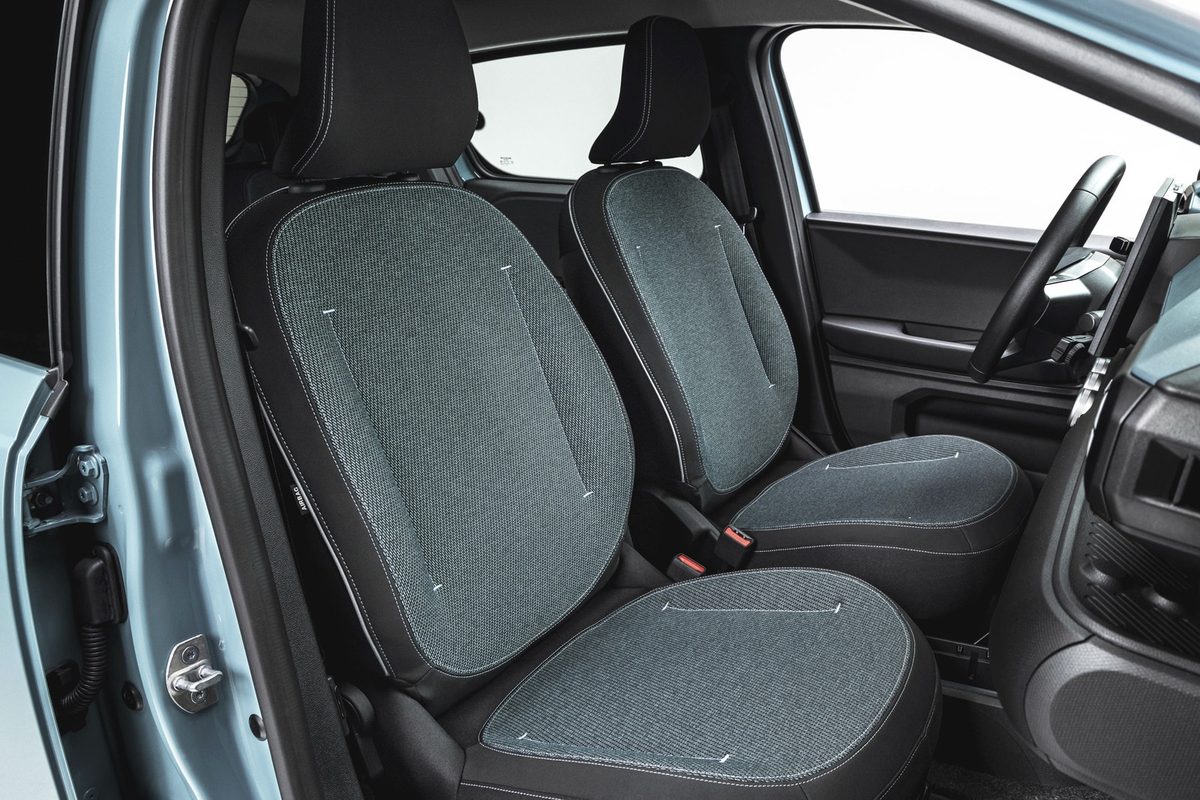
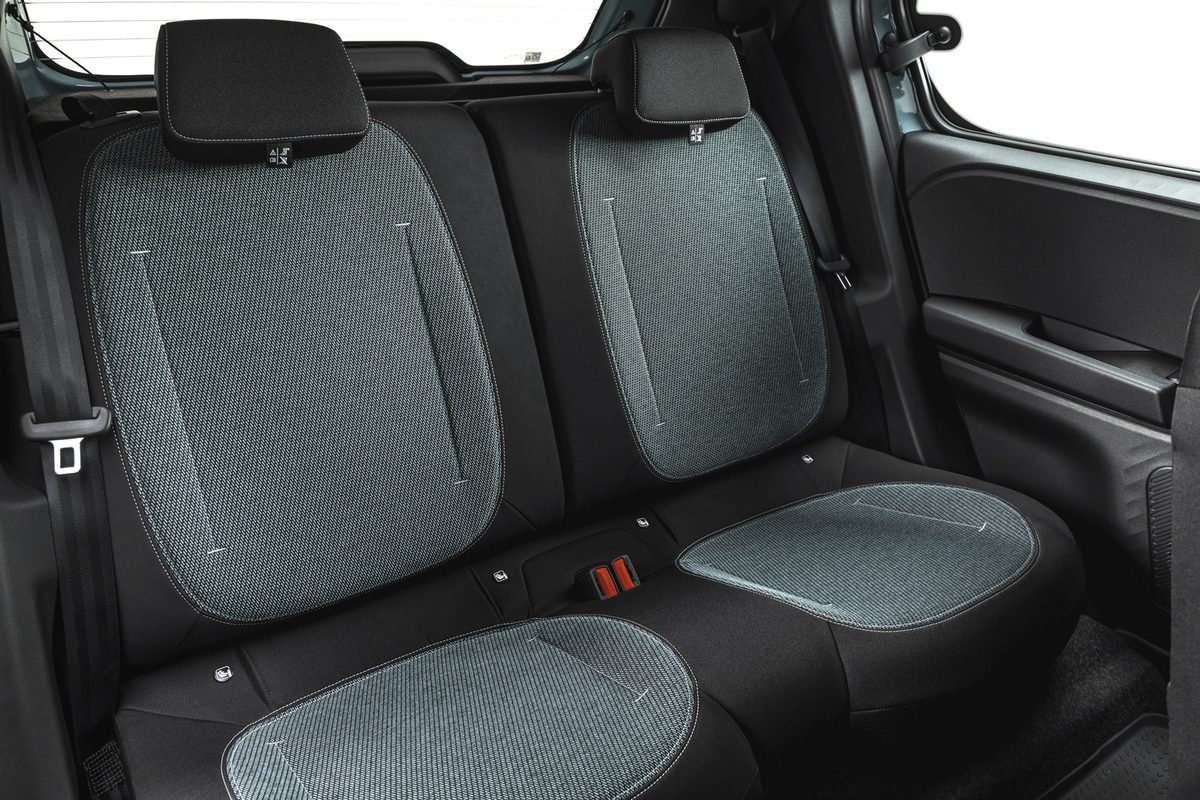
Dacia Spring - photo 1
Dacia Spring - photo 2
Dacia Spring - photo 3
Dacia Spring - photo 4
Dacia Spring - photo 5
Dacia Spring - photo 6
Dacia Spring - photo 7
Dacia Spring - photo 8
Dacia Spring - photo 9
Dacia Spring - photo 10
Dacia Spring - photo 11
Dacia

Spring

EV Hatchback Coming Soon
From
€17,990
Europe, Sep 2026

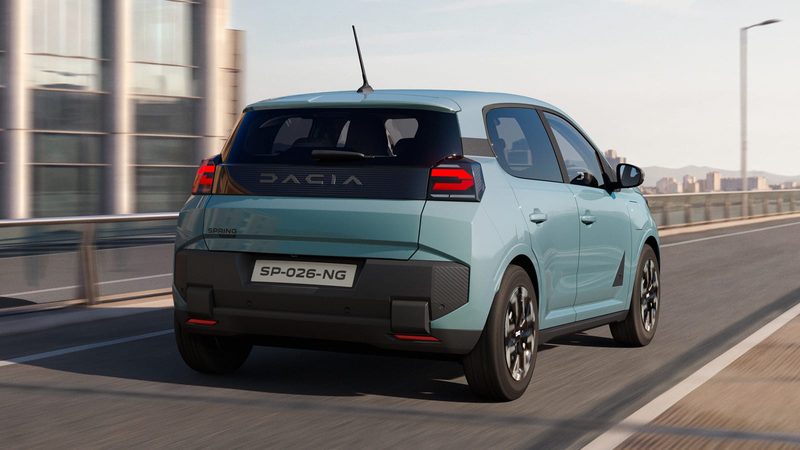
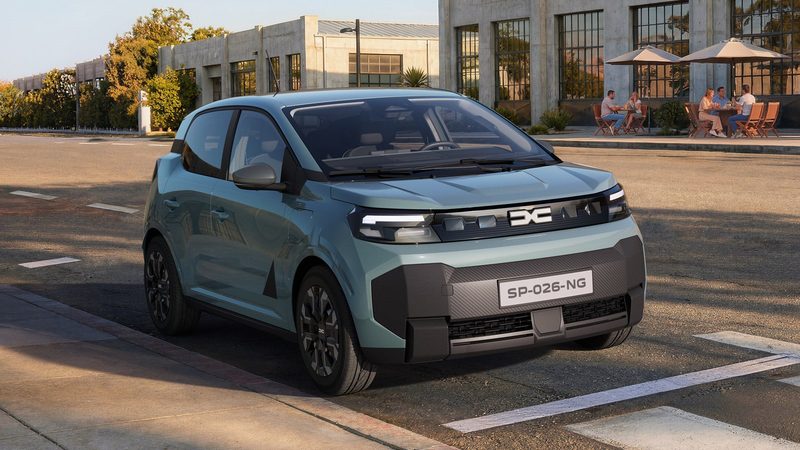
The second-generation Dacia Spring is a small electric hatchback built at Novo Mesto in Slovenia, replacing a first generation that was assembled in China. A single 60 kW motor drives the front wheels, a 27.5 kWh LFP battery is good for up to 250 km WLTP, and French prices open at 17,990 euros before incentives.

Sold in Europe

80hp
Power
250km WLTP
Range
12.1s
0–100
27.5kWh
Battery
Overview

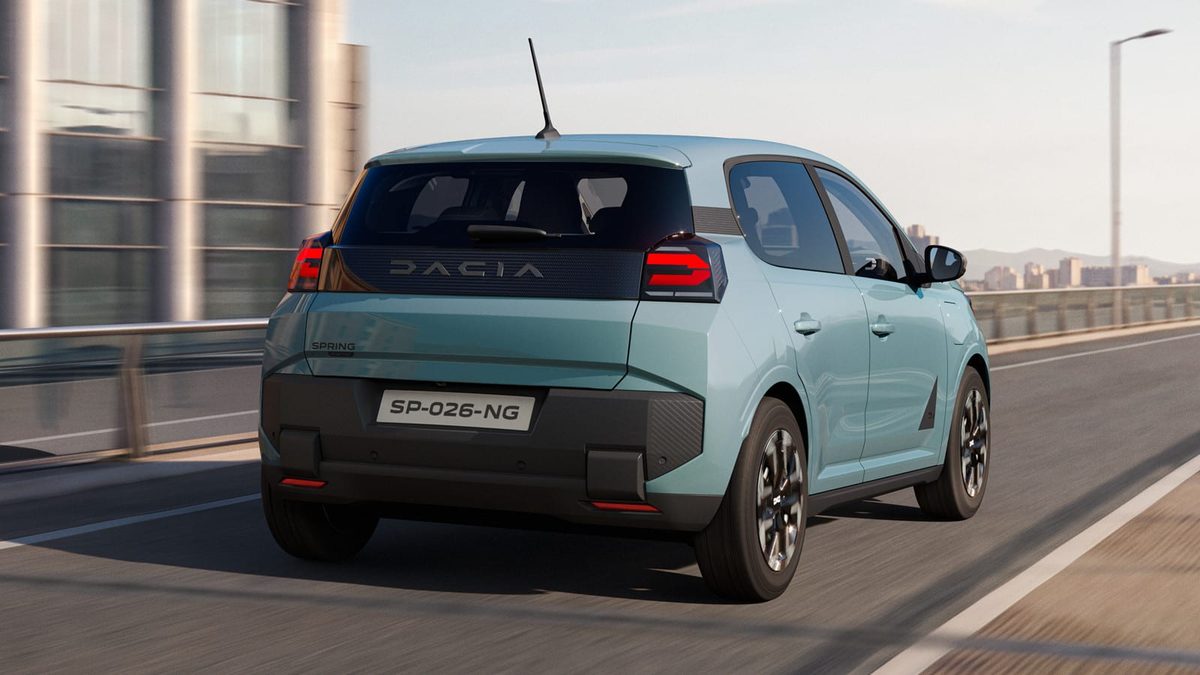
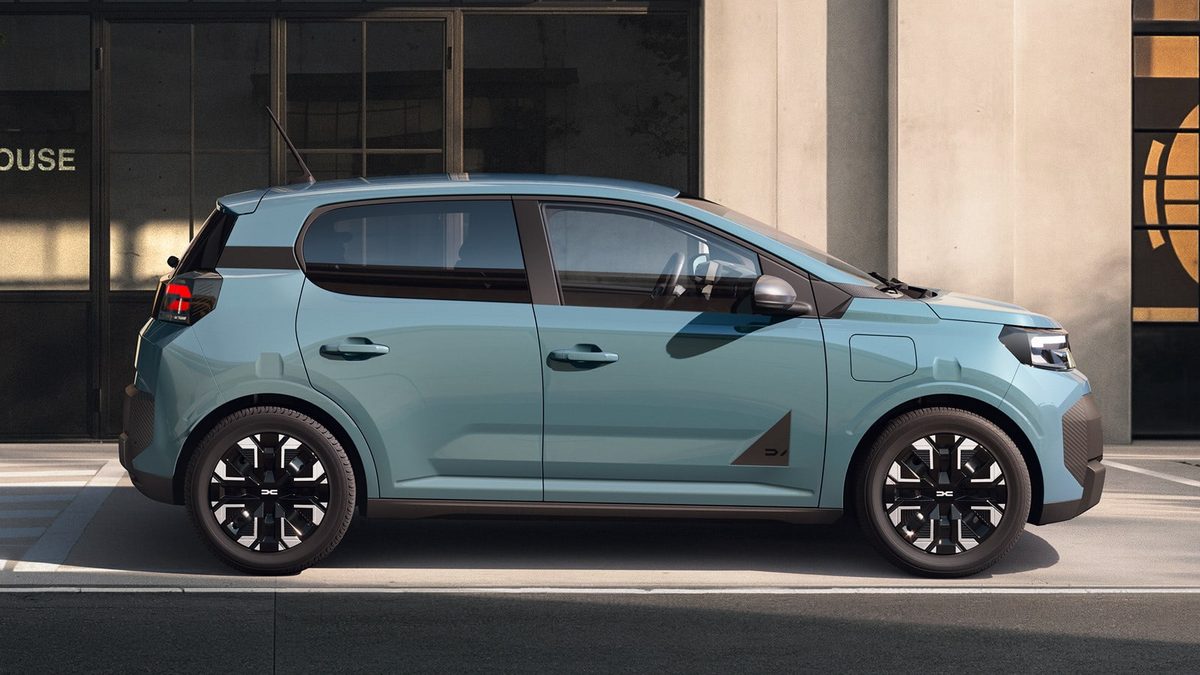
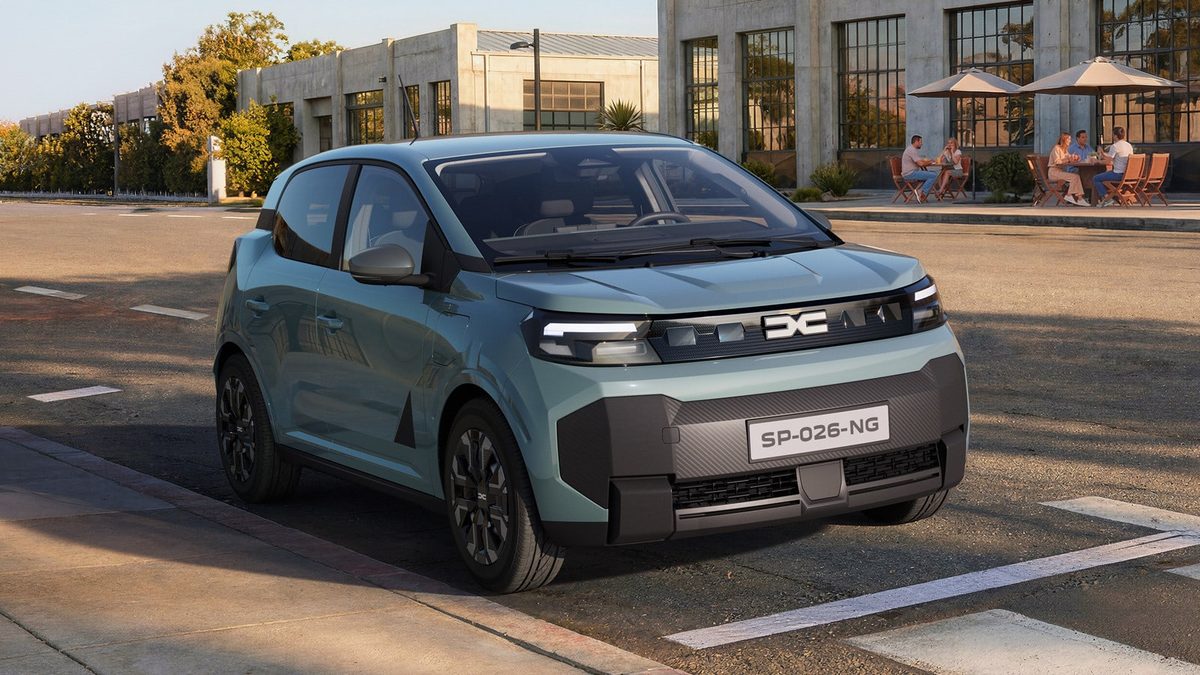
The second-generation Dacia Spring is a five-door electric city car and the cheapest model in Dacia’s electric range. It is a new car rather than an update: where the first generation was a rebadged Renault City K-ZE assembled in China, this one sits on Renault Group’s RG-EV small platform, the architecture that also underpins the Renault Twingo E-Tech, and it is built in Europe at Novo Mesto in Slovenia. Dacia opened order books in France on 8 September 2026.

One powertrain covers the range. A single front-mounted motor produces 60 kW, quoted by Dacia as 80 hp, with 175 Nm of torque, taking the car to 100 km/h in 12.1 seconds and on to a 130 km/h top speed. The battery is a 27.5 kWh LFP pack, rated at up to 250 km on the WLTP cycle, with consumption from 12.7 kWh/100 km on the Journey trim and 12.9 kWh/100 km on Expression. Charging runs at up to 50 kW on direct current, which covers 15 to 80 percent in 28 minutes, or 7 kW from a home wallbox in 2 hours 55 minutes.

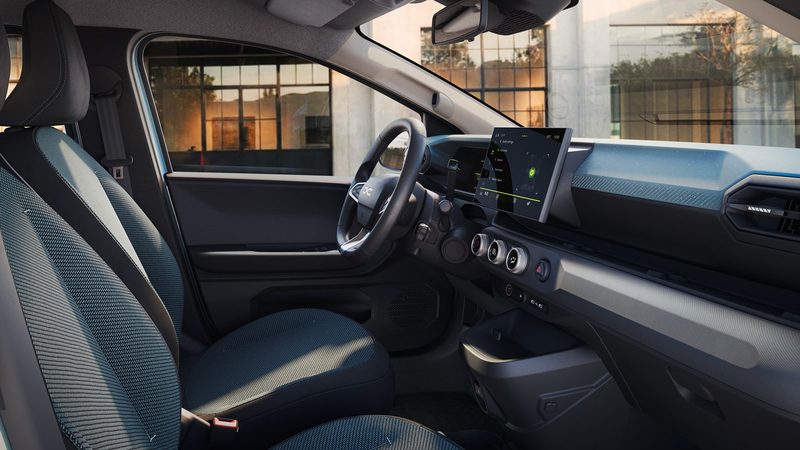
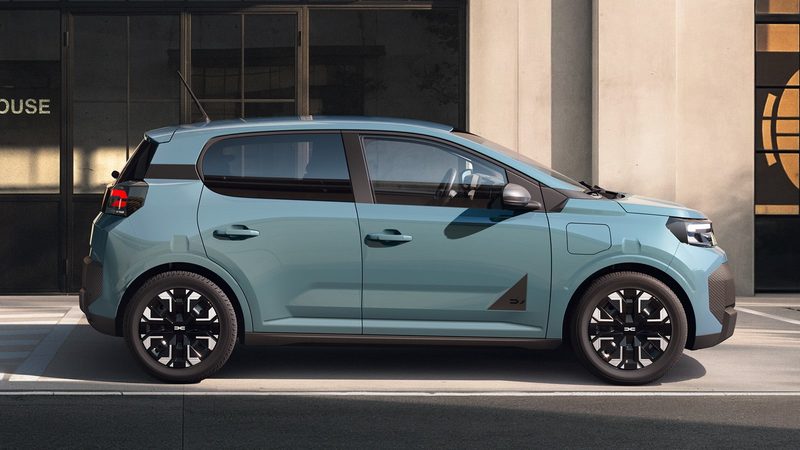
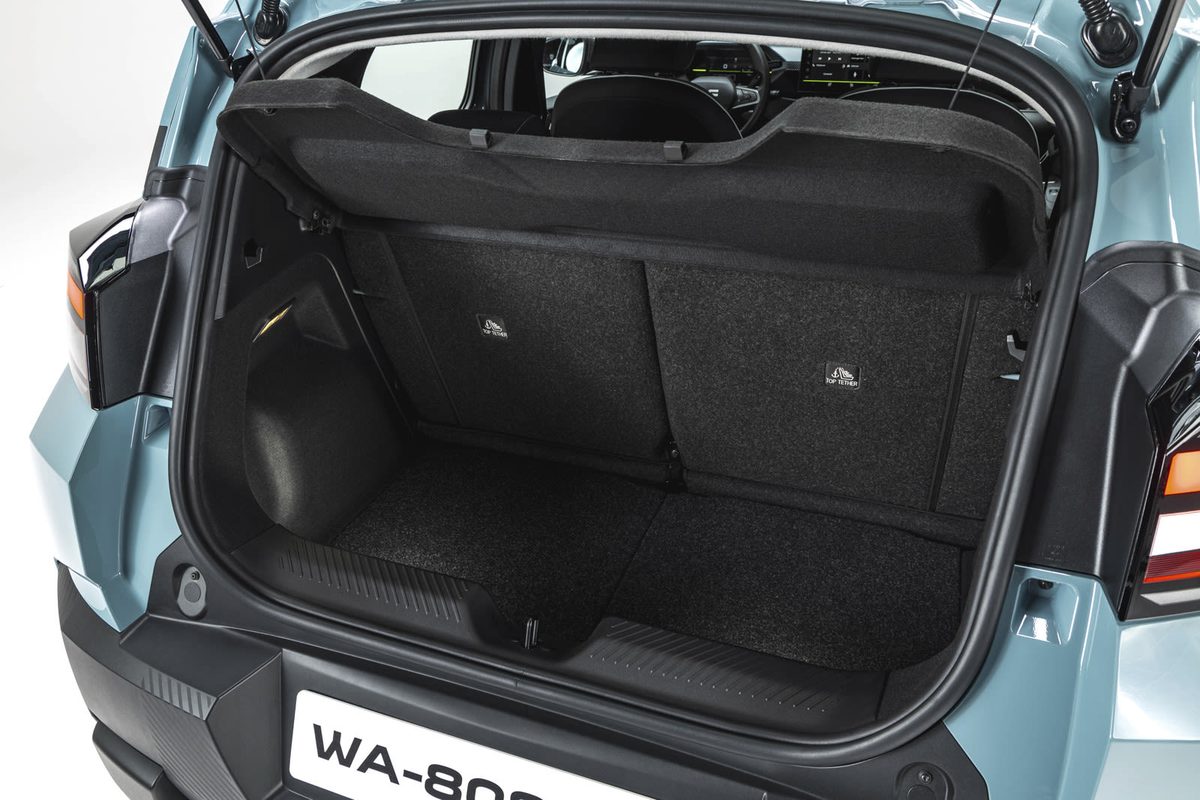
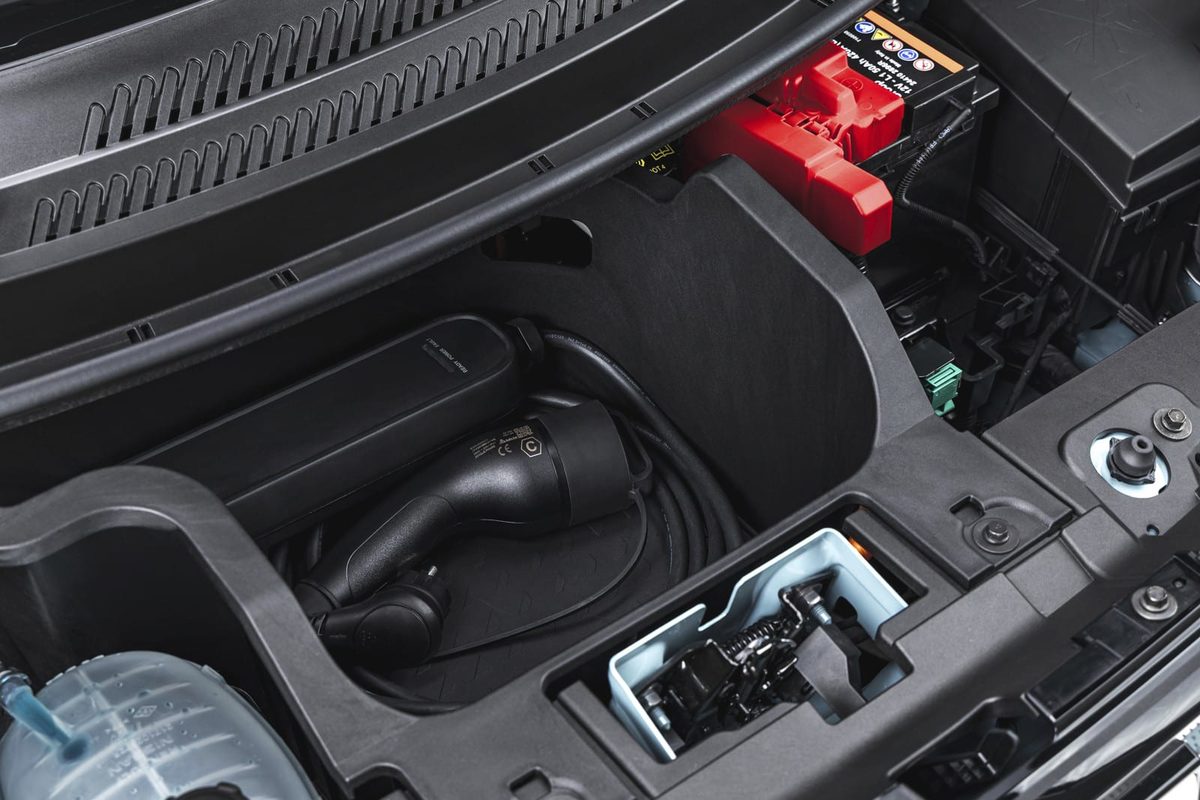
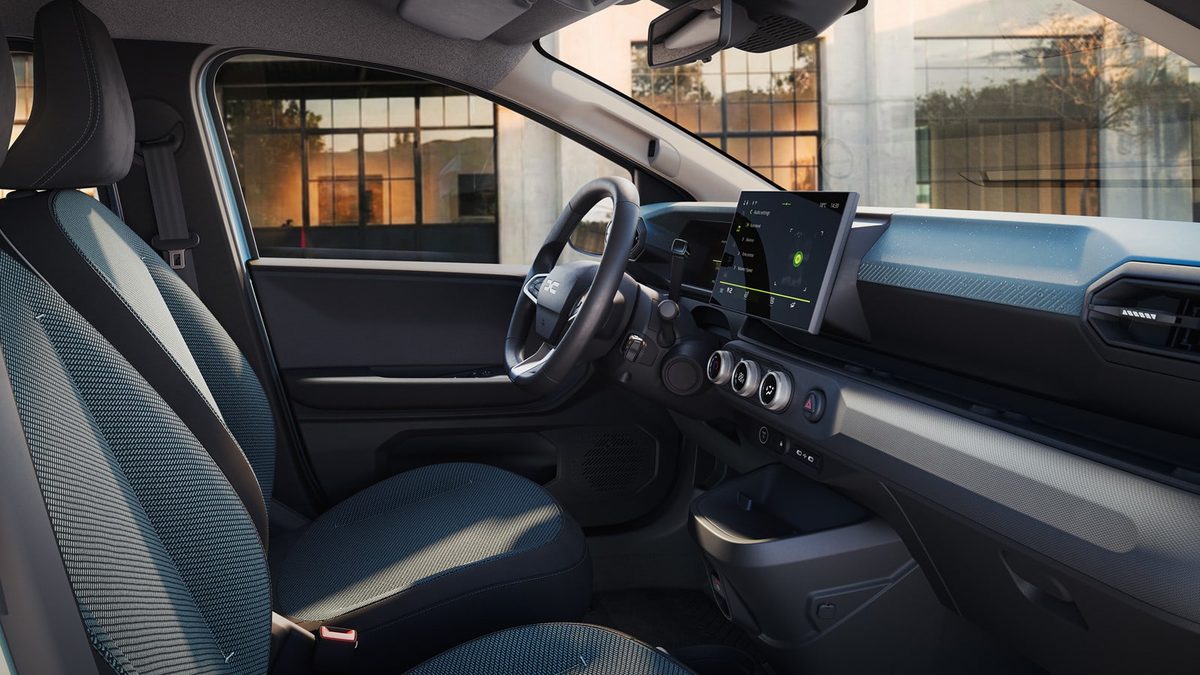
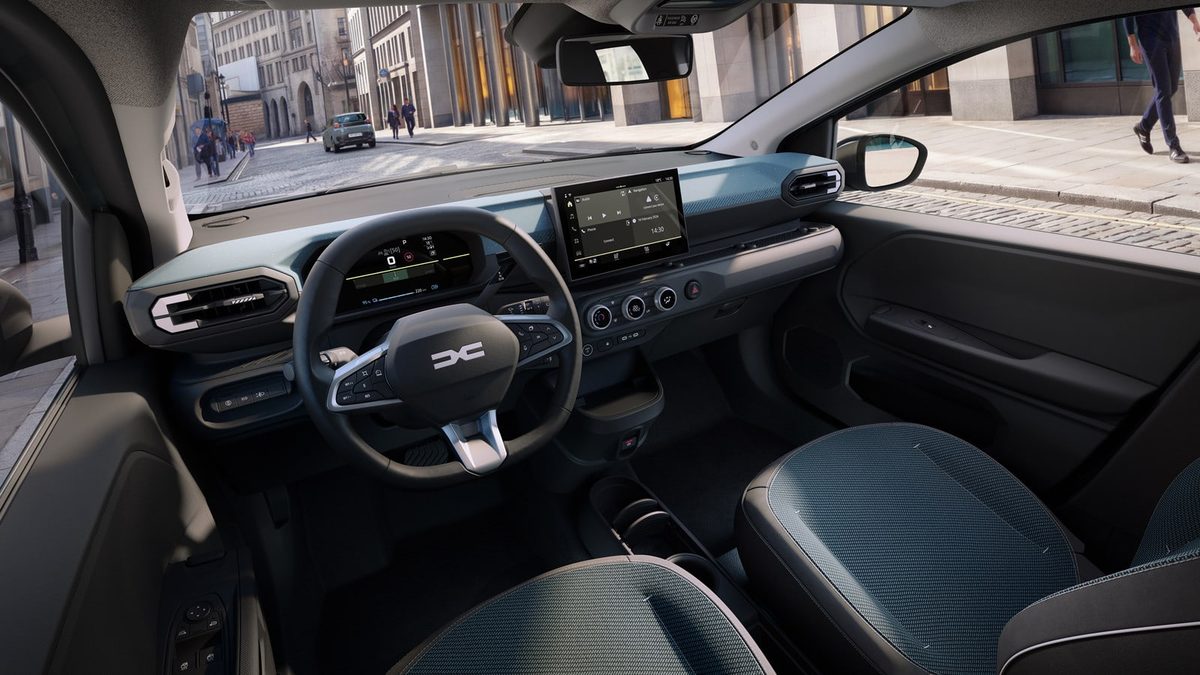
The car has grown. It is 3,850 mm long, 15 cm more than the outgoing Spring, and 18 cm wider, while the height stays at 1.52 m and the turning circle is 4.95 m. Weight starts at 1,212 kg. The boot holds 337 litres, rising to 1,283 litres with the rear seats folded, and there is an 18-litre compartment under the bonnet. Every version has a 7-inch digital instrument cluster; Journey adds the Media Nav Live system on a 10.1-inch touchscreen with navigation and wireless smartphone mirroring, where Expression uses the simpler Media Control setup. Dacia counts 22 driver-assistance systems across the range.

France gets two trims: Expression at 17,990 euros and Journey at 19,990 euros, both before the French purchase incentive, which runs from 3,620 to 6,180 euros depending on household income. Those figures keep the Spring under 18,000 euros at the point the outgoing car established as the brand’s position, despite the move from Chinese to European assembly. Deliveries are due to start in early 2027.
General
Body type Hatchback
Consumption 12.7 kWh/100 km
Expression
Power 80 hp
Torque 175 Nm
Battery 27.5 kWh
Range 250 km WLTP
0–100 12.1 s
Top speed 130 km/h
Drivetrain FWD
Price from €17,990
Journey
Power 80 hp
Torque 175 Nm
Battery 27.5 kWh
Range 250 km WLTP
0–100 12.1 s
Top speed 130 km/h
Drivetrain FWD
Price from €19,990
What is WLTP?

WLTP is the Worldwide Harmonised Light Vehicles Test Procedure, the homologation standard for Europe and much of Asia. It reads roughly 25% lower than CLTC.

Frequently asked questions
How much does the Dacia Spring cost?
The Dacia Spring starts from €17,990 (Europe, Sep 2026).
What is the range of the Dacia Spring?
The Dacia Spring offers up to 250 km of range on the WLTP cycle.
How powerful is the Dacia Spring?
The Dacia Spring produces up to 80 hp.
How fast is the Dacia Spring from 0–100 km/h?
The Dacia Spring accelerates from 0 to 100 km/h in 12.1 seconds.
What battery does the Dacia Spring have?
The Dacia Spring uses a 27.5 kWh battery.
What type of car is the Dacia Spring?
The Dacia Spring is a Hatchback.
Where is the new Dacia Spring built?
At Novo Mesto in Slovenia, in the plant Renault Group's subsidiary Revoz has operated since 1988 and which also builds the Renault Clio and Twingo E-Tech. The first-generation Spring was assembled in China as a rebadged Renault City K-ZE, so the second generation is the first Spring built in Europe.
How big is the new Dacia Spring?
It is 3,850 mm long, which makes it 15 cm longer than the first-generation Spring, and it is 18 cm wider, while the height is unchanged at 1.52 m. The boot holds 337 litres with the rear seats up and 1,283 litres with them folded, and there is an 18-litre storage compartment under the bonnet.
How long does it take to charge the Dacia Spring?
On a 50 kW DC charger the 27.5 kWh battery goes from 15 to 80 percent in 28 minutes. On alternating current a 7 kW home wallbox takes 2 hours 55 minutes and an 11 kW connection 1 hour 55 minutes, with a 6.6 kW option quoted at 9 hours for a full charge.
What is the difference between the Dacia Spring Expression and Journey?
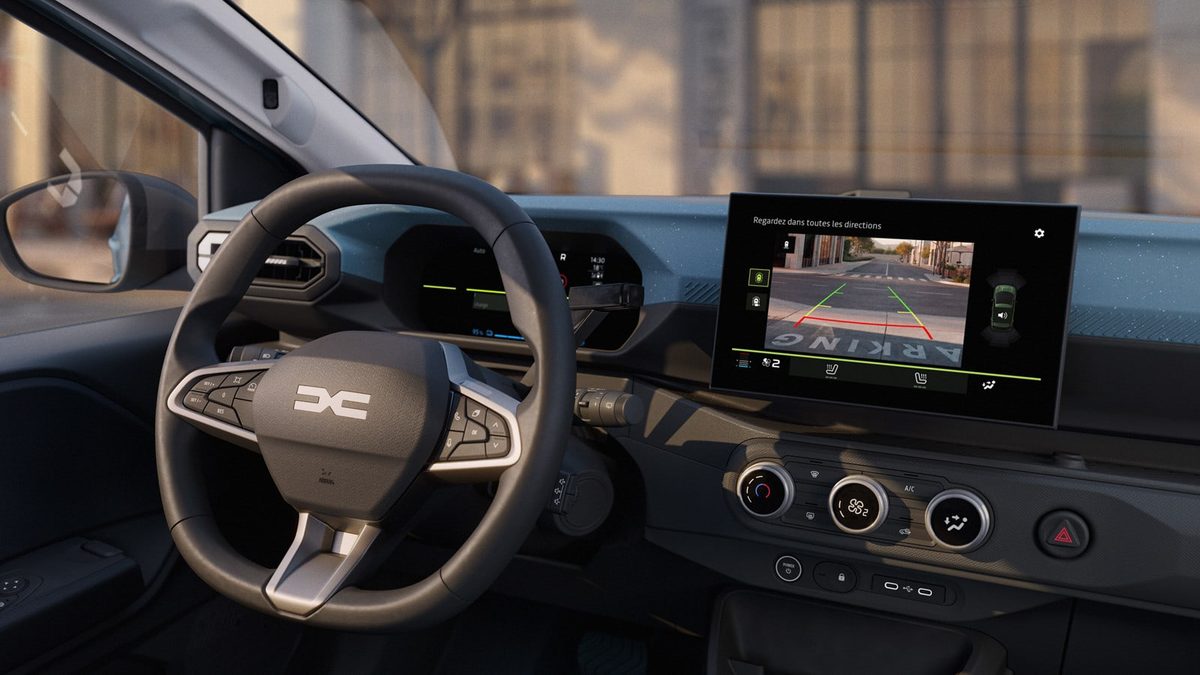
Mechanically nothing: both use the same 60 kW motor and 27.5 kWh battery. Expression is the entry trim at 17,990 euros in France and runs the Media Control system, while Journey costs 19,990 euros and adds the Media Nav Live infotainment with a 10.1-inch touchscreen, navigation and wireless Apple CarPlay and Android Auto, plus a reversing camera. Both get a 7-inch digital instrument cluster.

More from Dacia

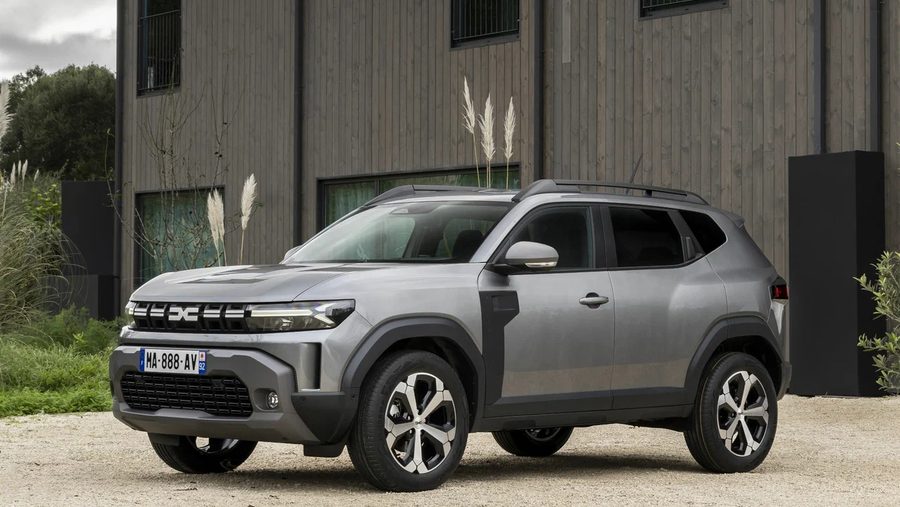
The third-generation Dacia Duster is a compact SUV offered with a budget-focused 1.0-litre TCe Bi-Fuel petrol/LPG engine, a 1.2-litre mild-hybrid petrol, and a 1.8-litre full hybrid with 155 hp, with 4x4 available on select engines. UK pricing starts at £18,745.

100 hp FWD
Sandero
ICE

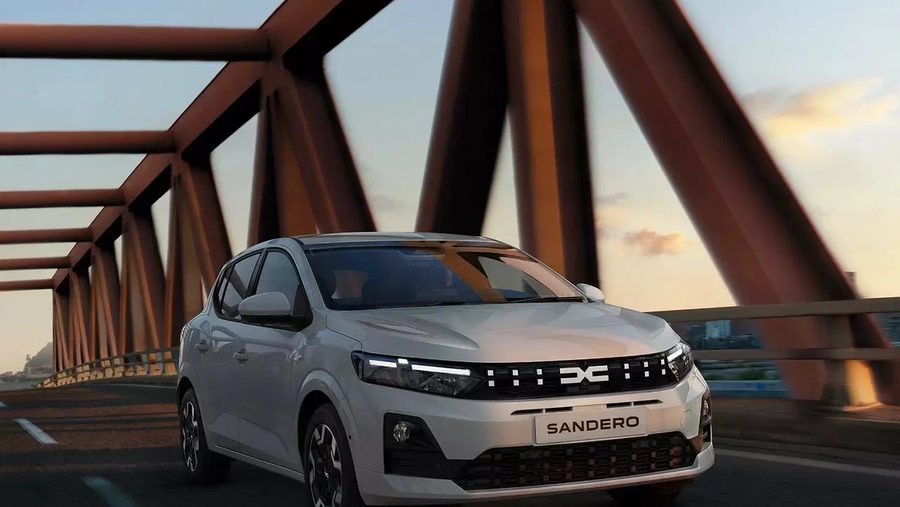
The Dacia Sandero is a supermini hatchback and Europe's best-selling car to private buyers, updated for 2026 with a new light signature, a 10-inch screen and revised bumpers. The UK range opens at 14,765 pounds with a 100 PS three-cylinder petrol, and LPG bi-fuel versions are the reason the car costs so little to run.

100 hp FWD
Coming Soon

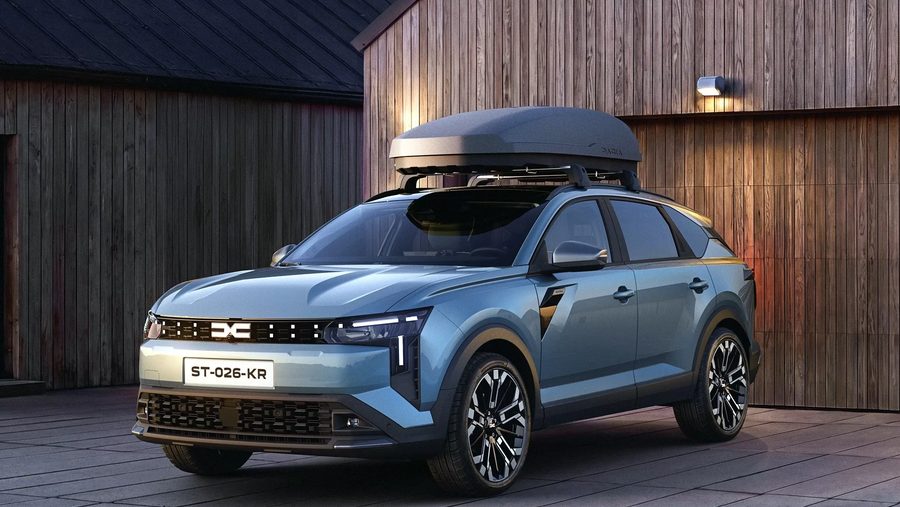
The Dacia Striker is a raised estate built on the CMF-B platform shared with the Bigster, offered with a 140 hp mild-hybrid petrol/LPG engine or a 155 hp full hybrid, plus a 150 hp hybrid with all-wheel drive. Orders open in autumn 2026 with prices starting under €25,000.

140 hp FWD

Similar models

#2
EV
Coming Soon
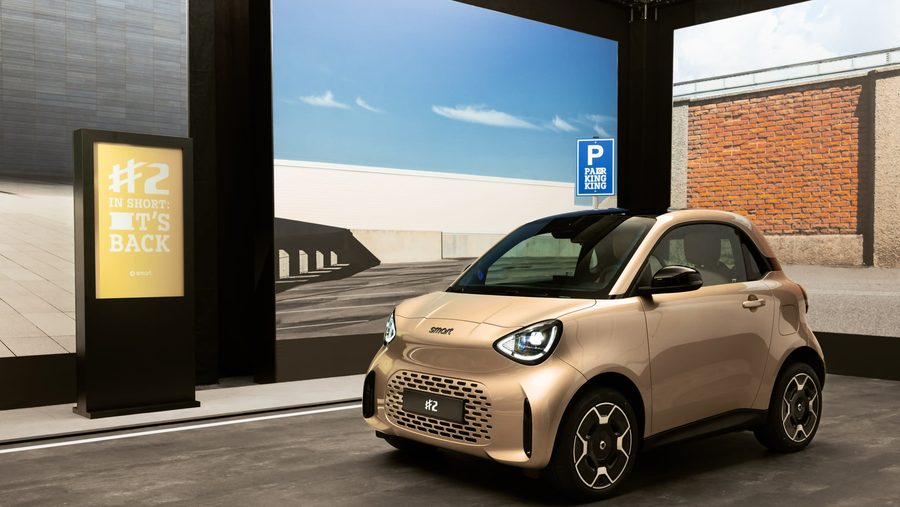
smart #2

The smart #2 is a compact two-seat city EV and the spiritual successor to the original ForTwo, built on Geely's new ECA (Electric Compact Architecture) platform. At 2.79 meters long it keeps the ForTwo's 6.95-meter turning circle, with a 35.7 kWh battery good for up to 300 km WLTP and 10-80 percent DC charging in under 20 minutes. European pricing is expected to start below 22,500 euros (about $24,300).

300 km WLTP RWD
2
EV
Coming Soon
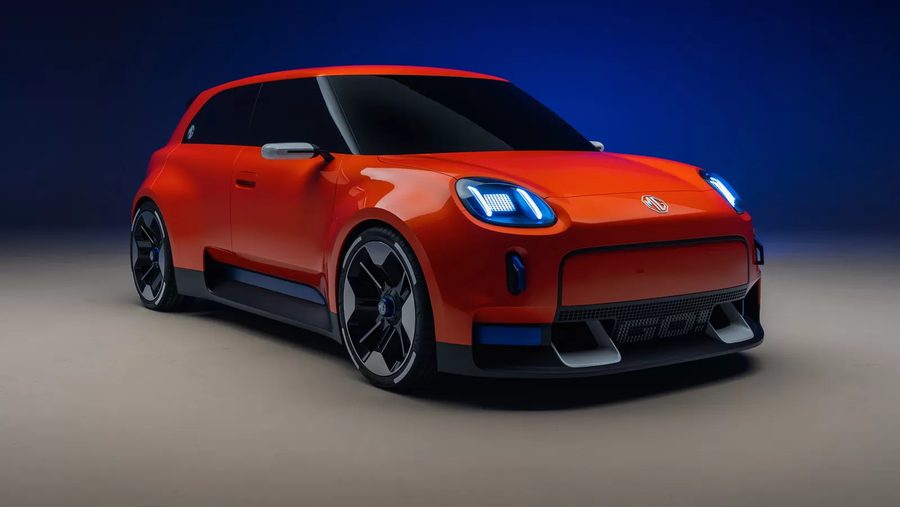
MG 2

The MG2 is MG's upcoming entry-level electric hatchback, previewed by the MG GO! concept at Goodwood 2026. Due around the middle of 2027, it is expected to become the brand's most affordable EV and a rival to the Renault 5 and Citroen e-C3.

FWD
500e
EV
Abarth 500e

The Abarth 500e is an electric hot hatch based on the Fiat 500e, with a 155 PS motor, a 42 kWh battery and 164 miles (264 km) of WLTP range. UK prices start at GBP 27,995, and a cabriolet version is sold alongside it.

155 hp 264 km WLTP FWD
Search