 China
ChinaNew-energy vehicles - pure electric, range-extender and plug-in hybrid - took a record 62.9% of China’s retail car sales in May 2026, according to the China Passenger Car Association (CPCA). Conventional fuel-car sales fell 39% year on year. Because the overall market also shrank 22.1%, to 1.51 million units, the headline is really about combustion’s retreat rather than runaway EV demand.
Two forces are squeezing combustion at once. Geopolitical tension has kept oil prices high, pushing up the day-to-day cost of running a petrol car, while new-energy models keep getting cheaper and better-equipped.
Retail sales, May 2026.








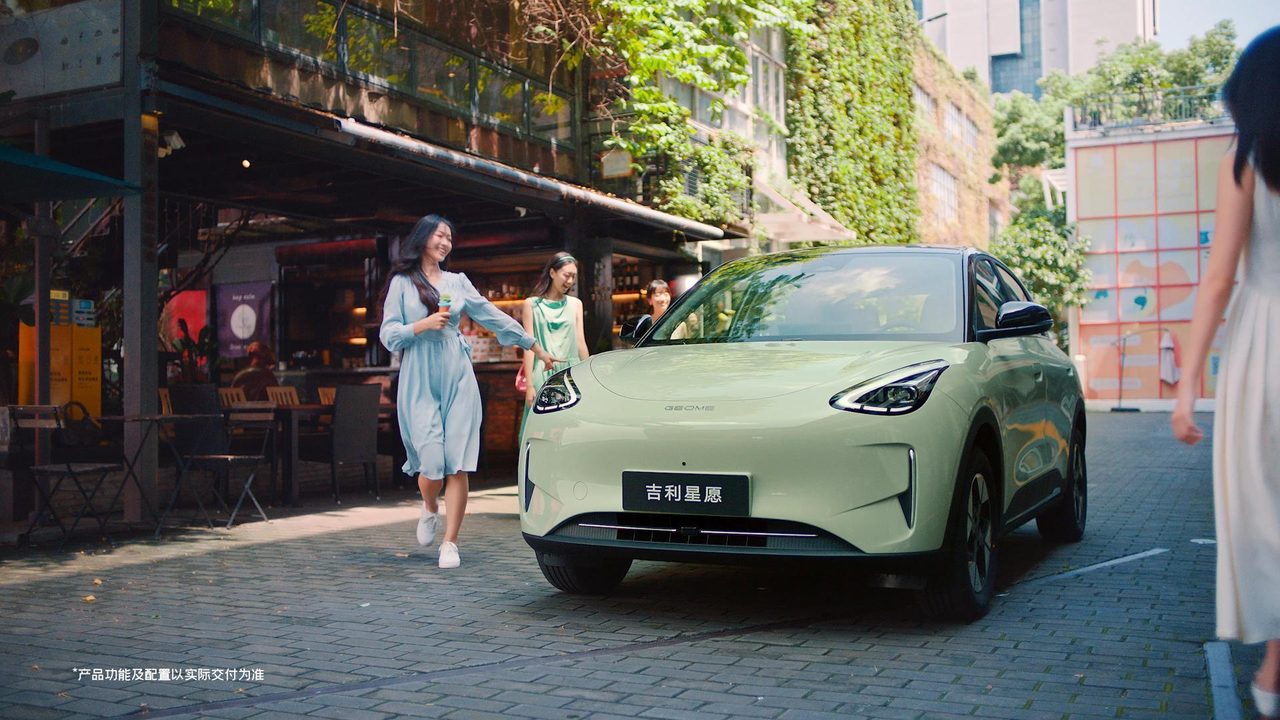
The order of the table is a map of the new market. Geely’s Xingyuan, a hatchback that starts under ¥60,000, outsold the Tesla Model Y by roughly ten thousand cars, and the price spread is enormous - from Wuling’s ¥35,800 Mini EV to a ¥340,000 Tesla Model 3, every step is electric.
Seven of the ten are pure battery cars. The exceptions show how Chinese makers hedge range anxiety: the Li Auto i6 and the Aito M6 - the latter from the Huawei-backed Aito brand - are range-extenders, carrying a small petrol generator that only charges the battery. The lone plug-in hybrid, the Bao 7, comes from Fang Cheng Bao, BYD’s rugged off-road sub-brand. Even the “hybrids” here are designed to drive electric.
“The core driver of the Chinese auto market’s decline is the rapid contraction of traditional fuel vehicle sales.”
Cui Dongshu, secretary-general, China Passenger Car Association
Combustion cars left in China's monthly top 10, 2026.
It would be easy to read this as runaway EV demand, but the fuller picture is more sober: domestic new-energy sales actually fell year on year for a fifth straight month. NEVs are taking a bigger slice of a shrinking pie. The real growth is abroad - China shipped 424,000 new-energy vehicles in May, up 112.6%, now 54% of all its car exports.
What happens next may hinge on policy. Because NEVs pay no fuel tax, the CPCA’s Cui has floated a mileage- and weight-based road levy - though he cautions it “must not increase the burden on ordinary families.” For now, the message from May’s sales chart is simple: in China, the default new car runs on electricity.
Source: CPCA, via CNEVPost