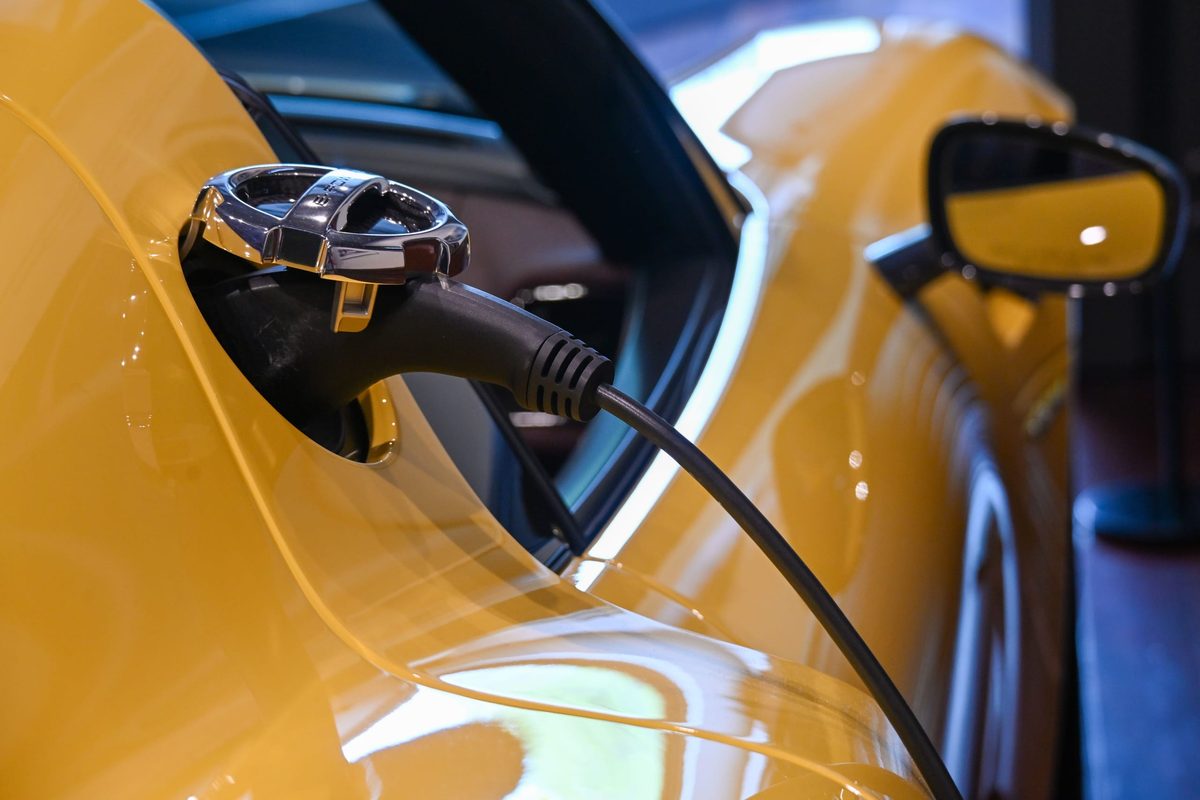
On a DC fast charger, the makers of the 16 electric cars below quote about 5 to 36 minutes to charge them. Most measure from 10 to 80 percent. On a home wallbox the same cars take most of a night.
The time depends on the car, the charger, and the part of the battery each maker chooses to measure. The shortest times are claims from Chinese makers, and the shortest of all needs BYD’s own charging stations. The longest come from cars on 400-volt electrical systems. Independent testers run every car on the same charger, and they have measured several of these cars both faster and slower than their makers’ figures.
Fastest-charging EVs: what the makers claim
Each claim below is what the maker publishes for its car, with an independent measurement beside it wherever a tester has published one. The cars are grouped by the charge window each maker quotes. A 10-70% figure and a 10-80% figure cover different amounts of energy, so they cannot be put in one order.
| Car | Maker's claim | Peak | Independent test |
|---|---|---|---|
| 10-70% window 1 car | |||
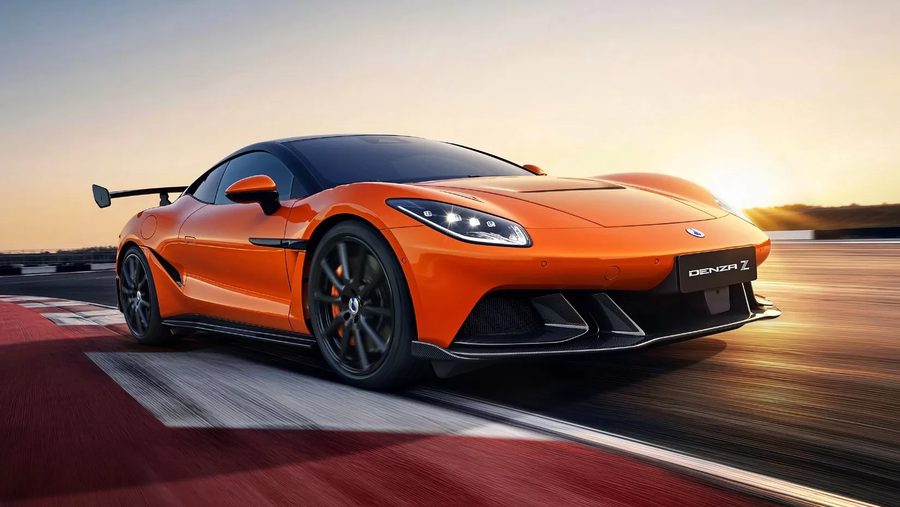
 Denza Z BYD flash charger Denza Z BYD flash charger | 5 min 10-97% in 9 min 1,500 kW peak | 1,500 kW | None published. The Denza Z9 GT, on the same system, went 10-70% in 5 min at a BYD-run demonstration (TechRadar) |
| 10-80% window 11 cars | |||
 Lynk & Co 20 6C, China High-power DC charger Lynk & Co 20 6C, China High-power DC charger | 12 min 460 kW peak | 460 kW | None published |
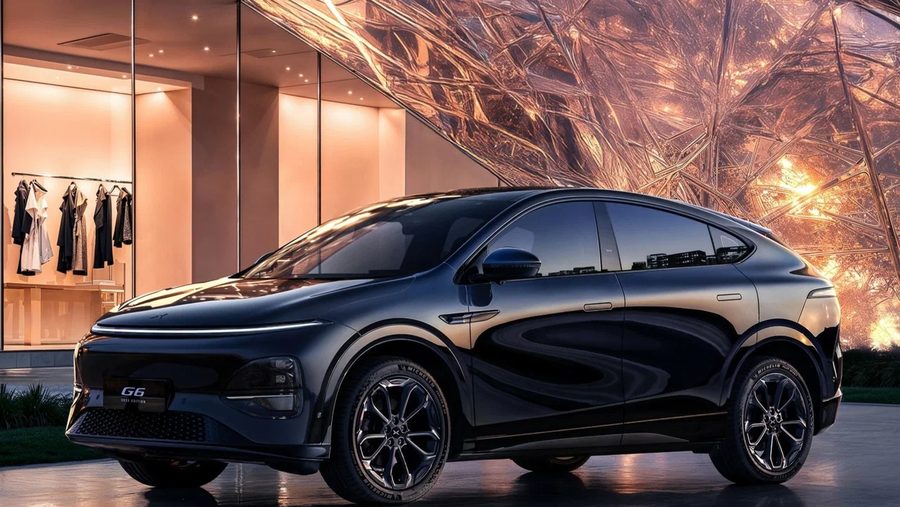
 Xpeng G6 High-power DC charger Xpeng G6 High-power DC charger | 12 min 451 kW peak | 451 kW | Tested: 44-85% in 10 min, 279 kW peak, on a 400 kW charger (electrive) |
 smart #1 China High-power DC charger smart #1 China High-power DC charger | 12 min | - | None published |
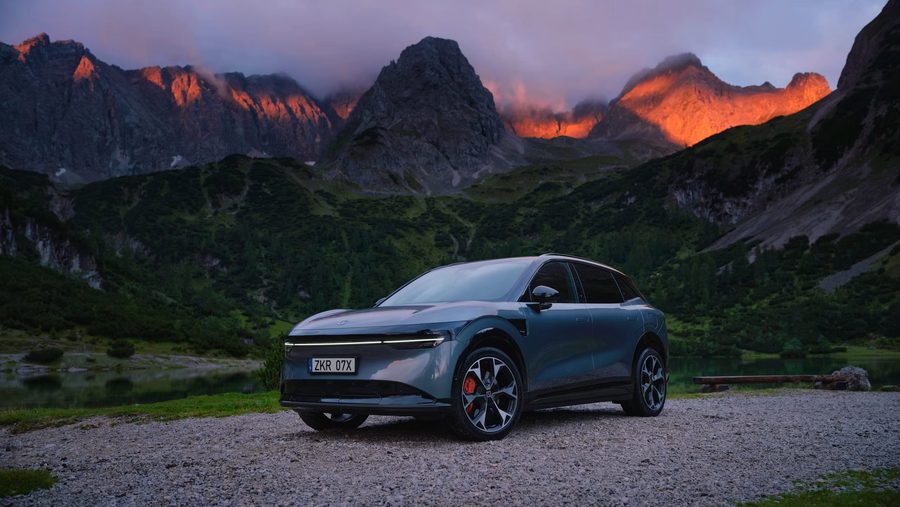
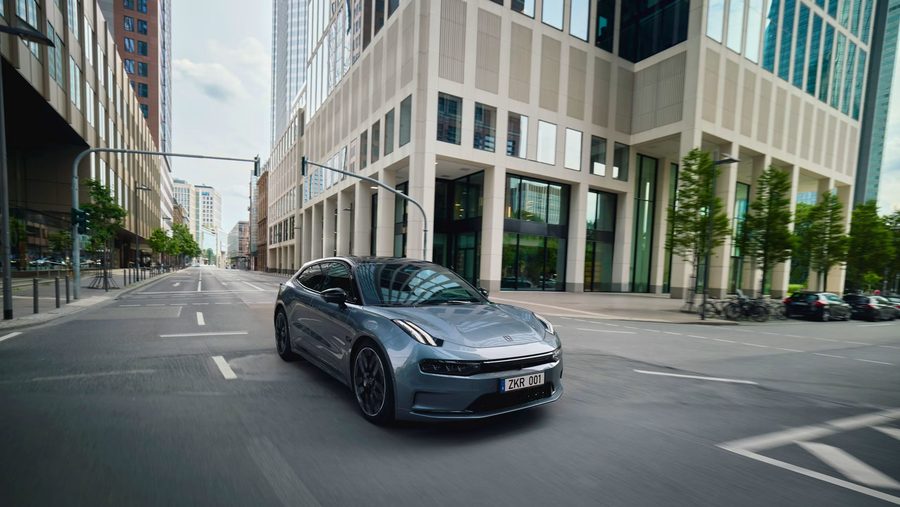
 Zeekr 7X Europe High-power DC charger Zeekr 7X Europe High-power DC charger | 13 min 16 min with the 100 kWh battery | - | Tested: China-spec 75 kWh car: under 10 min at about 470 kW, at a Zeekr station (The Driven) |
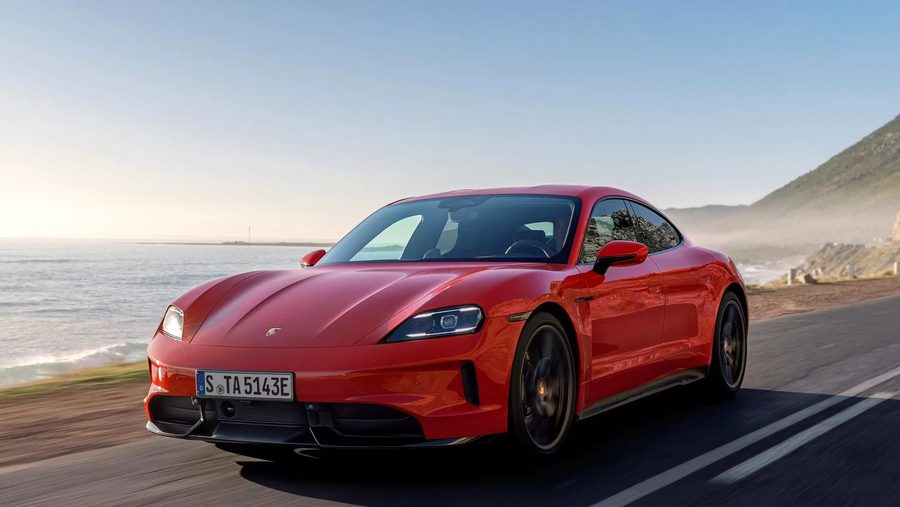
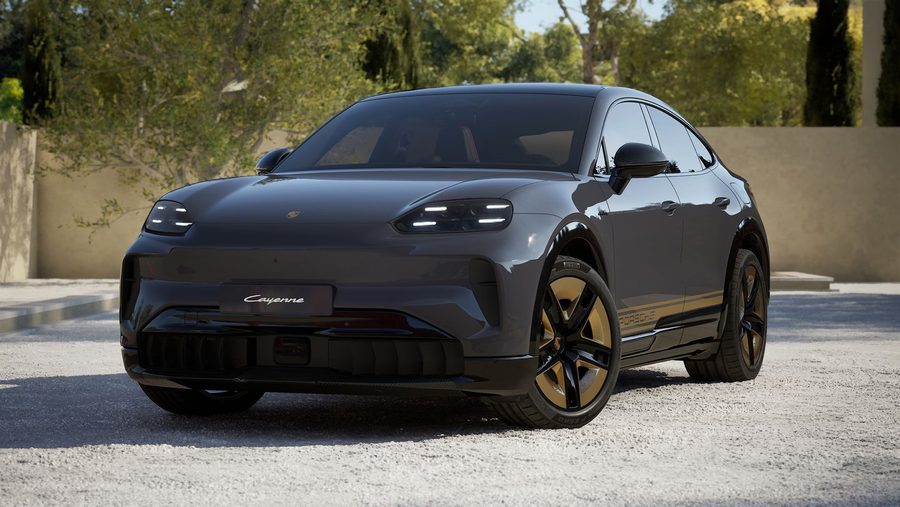
 Porsche Cayenne Electric 400 kW, 800-volt station Porsche Cayenne Electric 400 kW, 800-volt station | under 16 min 400 kW peak | 400 kW | Tested: 13-80% in 16 min, 349 kW peak in line with claim (Jalopnik) |
| Porsche Taycan 800-volt station | 18 min at 15 °C 320 kW peak | 320 kW | Tested: Just over 16 min, 316 kW peak about 2 min quicker (State of Charge) Tested: 468 km added in 20 min on a 300 kW charger (ADAC) |
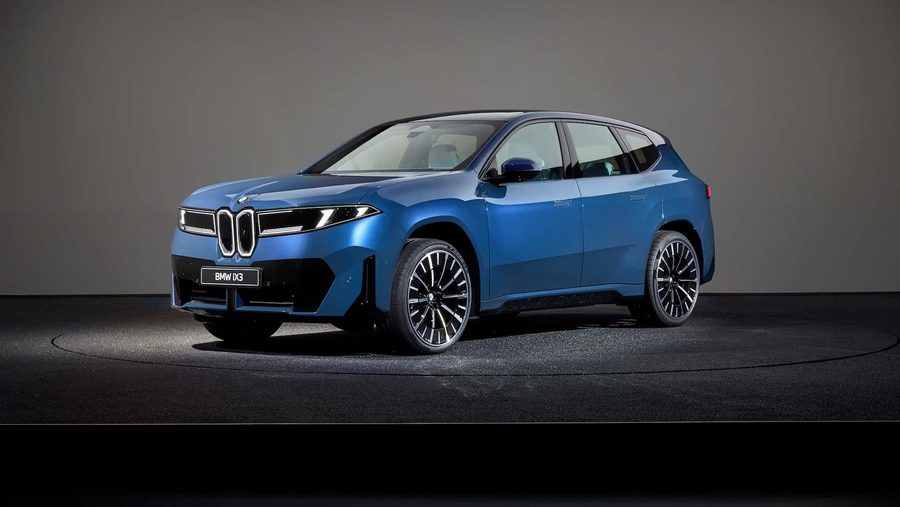
 BMW iX3 800-volt station BMW iX3 800-volt station | about 21 min or 372 km (231 miles) in 10 min 400 kW peak | 400 kW | Tested: 321 kW peak and 21 kWh in 5 min, on a 350 kW charger (ArenaEV) |
 Mercedes-Benz CLA 250+ Europe, US 800-volt station Mercedes-Benz CLA 250+ Europe, US 800-volt station | 22 min or up to 325 km (202 miles) WLTP in 10 min 320 kW peak | 320 kW | Tested: 26 min 4 min longer (State of Charge via InsideEVs) Tested: 556 km added in 20 min on a 300 kW charger (ADAC) |
 Genesis GV90 350 kW station Genesis GV90 350 kW station | 22 min 350 kW peak | 350 kW | None published |
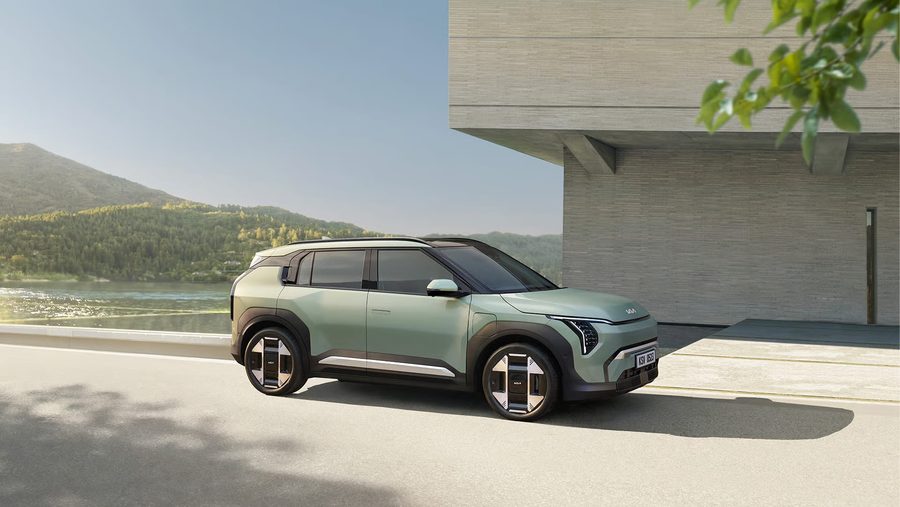
 Kia EV3 350 kW station Kia EV3 350 kW station | about 29 min 31 min with the larger battery | - | None published |
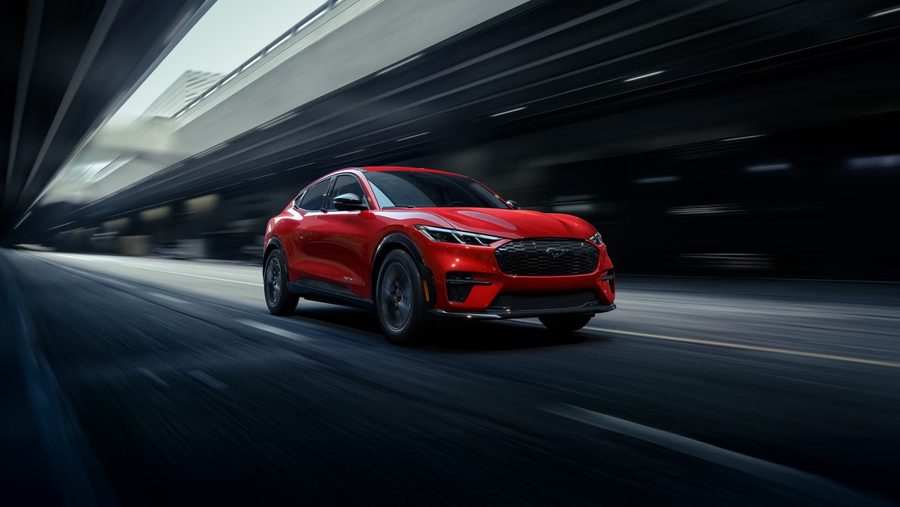
 Ford Mustang Mach-E DC fast charger Ford Mustang Mach-E DC fast charger | about 36 min extended-range battery about 150 kW peak | about 150 kW | Tested: 41 min, 157 kW peak, 2025 Mach-E Rally about 5 min longer (Destination Charged) |
| Range added 2 cars | |||
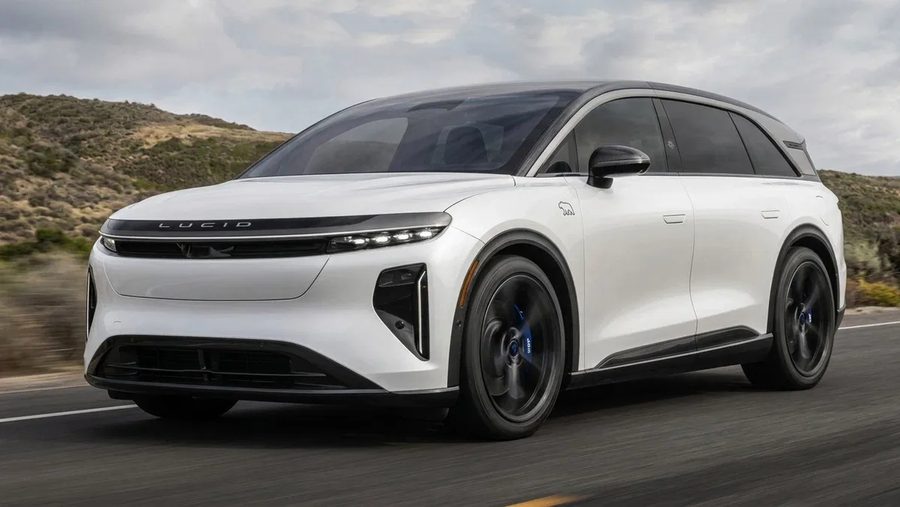
 Lucid Gravity GT-S 400 kW station Lucid Gravity GT-S 400 kW station | 200 miles (322 km) in about 14 min 400 kW peak | 400 kW | Tested: Gravity GT: 10-80% in 24 min, 419 kW peak, on a Tesla V4 Supercharger (State of Charge) |
 Tesla Model 3 V3 Supercharger Tesla Model 3 V3 Supercharger | 282 km (175 miles) in 15 min 250 kW peak | 250 kW | None published |
| 30-80% window 2 cars | |||
 Avatr 07L High-power DC charger Avatr 07L High-power DC charger | under 10 min | - | None published |
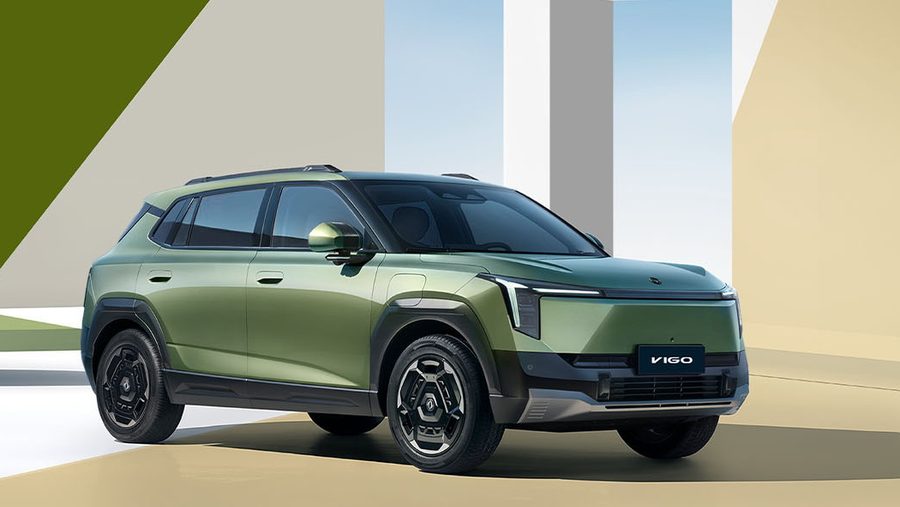
 Dongfeng Vigo DC fast charger Dongfeng Vigo DC fast charger | about 18 min 167 kW peak | 167 kW | None published |
The shortest claim belongs to the Denza Z. Its maker, BYD, rates it at 1,500 kW on BYD’s own flash chargers, a network it began building in China in 2025.
For public chargers in Europe, the German motoring club ADAC ran 95 cars on the same 300 kW charger in a 20 °C hall. The electric Mercedes-Benz CLA 250+ added the most range in 20 minutes: 556 km. The Porsche Taycan was second at 468 km.
The BMW iX3 and the Xpeng G6 were both tested on chargers rated below the cars’ own peaks. Those tests could not reproduce the conditions behind the claim.
Why EV charging-time claims are hard to compare
Charge windows: 10-80%, 10-70% and 30-80%
Every European, Korean and US maker in the table that quotes a percentage uses 10 to 80. BYD quotes 10 to 70 and 10 to 97. Avatr and Dongfeng quote 30 to 80. That window is 50 percentage points against 70 for a 10-80 claim, so it covers under three quarters of the energy. The low end of a battery also charges fastest, so a window that starts at 10 percent includes the quickest minutes.
Percent charged or range added
BMW, Mercedes-Benz, Lucid and Tesla also quote range added. BMW gives 372 km in 10 minutes for the iX3. Lucid gives 200 miles (322 km) in about 14 minutes for the Lucid Gravity GT-S. A distance figure depends on the car’s consumption and on the test cycle behind it.
Li Auto quotes 500 km in 10 minutes for its i9, and Arcfox 270 km in 10 minutes for the Alpha T7. Both figures come from China’s CLTC cycle. CLTC returns higher range figures than Europe’s WLTP or the US EPA cycle for the same car, as the powertrain guide sets out.
The charger and temperature behind a claim
Porsche states its Taycan figure at 15 °C. Under those conditions it gives 37 minutes for the first-generation car and 18 for the updated one (Porsche). The Zeekr 7X carries two claims, one per market. The European 75 kWh car is quoted at 13 minutes. The 2026 China version, with a different battery, is quoted at 10.5. BYD’s and Zeekr’s quickest times were both recorded on the makers’ own stations.
Independent tests against makers’ claims
The Taycan came in about two minutes under Porsche’s figure. The Cayenne Electric matched its claim from 13 percent. The CLA took 26 minutes against 22. A 2025 Ford Mustang Mach-E Rally took 41 minutes, against about 36 that Ford quotes for its extended-range battery. The Dongfeng Vigo’s 30-80 claim of 18 minutes has no published independent test.
Edmunds, P3 and ADAC each test cars on a common method. Edmunds measures “miles per charging hour” from 10 to 80 percent, using charging data from the consultancy P3. It notes that there is “no universal charge time standard” that makers follow. Its first results, in December 2023, ran from 868 miles per charging hour for the Hyundai Ioniq 6 to 172 for the Chevrolet Bolt EUV (Hyundai summary of the Edmunds results).
The P3 Charging Index scores real kilometres added in 20 minutes, where 1.0 equals 300 km. Its 2024 edition covered 22 cars. ADAC publishes range added in 20 minutes on one 300 kW charger.
EV charging levels 1, 2 and 3: how long each takes
Charging time is battery energy divided by charging power. A Volkswagen ID.7 Pro has 77 kWh of usable capacity. On an 11 kW wallbox it needs about seven hours from empty. In practice it takes a little longer, because some energy is lost as heat and the car slows the rate near full.
The US names charging by level, following the US Department of Energy’s Alternative Fuels Data Center:
| Level | Supply | Typical power | Range added |
|---|---|---|---|
| Level 1 | 120-volt household outlet | up to about 1.9 kW | about 5 miles (8 km) per hour |
| Level 2 | 208 or 240-volt charger | 7.2 kW typical, 2.9 to 19.2 kW | about 25 miles (40 km) per hour |
| DC fast (“Level 3”) | three-phase supply to an off-board charger | up to 500 kW | 100 to 200+ miles (160 to 320 km) per 30 minutes |
Home charging time chart
Hours to charge from empty to full on AC, by battery size and charging power. These are ideal figures before losses and before the car slows near full, so real times run a little longer.
| Battery | 1.9 kW (Level 1) | 7.2 kW (Level 2) | 11 kW | 22 kW |
|---|---|---|---|---|
| 50 kWh | 26 h | 7 h | 4.5 h | 2.3 h |
| 77 kWh | 41 h | 11 h | 7 h | 3.5 h |
| 100 kWh | 53 h | 14 h | 9 h | 4.5 h |
The 22 kW column applies only to a car with a 22 kW onboard charger.
Why a 22 kW wallbox can charge no faster than 11 kW
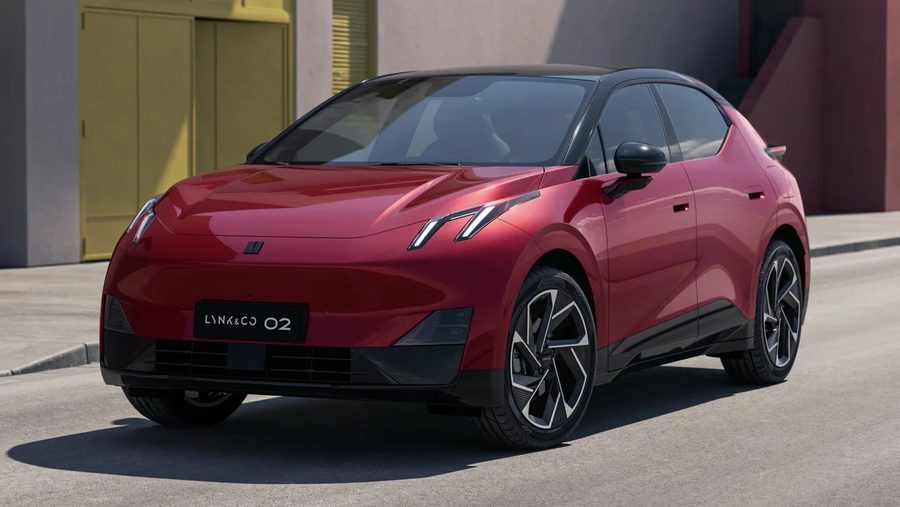
A wallbox supplies AC. The car converts it to DC with its own onboard charger, and that charger’s rating sets the limit. The Lynk & Co 02 sold in Europe has an 11 kW onboard charger on the Core trim and a 22 kW one on the More. On a 22 kW wallbox the Core still charges at 11 kW. A 22 kW AC supply also needs a three-phase connection. DC charging bypasses the onboard charger, which is why it can run so much faster.
Charging modes and plugs in Europe and North America
Europe uses the modes of the IEC 61851 standard instead of levels. Mode 2 is a portable cable into a household socket, Mode 3 a dedicated AC wallbox and Mode 4 DC charging. “Level 3” is an informal name for DC fast charging.
North American cars have used J1772 for AC and CCS1 for DC. They are moving to the Tesla-designed connector, standardised as SAE J3400 (NACS) in September 2024. The Lucid Gravity has a NACS port, and Ford supplies North American Mach-E owners with an adapter for Tesla Superchargers.
EU rules for public fast chargers
The EU sets a legal minimum in the Alternative Fuels Infrastructure Regulation (Regulation (EU) 2023/1804), in force since 13 April 2024. The main trans-European road network needs a charging pool at least every 60 km in each direction. By the end of 2025 each pool had to supply 400 kW in total, with at least one 150 kW charge point. By the end of 2027 that rises to 600 kW and two 150 kW points. The regulation also requires ad-hoc payment by card, with no contract or app.
The GetCarNews EV charging time calculator runs the same sum for the electric cars on GetCarNews.
800V vs 400V EVs: what 800 volts changes for charging
Charging power is voltage multiplied by current. A 400-volt car drawing 350 kW needs about 875 amps. An 800-volt car needs about 440 for the same power. The heat in a cable and connector rises with the square of the current. Halving the current therefore lets the same cable carry the same power much cooler, or lets a thinner cable carry it. Porsche says its 800-volt Taycan needs half the cable cross-section of a 400-volt design, saving about 4 kg (Porsche glossary).
The Zeekr 001 and the 7X were launched side by side on different voltages. The 001 uses a 400-volt system with a 200 kW DC peak, and Zeekr quotes about 30 minutes for 10 to 80 percent. The 800-volt 7X is quoted at 13.
A 400-volt car can still be quick for its battery size. The Kia EV3 runs on the 400-volt version of Hyundai Motor Group’s E-GMP platform. Kia quotes 29 minutes for its smaller battery.
The higher voltage only pays off on a charger that can supply it. On a 50 kW charger an 800-volt car and a 400-volt car charge at the same rate. On a charger built for 400-volt cars, an 800-volt car has to raise the voltage itself. Hyundai’s E-GMP cars use the rear motor and inverter to lift a 400-volt charge to 800 volts before it reaches the battery. Hyundai notes that other designs need a separate converter to do it (Hyundai). The Taycan has carried a standard 150 kW DC/DC converter for 400-volt stations since its 2024 update (Electrek).
Chinese makers often quote a C-rate instead of a time. At 1C a battery would fill in one hour, so a 6C battery accepts power at six times that rate at its peak. The C-rate describes the peak. The minutes quoted for a charge window say more about a whole stop.
BYD’s platform, announced in March 2025, runs at 1,000 volts and 1,000 amps for 1,000 kW. BYD’s March 2026 update reached 1,500 kW through a single cable on the Chinese connector. Tesla’s V4 Supercharger cabinet delivers up to 500 kW to cars.
For trucks and buses, the industry body CharIN developed the Megawatt Charging System, published by SAE as J3271. It goes to 3.75 MW, or 1,250 volts at 3,000 amps.
Why EV charging slows down after 80 percent
A battery charges fastest when it is nearly empty. It takes a high, constant current until its cells approach their maximum voltage. The charger then holds the voltage steady and lets the current fall. High current into a nearly full cell risks lithium plating: lithium metal deposits on the anode and permanently reduces capacity (peer-reviewed study). The charging curve therefore peaks early and falls away.
Jalopnik’s test of the Porsche Cayenne Electric traced a typical curve. The car reached about 349 kW within 22 seconds and held near 350 kW until the battery was about half full. After that it drew around 270 kW, and about 200 kW approaching 80 percent.
BYD’s figures for the Denza Z show the same taper on its fastest chargers: 5 minutes for 10 to 70 percent, then 4 more minutes for the last 27 points to 97. ADAC publishes the measured curve for every car in its charging test.
Cold batteries charge more slowly
A cold battery accepts less current. Porsche states its Taycan claim at 15 °C, and ADAC runs its tests in a 20 °C hall. BYD quotes a separate cold figure for the Denza Z: 20 to 97 percent in 12 minutes at -30 °C, against 9 minutes for 10 to 97 in normal conditions.
Shared chargers
The EU’s AFIR regulation sets power per charging pool. Tesla’s V4 cabinet divides up to 1.2 MW among as many as eight stalls. A car on a busy site may therefore draw less than the charger’s rating.
Does fast charging wear out the battery?
The two largest studies disagree on how much. Geotab analysed 22,700 vehicles. Cars that relied heavily on DC charging above 100 kW lost up to 3.0 percent of capacity a year, against about 1.5 percent for cars charged mostly on AC. Recurrent studied 13,000 Teslas and found no statistically significant difference in range loss. Its comparison was between cars that fast-charged more than 90 percent of the time and cars that did so less than 10 percent of the time.
What fast-charging claims depend on, sorted by charger
The fastest times in the table depend as much on the charger as on the car. A 5-minute claim for a BYD car assumes a BYD flash charger. Zeekr’s quickest times were recorded at Zeekr’s own stations. On public European roads the legal floor is a 150 kW charge point every 60 km. That is below the peak of 11 of the 16 cars in the table.
The same cars, sorted by the charger their maker’s claim needs:
- The maker’s own network: Denza Z (BYD flash charging), the China-spec Zeekr 7X at its quickest.
- A 350 to 400 kW, 800-volt public charger: Porsche Cayenne Electric, Porsche Taycan, BMW iX3, Mercedes-Benz CLA 250+, Genesis GV90, Lucid Gravity.
- A 150 kW charger, the EU minimum: the European Lynk & Co 02 at its 150 kW peak and the Ford Mustang Mach-E at about 150 kW both reach their full rate on one.
Frequently asked questions
How long does it take to charge an electric car?
What is the fastest-charging electric car?
Why does EV charging slow down after 80 percent?
Does an 800-volt EV charge faster on a 400-volt charger?
Does fast charging damage an EV battery?
Is a 22 kW home charger faster than an 11 kW one?
What do Level 1, Level 2 and Level 3 charging mean?
What does 5C or 6C charging mean?
More explainers

Mitsubishi sold its half of GAC Mitsubishi for one yuan in 2023, and that plant now builds Aion EVs.

Huawei owns none of its HIMA brands, and Changan became a central state enterprise in its own right in July 2025.

A mild hybrid never moves on electricity, a full hybrid manages a kilometre or two, a plug-in 40 to 100 km.
Updated 19 Sep 2026