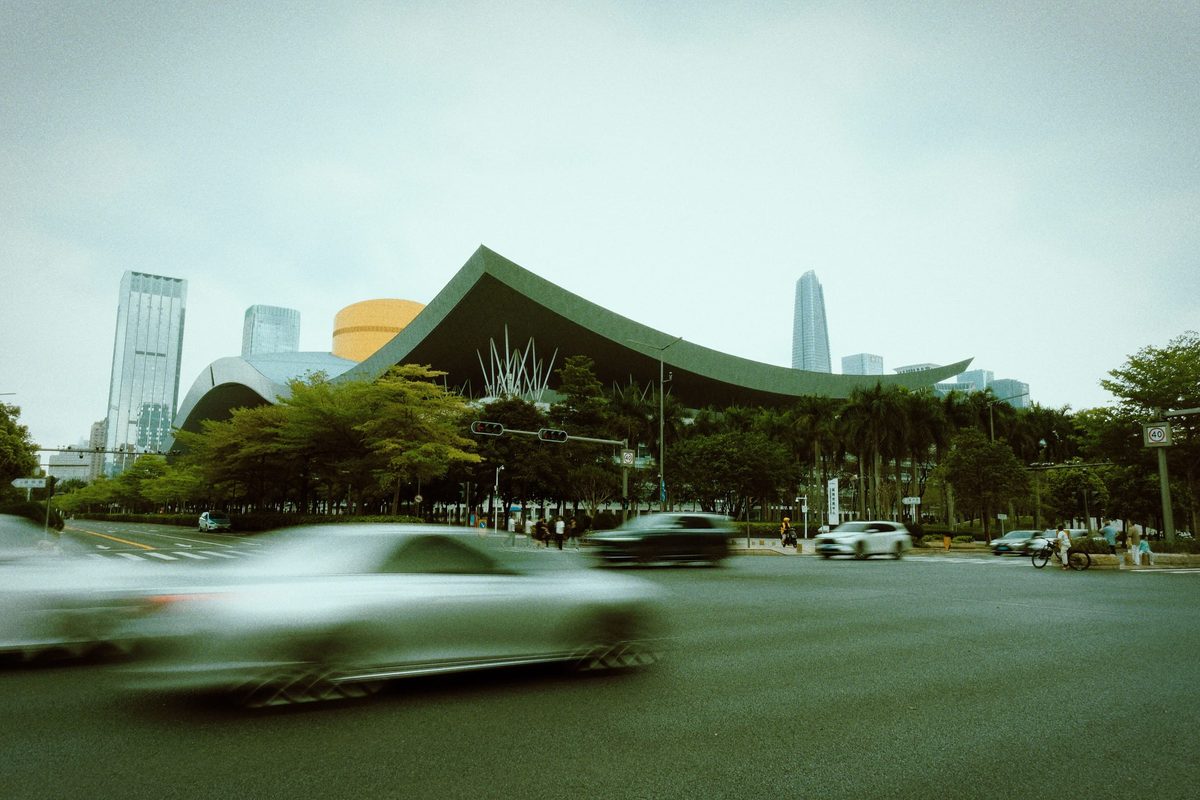
The Volkswagens sold in China are built by two companies, and one of them is Chinese. The same goes for the Toyotas, the Hondas, the Fords and the Buicks.
The arrangement is called a joint venture, and it means a third company that the two of them own together. Volkswagen does not own a factory in China. It owns half of SAIC-Volkswagen, a separate company it holds with the Shanghai state group SAIC, and that company owns the factory, hires the workers and decides what comes off the line. Toyota holds half of GAC Toyota the same way, alongside the Guangzhou state group. The badge on the car names one of the two owners and says nothing about the other.
It was a rule before it was a strategy. For decades a foreign carmaker could not build cars in China alone: it needed a local partner, the foreign side was capped at 50%, and each foreign carmaker was limited to two such ventures per type of vehicle. American Motors signed the first of them with Beijing Automotive on 5 May 1983, to build Jeeps. Shanghai Volkswagen followed on 10 October 1984, Guangzhou Peugeot the same year, and everyone who came after accepted the same terms.
Those terms shaped what got built, in two ways that run through everything below. A carmaker capped at half a company cannot simply expand it, so it takes a second partner and ends up competing with itself: Toyota’s two ventures sell the same car under two names through two dealer networks. And the plants and the dealer network belong to the venture, paid for by both parents, so walking away costs more than cancelling a distribution contract. When Mitsubishi gave up on China in 2023 it sold its half for a single yuan and left the factory behind, and its former partner now builds its own electric cars in it.
A Western badge on a car the Western company half-owns
A Western badge on a car the Western company half-owns
The classic arrangement: a familiar badge, and a Chinese state group holding the other half of the company that builds it. Three of these badges appear twice, because their owners run two ventures each.
 Volkswagen
 Runs two Chinese ventures at once, the most of any foreign carmaker
Fifty-fifty · A Western badge on a car the Western company half-owns
 SAIC
SAIC Shanghai state group. SAIC-Volkswagen has built cars since 1984
Fifty-fifty · A Western badge on a car the Western company half-owns
Volkswagen The second venture, in Changchun, selling against the first
Fifty-fifty · A Western badge on a car the Western company half-owns
 FAW
FAW Changchun state group. FAW-Volkswagen has built cars since 1991
Fifty-fifty · A Western badge on a car the Western company half-owns
 Toyota
 Split across two ventures, which sell different cars under one badge
Fifty-fifty · A Western badge on a car the Western company half-owns
 GAC
GAC Guangzhou state group. GAC Toyota builds the Wildlander
Fifty-fifty · A Western badge on a car the Western company half-owns
Toyota The other half of the Toyota split, in Changchun
Fifty-fifty · A Western badge on a car the Western company half-owns
FAW FAW Toyota builds the RAV4 Rongfang, the Wildlander twin. GAC signed a letter of intent 14 Sep 2026 to buy this stake; unclosed as of 28 Sep 2026
Fifty-fifty · A Western badge on a car the Western company half-owns
 Buick
Buick Several Buicks sold in China have no American counterpart
Fifty-fifty · A Western badge on a car the Western company half-owns
SAIC SAIC-GM, the General Motors venture, founded 1997
Fifty-fifty · A Western badge on a car the Western company half-owns
 Mercedes-Benz
 Builds the stretched, China-only long-wheelbase saloons
Fifty-fifty · A Western badge on a car the Western company half-owns
 BAIC
BAIC Beijing state group. The venture trades as Beijing Benz
Fifty-fifty · A Western badge on a car the Western company half-owns
 Honda
Honda The same two-partner pattern as Volkswagen and Toyota
Fifty-fifty · A Western badge on a car the Western company half-owns
GAC GAC Honda, founded 1998 as Guangzhou Honda
Fifty-fifty · A Western badge on a car the Western company half-owns
Honda The Wuhan half of the Honda split
Fifty-fifty · A Western badge on a car the Western company half-owns
 Dongfeng
 Wuhan state group, also the partner behind Dongfeng Nissan
Fifty-fifty · A Western badge on a car the Western company half-owns
 Nissan
 The largest of the Japanese ventures in China
Fifty-fifty · A Western badge on a car the Western company half-owns
Dongfeng Dongfeng Nissan, the bigger of Dongfeng two Japanese ventures
Fifty-fifty · A Western badge on a car the Western company half-owns
 Ford
Ford Changan Ford builds the China-market Explorer at Hangzhou
Fifty-fifty · A Western badge on a car the Western company half-owns
 Changan
 Chongqing state group, partner to both Ford and Mazda
Fifty-fifty · A Western badge on a car the Western company half-owns
 Mazda
Mazda Changan Mazda, the smaller of the two Changan ventures with Japanese carmakers
Fifty-fifty · A Western badge on a car the Western company half-owns
Changan The same partner as Ford, in the same city
Fifty-fifty · A Western badge on a car the Western company half-owns
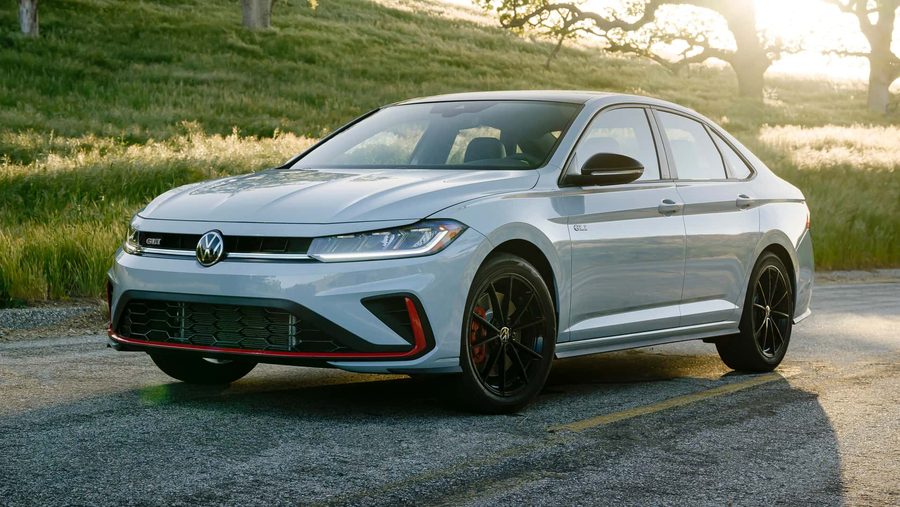
Two different Chinese companies build cars wearing the same Volkswagen roundel, because Volkswagen runs two ventures at once: SAIC-Volkswagen from 1984 and FAW-Volkswagen from 1991. Toyota is split the same way, between GAC Toyota and FAW Toyota, and Honda between GAC Honda and Dongfeng Honda. The two-venture limit is the reason the pattern repeats: a second partner was the only route to more capacity. Nissan built with Dongfeng, Ford and Mazda with Changan, Mercedes-Benz with BAIC under the name Beijing Benz.
The Chinese half is rarely just an assembler. These are the state groups that own China’s own brands too, so the partner across the table is also a competitor: GAC owns Aion, Changan owns Deepal, Dongfeng owns Nammi. The Mitsubishi plant is what that competition looks like once it has resolved, and GAC was the partner on both sides of it.
A venture also builds for the market it sits in, which is why a large share of its output has no equivalent abroad.
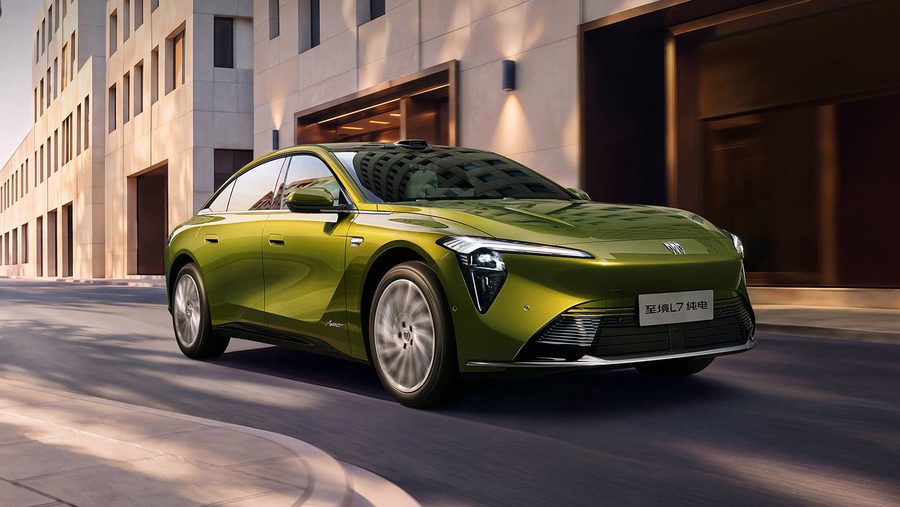
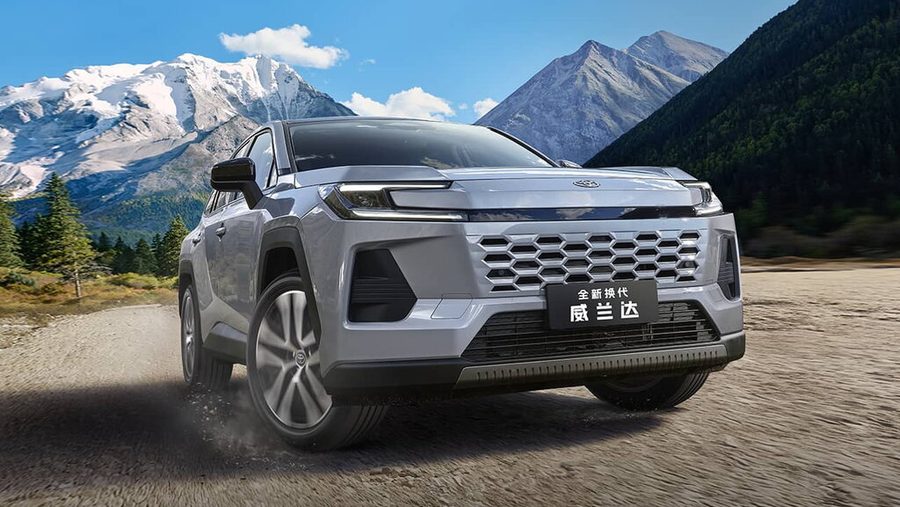
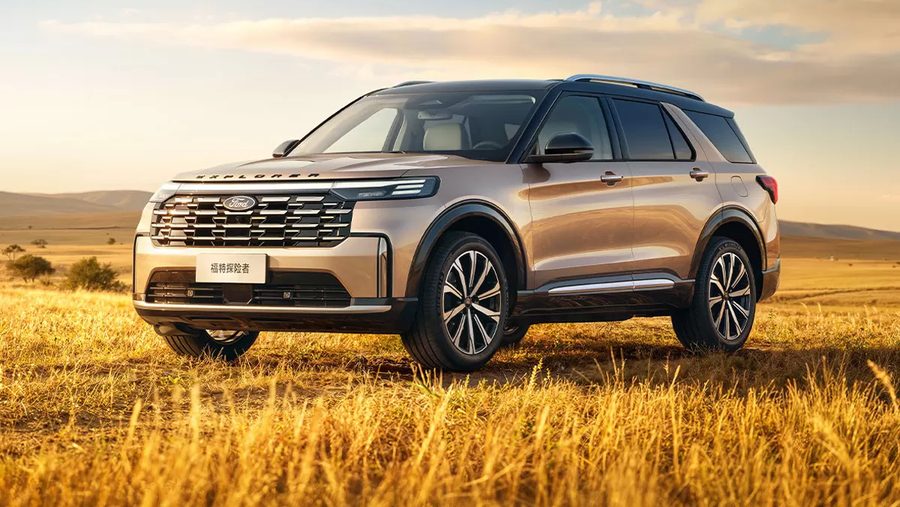
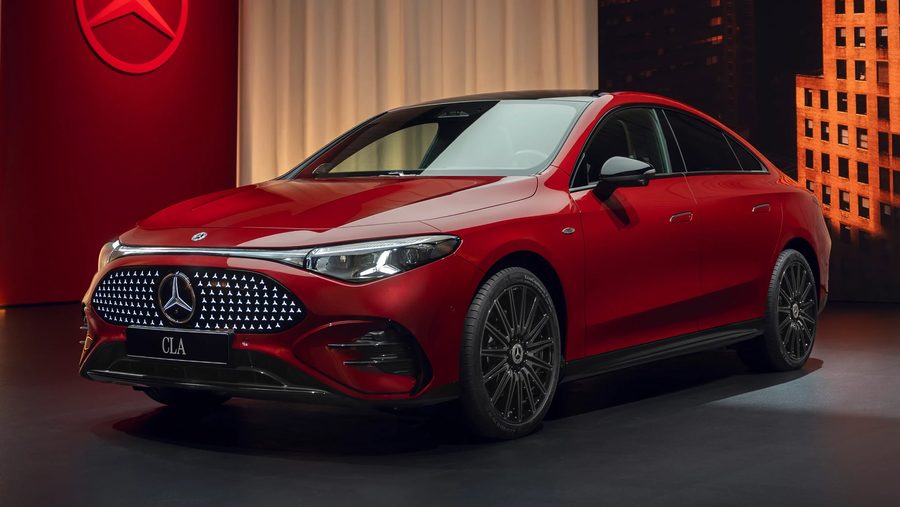
The Buick Electra L7 is a SAIC-GM car with no American counterpart. The Toyota Wildlander is the two-partner rule made visible: GAC Toyota sells it on the RAV4’s TNGA-K platform while FAW Toyota sells the RAV4 Rongfang, one car under two names through two dealer networks, because each venture needs its own product to sell. The Ford Explorer that Changan Ford builds at Hangzhou shares its platform with the American car but not its specification: China took the facelift first, and the engines are a 2.3-litre turbo four or a twin-turbo 3.5-litre V6. An Explorer was the millionth vehicle off that plant’s line in August 2025. The Mercedes-Benz CLA L carries the L for a stretched wheelbase, a change Beijing Benz makes because Chinese buyers in this class are more often in the back seat.
A badge that exists only inside the joint venture
Some ventures went further and created brands of their own. Those brands belong to the venture rather than to either parent, and that is a sharper distinction than it sounds: Volkswagen cannot sell a Jetta-branded car without FAW, and FAW cannot sell one without Volkswagen. Neither owns the badge. The company that does exists in one country, which is what makes these the hardest cases here to look up.
A badge that exists only inside the joint venture
Badges the venture invented for itself. Neither parent can sell one without the other, because the brand belongs to the company they jointly own rather than to either of them.
FAW Chinese half of FAW-Volkswagen, the venture that created the Jetta marque
JV-only badge · A badge that exists only inside the joint venture
Volkswagen German half, and the company that had used Jetta as a model name since 1979
JV-only badge · A badge that exists only inside the joint venture
 Jetta
Jetta A model name promoted to a brand in 2019. Built in Chengdu, exported to Iran, Russia and Uzbekistan
JV-only badge · A badge that exists only inside the joint venture
 Audi
Audi The rings themselves. Ring-badged cars for China come from the separate FAW-Audi venture
JV-only badge · A badge that exists only inside the joint venture
SAIC Shanghai state group, the second Chinese partner Audi took on, in 2021
JV-only badge · A badge that exists only inside the joint venture
 AUDI (SAIC)
 The letter badge without the rings. Electric cars on the ADP platform, sold only in China
JV-only badge · A badge that exists only inside the joint venture
SAIC Holds 50.1% of SAIC-GM-Wuling, founded 18 November 2002
JV-only badge · A badge that exists only inside the joint venture
 GM
GM Holds 44%, up from 34% in 2011. Guangxi Auto has the remaining 5.9%
JV-only badge · A badge that exists only inside the joint venture
 Wuling
 The biggest venture-owned brand. The Hongguang Mini EV has passed 1.7 million sales
JV-only badge · A badge that exists only inside the joint venture
 Baojun
 The second brand of the same venture, positioned above Wuling
JV-only badge · A badge that exists only inside the joint venture
 Chery
Chery Chinese half of Chery Jaguar Land Rover, the venture behind the revived Freelander marque
JV-only badge · A badge that exists only inside the joint venture
 Land Rover
 Licenses the nameplate it first used for a compact SUV in 1997
JV-only badge · A badge that exists only inside the joint venture
 Freelander
 A model name promoted to a brand, engineered and built in China at Changshu
JV-only badge · A badge that exists only inside the joint venture
Two different cars called Jetta are on sale in China and only one of them is a Volkswagen, because FAW-Volkswagen turned the name into a separate marque in 2019. Volkswagen had been using Jetta as a model name since 1979. The venture took it, gave it its own dealers, its own model names and a plant in Chengdu, and set it below the Volkswagen range. The Jetta M6 is a Jetta-brand car. The Volkswagen Jetta is a Volkswagen. The badge is the only place that distinction is written down. The brand is exported as well, to Iran, Russia and, from June 2026, Uzbekistan, which makes it a Chinese joint venture’s own brand sold in third countries.
The same move happened again in 2026, to a Land Rover name. Freelander badged a compact Land Rover SUV from 1997, and it now belongs to Chery Jaguar Land Rover, the venture Chery formed with Land Rover’s parent in 2012. Jaguar Land Rover licenses the name; the cars are developed and built in China at Changshu, with a CATL battery and Huawei’s driver-assistance system. The Freelander 8 is the first of them, a range-extender SUV on an 800-volt system. What the venture is replacing is the older arrangement: the Range Rover Evoque L it used to localise for China is being wound down as the Freelander line takes over the plant.
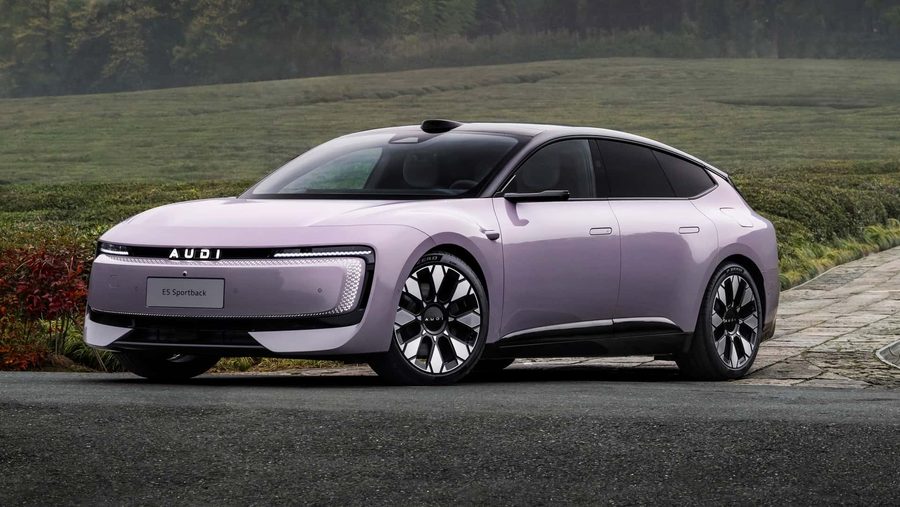
A badge reading AUDI in block capitals, with no four rings, belongs to a different company from the one building ring-badged Audis in the same country. AUDI (SAIC) is the 2021 venture between Audi and SAIC, building electric cars on the ADP platform, and the AUDI E5 Sportback is one of them. FAW-Audi carries on separately with the rings. One German parent, two Chinese partners, two badges: the two-venture rule again, this time visible in the typography.
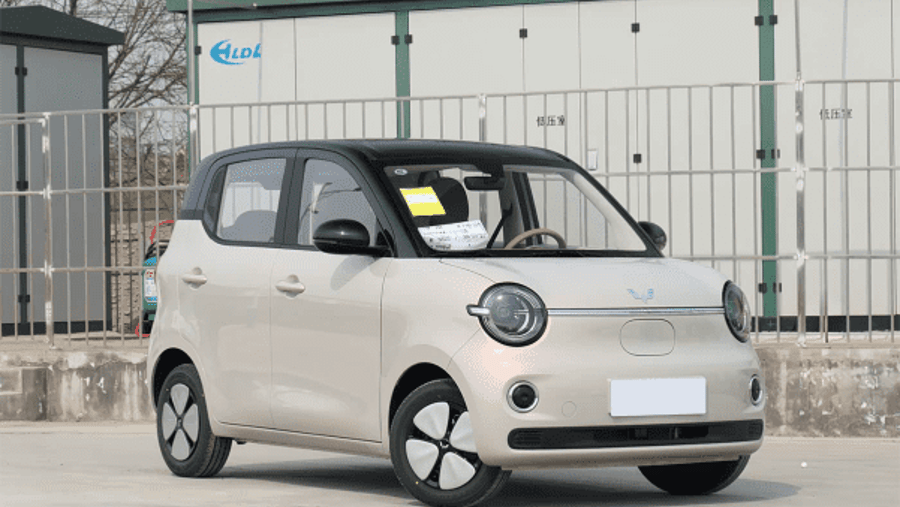
General Motors owns 44% of the company that builds the Wuling Hongguang Mini EV, a four-seat micro city car that has passed 1.7 million sales since its 2020 launch. Wuling is the biggest of these venture-owned brands, and SAIC-GM-Wuling, founded on 18 November 2002, is owned 50.1% by SAIC, 44% by GM and 5.9% by Guangxi Auto, GM having moved up from 34% in 2011. Baojun is the venture’s second brand, positioned above Wuling. Neither one appears in a GM showroom outside the markets the venture serves itself.
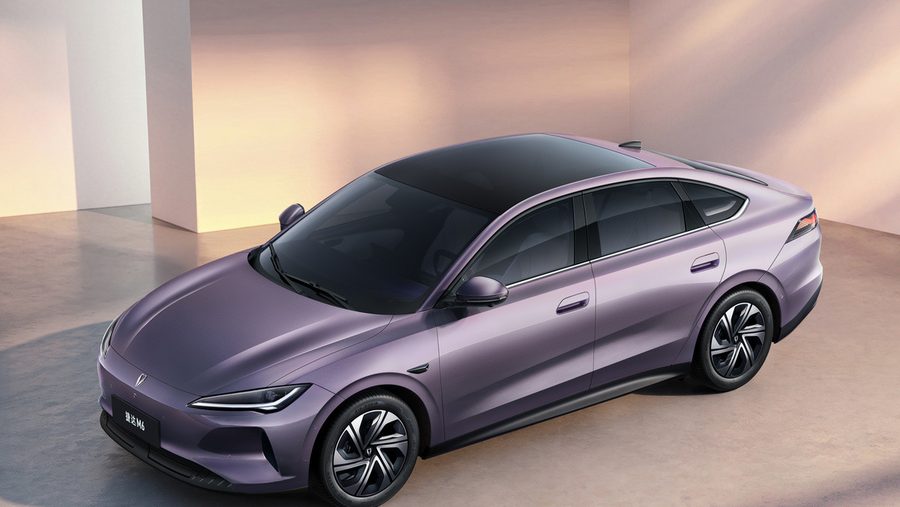
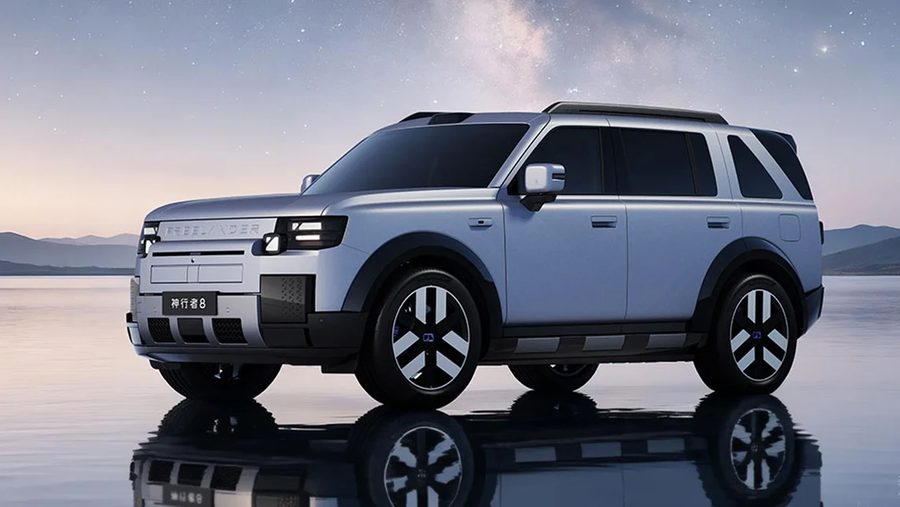
The fifty-fifty rule ended, and the splits moved
The cap that produced all of the above came off in stages, and went entirely for passenger cars in 2022. What happened next says something about which ventures the foreign parent actually wanted.
The fifty-fifty rule ended, and the splits moved
China dropped the foreign ownership cap on passenger cars in 2022. BMW and Volkswagen took majorities in ventures they already had. Tesla, which arrived under an earlier carve-out for electric cars, never took a partner at all.
 BMW
BMW 75% of BMW Brilliance from 11 February 2022, up from 50%
Foreign majority · The fifty-fifty rule ended, and the splits moved
 Brilliance
 Shenyang carmaker and BMW local partner, down to 25% from 40.5% at formation
Foreign majority · The fifty-fifty rule ended, and the splits moved
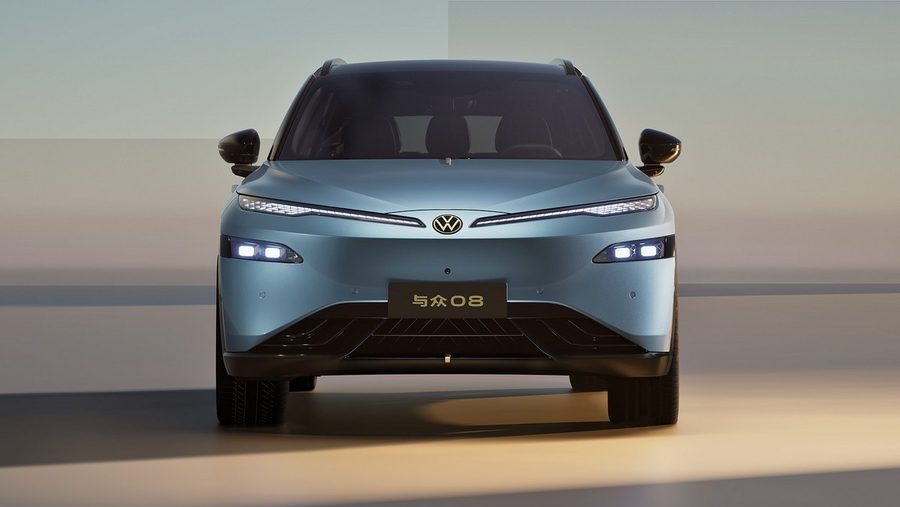
Volkswagen Took 75% of the former JAC Volkswagen in May 2020 and renamed it Volkswagen Anhui
Foreign majority · The fifty-fifty rule ended, and the splits moved
 JAC
JAC Hefei carmaker, which kept the remaining 25%
Foreign majority · The fifty-fifty rule ended, and the splits moved
 Tesla
Tesla No pill here because there is no partner. Shanghai is wholly foreign-owned and always has been
Foreign majority · The fifty-fifty rule ended, and the splits moved
Brilliance Auto, a Chinese carmaker based in Shenyang and BMW’s local partner, holds 25% of the company that builds BMWs in China, down from the 40.5% it held when the venture was formed. BMW took the majority as soon as one was available: announced in October 2018, completed on 11 February 2022. Volkswagen had reached the same place by a different route, taking 75% of what was then JAC Volkswagen in May 2020 and renaming it Volkswagen Anhui, with JAC keeping a quarter. The Volkswagen ID.UNYX 08 comes out of that majority-owned venture.
Tesla never had a Chinese partner, because of when it arrived rather than anything about the company. The first of those stages, in 2018, covered makers of electric cars only. Tesla signed for Shanghai that July and became the first foreign carmaker to build passenger cars in China outright, four years before the same freedom reached everyone else. Nothing about a Tesla built in Shanghai needs the explanation the rest of this page does: no second company, no partner brand, no China-only badge.
The direction reversed
The original logic of the joint venture was that the foreign company brought the engineering and the Chinese company brought the access. In several of the newer arrangements that has inverted, and the badge on the car is now the part being carried.
The direction reversed
Ventures where the Chinese side now supplies the platform, the software or the money, and the Western badge is the part being carried.
Mercedes-Benz Supplies the badge and the European retail network, not the engineering
Chinese technology · The direction reversed
 Geely
Geely Supplies the SEA platform every current smart is built on
Chinese technology · The direction reversed
 smart
smart A 50:50 venture since 2019, run from Ningbo, sold in European showrooms
Chinese technology · The direction reversed
 BYD
BYD Bought out the partner it started the brand with
Chinese technology · The direction reversed
 Denza
Denza A 50:50 venture with Daimler in 2010, wholly BYD since September 2024
Chinese technology · The direction reversed
 Stellantis
 Bought into a Chinese carmaker after winding up its own Chinese venture
Chinese technology · The direction reversed
 Leapmotor
 Stellantis holds about 19%, and 51% of the Leapmotor International export venture
Chinese technology · The direction reversed
Volkswagen Now licenses Chinese electrical architecture for its own cars
Chinese technology · The direction reversed
 Xpeng
Xpeng Volkswagen paid USD 700m for 4.99% in July 2023. Xpeng booked 1.72bn yuan in fees in the first half of 2025
Chinese technology · The direction reversed
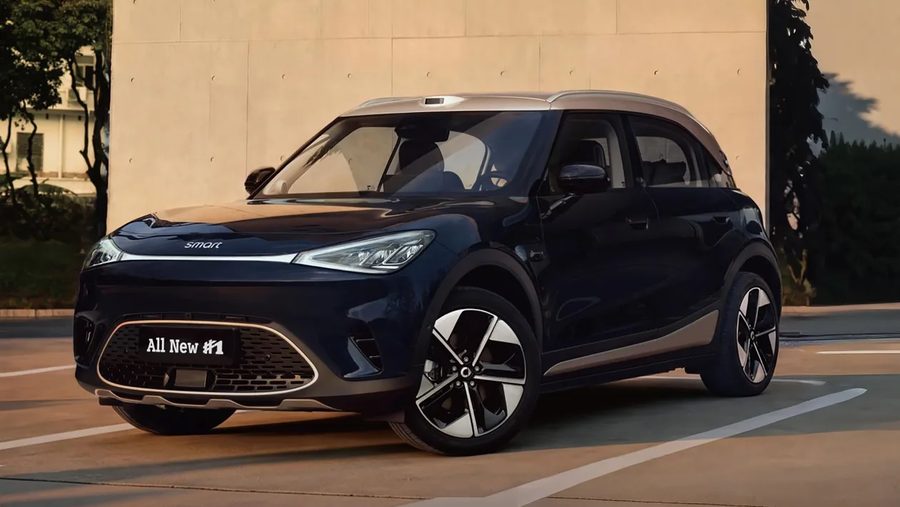
A smart sold in a German showroom is engineered in China on a Geely platform. smart has been owned half by Mercedes-Benz and half by Geely since the venture was formed in 2019, runs from an office in Ningbo, and builds its cars on Geely’s SEA architecture, the smart #1 among them. The badge and the European retail network come from Stuttgart and the engineering from Ningbo, which is the 1984 arrangement with the roles exchanged.
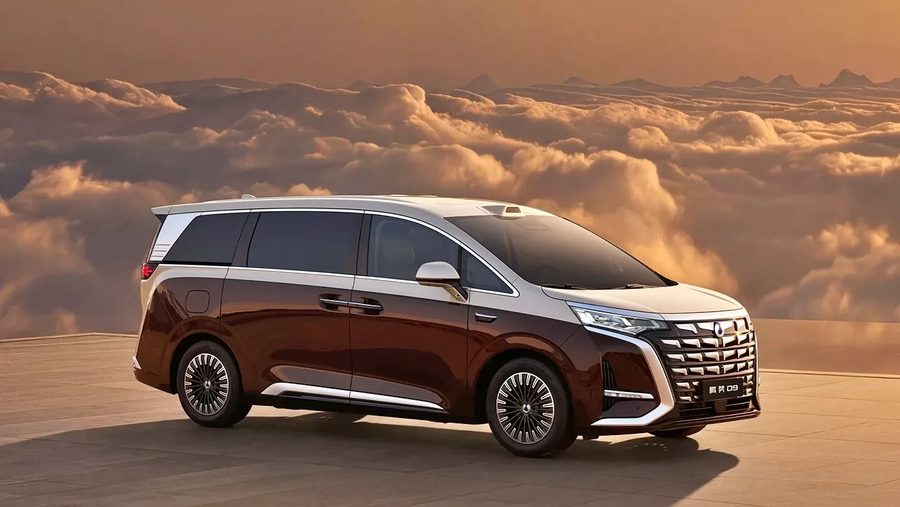
Denza is wholly owned by BYD today, after fourteen years in which it was not. It began in 2010 as an equal venture with Daimler, Mercedes-Benz cut back to 10% in December 2021, and the last 10% passed to BYD in September 2024. The Denza D9 carries a badge that was half German for eleven years.
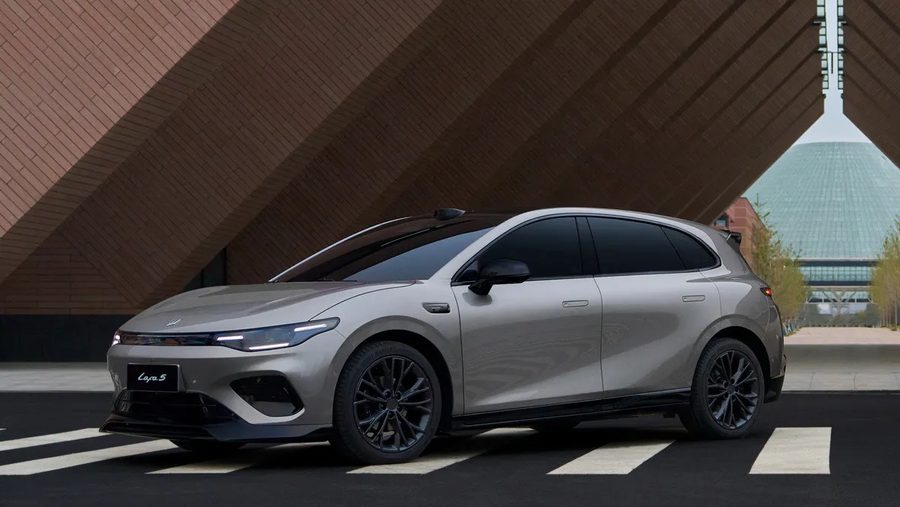
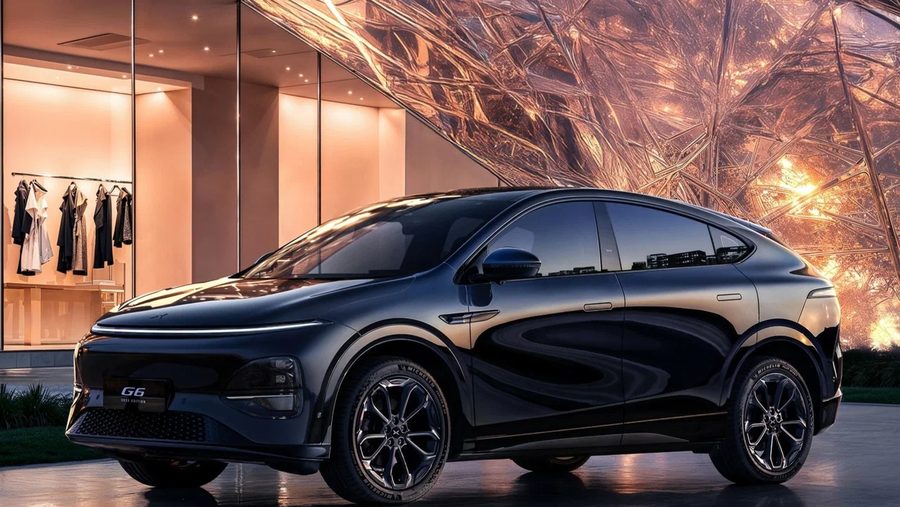
Money has moved the same way. Stellantis paid 1.5 billion euros for 20% of Leapmotor in October 2023, was diluted to 18.99% when FAW invested in December 2025, and holds 51% of Leapmotor International, the venture that sells cars like the Leapmotor B05 through Stellantis dealers outside China. Volkswagen paid 700 million dollars for 4.99% of Xpeng on 26 July 2023, and by August 2025 had extended its licensing of Xpeng’s electrical architecture to its own combustion and plug-in hybrid platforms in China. Xpeng booked 1.72 billion yuan (~$256 million) in licensing fees from Volkswagen in the first half of 2025 alone. The Xpeng G6 is one of the cars that architecture came from.
The joint ventures that shrank or ended
The joint ventures that shrank or ended
The badge still appears in China, but the company behind it is smaller than it was, or gone and replaced by imports.
 Jeep
Jeep Sold in China as an import since the venture closed
Wound down · The joint ventures that shrank or ended
GAC GAC Fiat Chrysler, terminated by Stellantis in July 2022 and bankrupt later that year
Wound down · The joint ventures that shrank or ended
 Hyundai
 About 210,000 cars in 2025, after selling plants along the way
Wound down · The joint ventures that shrank or ended
BAIC Beijing Hyundai, still an even split
Wound down · The joint ventures that shrank or ended
 Kia
Kia About 254,000 cars in 2025
Wound down · The joint ventures that shrank or ended
Yancheng group. Yueda Kia became an even split when Dongfeng withdrew in late 2021
Wound down · The joint ventures that shrank or ended
 Mitsubishi
 Sold its 50% for one yuan in September 2023 and stopped building cars in China
Wound down · The joint ventures that shrank or ended
GAC Kept the plant, which now builds Aion electric cars
Wound down · The joint ventures that shrank or ended
 Suzuki
 Handed over its 50% for one yuan in 2018 and left China
Wound down · The joint ventures that shrank or ended
Changan Carried on building Suzuki-badged cars under licence
Wound down · The joint ventures that shrank or ended
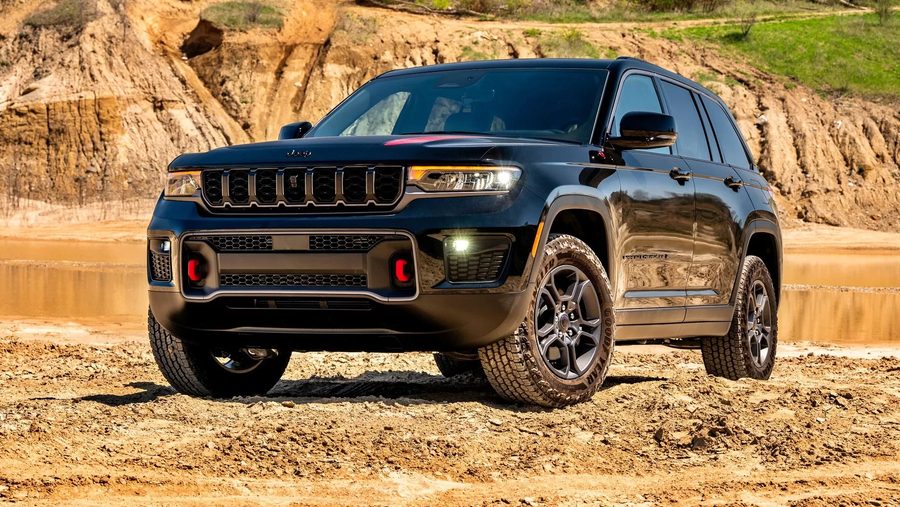
The first joint venture in China was signed to build Jeeps, and Jeep is now a brand China imports. Forty years after American Motors and Beijing Automotive, Stellantis moved in January 2022 to raise its stake in the GAC Fiat Chrysler venture to 75%, GAC responded that no agreement had been signed, and Stellantis terminated the partnership that July. It filed for bankruptcy later in the year. The Jeep Grand Cherokee sold in China now arrives from abroad.
Mitsubishi sold its half of GAC Mitsubishi for one yuan in September 2023 and stopped building cars in China the following month, leaving GAC the plant that now makes Aion EVs. Suzuki had gone earlier, handing its 50% of Changan Suzuki to Changan for one yuan in 2018, after which Changan carried on building Suzuki-badged cars under licence.
Hyundai and Kia are still building in China on a reduced footprint. Beijing Hyundai, the 50:50 venture with BAIC, sold about 210,000 cars in 2025, up 14.8% on the year, having sold off plants along the way. Yueda Kia has been an even split since Dongfeng withdrew in late 2021 and sold about 254,000, up 2.3%. Both ventures grew in 2025 from a base well below what they once handled.
None of this makes the badge dishonest. Beijing Benz builds Mercedes-Benz cars and BMW Brilliance builds BMWs, to those companies’ specifications. What the joint venture changes is who else had a say in the car, and whether it exists anywhere but China.
Where that leaves the map
The rule that produced all of the above is gone. Every venture signed since 2022 was signed because both sides wanted it, and the recent ones point the opposite way from the old ones: Stellantis selling Leapmotor cars through its European dealers, Volkswagen paying to license Xpeng’s electrical architecture into Volkswagen models, Mercedes-Benz putting its badge on a car engineered in Ningbo. The 1983 arrangement bought market access with engineering. The 2020s version buys engineering with market access.
That is a looser bond than a law, and it comes apart faster. Five of the ventures on this page have already shrunk or closed, and the ones being formed now carry no requirement that either side stay. What will not change quickly is the part the rule already built: the plants, the dealer networks and the China-only badges that outlived the regulation that produced them. Jetta and Wuling belong to companies that exist for one market, and nothing about lifting the cap gives either parent a way to take them home.
The same question, sorted by owner
The regional ownership maps take the other cut, listing brands by the group that owns them: China, Europe, the United States and Japan. The other pieces in this series cover badges whose nationality does not match their owner, in Europe and among China’s export brands.
Frequently asked questions
Is Jetta a Volkswagen?
Who owns smart now?
Does Mercedes still own Denza?
Is Freelander a Land Rover?
What is AUDI without the rings?
Which car brands in China are joint ventures?
Does BMW own BMW Brilliance?
Does Tesla have a Chinese joint venture partner?
Who owns Wuling and Baojun?
Does Stellantis own Leapmotor?
Why did Jeep stop being made in China?
More explainers
Huawei owns none of its HIMA brands, and Changan became a central state enterprise in its own right in July 2025.

A mild hybrid never moves on electricity, a full hybrid manages a kilometre or two, a plug-in 40 to 100 km.
Makers quote 10-80%, 10-70%, 30-80% or km added. The figures side by side, with independent tests beside them.
Updated 14 Aug 2026