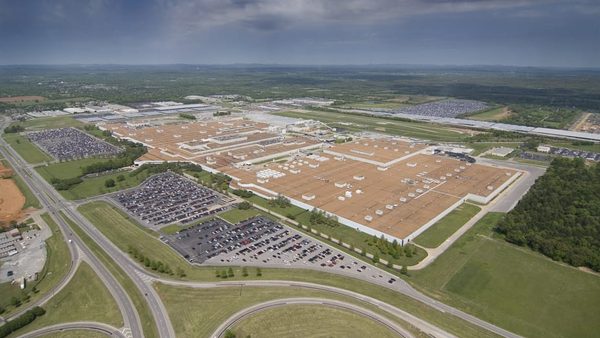
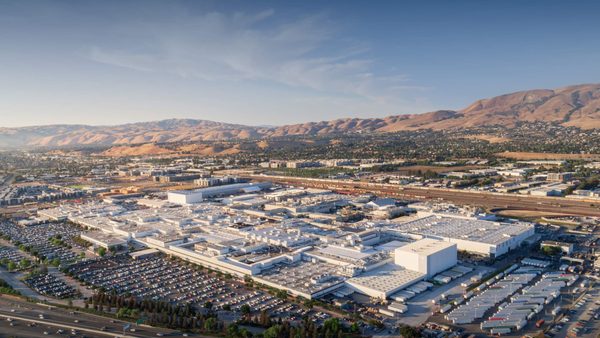
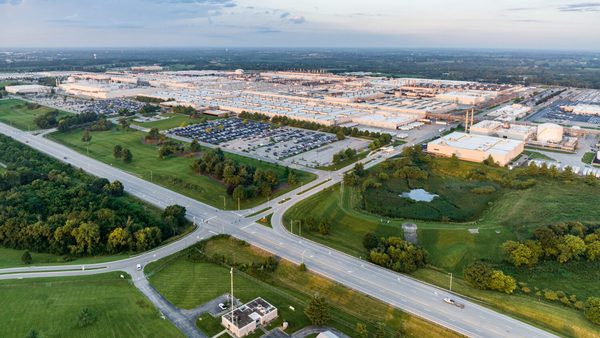
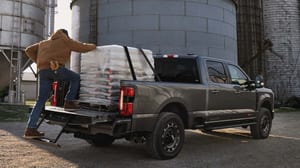
This page collects news about the American car industry: model launches, plants, regulation and ownership. The best-selling vehicle in the country has been a pickup every year since 1981, and nearly always the same one, the Ford F-Series. Light trucks, meaning pickups, SUVs and vans in the regulatory sense, take about four fifths of new sales, and the lineups have narrowed to match: several makers stopped building sedans for the market altogether. The United States assembles roughly 10 million light vehicles a year, and Michigan is no longer where most of that happens. Assembly moved south from the 1980s onwards, to states with lower labour costs and free land, and the plants there are not mainly Detroit’s. BMW’s site at Spartanburg, South Carolina is the largest vehicle exporter by value in the country. Since 2021 the additions have been cell plants rather than assembly lines, in Tennessee, Kentucky, Georgia and Ohio, most of them joint ventures between an American carmaker and a Korean battery supplier.
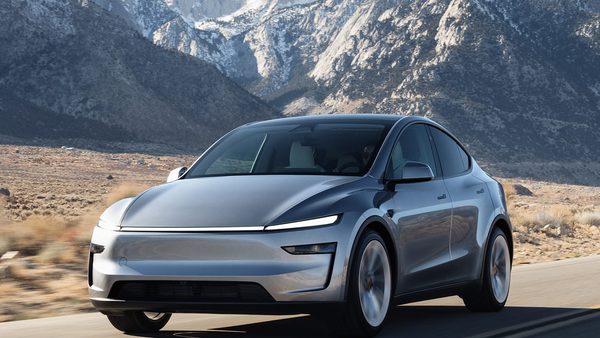
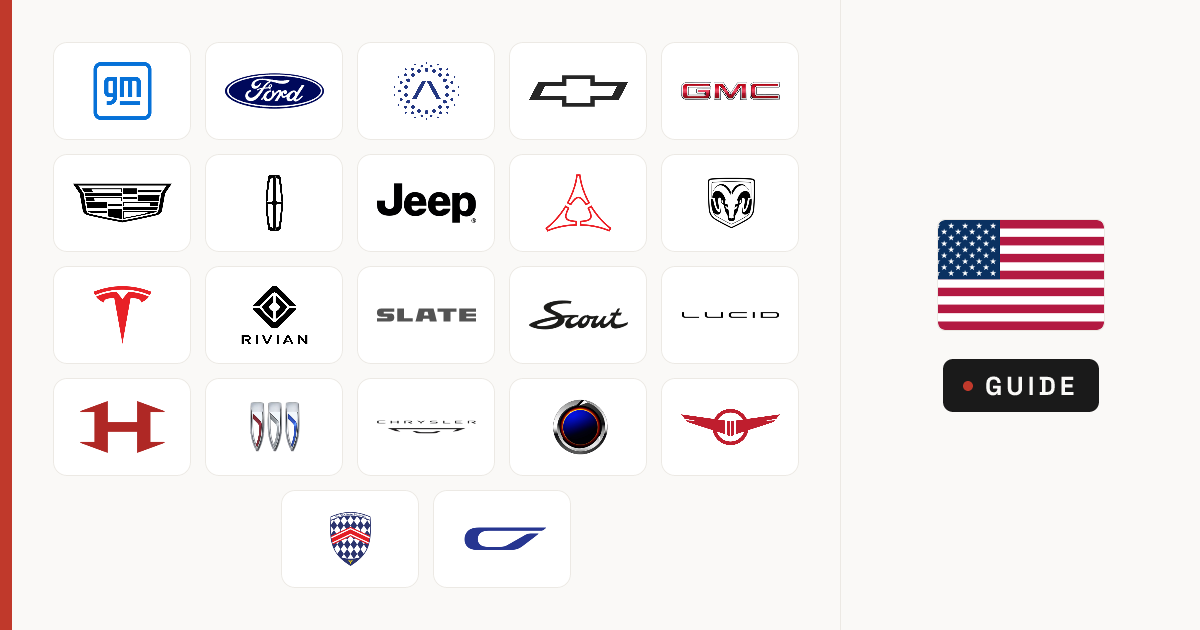
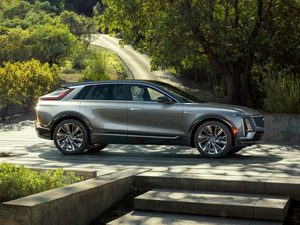
Ownership rarely follows the badge. Ford, still partly controlled by its founding family, and GM, which runs Chevrolet, GMC, Buick and Cadillac, are the American-owned half of the old trio; Jeep, Ram, Dodge and Chrysler are held by Stellantis from the Netherlands. The clearly American-owned newcomers are electric ones: Tesla, the truck and SUV maker Rivian, and the budget pickup startup Slate. The traffic goes the other way as well, with Scout, a 1960s nameplate revived for 2026, building in South Carolina for Volkswagen Group, and Lucid building in Arizona with Saudi Arabia’s Public Investment Fund holding roughly 57% of the company. Who owns what is set out in America’s car brands, explained.