Norway’s EV share reached 98.7% of new-car registrations in August 2026, and 95.9% across the whole of 2025: 172,233 of the 179,550 new passenger cars registered that year.
Norway got there without paying anyone to buy an electric car: it taxes petrol and diesel cars heavily, exempts electric cars from most of that tax, and lets the price difference do the rest. The electric version of a model usually costs less in a Norwegian showroom than the petrol version of the same model.
What a petrol car pays in Norway that an electric car does not
A new petrol or diesel car in Norway pays two taxes. The engangsavgift is a registration tax charged once, when the car is first put on the road, and it has two parts: an amount per kilogram the car weighs, and an amount per gram of CO2 it emits on the official test. On top of that comes VAT at 25%.
An electric car emits no CO2 on that test, so the emissions charge has never applied to it. The weight charge did not apply either until 2023, when the government extended it to electric cars. VAT was zero on electric cars from 2001 until the end of 2022.
Norway had been taxing new cars heavily for decades before the first electric ones went on sale, and that is what made an exemption worth having. On a car priced at NOK 400,000 ($42,100), dropping VAT alone takes NOK 100,000 ($10,500) off the invoice, and the registration tax comes off on top of that. The same exemption in a country with small car taxes would be worth a few hundred dollars and would change nobody’s mind.
The government collects less tax rather than writing a cheque, so none of this counts as spending. The VAT exemption alone accounts for around NOK 17.5 billion ($1.8 billion) a year that the state does not receive. Because that sum never appeared in the budget as a spending line, no minister had to defend it and renew it each year, and the policy ran for three decades.
The benefits electric cars picked up between 1990 and 2015
The two tax exemptions arrived as part of a longer list. Norwegian governments added one advantage at a time over twenty-five years:
- 1990: exemption from the import and purchase tax, made permanent in 1996
- 1997: free passage on toll roads
- 1999: free municipal parking
- 2000: company-car tax cut by half
- 2001: VAT set to zero
- 2003: access to bus lanes in the Oslo region, extended nationwide in 2005
- 2009: free travel on road ferries
- 2015: the VAT exemption extended to leasing
By 2015 a Norwegian could buy an electric car untaxed, park it free in town, drive it in the bus lane, cross a toll ring without paying and take it on a ferry at no charge.
The government also set a date. Its National Transport Plan for 2018 to 2029 said that every new passenger car and light van sold from 2025 should be zero-emission. Norway banned nothing to reach that target.
Tesla and Nissan built their Norwegian sales on the exemption
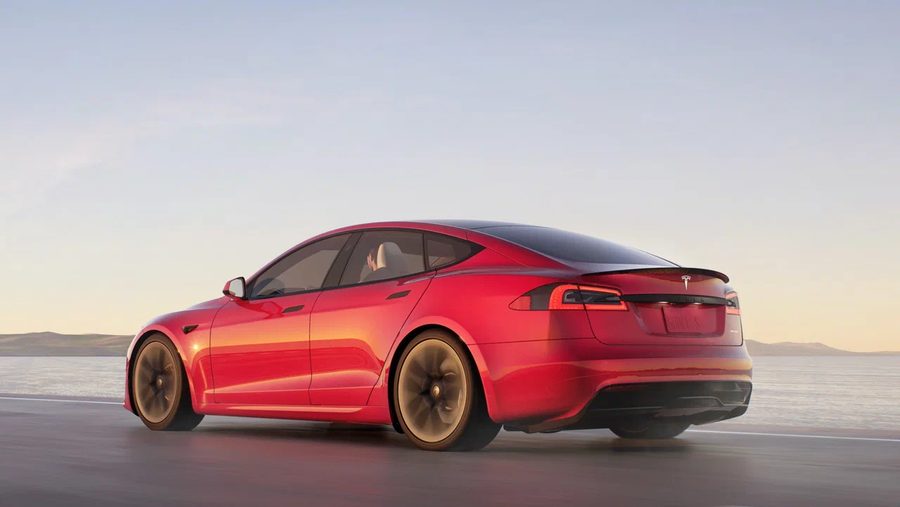
Tesla sold 616 Model S in Norway in September 2013, which made it the best-selling car of the month on 5.1% of all registrations. No battery-electric car had led a country’s monthly sales chart anywhere before. The first Model S delivered in Europe had gone to a customer in Oslo five weeks earlier, on 7 August.
An exemption from a 25% tax saves more money on an expensive car than on a cheap one, so it was worth most on exactly what Tesla was selling. The Model 3 went on to be Norway’s best-selling car of 2019 and 2021.
The Nissan Leaf was the ordinary family electric car in Norway for most of a decade, cheap where the Teslas were expensive, and it held the country’s all-time electric sales record until the Model Y passed it.

Volkswagen, BMW, Audi and Toyota switched their Norwegian ranges to electric
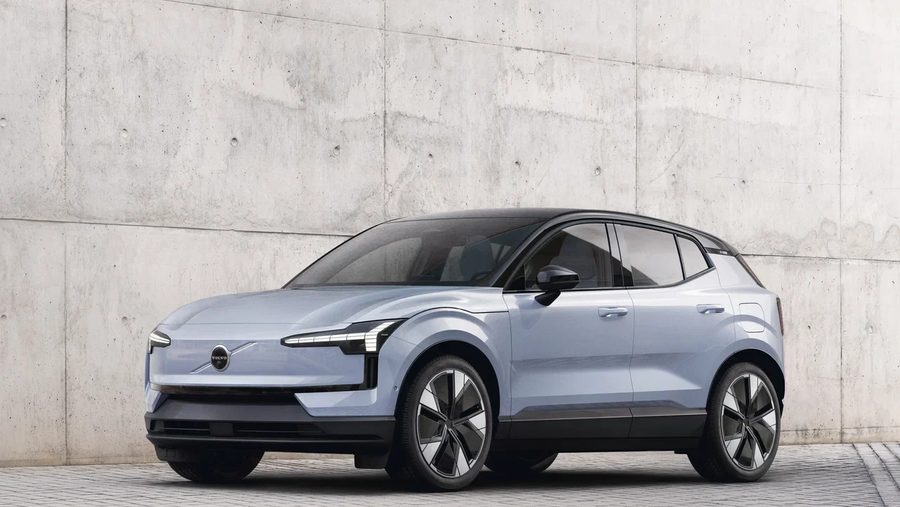
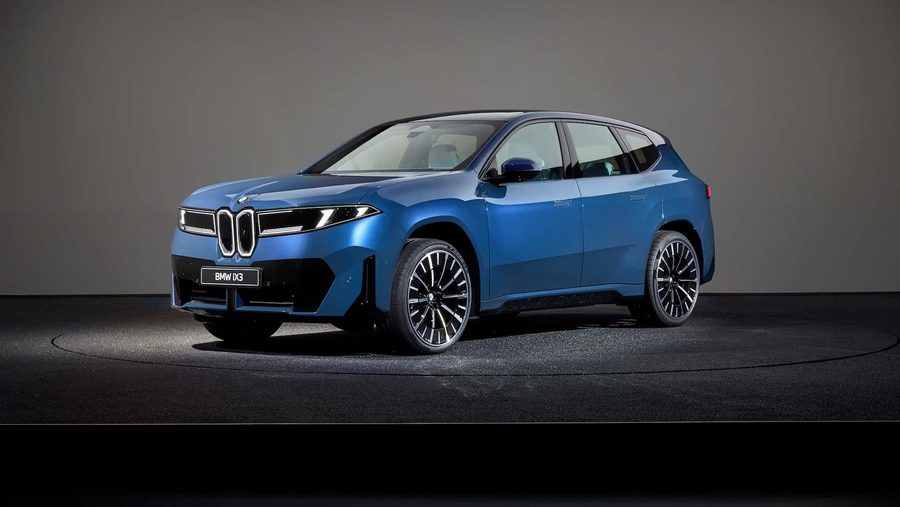
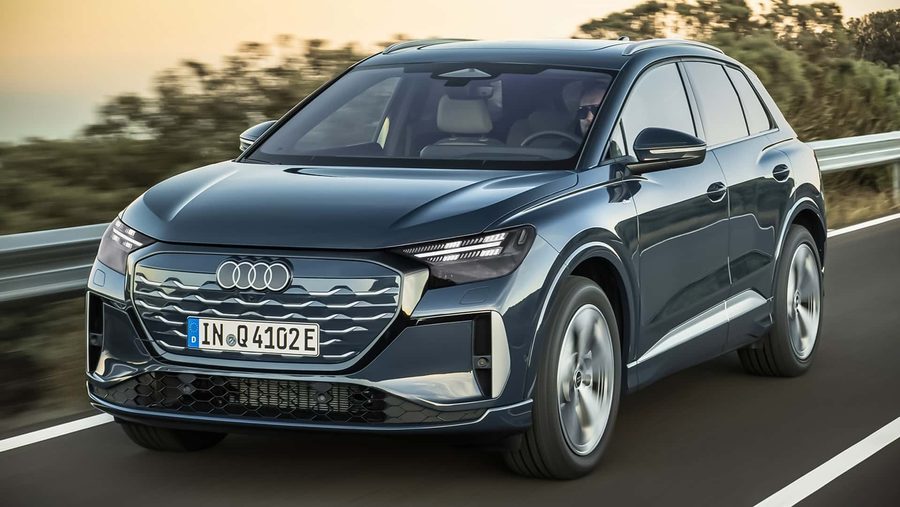
Volkswagen, Toyota, Volvo, BMW and Audi were all selling well in Norway before any of this, and the tax worked against them: the cars in their showrooms carried a charge their electric competitors did not pay.
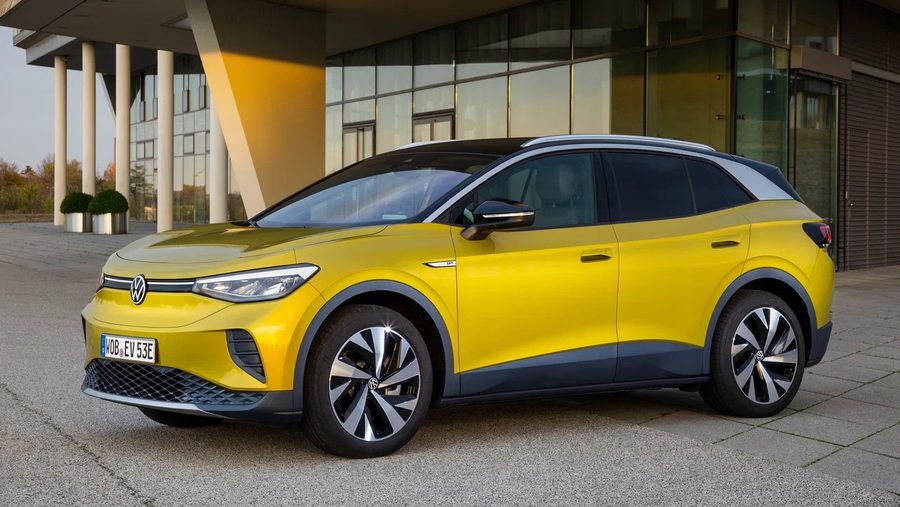
Volkswagen had relied on the Golf in Norway for decades, and the Golf was still the country’s best-selling car in 2016 on 13,149 registrations. It sold the e-Golf to the same buyers, then the ID cars. BMW’s i3 sold well in Norway years before the brand sold many electric cars anywhere else: it was the eighth best-selling car of 2016 on 3,953 registrations, ahead of the Skoda Octavia on 3,795. Audi’s e-tron was the best-selling car in the country outright in 2020.
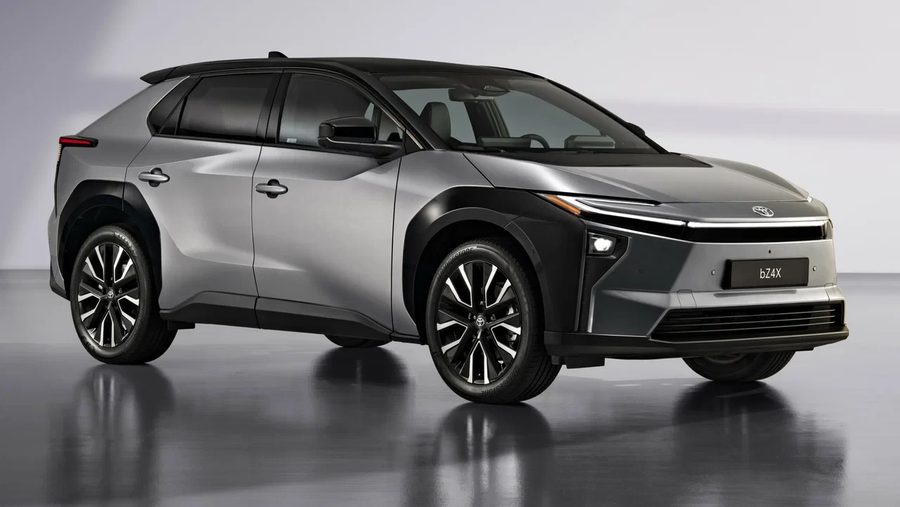
Toyota waited longest, because its hybrids competed well on running costs and it had no volume electric car to sell. A hybrid still emits CO2 on the official test and still pays the emissions charge, and the bZ4X and the Urban Cruiser are what closed that gap.




BYD and Xpeng entered Europe through Norway
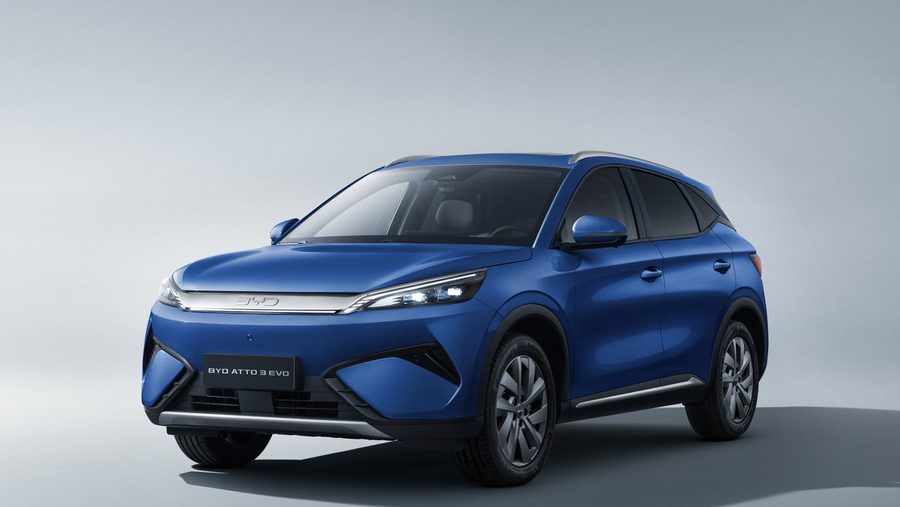
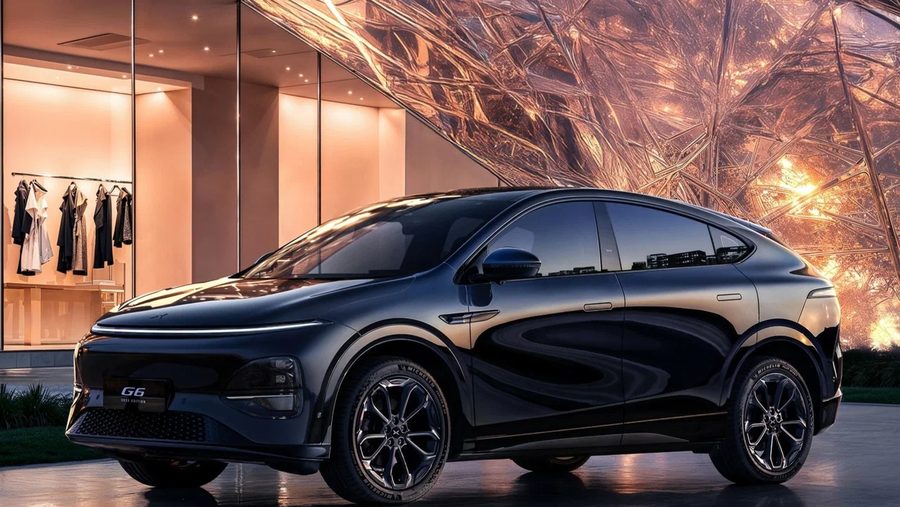
BYD brought the Tang to Norway in 2020, its first European market for passenger cars. Xpeng handed over 100 G3s to Norwegian customers in December 2020, its first export sales anywhere. Nio opened its first market outside China here in 2021.
A country of five million was worth entering first because of what the taxes did to the competition. Everywhere else in Europe, an unknown Chinese brand had to persuade buyers to pay more for an electric car than for a comparable petrol one. In Norway the petrol car was the expensive one, so the comparison these brands had to win was against other electric cars.


Plug-in hybrids lost their tax break and left the market
Plug-in hybrids never received the VAT exemption. From 2013 they got a deduction on the weight part of the registration tax, which mattered to a car heavy enough to carry an engine and a battery.
That was worth enough to put one at the top of the market. The Mitsubishi Outlander PHEV was Norway’s best-selling plug-in model of 2016 on 5,136 cars, and counting its petrol versions the Outlander was the country’s second best-selling car that year on 5,687, behind the Golf.
The deduction has since been narrowed, and plug-in hybrids now account for well under 1% of new registrations, a fall that followed the tax change rather than any change in the cars.
Norway’s EV share, year by year
| Year | Battery-electric share of new cars |
|---|---|
| 2020 | 54.3% |
| 2021 | 64.5% |
| 2022 | 79.3% |
| 2023 | 82.4% |
| 2024 | 88.9% |
| 2025 | 95.9% |
Figures from OFV, the Norwegian Road Information Authority, which publishes the country’s registration statistics. The share rose in every one of those years, including the ones after 2023 in which the benefits were being cut back, which is the strongest argument the government has for cutting the rest of them.
How the benefits are being withdrawn, 2017 to 2028
The withdrawal has been running for a decade, one measure at a time:
- 2017: free municipal parking ended nationally, with municipalities left free to reinstate it
- 2019: toll-free passage ended, and electric cars began paying up to 50% of the rate a petrol car pays
- 2021: the annual motor-insurance tax returned at a reduced rate, then at the full rate in 2022
- 2023: the weight charge was extended to electric cars, the toll ceiling rose to 70%, and the VAT exemption was limited to the first NOK 500,000 ($52,600) of the price
- 2026: the VAT ceiling drops to NOK 300,000 ($31,600)
- 2027: it drops to NOK 150,000 ($15,800)
- 2028: the VAT exemption ends
Finance minister Jens Stoltenberg gave the reasoning when he presented the 2026 budget: “We have had the goal that all new passenger cars will be electric by 2025, and with an electric car share of 95% this year, we can say that the goal has been achieved in practice. Therefore, the time is ripe to phase out the benefits.”
The same budget raises the registration tax on petrol and diesel cars by NOK 20,000 to 30,000 ($2,100 to $3,200). The government is charging more on the petrol car as it waives less on the electric one, which leaves the gap between the two prices roughly where it was, and it expects the EV share to stay well above 90% on that basis.
Most cars on Norwegian roads still run on petrol or diesel
Electric cars passed diesel cars in Norway’s national fleet in 2025, and reaching that point took fifteen years of the measures above. Even so, about two in three cars on the road still run on petrol or diesel.
A tax on new cars only reaches people who are buying a new car. Norway now sells almost nothing else, so the emissions still coming off its roads belong to cars sold years ago, and the new-car market cannot make those leave any faster than they already are.
What an electric car in Norway pays now
This is where the measures stand for someone buying a car today.
| Measure | What an electric car pays now | What happened to the benefit |
|---|---|---|
| Registration tax, CO2 charge | Nothing | Untouched |
| Registration tax, weight charge | The full amount | Removed in 2023 |
| VAT | Zero-rated below NOK 300,000 ($31,600) | Capped in 2023, ends in 2028 |
| Road tolls | Up to 70% of the petrol rate | Narrowed in 2019, again in 2023 |
| Annual motor-insurance tax | The full rate | Removed in stages, gone since 2022 |
| Municipal parking | Whatever the municipality charges | Ended nationally in 2017 |
Everything a Norwegian driver notices day to day has already been withdrawn. Two charges still separate an electric car from a petrol one at the point of purchase: the CO2 component, which no budget has touched, and the VAT exemption, which runs out in 2028.
Frequently asked questions
Why are so many new cars in Norway electric?
Does Norway pay a subsidy for electric cars?
Is Norway ending its electric car tax breaks?
Do electric cars pay road tolls in Norway?
What was Norway's 2025 electric car target?
What is Norway's EV market share by year?
Which car brands benefited most from Norway's EV policy?
Why did plug-in hybrids disappear in Norway?
Can other countries copy Norway's approach?
More explainers

Mitsubishi sold its half of GAC Mitsubishi for one yuan in 2023, and that plant now builds Aion EVs.

A mild hybrid never moves on electricity, a full hybrid manages a kilometre or two, a plug-in 40 to 100 km.
Huawei owns none of its HIMA brands, and Changan became a central state enterprise in its own right in July 2025.
Updated 5 Sep 2026