Petrol and diesel differ in how the fuel is lit, and everything else follows from that. A petrol engine compresses a mixture of fuel and air, then ignites it with a spark. A diesel compresses air alone until it is hot enough to set fire to fuel sprayed into it. Higher compression means more work per cycle and torque low in the rev range, which is why diesels pull and petrol engines rev.
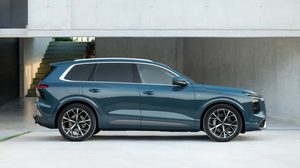
The split shows up in what each gets fitted to. The Skoda Octavia sells a 2.0-litre diesel in 115, 150 and 200 hp forms to people covering motorway distance, and a 265 hp petrol vRS to people who are not. Towing keeps the same allegiance: the Volkswagen Touareg offers its 3.0 V6 TDI at 231 or 286 hp. A body-on-frame vehicle like the Toyota Land Cruiser FJ, a naturally aspirated 2.7-litre petrol with a part-time transfer case, stays with combustion for a reason that has nothing to do with either fuel: a jerrycan can be carried across a desert, and a charge cannot.