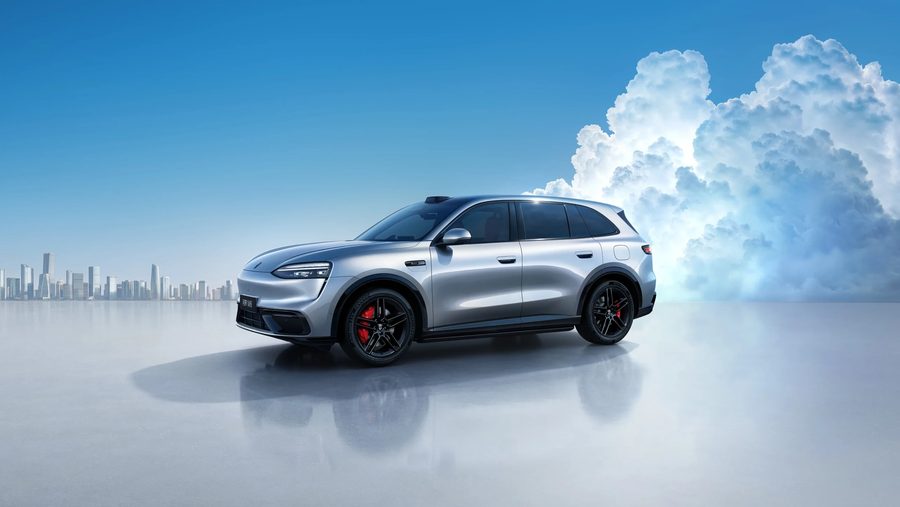
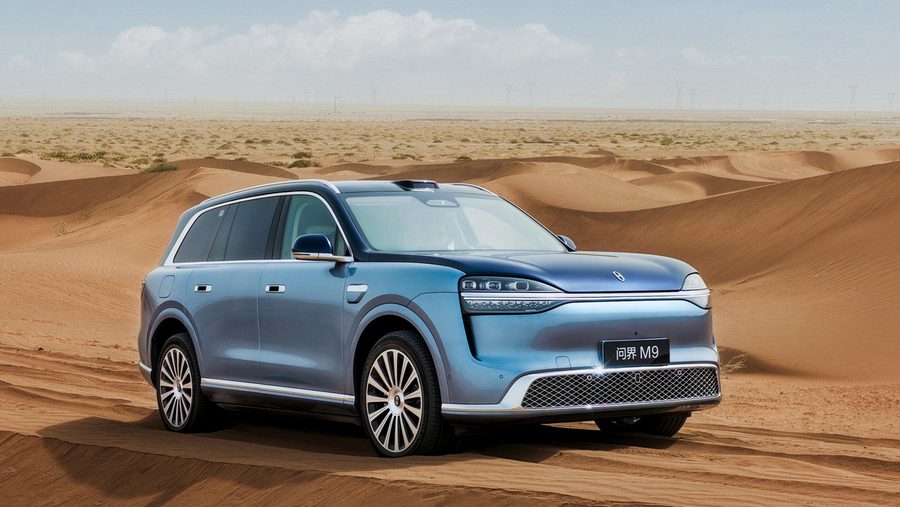
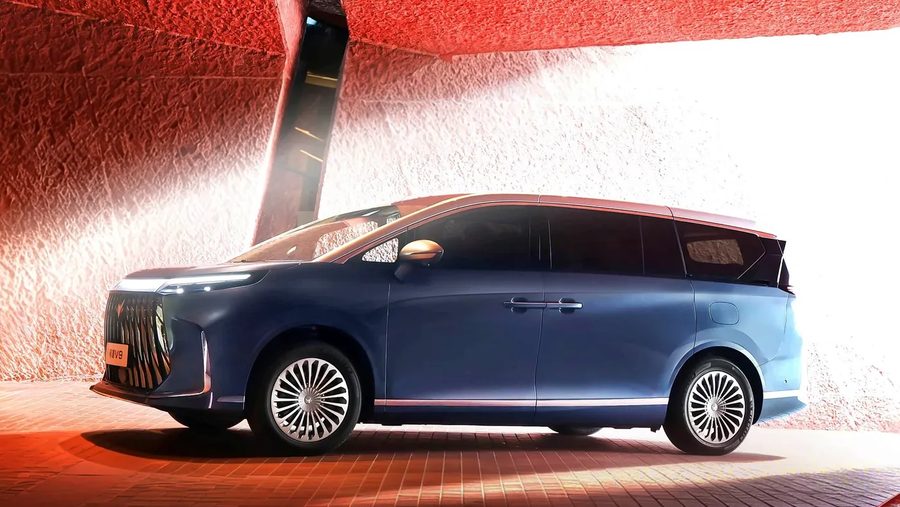
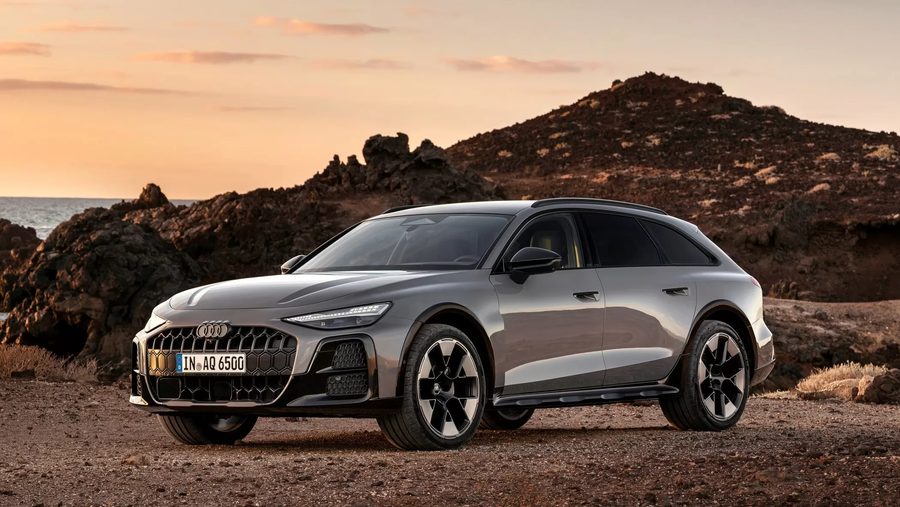
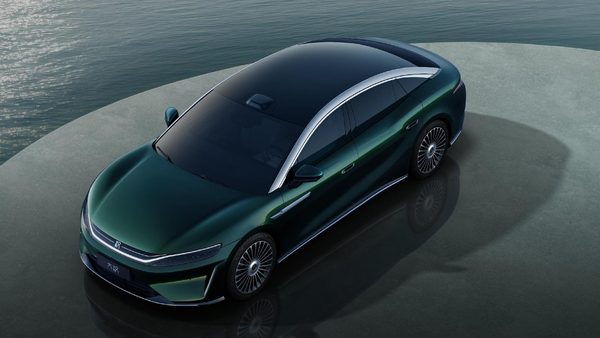
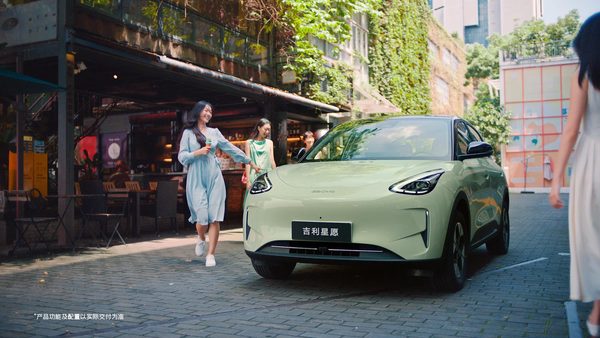
Four systems share the word. What separates them is how much of the driving the electric side is allowed to do.
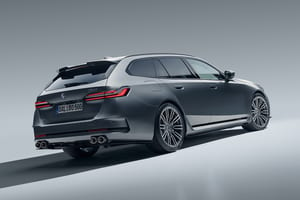
- MHEV, mild hybrid. A 48-volt motor-generator assists the engine and cannot move the car by itself. On the Ford Puma it replaces the alternator, recovers energy under braking and fills the torque gap at low revs.
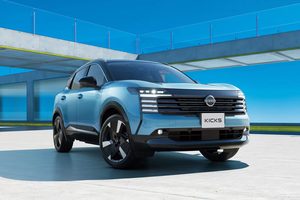
- HEV, full hybrid. A larger motor and battery that can drive the car alone at low speed. Charging comes from the engine and from braking, never from a socket: the Honda Prelude has no charge port.
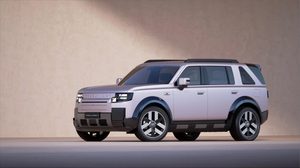
- PHEV, plug-in hybrid. A full hybrid with a bigger battery and a plug. The MG HS holds 24.7 kWh, good for 121 km before the engine is needed.
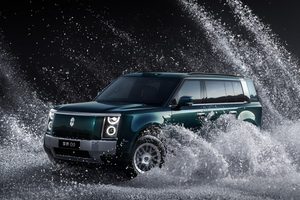
- EREV, extended-range electric. Motors drive the wheels, the engine only makes electricity. The Li L9 pairs a 72.7 kWh battery and 420 km of electric range with a 1.5-litre turbo that is never connected to the road.
That order is also the order of battery size, purchase price and dependence on the owner. A mild hybrid asks for nothing and quietly returns its few per cent. A plug-in hybrid that nobody plugs in is a heavy petrol car carrying a dead battery, and its official consumption figure stops describing anything real. Chinese manufacturers have pushed the extended-range format hardest, on the argument that a big battery with a small generator behind it fits a country where urban charging is dense and the gaps between cities are long.