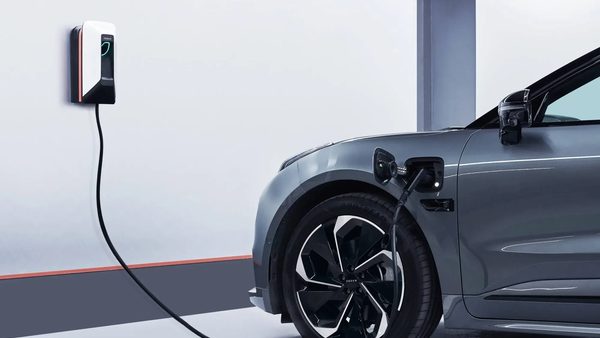
Take out the engine, the gearbox, the fuel tank and the exhaust. Lay a flat battery between the axles, put a motor on one axle or both, and that is the entire architecture. Fewer moving parts than any car sold with a crankshaft. What the simplicity does not remove is a set of decisions, and every one of them is about the battery.
Two chemistries cover most of the market. Lithium iron phosphate is cheaper, tolerates being charged to 100% daily and gives up energy per kilogram in exchange; the BYD Seagull carries 30.08 kWh of it for 305 km on the CLTC cycle. Nickel-manganese-cobalt packs hold more in the same weight and cost more to build, so they go in cars sold on range. Voltage is the second divide. Most EVs run a 400V system, while an 800V car such as the Porsche Taycan peaks at 320 kW on a suitable charger and spends less of the journey stationary.
Range figures need reading twice. WLTP, CLTC and EPA are three different tests run at different speeds and temperatures, and a CLTC number will always flatter a car against a WLTP one. The Volkswagen ID.3 quotes 388 km on its 52 kWh pack and 604 km on its 79 kWh pack, both WLTP, which is the only way those two figures can be compared at all.