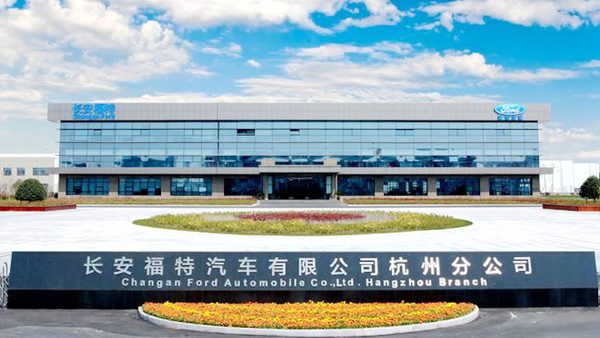
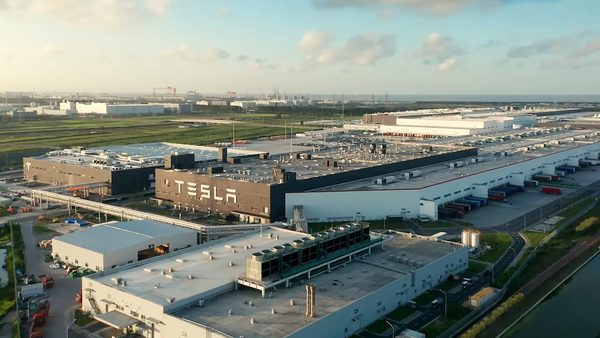
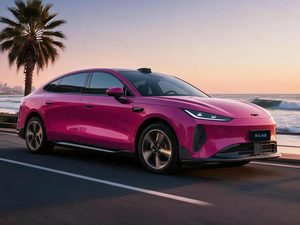
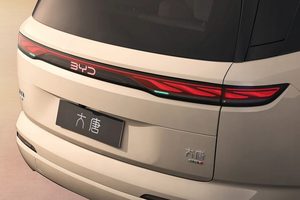
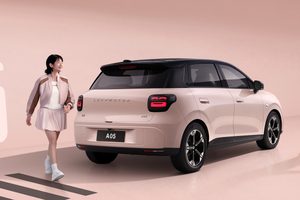
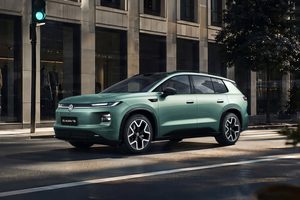
This page collects news about the Chinese car industry: model launches, plants, exports and ownership. Start with the size of it. About 31 million vehicles were sold in China in 2024 and almost all of them were built there, in regions that have each specialised: Shanghai and Hefei around electric assembly, Shenzhen around BYD and the electronics supply base it grew out of, Changchun and Chongqing around the older state groups. What reordered the industry, though, was the supply chain rather than the cars. China refines most of the world’s battery-grade lithium and graphite, and CATL alone accounts for more than a third of the electric-car batteries fitted anywhere. Product cycles run off that base: a new model can go from sign-off to showroom in around 18 months, roughly half what the same job takes in Europe, and the domestic price war that opened in 2023 has kept the pace there. Two dates mark the result. China passed Japan as the world’s largest vehicle exporter in 2023, and new energy vehicles took more than half of monthly retail sales for the first time in July 2024.
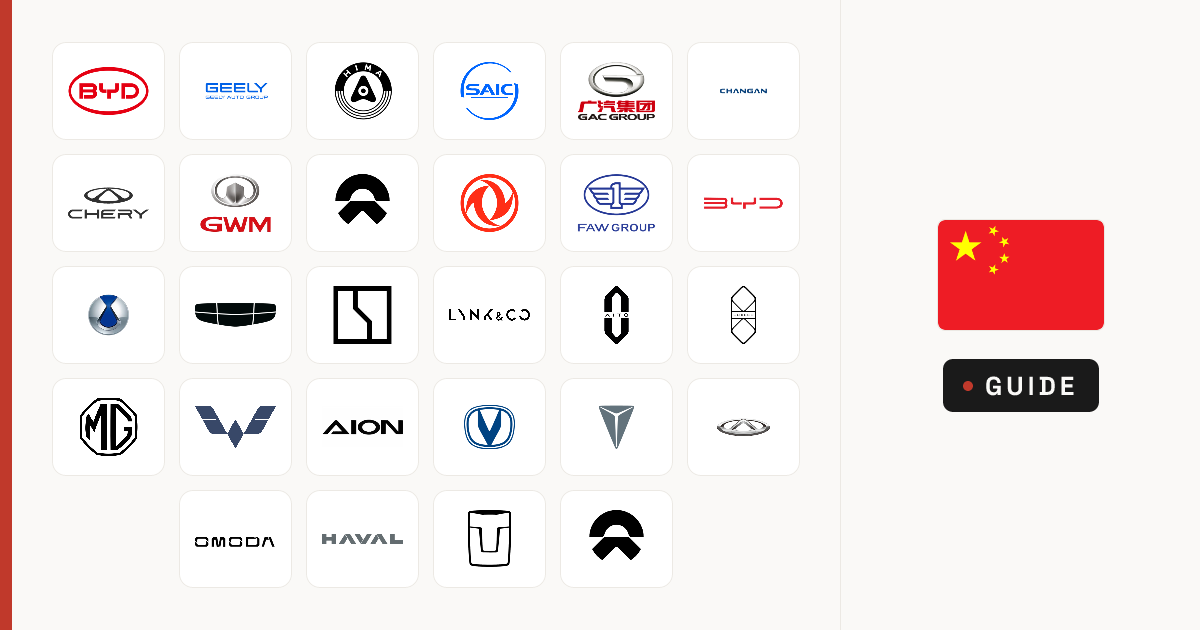
Ownership is a short list sitting behind a long one. Roughly a dozen groups run those two dozen badges as ladders: BYD sells its Dynasty and Ocean lines under its own name with Denza, Fangchengbao and Yangwang above them, Geely Holding reaches from Geely and Zeekr at home to Volvo, Polestar and Lotus in Europe, and Chery fronts export markets with Omoda, Jaecoo and Lepas while keeping Jetour and Exeed for China. Five of the largest owners, SAIC, FAW, Dongfeng, Changan and GAC, are state enterprises; the rest are private. Huawei belongs in neither column, since its HIMA brands, AITO, Luxeed, Stelato and Maextro, are an alliance in which the partner carmaker builds the vehicle and Huawei supplies the software, electronics and showrooms. The full map of parents and sub-brands is in China’s car brands, explained.